Brazilian Coffee Bean Varieties and Major Growing Regions | Flavor Profile and Pour-Over Recommendations for Sun-Dried Bourbon Coffee Beans

Where does everyone's understanding of Brazilian coffee beans stand? The notorious "Rio beans," the world's largest coffee-producing country, or one of the founding countries of the Cup of Excellence (COE). All of these represent the developmental history of Brazilian coffee. What impression does today's Brazilian coffee give? FrontStreet Coffee will explore that through several articles about Brazilian coffee.
Brazilian Coffee Planting History
Brazil lies in the Western Hemisphere's Latin American region, in eastern South America on the western coast of the Atlantic Ocean. On land, except for Ecuador and Chile, it borders every country on the South American continent; the vast majority of its territory lies between the equator and the Tropic of Capricorn, making it the country with the most extensive tropical range in the world. One-third of its territory has a tropical rainforest climate, while two-thirds has a tropical savanna climate. These superior tropical conditions are very well suited to growing tropical cash crops such as coffee.
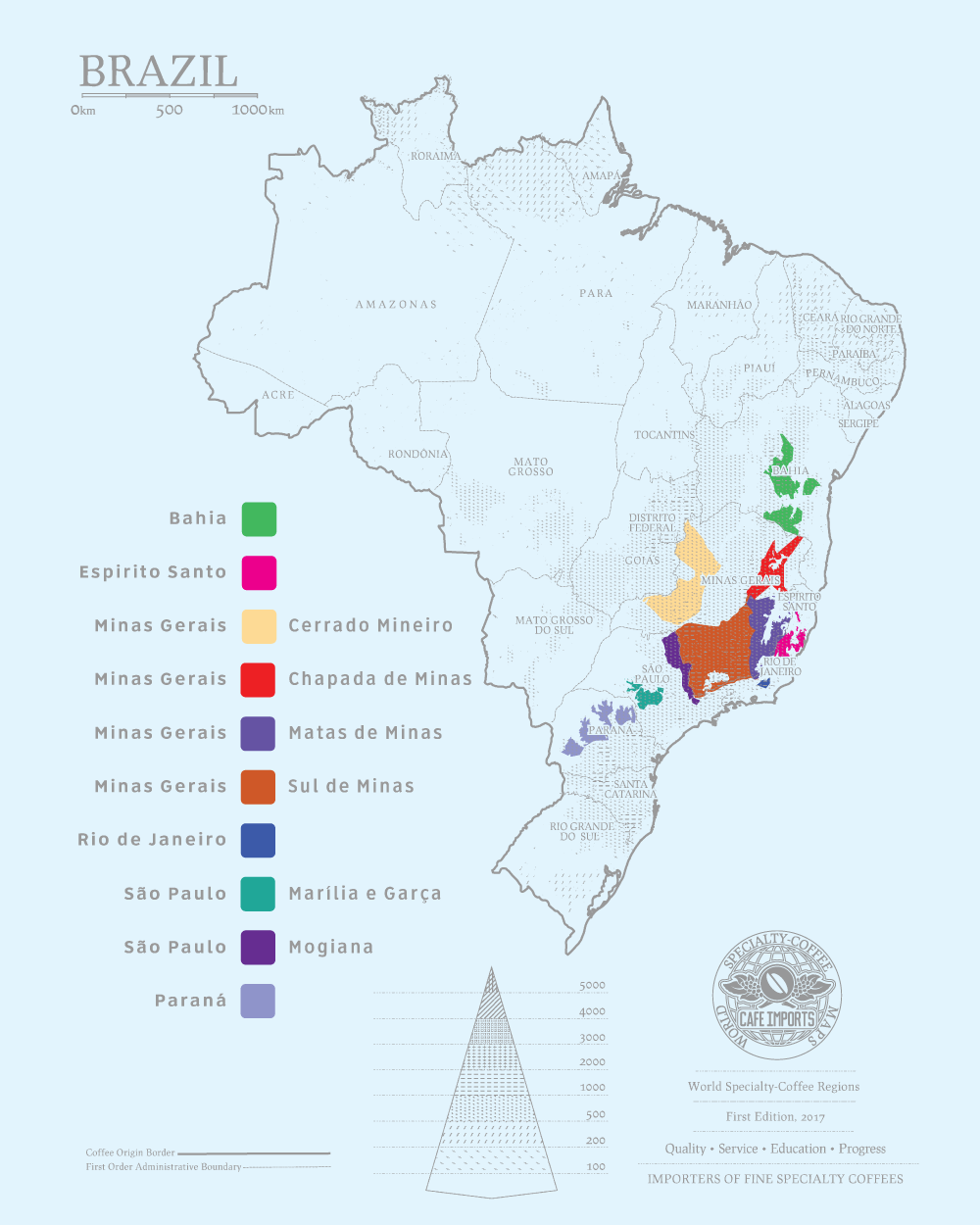
Coffee was introduced to Brazil from French Guiana in the 1720s. A Portuguese captain from Brazil, Francisco Palheta, captured the heart of the governor's wife of Cayenne, then the capital of French Guinea, and successfully brought coffee seeds into Brazil. From then on coffee rapidly adapted in Brazil, spreading from the north to the southeastern state of São Paulo and the southern state of Paraná, where a slightly higher latitude and winter frosts caused serious losses for coffee farmers.
From 1970 to 1980, Brazilian farmers developed the warmer northern regions of São Paulo state, including Minas Gerais and Bahia, where winters are warm and frost-free. To this day, Minas Gerais has become one of Brazil's main specialty coffee-producing regions.
Before 1990, the Brazilian government strictly monitored the coffee industry, with harsh intervention as well as price-protection measures. The state consistently implemented minimum price protection for farmers, leading to coffee overproduction.
Since the free market opened in 1990, the original "Brazilian Coffee Institute" (IBC) was replaced by a non-investing state administrative body, the National Economic Association, which pursued a non-intervention policy and allowed producers and exporters to negotiate directly. Export activity is supervised by government legislation, and relevant departments register legitimate exporters. From three hundred years ago to the present, coffee has become Brazil's most important economic source, while Brazil has also become the world's largest coffee-producing country.
What Coffee Varieties Exist in Brazil?
As the mainstay of American coffee, countless varieties have spread from Brazil to various Latin American countries. Among them are familiar varieties such as Typica, Bourbon, Caturra, Catuai, Mundo Novo, and others.
Typica
Typica can be called the world's oldest coffee variety. Its flavor quality is unquestionable, but its drawbacks are low yield and poor disease resistance. Brazil first began planting Typica in the 18th century and was one of the earliest regions in the Americas to cultivate coffee. Because of its low yield, however, growers switched to the higher-yielding Bourbon variety in the 19th century. Today Brazil's Typica is almost gone, and significant production is difficult to achieve.
Bourbon
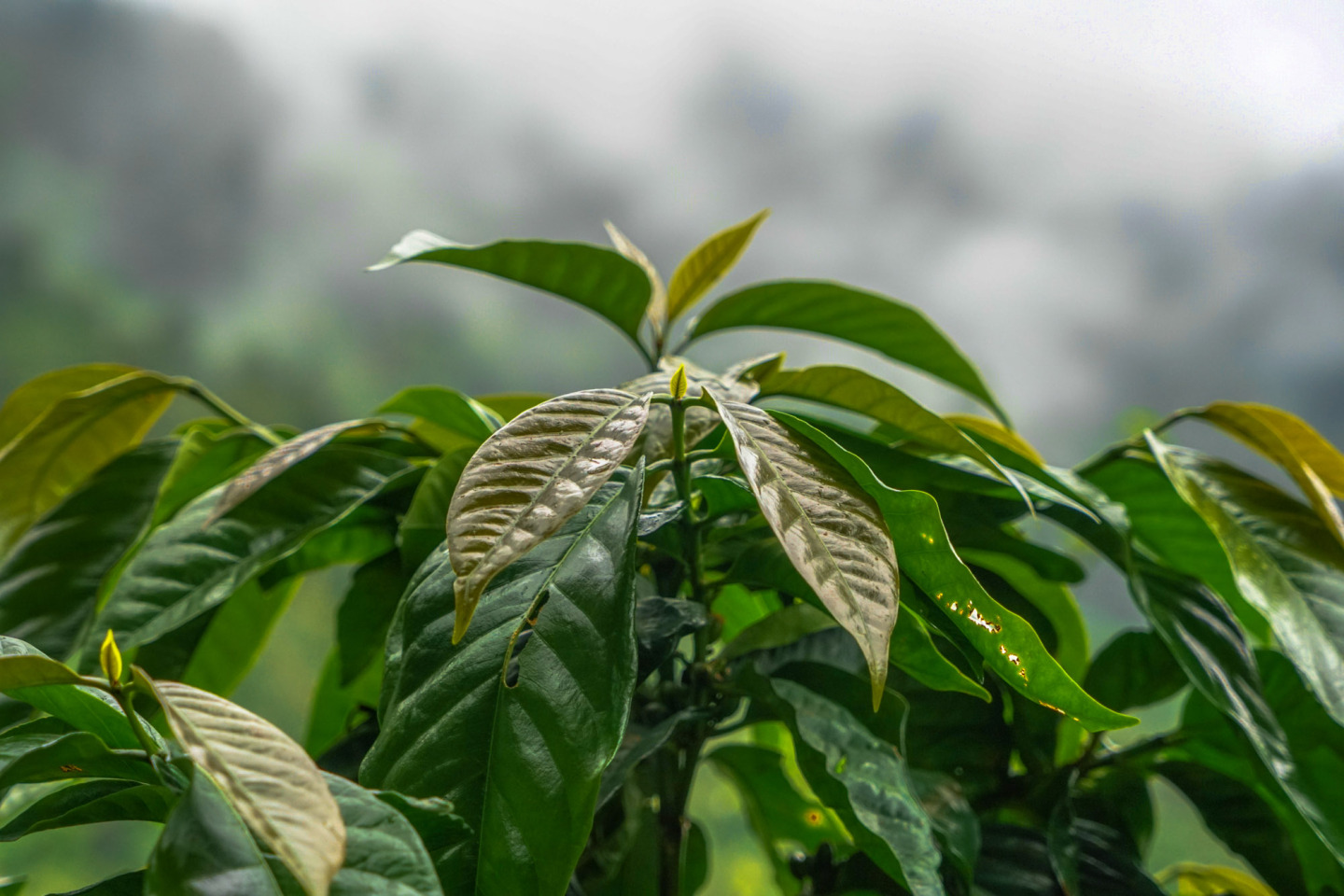
Bourbon was the second major variety introduced to Brazil, primarily replacing the low-yield Typica. Its overall yield, however, is only about 30% higher than Typica's.
Normal Bourbon beans turn red when mature, whereas Yellow Bourbon fruit turns yellow instead of red. It was first discovered in Brazil in 1930 and is now grown mainly there. It is generally believed to have mutated from a cross of red-fruited Bourbon with a yellow-fruited Typica variant called "Amerelo de Botocatu" (discovered in São Paulo state in 1871). Because of its lower yield and relatively poor resistance to wind and rain, it was not widely cultivated. Yet planted at high altitudes it shows excellent flavor performance, and it has become more common in recent years.

Caturra
Caturra is a natural variant of Bourbon. It was discovered between 1915 and 1918 on a plantation in Minas Gerais state, Brazil. A group of genes in the Bourbon there mutated, causing the plant to grow smaller (similar to dwarfism). This new variety, expressing a new biological form, was called "Caturra" by locals in Guaraní, meaning "small." It is sometimes also called "Nanico."
The São Paulo State Agricultural Institute (IAC) in Campinas, Brazil began selection in 1937. The Caturra selection process is called mass selection—choosing a group of individuals based on excellent performance. The seeds from these plants were accumulated to form a new generation, and the process was repeated. Interestingly, this variety was never officially released in Brazil but is already very common in Central America.

Mundo Novo
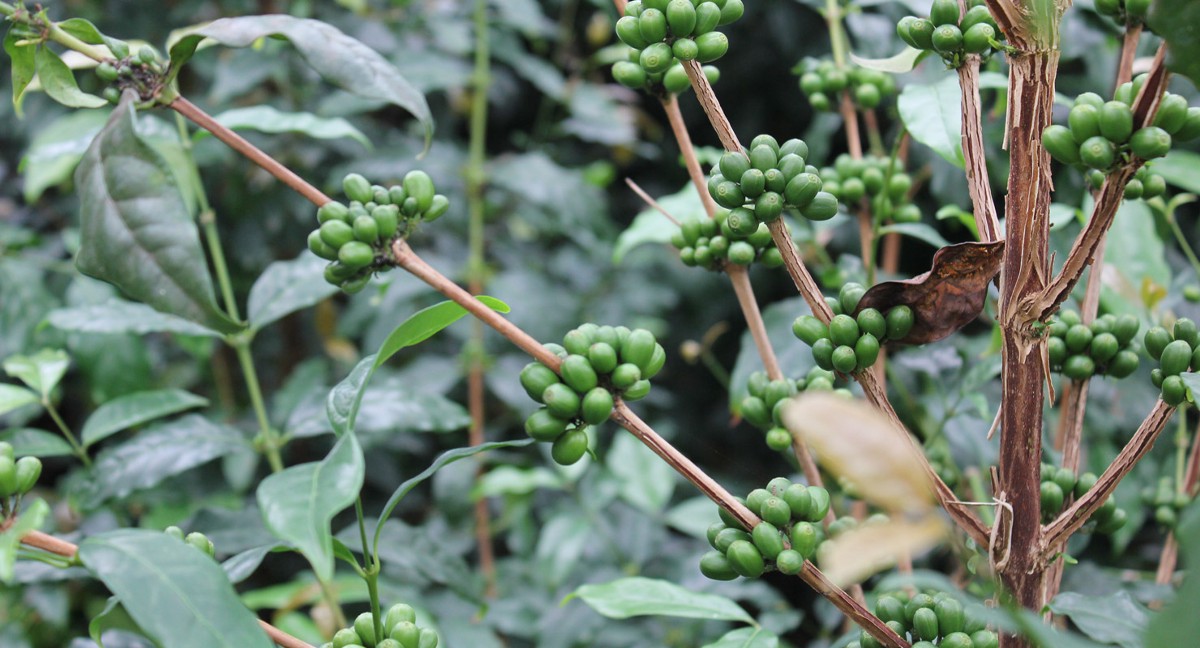
Mundo Novo is the result of natural hybridization between Bourbon and Sumatran Typica, first discovered in 1943 in Piumhi, São Paulo, Brazil. Mundo Novo was initially planted in the town of Novo Mundo, now Urupês.
The first selection of Brazilian Mundo Novo was completed between 1943 and 1952. The variety was distributed to growers starting in 1952. In the 1960s, Mundo Novo was widely cultivated in Brazil and hailed as the new hope of the Brazilian coffee industry. Later, in 1977, the Agronomical Institute of Campinas (IAC) released new selections. In Brazil and other South American countries, Mundo Novo has very high commercial value. It also spread to other countries but was not widely cultivated there for various reasons. Mundo Novo plants are tall, with green or brown leaf tips. The overall shape of Brazilian Mundo Novo beans tends to be round with large particles.
Catuai
Catuai—just by hearing the name, one can tell it is closely related to Caturra. It is an artificially cultivated hybrid developed by the São Paulo State Agricultural Institute (IAC) in Campinas, Brazil, using Mundo Novo and Yellow Caturra, initially called "H-2077." Mundo Novo is itself the result of natural hybridization between Bourbon and Typica, first discovered in 1943 in Piumhi, São Paulo, Brazil.
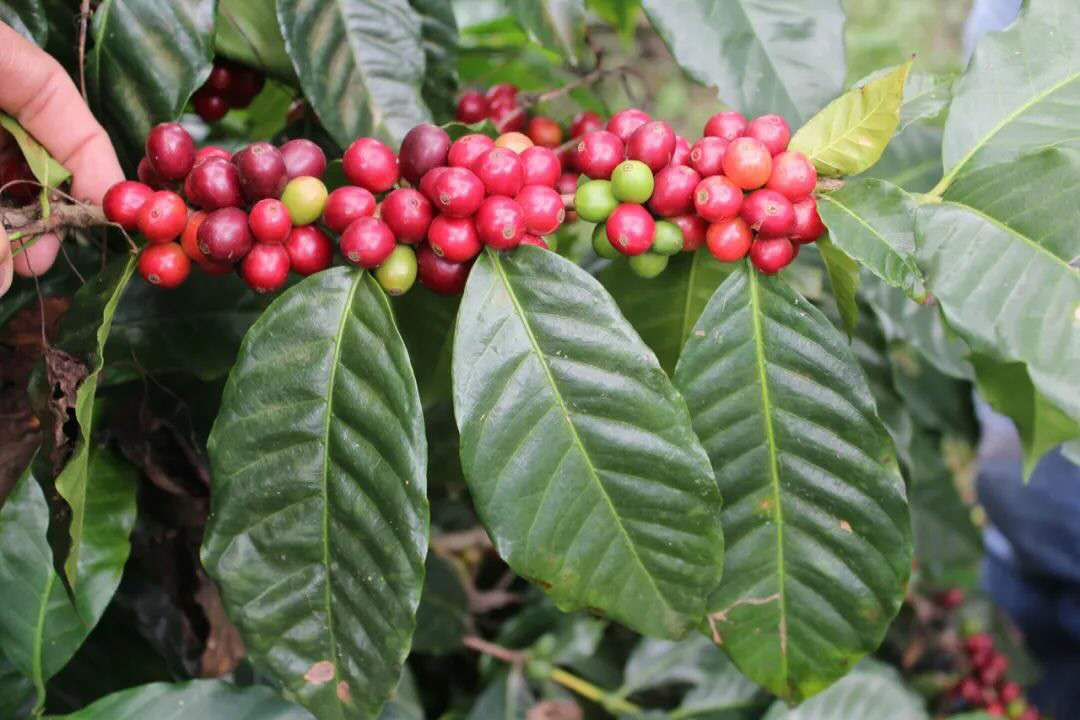
Catuai inherits Mundo Novo's high yield, strong disease resistance, and excellent cup quality, as well as Caturra's small plant size, high-quality acidity, and suitability for sun-dried coffee. Catuai therefore has relatively good disaster resistance, especially against wind and rain. Because of the smaller plant, it can be planted at double density, and the dwarf habit makes pest and disease treatment easier. Catuai grows vigorously with low height but is susceptible to leaf rust disease.
Because the variety is so outstanding, it was named Catuai, meaning "very good" in Guaraní. The variety initially called "H-2077," however, did not perform especially well in cupping, excelling only in disease resistance, pest resistance, yield, and environmental adaptability.
Maragogipe
Maragogipe was first discovered in 1870 in the Maragogipe production region of Bahia state, Brazil, and thus took the name of this unusually large-beaned variety. Through biological morphology comparison and genetic testing, Maragogipe was determined to be a natural variant of Typica. Its beans are three times larger than regular Arabica beans.

Besides the large beans, the trunks, branches, and leaves of Maragogipe plants are also larger than those of ordinary varieties, so the space, nutrients, and resources required for cultivation are greater. Coupled with difficult care and harvesting and a high time cost (a long fruit maturation period and five years to bear fruit), few farmers choose to cultivate it. It is currently sparsely distributed in Latin American countries such as Brazil, Nicaragua, Mexico, and Guatemala. In Brazil, its high cultivation cost means only small quantities exist, making it difficult to scale.
FrontStreet Coffee Brazil Red Bourbon
Country: Brazil
Region: South Minas
Altitude: 1000 meters
Variety: Red Bourbon
Processing: Semi-washed

This Brazilian bean from FrontStreet Coffee comes from Minas Gerais state. The representative producing regions of Minas Gerais include Cerrado and South Minas, both high-altitude areas. Cerrado lies in the western part of the state, a flat plateau at 750–1,200 m. South Minas consists of hilly woodlands at 700–1,200 m. Since 1999, South Minas has had the highest number of winning estates in Brazil's Cup of Excellence auctions.
Brazil's Invention: Semi-washed Coffee Processing
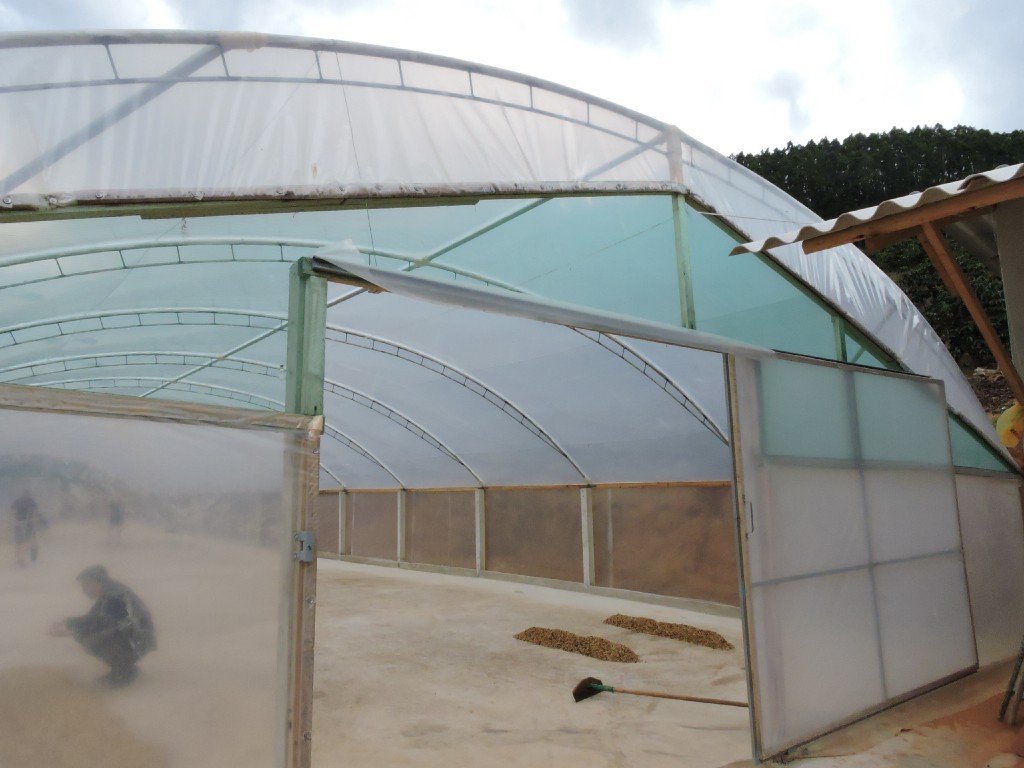
Before 1990, Brazil used almost entirely rough natural processing, which caused Brazilian beans to develop woody or earthy flavors easily, because the cherries had to undergo two to three weeks of sun exposure. When rain and moisture rebound occurred, moldy flavors developed easily. To change this complete reliance on weather, in 1990 Brazil leveraged its relatively dry climate and developed the semi-washed method (Pulped Natural) to shorten processing time.
Semi-washed processing is essentially a combination of natural and washed processing. Brazil suffers from water shortages and uncertain flood seasons, making it impossible to guarantee enough water for full washed processing, while full natural processing cannot guarantee long dry spells. So, using its natural advantages, Brazil created the semi-washed method. It greatly reduced water consumption and natural drying time, reversing two hundred years of rough coffee quality in Brazil.
FrontStreet Coffee Roasting Analysis
Brazilian coffee generally grows at altitudes of 1,000–1,300 meters, so its density is relatively low, moisture content moderate, bean texture relatively soft, and the thickness from bean surface to core thin. It is therefore not suited to roasting at too high a temperature, which would produce burnt bitterness. We use a medium-heat charge, maintaining the heat through the dehydration stage. After first crack begins, we make fine adjustments as the temperature rises to promote more complete caramelization. This semi-washed variety heats up slowly after first crack and can be removed from the roaster just before second crack.
Preheat the roaster to 200°C and load the beans, open the damper to 3. After 30 seconds, start the fire and adjust heat to 160, damper unchanged. Return temperature point at 1'30", maintain heat. At 5'00", beans turn yellow, the grassy smell disappears, entering the dehydration stage. Reduce heat to 130, open damper to 4. When reaching 168°C, reduce heat again to 100. At 8'00", dehydration is complete, wrinkles and black patterns appear on the bean surface, and the toast smell turns to coffee aroma—the prelude to first crack. Listen carefully for the sound. At 8'50", first crack begins; open the damper fully to 5. After first crack, development time is 3 minutes 10 seconds. At 190°C reduce heat to 50, at 194°C reduce again to 30, and remove at approximately 200°C.

FrontStreet Coffee Brewing Suggestions
Dose: 15g
Water Temperature: 86-88°C
Grind: Medium grind, 70% pass-through rate on #20 standard sieve
Water-to-coffee ratio: 1:15
FrontStreet Coffee uses segmented extraction. The bloom water equals twice the coffee dose—30 grams of water for a 30-second bloom. After a small circular pour to 125 grams, segment again. When the water level drops and is about to expose the coffee bed, continue pouring to 225 grams and stop. Total extraction time is 2 minutes.

Brewing Flavor: High sweetness, clean, smooth, low acidity, with flavors of peanuts, almonds, nuts, and chocolate.
FrontStreet Coffee Brazil Queen Estate
Region: Brazil Mogiana Region
Estate: Queen Estate
Altitude: 1400-1950m
Variety: Yellow Bourbon
Processing: Natural processing

The Mogiana region is very close to southern Minas. Coffee is planted among shrubs, grasslands, and other vegetation. The area has many farming families; some adopt traditional large-scale operations, while others use small-scale modern methods. The combination of modern technology and mountain coffee-growing culture has created the highest-quality green beans. Through cupping, FrontStreet Coffee found that beans from this region have a sugar-like sweetness.
Estate Fine Natural Processing
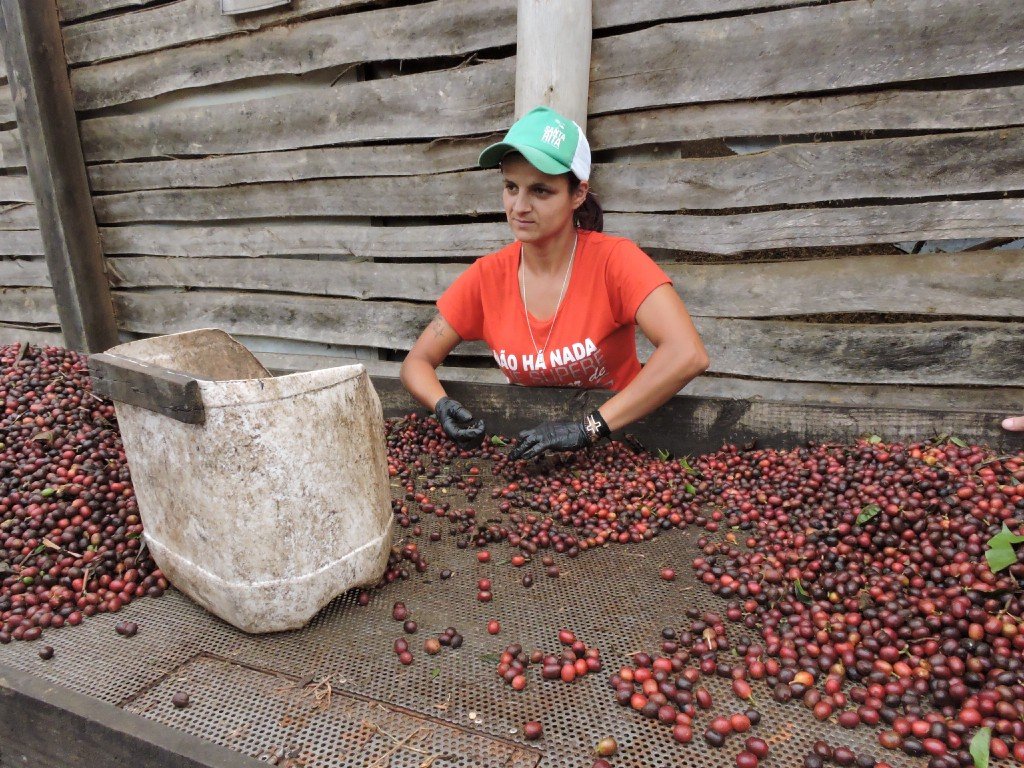
Unlike Brazil's large-scale harvesting and processing, Queen Estate adopts fine natural processing, solving the quality-degradation problem caused by Brazil's large-scale centralized processing. At harvest, semi-mechanical picking is used, improving quality while ensuring efficiency. After harvest, secondary flotation screens qualified cherries for high-bed natural drying. During this period, the drying degree is manually inspected and defective fruit is removed. When dried to 12% moisture content, hulling and polishing are performed, and the parchment is retained for storage.
FrontStreet Coffee Roasting Analysis
Although this is also Brazilian coffee, its average growing altitude is higher, so the bean texture is relatively harder.
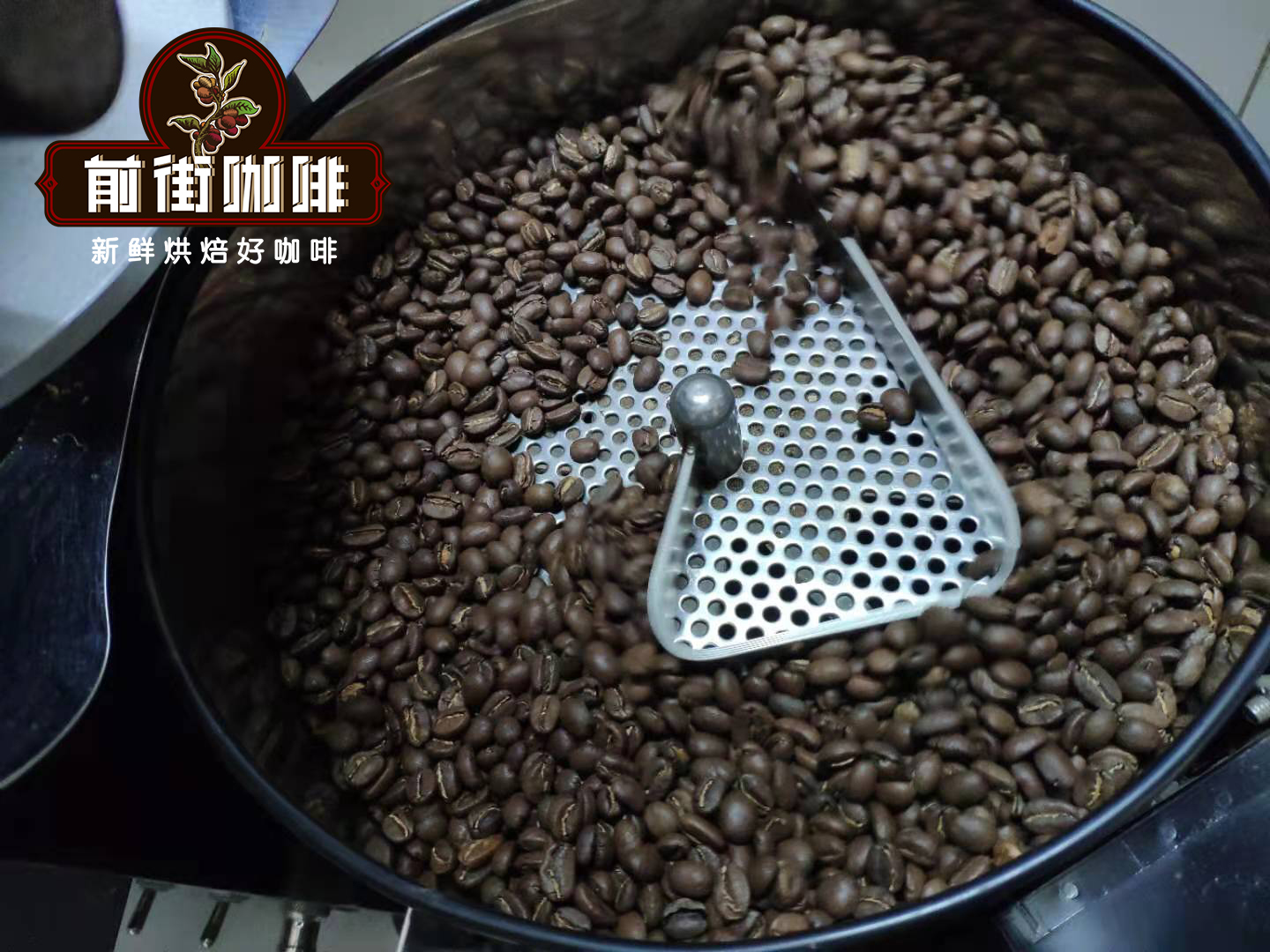
Brazil Yellow Bourbon Roasting Suggestion: Yangjia 800N, bean input 550g: preheat the roaster to 200°C and load the beans, adjust heat to 150, open damper to 3. Return temperature point at 1'30", maintain heat. At 5'10", beans turn yellow, the grassy smell disappears, entering the dehydration stage. Reduce heat to 125, open damper to 3.5. At 8'20", dehydration is complete, wrinkles and black patterns appear on the bean surface, and the toast smell turns to coffee aroma—the prelude to first crack. When reaching 178°C, reduce heat to 80. Listen carefully for the sound of first crack. At 9'14", first crack begins; open the damper fully to 5. After first crack, development time is 3'00"; remove at 201°C.
FrontStreet Coffee Brewing Suggestions
Dripper: KONO #01 Dripper
Dose: 15g
Water Temperature: 88°C
Grind: Medium grind, 70% pass-through rate on #20 standard sieve
Water-to-coffee ratio: 1:15
Use FrontStreet Coffee's three-stage brewing method. First, preheat the dripper and server. Pour in 15 grams of coffee and tap gently to even the surface. Begin the first pour, adding 30 grams of water in a circular motion from the center for a 30-second bloom. The ideal state is that the coffee is evenly saturated with water, forming an expanded "coffee burger."

After 30 seconds, begin the second pour. In this stage the water column height is 3–5 cm, pouring 95 grams of water in concentric circles from the center outward. The total pour is now 125 grams. Observe that the coffee liquid surface should be entirely golden coffee foam. When about to expose the coffee bed, begin the final pour. In this stage, pour 100 grams of water, slowly drawing concentric circles while maintaining a consistent flow. When all the coffee liquid has flowed into the server below, remove the dripper to end extraction. Total time is 2 minutes 5 seconds.
Flavor: A balanced mouthfeel, with almond and cocoa as the main notes highlighting a sugarcane sweetness—a coffee with good body and abundant sweetness.
FrontStreet Coffee Recommendation
For a Brazilian coffee that balances body and sweetness, FrontStreet's Brazil Cerrado Red Bourbon is a classic everyday choice: half sun-dried and medium-roasted, it offers creamy peanut, toasted bread, caramel, and hazelnut aromas with a rounded, low-acid body and a light bitterness, and it brews well as pour-over, moka pot, espresso, siphon, or French press.
If you want more fruit and sweetness, FrontStreet's Brazil Queen Estate Yellow Bourbon, from Mogiana near South Minas, brings a clean sugarcane sweetness along with fruit and chocolate notes and works for pour-over, moka pot, and home espresso machine. Brazilian beans also underpin FrontStreet's espresso blends—the Classic Blend, FrontStreet Coffee's Premium Blend, FrontStreet Coffee's Black Cocoa Blend, and FrontStreet Coffee's Commercial Blend—where they add chocolate and cream aromas and a soft, balanced profile.
Important Notice :
FrontStreet Coffee is a long-established specialty coffee roaster in Guangzhou China, selling freshly roasted beans from its own farm in Yunnan as well as dozens of carefully selected single-origin beans from around the world for both pour-over and espresso. The products deliver consistently excellent quality and great value, with shipping within 24 hours. Guangzhou's FrontStreet Coffee shop is recommended by many coffee lovers, and the beans are now available online at the Tmall 。
FrontStreet Coffee has moved to a new address:
FrontStreet Coffee Address: 315,Donghua East Road,GuangZhou
Tel:020 38364473
 Scan and follow the En Gafei WeChat official account. Please indicate that the reprint comes from "En Gafei".