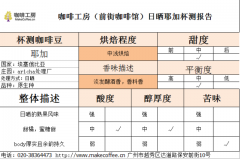
Sun-Dried Yirgacheffe Coffee Aricha Latest Harvest Period Pour-Over Brewing Guide
Many coffee enthusiasts, when first venturing into specialty coffee, find themselves drawn in by a cup of Yirgacheffe with its jasmine florals and lemon-citrus acidity — often the doorway into a whole new world of coffee.
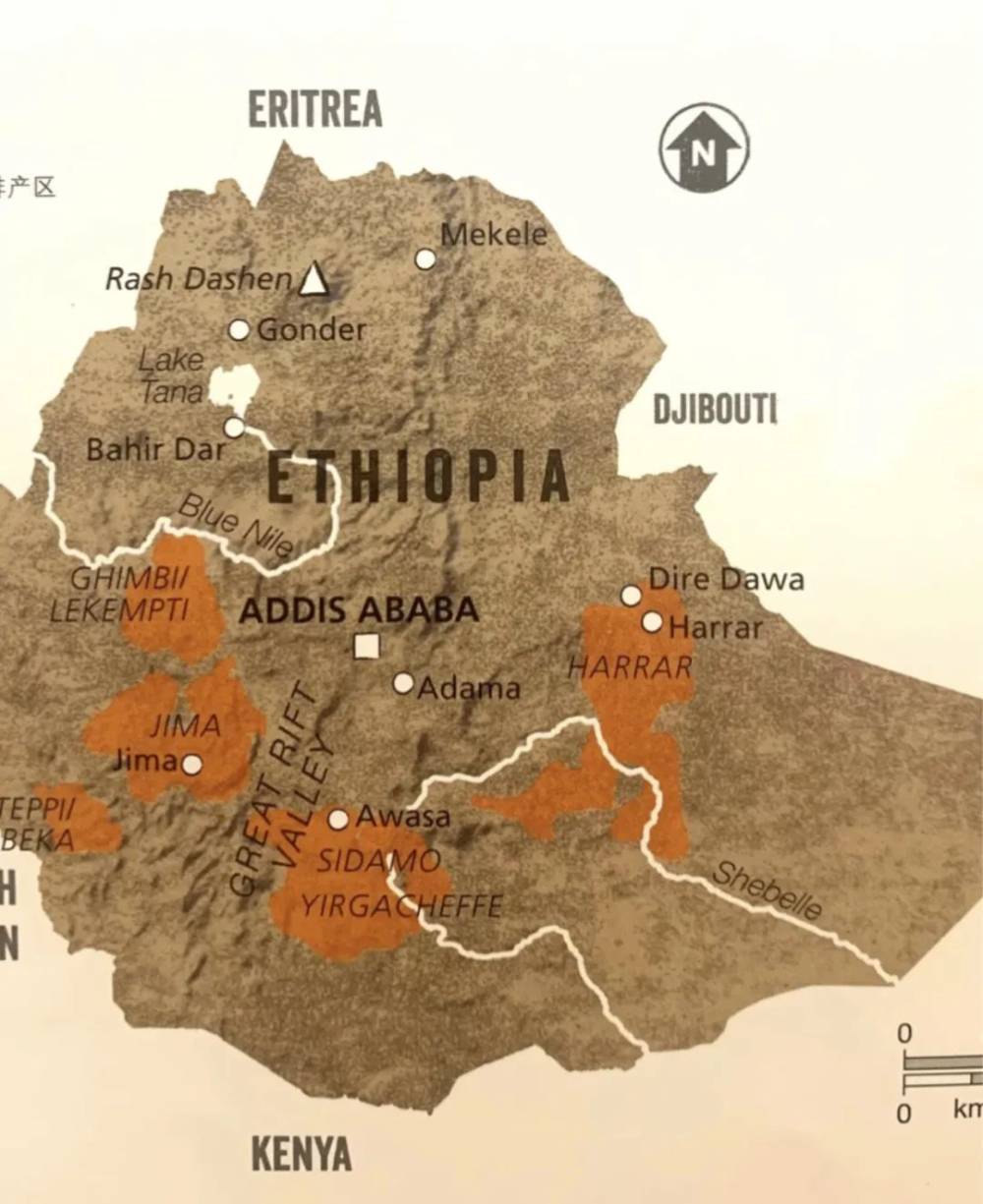
The Yirgacheffe Region of Ethiopia
The renowned Yirgacheffe is a small town in Ethiopia, situated at an altitude of roughly 1,700-2,200 meters. The cooler temperatures make coffee grow relatively slowly, giving the cherries ample time to accumulate nutrients and flavor compounds. Thanks to the distinctive flavor and high quality of the beans produced, Ethiopian farmers take pride in coffee that carries true Yirgacheffe character.
Originally, Yirgacheffe was administered as part of Ethiopia's Sidamo region. Later, thanks to its distinctive flavor and soaring reputation, it was separated from the larger Sidamo region and established as a distinct appellation of its own. The town is wrapped in mist, spring-like all year round — breezy but never cold, rainy but never damp, and free of frost even in winter — making it exceptionally well suited to growing coffee.
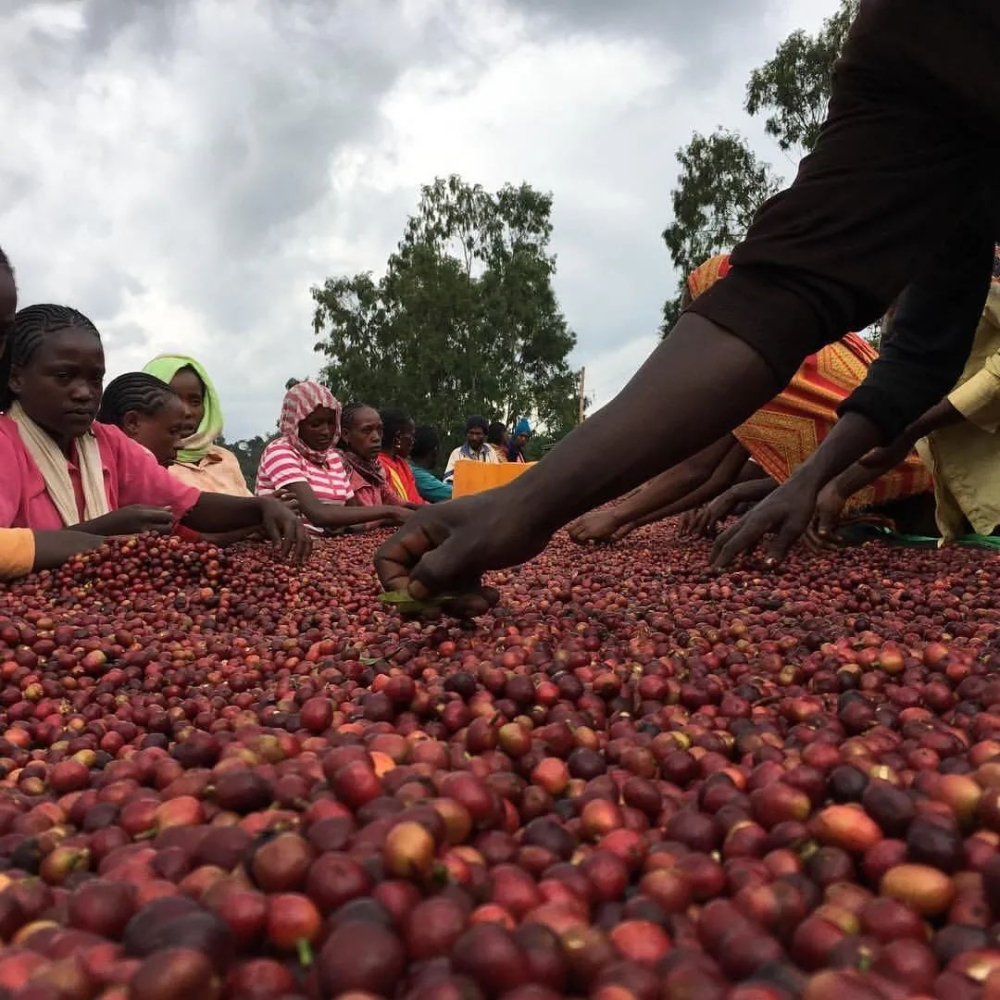
Aricha Coffee's Championship Victory
Not far east of Yirgacheffe lies a village called Aricha kebele, about 8 kilometers from the center of Yirgacheffe town. A kebele is Ethiopia's smallest administrative unit, comprising roughly 500 households (around 3,500-4,000 people). Most of the coffee here comes from wild varieties in the local forests, so a single lot often contains 20-30 different varieties. Because these lots are harvested from native forests above 1,850 meters, they cannot be named after specific estates and are instead named after the harvesting area, Aricha. Given the sheer number of Ethiopian coffee varieties that resist individual identification — and for conservation reasons — the local government collectively refers to them as "Heirloom native varieties."
TOH stands for Taste of Harvest, a harvest-season cupping competition initiated by the African Fine Coffee Association (AFCA). Similar in spirit to the Cup of Excellence (COE), it draws participation from eight countries: Burundi, the Democratic Republic of Congo, Ethiopia, Malawi, Kenya, Tanzania, Uganda, and Zambia. The competition is held annually during the African Fine Coffee Conference and Exhibition. TOH selects the highest-quality green beans from each region, which are then cupped and scored by domestic and international judges according to Specialty Coffee Association of America (SCAA) standards.
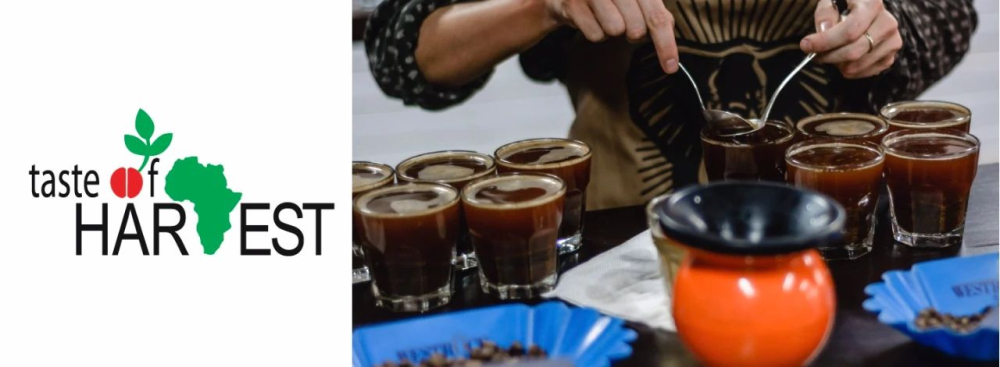
Aricha coffee produced by the Adorsi processing station won the 2019 TOH natural process championship with a score of 91 points. The Adorsi station is owned by Testi Coffee, an export company operated by the Yonis family and founded in 2009 by Faysel A. Yonis.
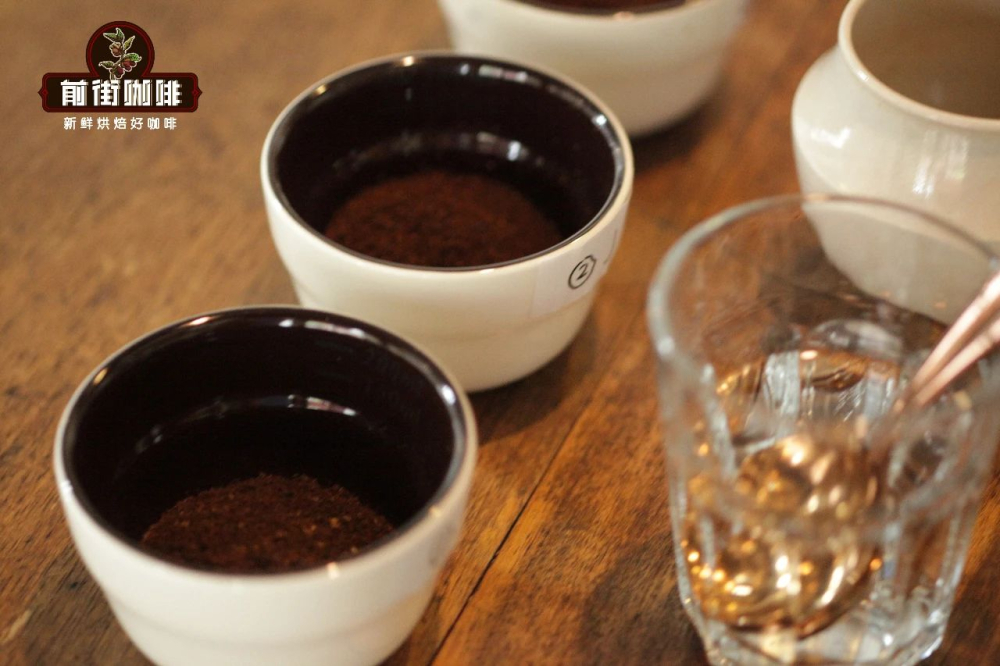
FrontStreet Coffee, after cupping the 2019 harvest Aricha, found its flavors so dense they resembled a "fruit bomb." On entry it offers soft citrus aromas with notes of berries and peaches, a smooth, milky mouthfeel, and enveloping lemon and grape acidity. The aftertaste shifts through rich variations — the florals are this bean's ultimate expression!
Coffee Varieties and Processing Methods
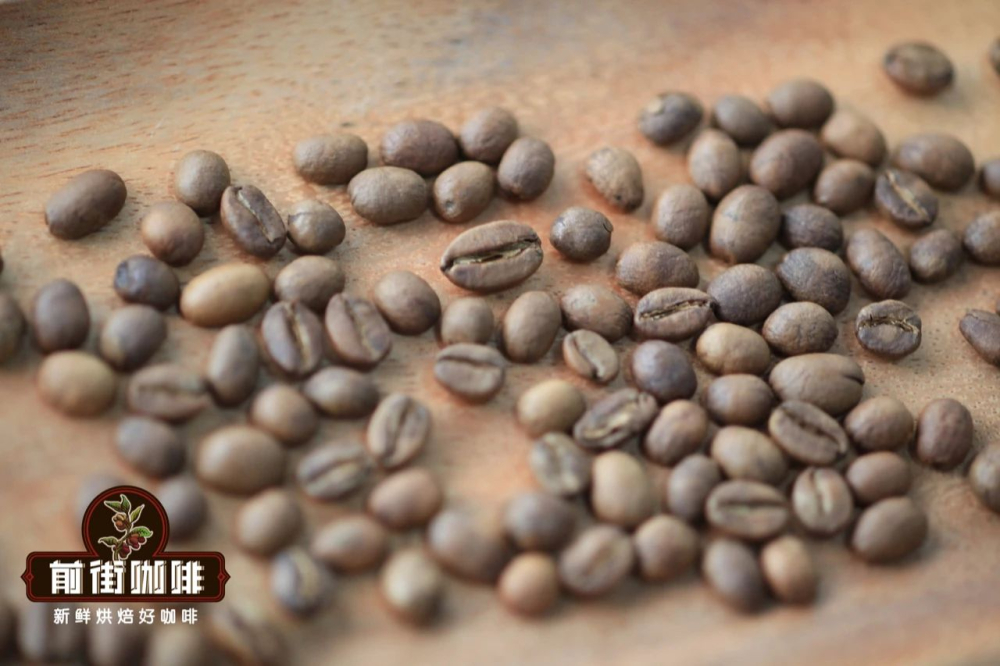
Aricha coffee is of the Heirloom variety — the umbrella name given to most Ethiopian coffee varieties. It is estimated that Ethiopia currently has some 10,000 to 15,000 heirloom varieties, most of which have never undergone formal genetic identification. Because the varieties are so numerous and complex, complete categorization is extremely difficult, and to conserve the wild varieties the local government decided to harvest and process them together, collectively labeling them "Ethiopia Heirloom." This is also why Ethiopian beans, unlike those from many other origins, look less uniform — a mix of sizes and plumpness in every lot.
Natural processing is one of Ethiopia's oldest methods of preparing green coffee. Cherries are dried whole in the sun immediately after harvest — a method common where sunlight is abundant or water is scarce. Nearly 70% of Ethiopian coffee is processed this way.
The natural process, step by step: freshly harvested red cherries are hand-sorted to remove defective, overripe, or insect-damaged fruit, leaving only sound cherries, which are then transported to the drying area. Different regions use different setups — waterproof tarps, raised patios, and so on — but the most common is the African raised drying bed. Drying generally takes 27-30 days, until the cherries turn dark purple and the moisture content falls to 11%. FrontStreet Coffee finds that natural-processed coffee shows higher sweetness, more berry-like notes, and a richer aftertaste.

FrontStreet Coffee Yirgacheffe Natural Aricha Coffee Beans
Region: Yirgacheffe Aricha
Processing Station: Adorsi
Altitude: 1900-2000m
Processing Method: Natural
Grade: G1
Variety: Heirloom
Flavor: Dried fruit, strawberry, mango, apricot, lemon
FrontStreet Coffee Brewing Reference
A light roast preserves more of the coffee's floral and fruit aromas. Compared with a medium-dark roast, lightly roasted beans have a denser internal structure, so they need higher water temperatures and a finer grind to release their flavor compounds fully. FrontStreet Coffee extracts with water at 92-93°C. For grind size, FrontStreet Coffee targets an 80% pass rate through a #20 standard sieve.
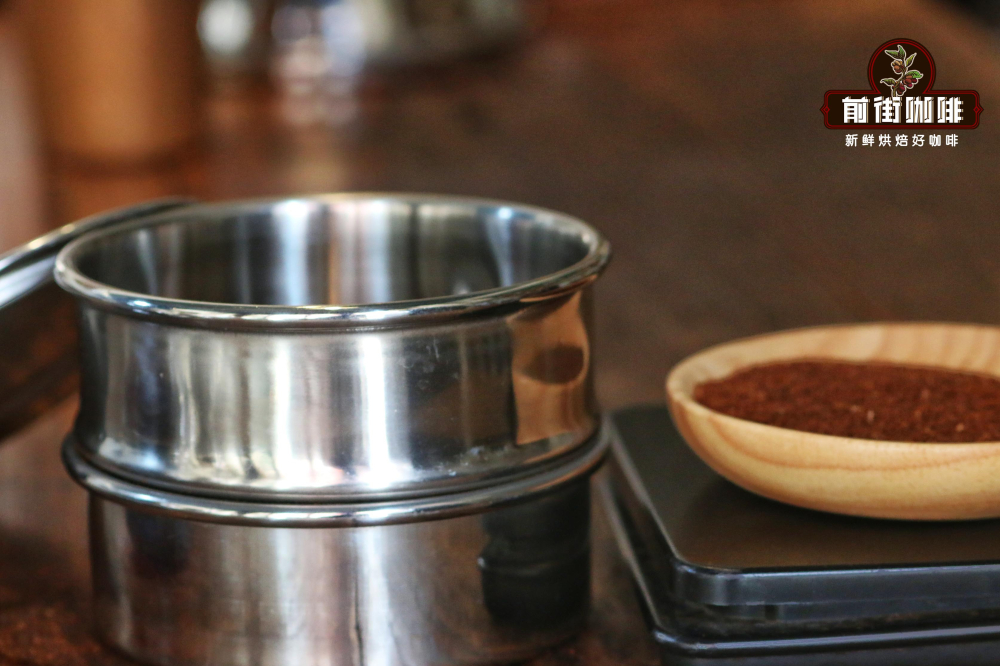
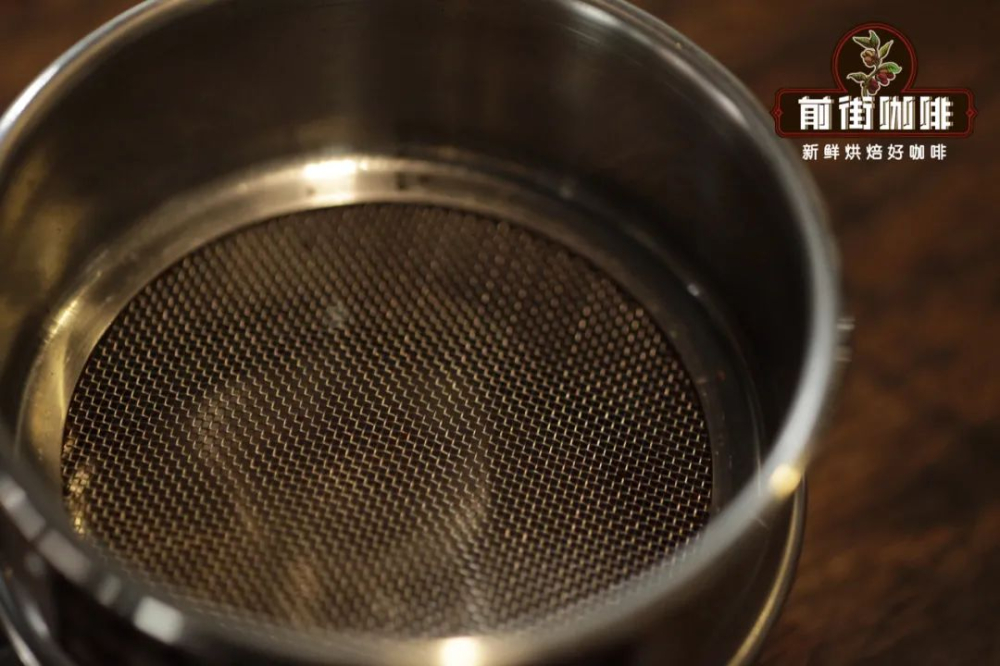
Because grinders differ in precision, usage frequency, and maintenance, even the same machine at the same setting may not produce grounds of the same consistency. FrontStreet Coffee suggests everyone keep a sieve on hand — it both confirms the fineness of the grounds and helps calibrate your grinder's settings.
FrontStreet Coffee's flavor descriptions are based on freshly roasted beans. If beans sit for more than a month, some aromatics fade and it becomes hard to reproduce the original flavor profile. FrontStreet Coffee understands the importance of freshness and therefore ships only beans roasted within the last 5 days, so every bag arrives inside its full flavor window.
As for the dripper, FrontStreet Coffee believes natural Aricha should show rich layers of flavor, and its baristas use a resin V60. The V60's flow ribs run from top to bottom around a large central hole, which speeds the flow of water, while the spiral rib design lengthens the water's path, extending contact between grounds and hot water. Each stream converges along the grooves toward the center of the bed, concentrating the extraction and yielding a coffee with more distinct layers.
Brewing Parameters and Steps
Below, FrontStreet Coffee demonstrates the pour-over steps used in-store, which you can reference against your own approach.
Dripper: V60
Water temperature: 91-92°C
Dose: 15g
Coffee-to-water ratio: 1:16
Grind size: fine granulated sugar consistency (80% pass-through on a #20 sieve)
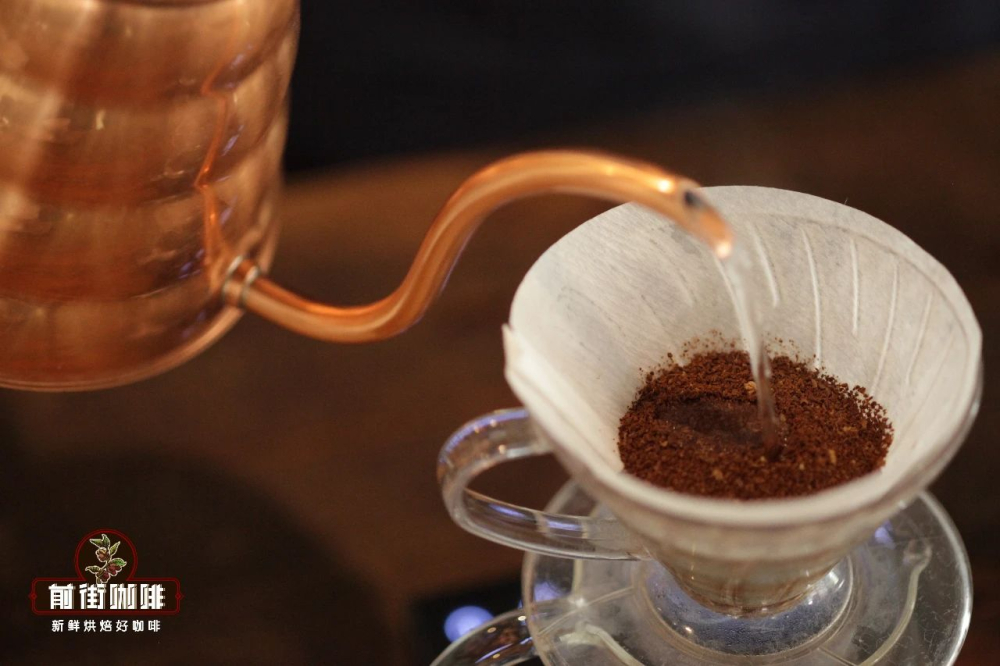
Three-stage pour: First, add 15g of ground coffee to the dripper and tare the scale. The first stage pours 30g of water for a 30-second bloom, starting the timer at the same moment. Use a small stream, starting from the center and spiraling outward, making sure the entire bed is evenly wetted.
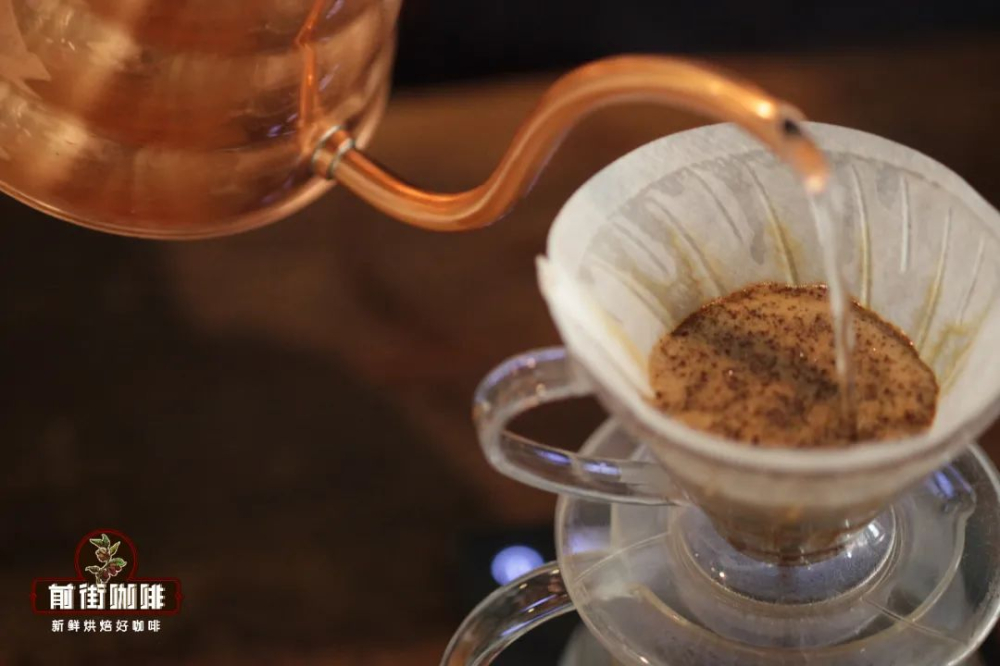
For the second stage, use a slightly larger stream to pour 120g of water, aiming to lift the whole coffee bed. Pour vertically and evenly until the scale reads 150g, finishing around the 55-second mark.
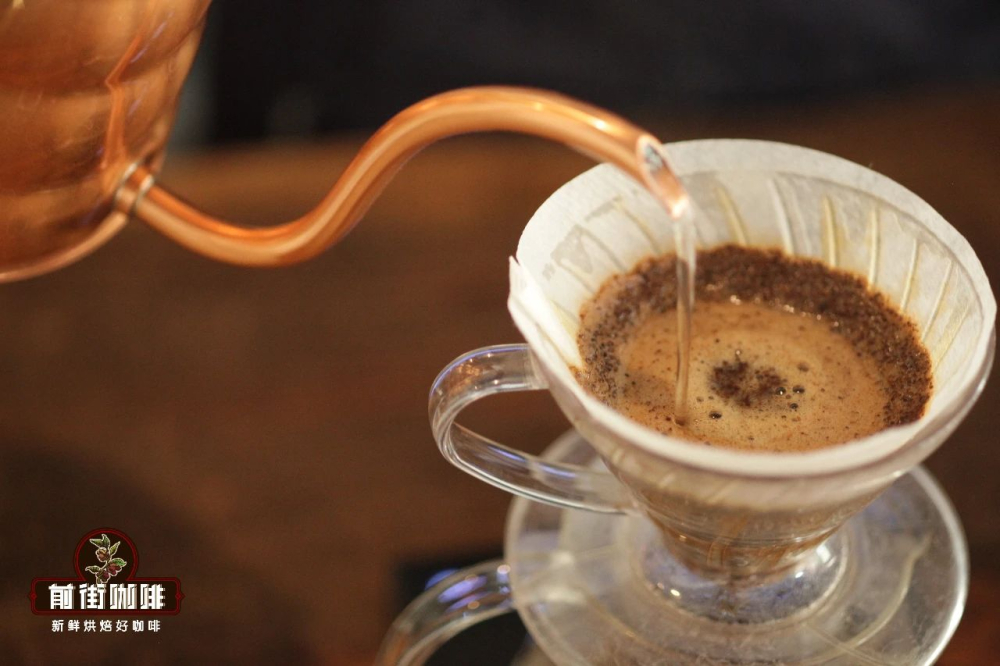
When the liquid level drops to half the bed, begin the third stage: pour 90g of water in small, gentle circles, keeping the stream controlled — large sweeping circles would disturb the bed and cause under-extraction. Total water comes to 240g, with drainage finishing around 2 minutes 10 seconds. Lift off the dripper, swirl the coffee in the server to homogenize, and taste.
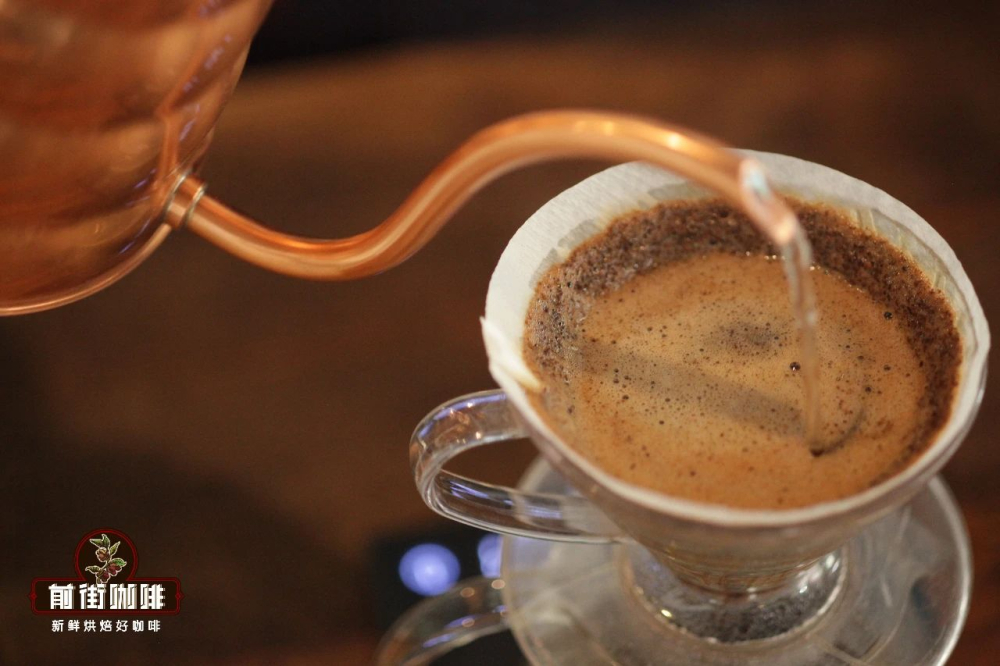
Brewing this Aricha, you'll smell the full aroma of ripe fruit from the first pour. On entry there are distinct fermented notes and green grape; as the cup cools slightly, lemon acidity and creamy smoothness emerge, and the finish carries the juicy sensation of ripe grapes.
FrontStreet Coffee Recommendation
Yirgacheffe is a small town in southern Ethiopia's Sidamo region, sitting at 1,700-2,100 meters — some of the highest coffee elevations in the world. Long shrouded in mist and spring-like all year, the area gives its beans a highly distinctive character: white jasmine florals woven with bright lemon and citrus acidity. Because the name became so famous, the Ethiopian Commodity Exchange formally separated Yirgacheffe from Sidamo in 2010, and it has since become a byword for Ethiopian specialty coffee. FrontStreet Coffee's washed Yirgacheffe everyday bean is the classic entry point — clean, elegant, tea-like, with floral and citrus brightness at a friendly price.
For those who want the fruitier side of Yirgacheffe, FrontStreet's natural Red Cherry project beans use only fully ripe, defect-free cherries, sun-dried on raised beds and raked every 2-3 hours during the first days to prevent uneven heating and over-fermentation. After three to five weeks of drying, the outer pulp is milled away and the beans are warehoused. Because the cherries dried whole, the cup keeps its classic Yirgacheffe identity while gaining tropical fruit character — citrus-like acidity, a berry-juice juiciness, honeyed sweetness, and a cream-smooth texture.
Important Notice :
FrontStreet Coffee is a long-established specialty coffee roaster in Guangzhou China, selling freshly roasted beans from its own farm in Yunnan as well as dozens of carefully selected single-origin beans from around the world for both pour-over and espresso. The products deliver consistently excellent quality and great value, with shipping within 24 hours. Guangzhou's FrontStreet Coffee shop is recommended by many coffee lovers, and the beans are now available online at the Tmall 。
FrontStreet Coffee has moved to a new address:
FrontStreet Coffee Address: 315,Donghua East Road,GuangZhou
Tel:020 38364473
 Scan and follow the En Gafei WeChat official account. Please indicate that the reprint comes from "En Gafei".