What's the Difference Between Natural, Pulped Natural, Washed, and Honey Processing? Flavor and Taste Characteristics of Natural Coffee Beans?
Natural Processing
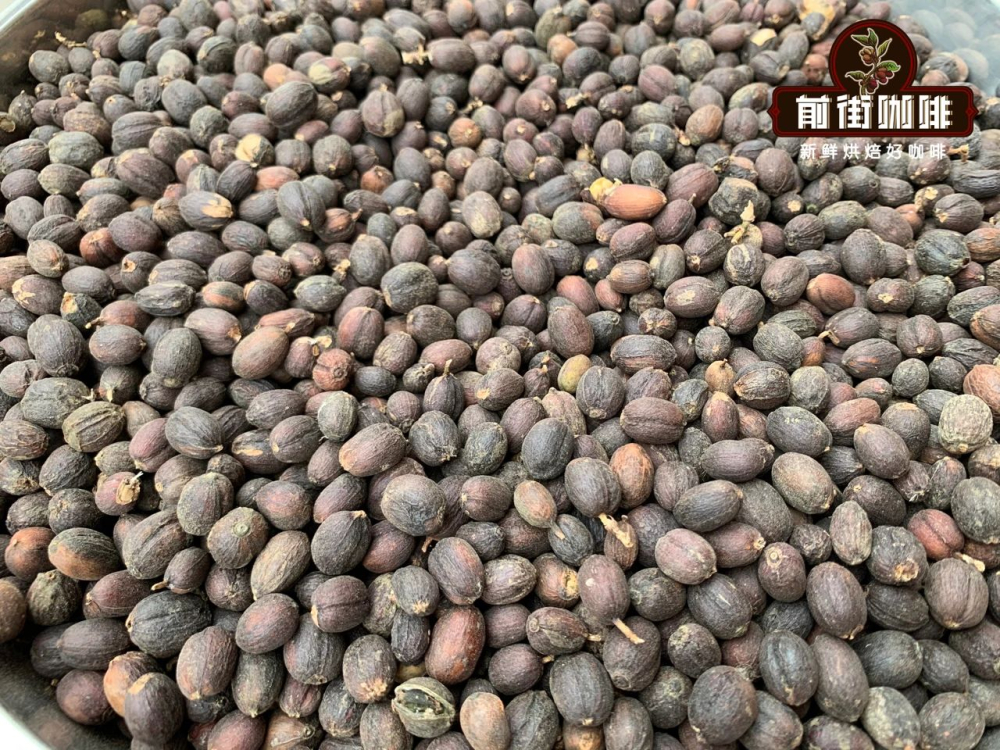
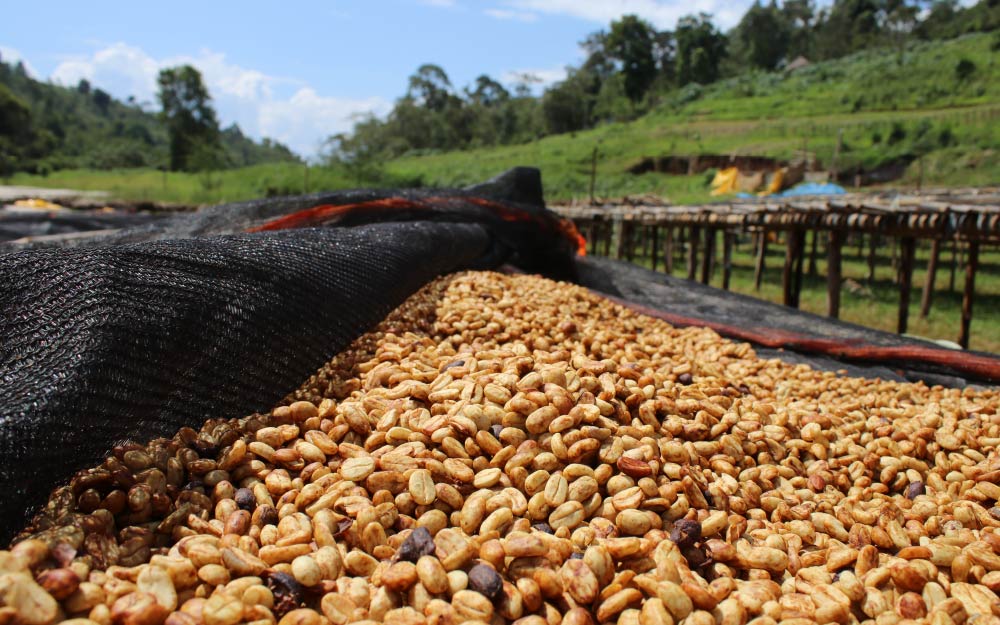
The natural process is exactly what it sounds like: harvested coffee cherries are spread out on specialized drying beds or patios and left under intense sunlight for about 2–3 weeks to dehydrate to the target moisture content. Machines then remove the dried fruit husks to yield the green beans. The great advantage of natural processing is that it depends on no water resources at all — as long as there's sufficient sunshine, it works — making it the oldest and most cost-effective processing method.
Because natural processing requires no advanced technique, nearly every smallholder can process their own coffee, and there are also dedicated stations that collect cherries from the surrounding area for centralized processing. The result is wide quality variation. Quality-focused stations invest considerable money and effort in each batch: starting with the fresh cherries, they screen out unripe fruit, overripe fruit, defective beans, and debris such as stones, any of which would taint the overall flavor of a natural lot.
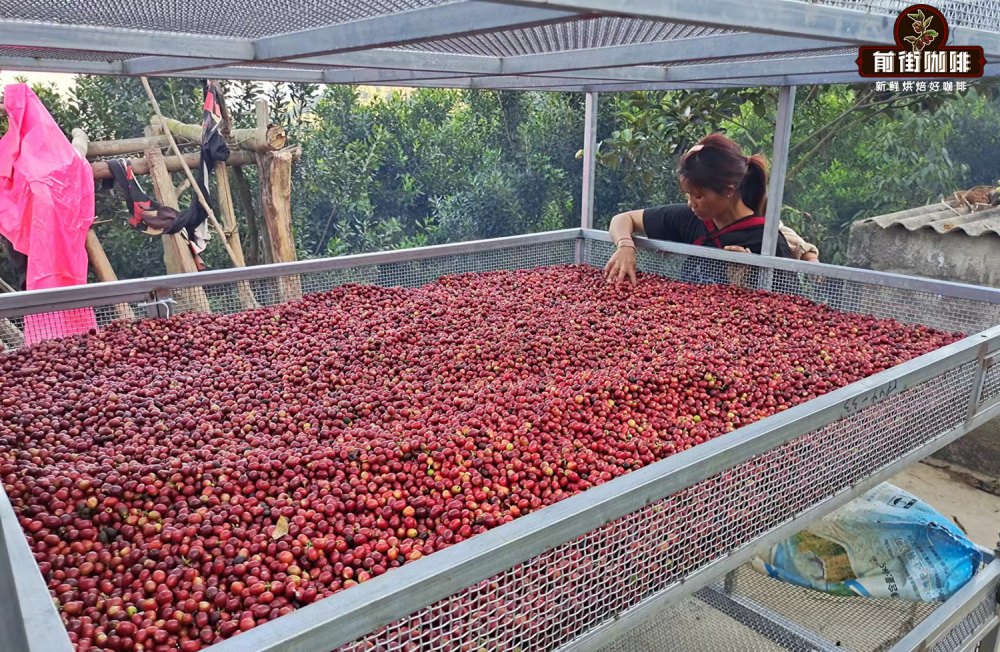
During drying, cherries are spread on raised beds, which keeps the fruit off the ground and away from crawling insects, dust, and bacteria. Throughout the drying period, dedicated staff check the cherries regularly and pick out worm-damaged, split, and moldy fruit so that a single bad cherry can't compromise the fermentation and drying of the rest. Producers with the highest standards follow exactly this refined routine — for example, FrontStreet Coffee's Ethiopia Natural Red Cherry coffee, which shows distinct tropical fruit flavors, full fermentation notes, and rich sweetness.
Natural vs. Washed
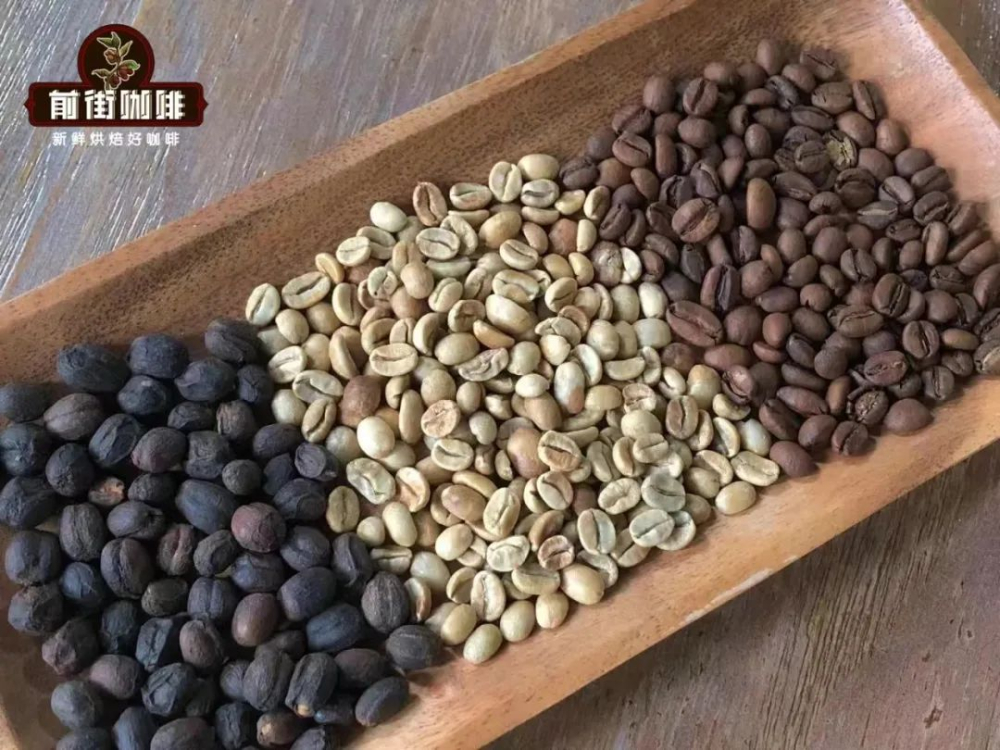
The fundamental difference is that washed processing removes every outer layer of the bean before drying, while natural processing removes nothing — the whole cherry is spread on patios or ventilated beds and dried intact. Because the beans dry with the pulp attached, they spend far more time in contact with the fruit's sugars, and more of those compounds migrate into the seed. The result is higher sweetness, heavier body, and more pronounced fruit flavors (passion fruit, strawberry, tropical fruit), with a richer mouthfeel.
Pulped Natural (Semi-Washed)
Beyond washed and natural, different origins have developed hybrid methods that fall between the two — Brazil's pulped natural process being the classic example.
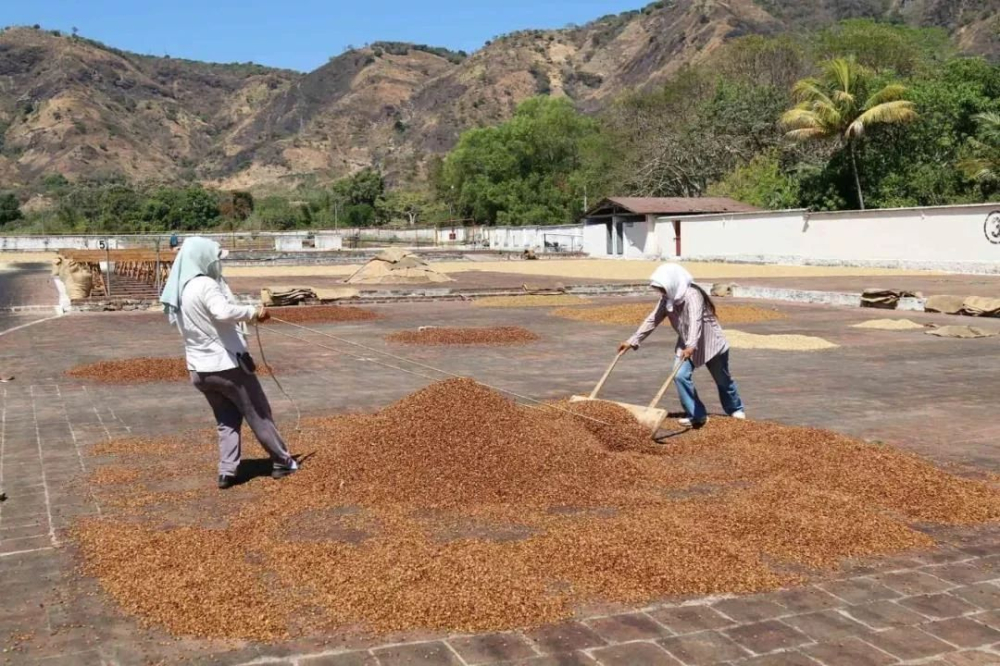
In 1990, Brazil's coffee research institution developed the pulped natural (semi-washed) method to suit the country's arid climate. The cherries have their skin and pulp removed before drying, leaving only a thin layer of mucilage, which sun-dries for 1–3 days before machine drying brings the beans to 12% moisture content; they then rest in storage containers to mellow. The method saves water, shortens processing time, and reduces the negative flavors that long processing can introduce — and it markedly improved the quality of Brazilian coffee. FrontStreet Coffee's Brazil Red Bourbon daily bean, selected from the Cerrado region and processed this way, delivers the classic Brazilian profile of chocolate, caramel, cream, and peanuts with a rich body.
Honey Process
Honey processing, hugely popular in recent years, is another derivative of the natural and washed methods. Producers first float the fresh cherries in water tanks to skim off unripe fruit and impurities, then run them through a pulping machine that removes the outermost skin layer. Here's the difference from washed coffee: after depulping, the beans are not rinsed with large volumes of clean water to strip the mucilage — the mucilage is left on for drying. Because that layer is sugary, sticky, and viscous, the method was named "honey" process. Compared with washing, it needs far less fresh water and equipment; compared with natural drying, it avoids the defects and off-flavors that come from prolonged sun exposure. Honey-processed coffee typically shows rich tropical fruit flavors and fermented sweetness in the cup, with a clean mouthfeel and bright acidity.
FrontStreet Coffee Recommendation
Want to taste these processing methods side by side? Start with FrontStreet's Yunnan small-bean coffee from Baoshan — washed and medium roasted, it shows what the washed method does best: a gentle cup of nut and chocolate sweetness with a light plum acidity and a clean expression of Yunnan terroir.
Then contrast it with FrontStreet's 2013 natural Typica from the roaster's own estate. Only fully ripe, all-red cherries are selected and dried whole in the most traditional style, and the medium roast brings out a fuller, rounder body than the washed lot — dark berry and citrus tones, a whisper of fermented wine character, caramel sweetness, and a creamy finish with a black-tea aftertaste.
And if you'd rather take Yunnan into espresso, FrontStreet's Dark Cocoa blend pairs Yunnan small-bean with Brazilian Cerrado: Brazil supplies mixed-nut aroma and a balanced backbone while Yunnan contributes chocolate and citrus, yielding an Americano with even sweetness, acidity, and bitterness and a latte as smooth as almond and cream — an easy blend for anyone new to specialty coffee.
Important Notice :
FrontStreet Coffee is a long-established specialty coffee roaster in Guangzhou China, selling freshly roasted beans from its own farm in Yunnan as well as dozens of carefully selected single-origin beans from around the world for both pour-over and espresso. The products deliver consistently excellent quality and great value, with shipping within 24 hours. Guangzhou's FrontStreet Coffee shop is recommended by many coffee lovers, and the beans are now available online at the Tmall 。
FrontStreet Coffee has moved to a new address:
FrontStreet Coffee Address: 315,Donghua East Road,GuangZhou
Tel:020 38364473
 Scan and follow the En Gafei WeChat official account. Please indicate that the reprint comes from "En Gafei".