What Are COE Auction Coffee Beans? What Are the Benefits of Purchasing Auction Coffee Beans?
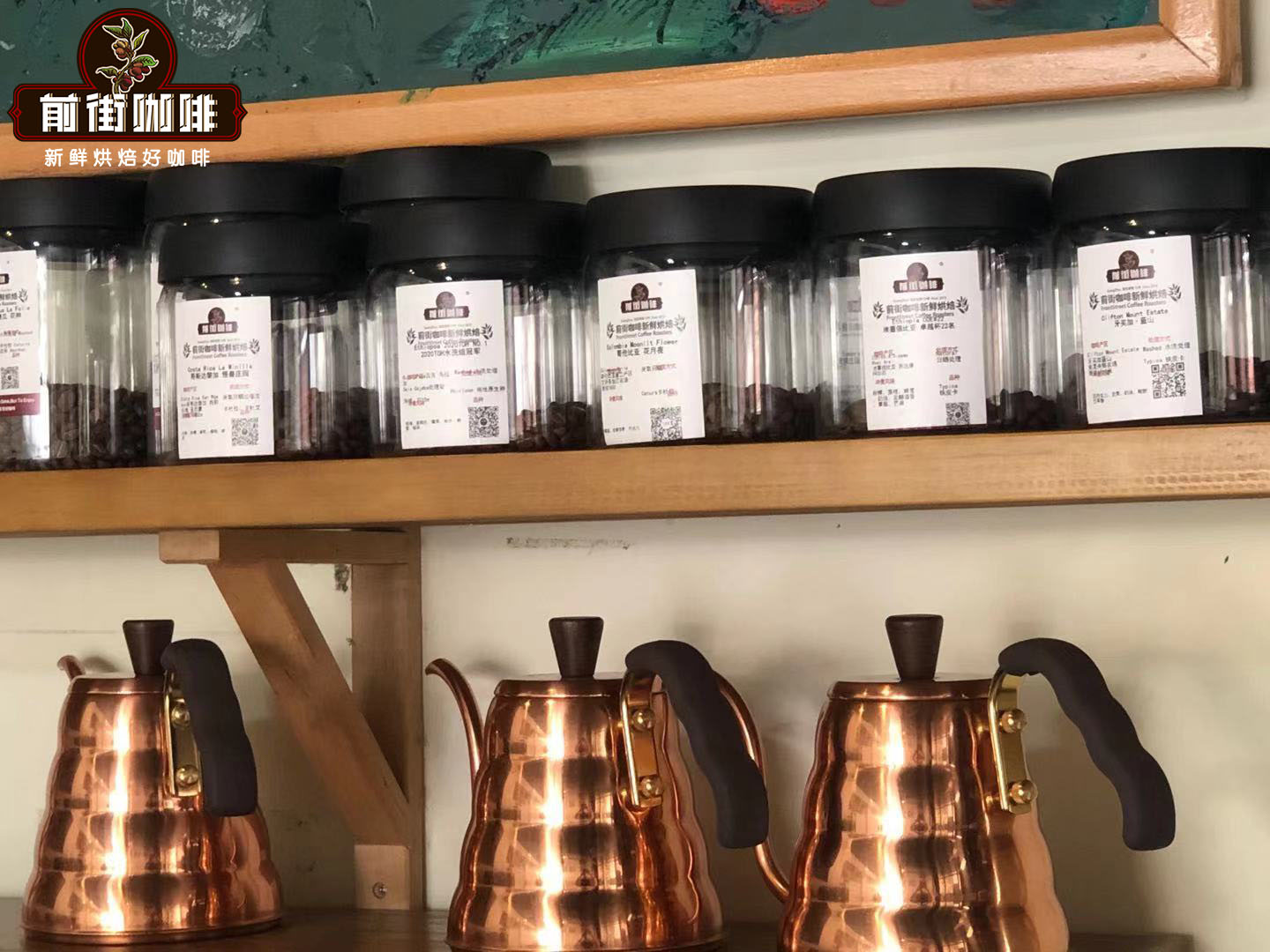
FrontStreet Coffee's Coffee Bean Selection
FrontStreet Coffee's bean menu features nearly a hundred different coffee beans, each with a unique name. Some are named after their flavor characteristics, such as Rose Valley; others are named after the estate, like Brazil Queen Estate; while still others are named after coffee competitions, such as TOH and COE.

Understanding the Cup of Excellence (COE)
In recent years, Panama Geisha coffee has dominated the scene, and the popularity of BOP (Best of Panama) has been growing steadily. But do you still remember the COE competition? What exactly is C.O.E.? Commonly, we see auction beans marked with C.O.E., which stands for Cup of Excellence - an international coffee cupping competition. C.O.E. judging is the most credible among top-tier coffee competitions. Those who emerge from this rigorous competition are the finest quality coffees from that country for that year. They must consistently maintain high scores in each cupping session to rank among the best, ultimately earning the C.O.E. award designation. The winning estate's coffee beans are then auctioned through a unified specific online bidding system, allowing buyers worldwide to purchase coffee beans in a transparent and open manner. This approach rapidly spreads the reputation of outstanding award-winning farms, while also ensuring better prices for the competition batches. It is clear how exceptional the quality of COE coffee truly is.
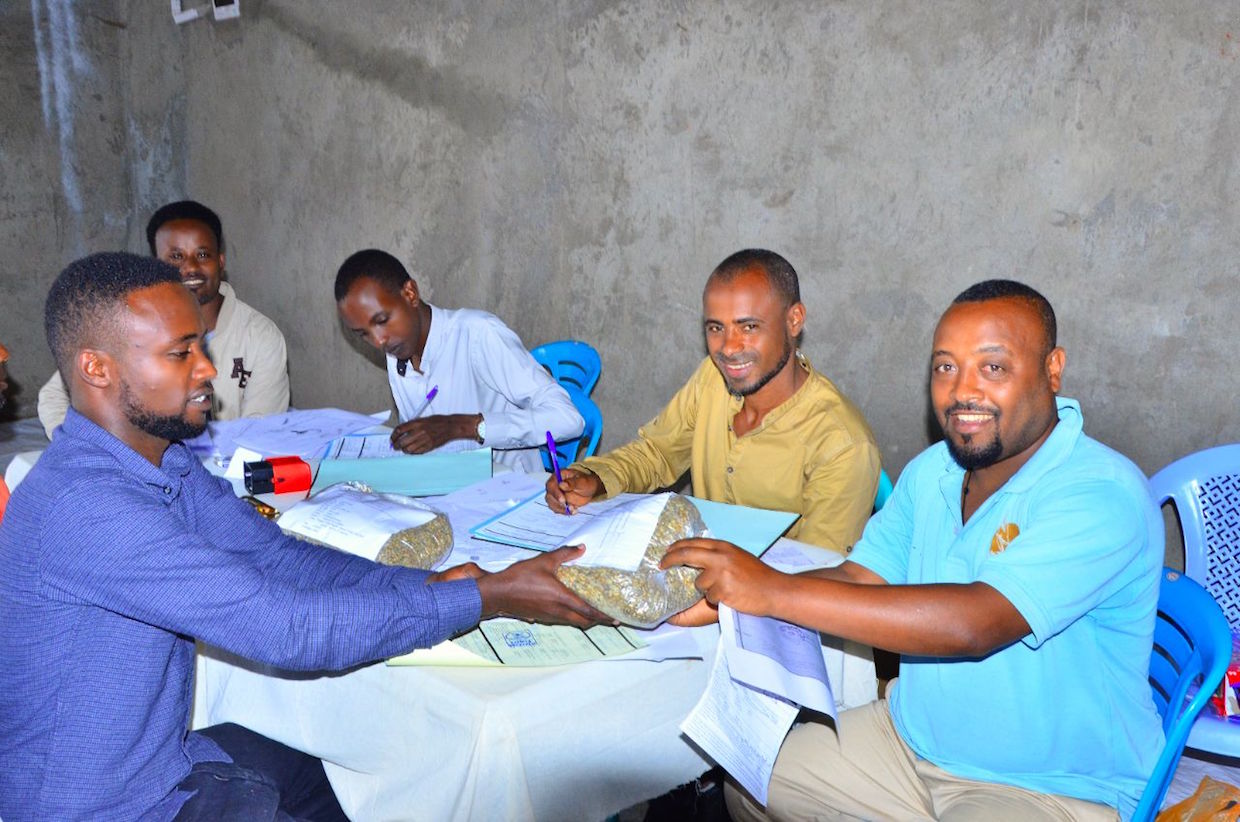
The Cup of Excellence competition format works as follows: Each coffee farmer carefully selects about 25 to 35 bags (approximately 60kg each) and sends them to the competition warehouse for storage until the auction ends. Each participating country typically has over 500 farms enter. The first stage is the preliminary round, the second stage is the semi-final, and the third stage is called the TOP 10. In each stage, the total score of all individual categories must reach at least 84 points to qualify. Under this strict competition system, only about 20-30 farms or estates remain, ranked by their scores for the auction bean placement.
The Excellence of COE Award Winners
Every coffee that wins an award in C.O.E. certainly possesses its own unique characteristics. To emerge victorious among numerous farms requires overcoming rigorous challenges, and the quality is undoubtedly the finest among all participating farms. Competition beans themselves have minimal defects and insect damage, with high consistency in bean size, uniform color, and even expansion and color development after roasting. The flavor reflects the growing environment, soil, topography, and even the green bean processing method, creating distinctive tastes. Although coffee beans from the same farm may have minor variations, the auction beans are absolutely the finest selection from that farm.
With C.O.E. competition experience, it becomes easier to establish information and connections with international buyers in production, transportation, and marketing. This helps address concerns from foreign buyers. For small-production farms of about 30-40 bags, it is easier to directly trade with more small international coffee buyers without going through intermediaries or large coffee traders, benefiting both parties. Beyond eliminating the profits of intermediaries or large coffee traders, the main benefit is saving on shipping costs and tariffs between countries. This is the driving force behind coffee producers' efforts.
Award-winning estates receive C.O.E. recognition for their quality improvement efforts, not only gaining a major award but also ensuring farmers receive deserved prices and returns for their hard work. Participating in C.O.E. competitions not only motivates farmers to dedicate themselves to improving quality and elevating coffee bean standards but also helps create a specialty coffee market.
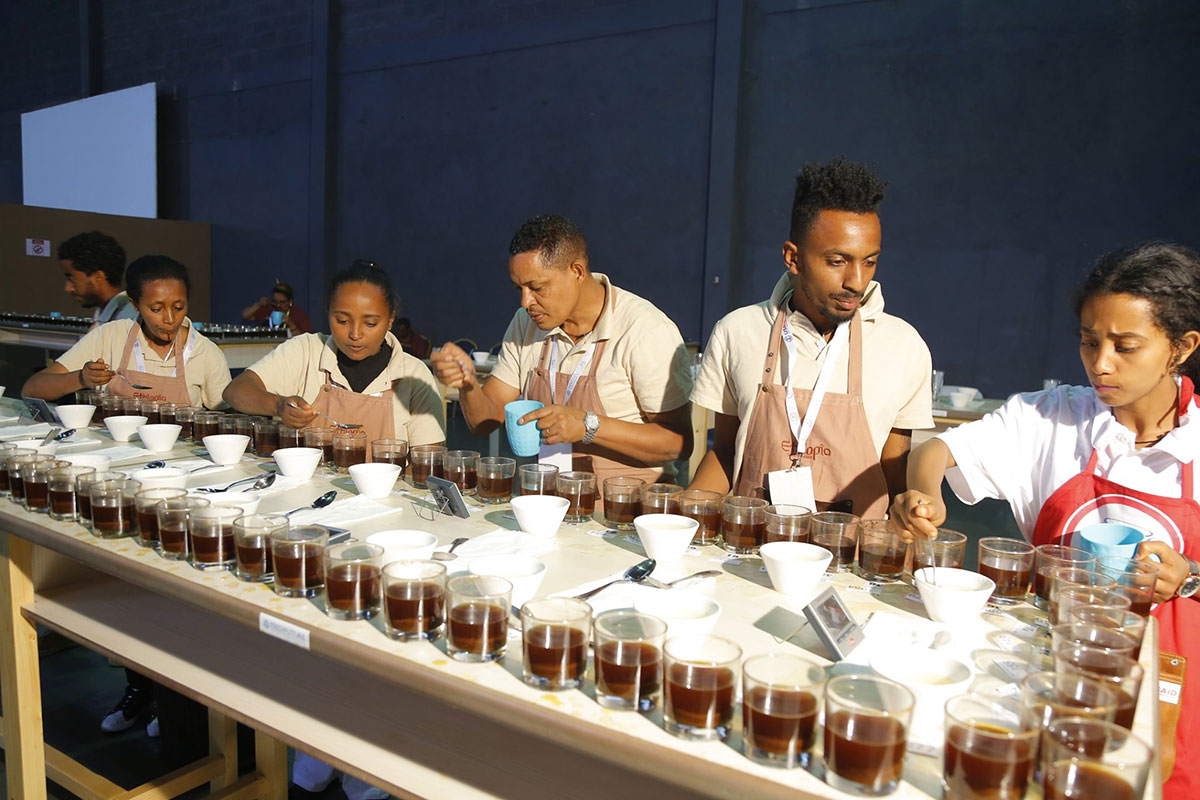
FrontStreet Coffee's COE Selection
Given how representative the COE competition is, how could FrontStreet Coffee miss out? As mentioned earlier, FrontStreet Coffee's bean menu includes a bean from COE. The Cup of Excellence competition has been held annually in various coffee-producing countries since 1999, but it was not until 2020 that Ethiopia, the birthplace of coffee, hosted its first-ever COE competition.
FrontStreet Coffee also participated in purchasing auction coffee beans during Ethiopia's first COE competition. FrontStreet Coffee's COE22 stood out among 28 coffee beans in the 2020 Ethiopia COE competition, ranking 22nd that year with a score of 87.64.
FrontStreet Coffee's COE22 coffee bean is a natural processed Typica from the Arsi region of Sidamo, grown by Adem Banta Sute.
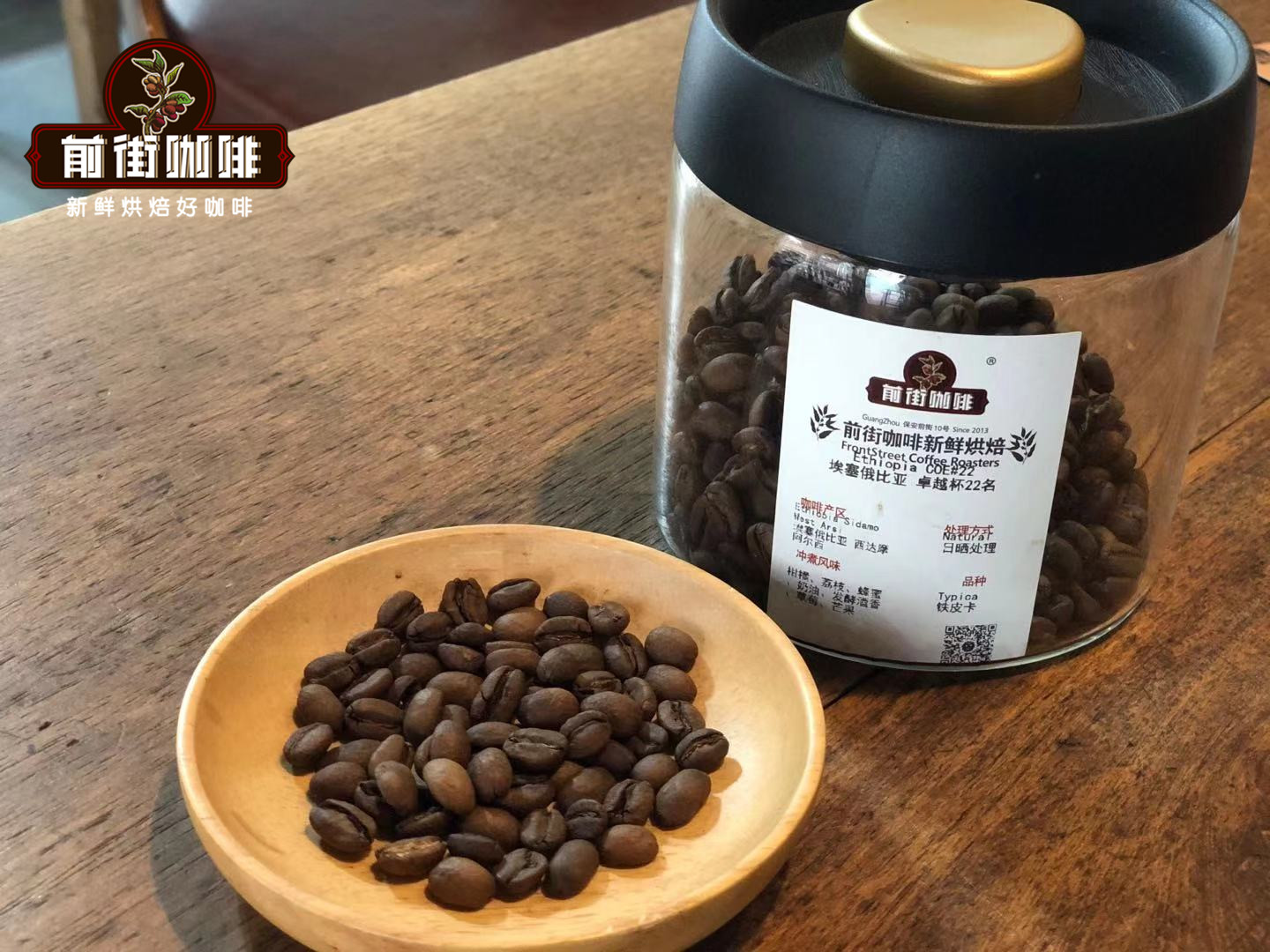
Coffee Details
FrontStreet Coffee: Ethiopia · Cup of Excellence 22nd Place
Region: Ethiopia · Sidamo Arsi
Grower: Adem Banta Sute
Variety: Typica
Processing: Natural Process
This coffee bean from FrontStreet Coffee comes from the Sidamo region, where coffee is grown at altitudes between 1,400 and 2,000 meters. Sidamo region coffees offer diverse flavors, with different soil types, microclimates, and countless native coffee varieties creating distinct differences and characteristics in the coffees produced by each town within the region. Sidamo coffee beans are mostly processed using the natural method, and FrontStreet Coffee believes that natural processing gives Sidamo region coffee beans wild berry cream flavors and a smooth mouthfeel. FrontStreet Coffee's Sidamo coffee bean is also processed using the natural method.
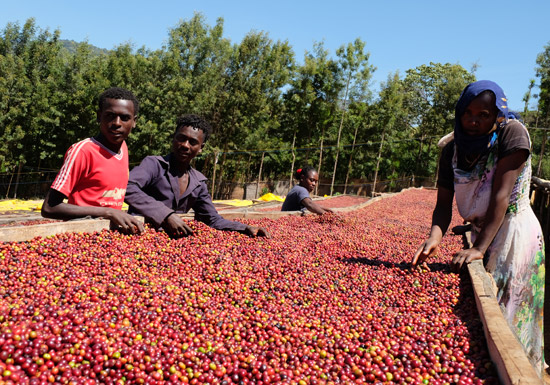
Natural Processing Method
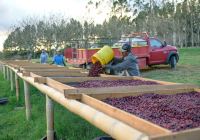
Natural processing is the most primitive and traditional post-harvest processing method for coffee beans. After harvesting and selecting fully mature, usable red coffee cherries, the entire fruit is spread evenly on raised beds for sun drying. Before the coffee beans reach 25% moisture content, they need to be manually turned evenly every 30 to 60 minutes to avoid unpleasant over-fermentation flavors. This high-intensity manual labor method of drying on raised beds keeps coffee fruits away from the ground and prevents defect flavors and off-tastes during sun drying, creating attractive and pure fruit flavors. After about two weeks of sun drying, the dark brown coffee fruits are stored until shipment, when the fruit pulp, mucilage, and parchment layer are removed. Through cupping comparisons of washed, honey-processed, and natural-processed coffee beans, FrontStreet Coffee found that naturally processed coffee beans possess stronger fruit aroma and sweetness.
FrontStreet Coffee's Roasting and Brewing Recommendations
FrontStreet Coffee's roaster, when roasting this bean, considered highlighting the coffee's excellent acidity and adopted a medium-light roast degree. Due to the medium-light roast, FrontStreet Coffee recommends using a higher water temperature, a medium-fine grind, and a Hario V60 dripper for brewing.
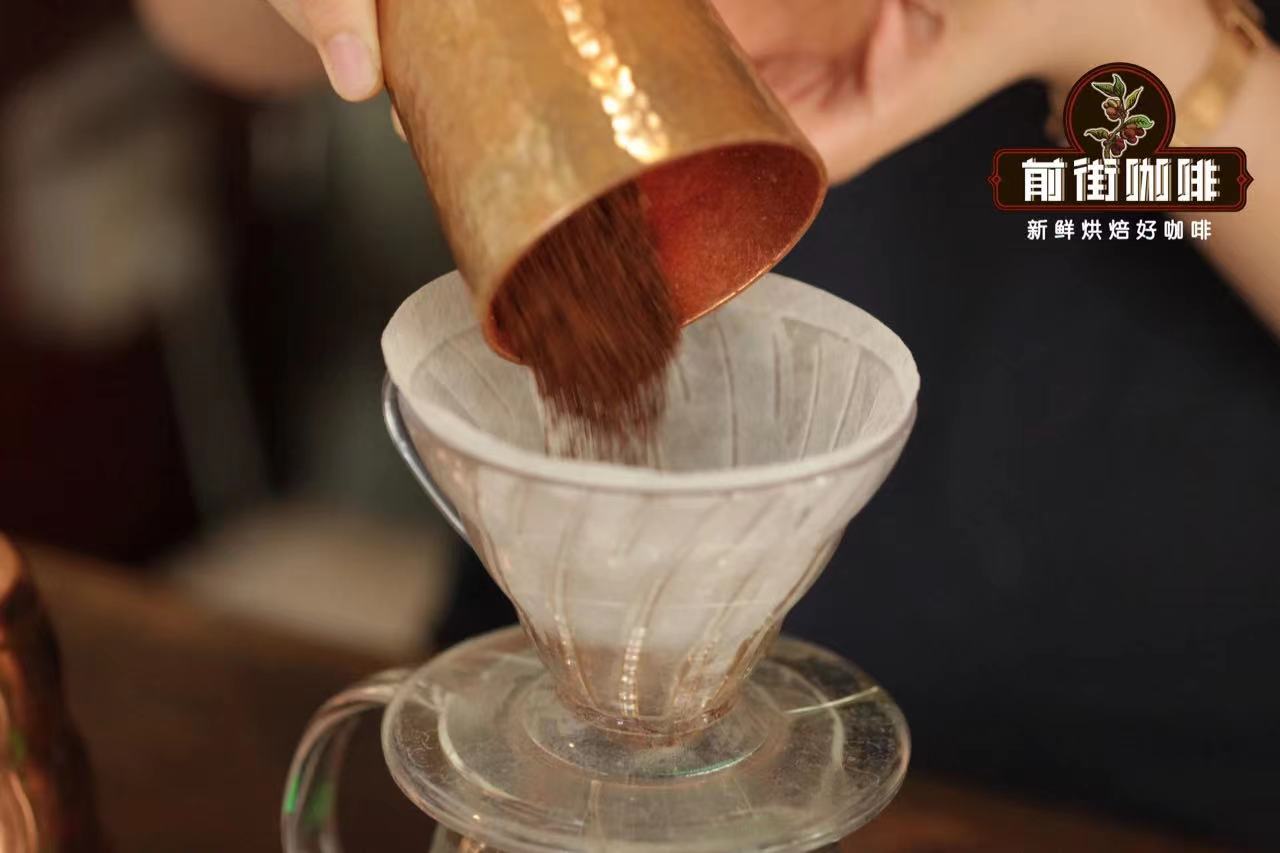
Brewing Parameters
Dripper: Hario V60
Water Temperature: 91°C
Dose: 15g
Ratio: 1:15
Grind Size: Medium-fine (80% pass-through on China standard #20 sieve)

First, pour 30g of hot water for a 30-second bloom, then slowly pour in a small circular motion to 125g for the second pour. When the water level in the dripper drops to 1/3, continue pouring to 225g for the third pour, then stop pouring. Wait until all water has dripped completely into the server below, then remove the dripper. Total extraction time is approximately 2 minutes.
FrontStreet Coffee Recommendation
A high COE score is a benchmark of quality, and FrontStreet Coffee carries that standard into its own menu. The Ethiopia COE22 - a natural-processed Typica from Sidamo Arsi grown by Adem Banta Sute - ranked 22nd at the 2020 Ethiopia Cup of Excellence with 87.64 points, and it is brewed best at 91°C with a 15g dose and a 1:15 ratio on a V60. For a Geisha comparison, FrontStreet's Panama Emerald Estate Red Label Geisha and Boquete Geisha show the floral, citrus, and tea-like elegance that top auction coffees are known for.
Important Notice :
FrontStreet Coffee is a long-established specialty coffee roaster in Guangzhou China, selling freshly roasted beans from its own farm in Yunnan as well as dozens of carefully selected single-origin beans from around the world for both pour-over and espresso. The products deliver consistently excellent quality and great value, with shipping within 24 hours. Guangzhou's FrontStreet Coffee shop is recommended by many coffee lovers, and the beans are now available online at the Tmall 。
FrontStreet Coffee has moved to a new address:
FrontStreet Coffee Address: 315,Donghua East Road,GuangZhou
Tel:020 38364473
 Scan and follow the En Gafei WeChat official account. Please indicate that the reprint comes from "En Gafei".