Can You Brew Coffee Beans Immediately After Purchase? 5 Essential Secrets You Must Know Before Making Coffee!
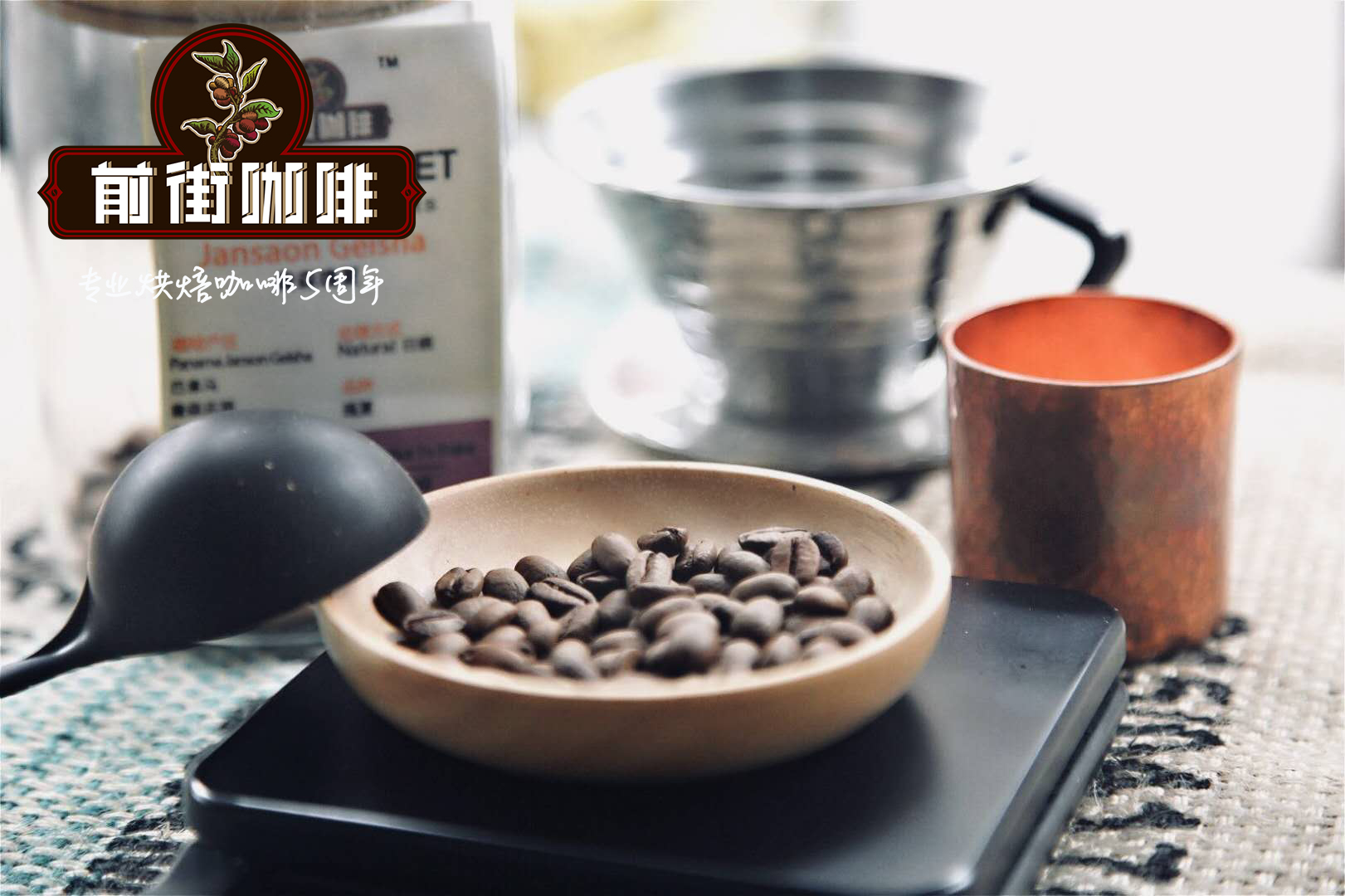
Can You Brew Coffee Beans Right After Buying Them? Five Essentials Before You Brew
Brewing your own coffee lets you choose the flavors you love, guarantees a fresh and aromatic cup, and — best of all — the ritual itself is one of life's quiet pleasures. Yet many beginners find their homemade coffee always falls short of what the pros pour. The good news: brewing great coffee is not difficult. As the old saying goes, to do good work you must first sharpen your tools. Master a few key points and you can easily reach the flavor you're after.
Tip 1: Start with Fresh Beans
Coffee beans are like bread — their deliciousness depends on how recently they left the roaster. Beans are at their peak 2–3 days after roasting, after which flavor gradually declines; two weeks is the ideal shelf life. Always check the roast date before buying so you know exactly how fresh the beans are. Fresh beans are the non-negotiable foundation of good coffee.
Packaging matters too. Dark-colored, airtight bags fitted with one-way degassing valves are the best choice. Buy about a week's worth at a time and store it in a cool place. If you buy more than two weeks' worth, freeze it in sealed packaging to preserve as much flavor as possible.
Tip 2: Grind Fresh, Brew Fresh, Drink Immediately
Ground coffee begins losing flavor the moment it is ground. Grind and brew fresh to enjoy coffee's most original character.
Grinding is a science in itself. Different grinders produce particles of different fineness and uniformity, and the flavor follows. Finer grounds yield richer flavor — researchers have noted that finer coffee extracts at higher rates, drawing out more organic acids and phenolic antioxidants. The key is matching grind size to your brewing equipment.
Freshly brewed coffee is also at its best flavor right away. The recommended drinking temperature is 50–70°C, where the coffee's flavor reads most clearly. Pour into a pre-warmed mug and drink within 10 minutes — no more than 45 minutes at the outside. Reheating, or letting coffee sit on a heat source, will ruin the flavor.
Tip 3: Keep Your Equipment Clean
Unlike tea, coffee brewed in a grimy pot tastes terrible. Clean grinders and brewing equipment thoroughly after each use, and once a month, rinse them with vinegar or a dedicated cleaning solution to dissolve accumulated mineral deposits.
Tip 4: Use Good Water and Good Filter Paper
Water makes up more than 95% of a cup of coffee — if the water doesn't taste good, neither will the coffee. Bottled spring water is the best option; if you use tap water, filter it first. Water containing chlorine is unusable, and distilled water lacking minerals is also not recommended.
Filter paper affects taste as well. Thicker papers (such as American Chemex filters) remove more fines and impurities, producing a cleaner cup. If you've bought lower-quality, paper-flavored filters, rinse them with hot water first to keep their taste out of your brew.
Tip 5: Mind Your Dose and Water Temperature
The standard coffee-to-water ratio is 8.25 grams of ground coffee per 150 cc of water, adjustable to your preferred strength. Under-dosing inevitably produces a thin, weakly flavored cup — no brewing technique can compensate.
Whichever method you use and whichever flavor profile you prefer, these five principles are the unchanging foundation of a good cup of coffee. Ready to brew something satisfying?
FrontStreet Coffee Recommendation
If you're stocking up on fresh beans to put these tips into practice, a well-chosen medium roast is the most forgiving place to start — dark roasts grow more bitter and full-bodied, light roasts more acidic and delicate, and medium hits the balance in between. FrontStreet Coffee's Queen Estate from Brazil, a rare Yellow Bourbon, shows creamed peanut, chocolate, toasted bread, and sugarcane sweetness at a medium roast, working equally well as pour-over, moka pot, or espresso.
For a sweeter medium-roast cup, the "Strawberry Candy" blend pairs a honey-processed Costa Rican component with washed Panama Geisha for orange-blossom aromatics and rounded sweetness across cold brew, pour-over, and espresso. Yunnan drinkers should try the 2013 natural Typica — nuts, brown sugar, black tea, and dried apricot with a clean, gentle profile — and Jamaica Blue Mountain No. 1 remains the benchmark: roasted medium so acidity, bitterness, sweetness, and body fuse into chocolate, roasted nuts, cream, and caramel that no other coffee quite matches.
Important Notice :
FrontStreet Coffee is a long-established specialty coffee roaster in Guangzhou China, selling freshly roasted beans from its own farm in Yunnan as well as dozens of carefully selected single-origin beans from around the world for both pour-over and espresso. The products deliver consistently excellent quality and great value, with shipping within 24 hours. Guangzhou's FrontStreet Coffee shop is recommended by many coffee lovers, and the beans are now available online at the Tmall 。
FrontStreet Coffee has moved to a new address:
FrontStreet Coffee Address: 315,Donghua East Road,GuangZhou
Tel:020 38364473
 Scan and follow the En Gafei WeChat official account. Please indicate that the reprint comes from "En Gafei".