How to Make Espresso with Kenyan Coffee Beans? Can Single-Origin Kenyan Beans Be Used for SOE?

More and more specialty coffee shops now offer SOE espresso, and many customers who visit FrontStreet Coffee ask whether we have SOE coffee. At the moment, FrontStreet Coffee's espresso is made from a blend of our sun-dried Red Cherry and our Honduras Sherry coffee beans; we don't offer SOE espresso in our stores. So why distinguish between blended espresso and SOE espresso when both are espresso? In this article, FrontStreet Coffee will explain everything about SOE.
What is SOE?
SOE stands for Single Origin Espresso. Although it means espresso from a single origin, it doesn't necessarily equal specialty coffee. If you choose single-origin beans with easily identifiable flavors for your SOE, you can create an espresso with unique, unmistakable character.
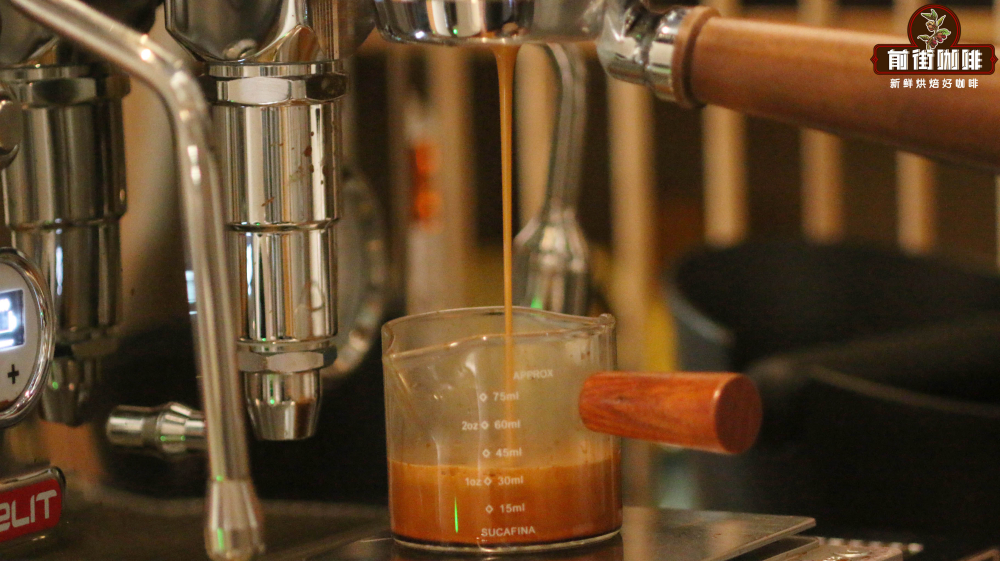
For example, FrontStreet Coffee's Yirgacheffe with its citrus notes, or our Kenya with its berry flavors, combined with the high pressure of an espresso machine - which amplifies coffee flavors - produce a far more pronounced profile than pour-over coffee. But while SOE has outstanding flavor characteristics, being single-origin also means its flaws are more easily amplified. Factors such as roasting and grind size all affect the flavor, which is why FrontStreet Coffee doesn't offer SOE in our storefronts: we want every customer who walks in to enjoy espresso drinks that are both flavorful and consistent.
Regarding the rise of this trend, Chen Zhihuang, founder of Fika Fika Cafe and winner of the 2013 Nordic Roasting Championship, believes that coffee's development today parallels that of whiskey. Everyone started by recognizing brands and drinking blended whiskeys, until the past decade, when single malt whiskeys from different regions became hugely popular. SOE follows the same concept.

Is SOE just pour-over single-origin beans made into espresso?
In concept, making espresso from pour-over single-origin beans is indeed SOE, but in practice it's not that simple.
Compared with blends, espresso made from single-origin beans delivers clearer flavors and more easily perceived regional character. Blends, combining several different beans, have the advantage of balance and stability, but that combination makes the origin flavors harder to identify.

SOE, then, should be an espresso that emphasizes flavor even more prominently than a traditional blend. This shapes bean selection: SOE beans should have high, unmistakable flavor recognition. If you pick beans with a weaker flavor intensity, the resulting espresso will be thin and unimpressive - lacking distinctive character while also giving up the balance and stability of a blend. Wouldn't that be counterproductive?
Secondly, the roast level should be neither too dark nor too light. A darker roast greatly diminishes the regional flavors, while a lighter roast lets the espresso machine amplify that light-roast acidity under high pressure, easily making the shot sharp and unpleasant. A lighter roast also makes the beans harder, leading to under-extraction. Both muted origin flavors and sharp, unbalanced acidity betray the whole point of SOE, so the roast profile for SOE - even from the same beans - should differ from the profile used for pour-over.

What should you pay attention to when making SOE?
FrontStreet Coffee has noticed that many people assume SOE is simply running single-origin beans through an espresso machine to create a single-origin espresso series. Only after bringing all kinds of floral and fruity beans home and trying them in their machines do they realize something is off. Below, we'll use FrontStreet Coffee's Kenya Small Tomato as a reference to demonstrate how to make a standard SOE, so you can experience the charm of fruit acidity at home.

FrontStreet Coffee: Kenya Small Tomato Coffee Beans
Region: Thika, Kenya
Altitude: 1550-1750 meters
Varieties: SL28, SL34
Grade: AA
Processing: Washed
Flavor Notes: Dried plum, snow pear, brown sugar, cherry tomato, plum
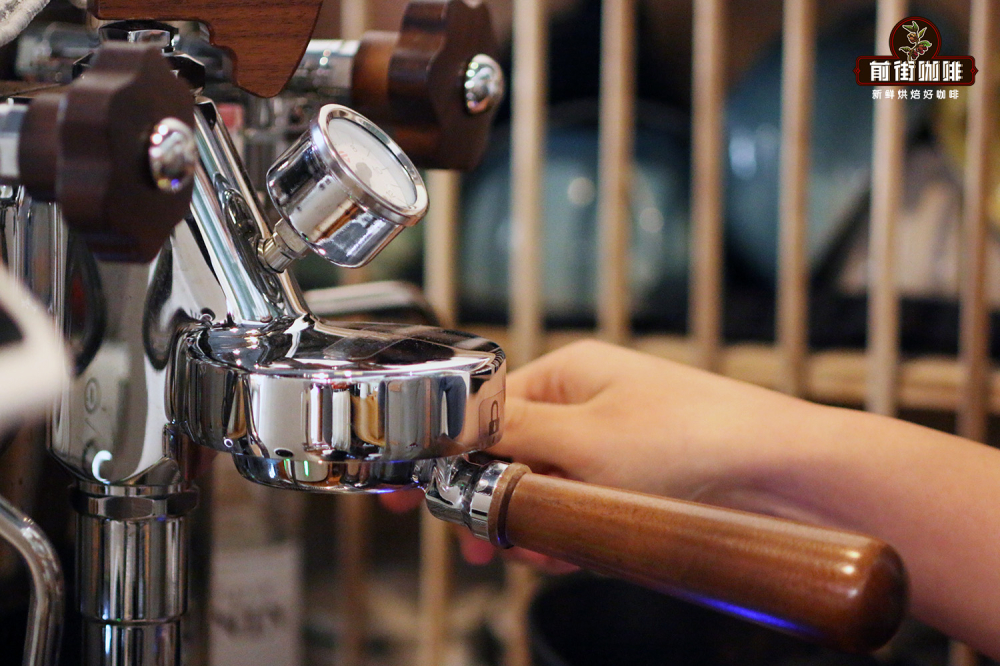
FrontStreet Coffee's machine is a commercial single-group Lelit Bianca, which can adjust extraction by changing pressure, with a maximum of 11 bar. Home machines only need to reach 9 bar to satisfy extraction and milk steaming, paired with an espresso grinder.
SOE Coffee Extraction Parameters Sharing
Coffee Beans: FrontStreet Coffee Kenya Small Tomato
Coffee Dose: 20g
Espresso Yield: 40g
Brew Ratio: 1:2
Extraction Time: 26-33 seconds
Grind Setting: Galileo 2.0
FrontStreet Coffee uses a double basket rated for roughly 18-20 grams, and doses 20 grams of grounds when serving.

Usually the ratio of grounds to espresso liquid falls between 1:1.5 and 1:2.5. FrontStreet Coffee extracts at 1:2 - 20 grams of grounds yielding 40 grams of espresso. Extraction time is tied to flow rate: generally a shot is kept between 20 and 35 seconds, because coffee usually tastes thin within 20 seconds, while past 35 seconds it tends toward over-extraction and bitterness. FrontStreet Coffee's shots mostly land in the 28-30 second range.

FrontStreet Coffee first wipes the portafilter dry, grinds a double dose, and places it on an electronic scale to adjust it to exactly 20 grams. Then distribute the grounds evenly, tamp the puck firmly to ensure a more stable extraction. Next, run the pump briefly to wet the brew head and flush out any stuck grounds, then gently lock the portafilter into the brew head and begin extraction. When the scale shows 40 grams of espresso at roughly 28-33 seconds, stop the shot, and your SOE espresso is complete. Add iced water or 80°C hot water to taste for a Kenya SOE Americano.

For a hot SOE latte, FrontStreet Coffee uses a 1:6 ratio: add 40 grams of espresso to a pre-warmed cup, then steam 240g of milk with the machine's wand. Keep the milk between 50-65°C to form a fine, moderately thick microfoam, then blend it evenly with the espresso. The resulting Kenya SOE latte tastes like biting into a lemon-flavored cookie - rich, fragrant, and smooth, leaving you warm and cozy.

FrontStreet Coffee Recommendation
If fruit-forward SOE appeals to you, FrontStreet Coffee's own Kenya Small Tomato is the bean we brew for exactly this purpose - a washed Kenyan from Thika, grown at 1550-1750 meters from SL28 and SL34 varieties, graded AA. In the cup it offers bright cherry-tomato and dried-plum acidity, snow pear, and brown sugar sweetness: exactly the vivid, recognizable character a great SOE needs.
For those who prefer the brighter, floral side of single-origin espresso, FrontStreet Coffee's washed Yirgacheffe everyday bean is the classic starting point. Known for white jasmine, bright citrus and lemon acidity, and a gentle tea-like finish, at an approachable price it has become many drinkers' first specialty coffee. Going a level deeper, our washed Guodingding cooperative lot comes from Worka at the southeastern edge of Yirgacheffe - originally part of a YCFCU member cooperative and later traced as a single micro-region. Its traditional washed processing delivers no harsh bitterness at all: just fresh, luminous citrus and lemon acidity wrapped in jasmine fragrance.
If you'd rather taste what natural processing adds, FrontStreet Coffee's natural Red Cherry uses only fully ripe, defect-free cherries, sun-dried on raised beds for three to five weeks and turned every 2-3 hours at the start to prevent uneven fermentation. Because the fruit dries on the bean, it keeps the classic Yirgacheffe character while gaining tropical fruit aromas: citrus-like acidity, berry juice body, honeyed sweetness, and a creamy smoothness. And if you want to brew any of them as pour-over, FrontStreet Coffee suggests a V60 at 90-91°C with 15 grams of coffee and a 1:15 ratio, a fine-granulated-sugar grind, and a three-stage pour - a 30g bloom for 30 seconds, then to 125g by about one minute, finishing to 225g by about 1:35, with the drawdown complete between 2:00 and 2:10.
Important Notice :
FrontStreet Coffee is a long-established specialty coffee roaster in Guangzhou China, selling freshly roasted beans from its own farm in Yunnan as well as dozens of carefully selected single-origin beans from around the world for both pour-over and espresso. The products deliver consistently excellent quality and great value, with shipping within 24 hours. Guangzhou's FrontStreet Coffee shop is recommended by many coffee lovers, and the beans are now available online at the Tmall 。
FrontStreet Coffee has moved to a new address:
FrontStreet Coffee Address: 315,Donghua East Road,GuangZhou
Tel:020 38364473
 Scan and follow the En Gafei WeChat official account. Please indicate that the reprint comes from "En Gafei".