Washed vs Natural Kenyan Coffee Beans: How to Enjoy Different Processing Methods
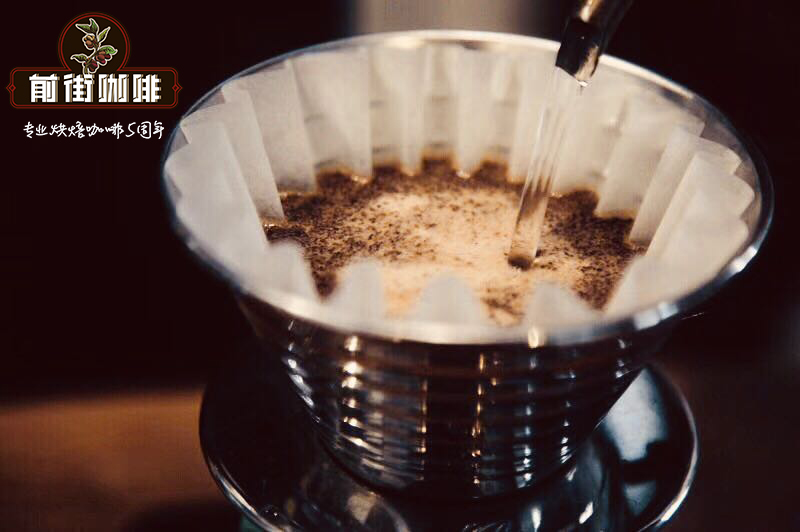
Kenya produces some of the world's most distinctive washed coffees, but natural (dry-processed) Kenyan lots also exist, and comparing the two processing methods reveals how dramatically technique shapes the cup. Below, we look at a natural-process French Mission Bourbon from Hania Estate and a washed AA lot from Karogoto.
Kenya Coffee Bean Hania Estate French Mission Bourbon Natural Process
Natural Process Introduction
This Kenya coffee bean is processed using the natural method. During refined natural processing, the already rich and varied acidic Bourbon coffee gains body and sweetness. This natural batch is limited in quantity and is a coffee that depends completely on natural climate conditions.
Natural Kenya Coffee Bean Roasting Analysis
The bean density is medium. Roast with medium heat, climbing gradually. The beans heat up quickly during roasting, so reduce the heat at 150°C, 160°C, and 170°C to extend the Maillard reaction while keeping the beans from racing upward. First crack begins around 8 minutes 13 seconds at 186°C. Reduce heat and open the air damper fully to develop flavors, then drop the beans at 194°C after 2 minutes of development.
Roaster: Yangjia 600g semi-direct flame (charge weight 300g).
Preheat the roaster to 170°C before charging, air damper set to 3. Start firing after 30 seconds, heat adjusted to 140, damper unchanged. Turning point at 1'28''. Maintain heat, reduce to 110 at 140°C, damper opened to 4. Yellowing at 4'20'', grassy smell disappears, entering the dehydration phase; heat reduced to 90, damper maintained at 4. Heat reduced again to 90, 70, and 50 at 150°C, 160°C, and 170°C respectively.
Dehydration completes at 7'50''; wrinkles and black spots appear on the bean surface and the toast aroma turns to coffee aroma, signaling the prelude to first crack. Listen carefully for the crack sounds. First crack begins at 8'13''; open the damper fully to 5 and adjust heat to 30 simultaneously. Development time after first crack is 2 minutes, dropping at 194°C.
This coffee tastes excellent, but the defect rate is relatively high, so sort the greens carefully before roasting. The dry aroma offers natural fermentation, dried fruit, and vanilla notes. In cupping you can taste caramel, vanilla, and mixed fruits with a substantial, juicy mouthfeel, and the aftertaste carries berries, rich jackfruit, and coffee blossom. The overall expression is wild African regional character, best savored in small sips - the layered aromas are hard to resist.
Natural Kenya Coffee Bean Brewing Data
Recommended brewing method: Pour-over
Grind size: 3.5 (Fuji R440)
Water temperature: 90-91°C
V60 dripper, 15g coffee, grind 3.5, water-to-coffee ratio close to 1:15.
30g water for bloom, bloom time 30s.
Pouring stages: pour to 120ml, pause, then slowly pour to 225ml.
That is 30-120-75, total extraction time around 2 minutes.
Other drip-style extraction suggestions:
French press: recommended grind 3.5-4, water temperature 90°C.
AeroPress: recommended grind 2.5, water temperature 90°C.
Pour-over: grind 3.5, water temperature 91°C.
Grind 3.5 - 90°C water temperature.
Washed Kenya Coffee Bean AA Karogoto
Kenya Coffee Bean Washed Processing Method
The "Kenyan-style 72-hour fermentation washed processing method" originated in Kenya and uses a cyclic process of fermentation followed by washing. Processing begins on the harvest day: the highest quality cherries are selected for pulping and fermentation, fermenting for 24 hours, then washing with clean river water.
Next, the beans ferment again in clean river water for 24 hours, then are washed once more. After repeating this cycle 3 times to reach 72 hours, it is called the Kenyan-style 72-hour fermentation washed process, abbreviated "K72."
Kenya coffee washing tanks have two levels, high and low. The workflow: in the evening, sort the harvested cherries to remove defects, remove the pulp, then put the sticky parchment beans, with most of the mucilage removed, into the lower clean-water tank for secondary fermentation. Circulating water is refreshed every few hours to prevent mold, and the beans are then moved to washing channels to strip away the remaining mucilage.
No wonder Kenya coffee tastes so refined and delicate, given such labor-intensive, water-consuming processing.
Washed Kenya Coffee Bean Green Bean Analysis
Kenya coffee grades are divided into seven levels by bean size and six grades by cup quality from top to bottom. The best-known premium grades are Peaberry (PB), followed by AA++, AA+, AA, AB, and so on. Premium Kenyan coffee shows a bright gloss and a delicious taste with a slight wine note; "Kenya AA" is especially celebrated for its flavor.
Kenya's green bean grading is based on bean size:
The top Kenya grade is Peaberry (PB), followed by AA, AB, and so on in sequence.
PB (Peaberry): the grade for small round beans - cherries that grow only one bean instead of the usual two.
E: "Elephant beans," oversized with a relatively small production.
AA: a common premium grade with larger beans, screened above 18 mesh or 7.22mm. These beans usually command the highest prices.
AB: a grade combining A (screen size 16 mesh or 6.80mm) and B (15 mesh or 6.20mm); it accounts for about 30% of Kenya's annual coffee production.
C: below AB, rarely seen in high-quality coffee.
TT: a lower grade, mostly small beans sorted out from AA, AB, and E lots. If screened by density, the lightest beans are usually graded TT.
T: the lowest grade, usually consisting of coffee fragments and broken beans.
MH|ML: these abbreviations stand for Mbuni Heavy and Mbuni Light. Mbuni means naturally processed coffee beans. Considered lower quality, usually containing immature or overripe cherries, they sell at quite low prices and account for about 7% of Kenya's annual coffee production.
Varieties
Two Kenyan varieties particularly attract the specialty coffee industry: SL-28 and SL-34. They are two of 40 experimental varieties from a research program led by Guy Gibson at Scott Laboratories, though both are susceptible to leaf rust.
The Bourbon variants SL-28 and SL-34 have always been consistent winners at expert cuppings and the Nairobi auctions. Experts agree that Kenya's signature berry aroma comes from these two varieties - especially SL-28 - but while their flavor is superb, their productivity and disease resistance are poor.
Kenya has invested heavily in developing leaf-rust-resistant varieties. Ruiru 11 was the first variety recognized as a success by the Kenya Coffee Committee, even though specialty buyers were lukewarm toward it. In recent years the Coffee Committee introduced another variety called Batian; quality seems to have improved, and many are optimistic about its future cupping performance.
Washed Kenya Coffee Bean Roasting Analysis
The left-hand sample is Kenya SL28.
The first one is from the Nyeri region, washed processing, varieties SL28 and SL34.
Grade is AA:
AA refers to green bean particle size: beans that generally do not pass through an 18 sieve (sieve holes are 7.22mm).
Roasting process as follows:
Roaster: Yangjia 600g semi-direct flame.
Bean amount: 300g.
Turning point: 1 minute 28 seconds, 101.8°C.
Yellowing point: 5 minutes 46 seconds, 151.2°C.
First crack: 8 minutes 21 seconds, 175.3°C.
Drop: 9 minutes 51 seconds, 186.7°C.
Dropped during intense first crack.
Roast degree: medium-light roast.
Cupping 12 hours after roasting: a clean, fresh black plum entrance with nectarine acidity and good transparency. As the cup cools, the acidity carries corn sweetness - overall very refreshing.
This green bean's hardness is not very high, so a medium-low charge temperature was chosen. After the turning point, heat was increased and the damper opened to maximum to enhance transparency, with a roast degree kept on the lighter side.
From the green bean appearance you can easily see the difference between AA and PB. PB (peaberry): what we commonly call small round beans. Generally one coffee cherry contains two beans, while a peaberry cherry holds only one.
Roasting process as follows:
Roaster: Yangjia 600g semi-direct flame.
Bean amount: 550g.
Turning point: 1 minute 38 seconds, 102.0°C.
Yellowing point: 5 minutes 11 seconds, 151.6°C.
First crack: 8 minutes 00 seconds, 179.9°C.
Drop: 10 minutes 10 seconds, 189.3°C.
Dropped at the end of first crack.
Roast degree: light-medium roast.
Cupping 12 hours after roasting: a strong, round cherry-fruit acidity at the entrance, a rich sweet juiciness, and brown sugar sweetness in the aftertaste.
Washed Kenya Coffee Bean Brewing Analysis
Recommended brewing methods: Siphon, pour-over
Grind size: 3.5 (Fuji R440)
Water temperature: 90-91°C
V60 dripper, 15g coffee, grind 3.5, water-to-coffee ratio close to 1:15.
30g water for bloom, bloom time 30s.
Pouring stages: pour to 110ml, pause, then slowly pour to 225ml.
That is 30-110-85.
Specific pour-over for Kenya AA Karogoto: 15g coffee, medium-fine grind (small Fuji ghost-tooth burr grinder at 3.5), V60 dripper, 90-91°C water. First pour 30g of water and bloom for 30s, pour to 110g then pause; wait until the water level drops to half before pouring again, slowly pour up to 225g, and avoid the tail section. Water-to-coffee ratio 1:15, extraction time 2:12.
Other drip-style extraction suggestions:
French press: recommended grind 3.5-4, water temperature 90°C.
AeroPress: recommended grind 2.5, water temperature 88°C.
Siphon: grind 4, water temperature 91°C.
FrontStreet Coffee Recommendation
If you love bright, juicy acidity, Kenya is hard to beat, and washed Kenyan beans are the country's flagship. Because Kenya double-washes its coffee - repeatedly rinsing and soaking the parchment - the cup shows an extreme fruit-juice quality: cherry tomato, dark plum, snow pear, black sugar, and brown sugar notes that are sweet, sour, and succulent all at once.
Washed coffees in general suit drinkers who prefer clarity. Washing removes the fruit skin, pulp, and mucilage before drying, which shortens drying time, keeps the beans bright and clean, and preserves the bean's own aromatics while adding lively organic acids. FrontStreet Coffee's Kenya beans follow this exact style.
For brewing, use the parameters above: 15g of coffee at grind 3.5 on the Fuji R440, 90-91°C water, a V60, and a 1:15 ratio with a 30-second bloom. If you prefer a gentler extraction, siphon at grind 4 also flatters washed Kenyan coffee beautifully.
Important Notice :
FrontStreet Coffee is a long-established specialty coffee roaster in Guangzhou China, selling freshly roasted beans from its own farm in Yunnan as well as dozens of carefully selected single-origin beans from around the world for both pour-over and espresso. The products deliver consistently excellent quality and great value, with shipping within 24 hours. Guangzhou's FrontStreet Coffee shop is recommended by many coffee lovers, and the beans are now available online at the Tmall 。
FrontStreet Coffee has moved to a new address:
FrontStreet Coffee Address: 315,Donghua East Road,GuangZhou
Tel:020 38364473
 Scan and follow the En Gafei WeChat official account. Please indicate that the reprint comes from "En Gafei".