What's the Difference Between Pour-Over Coffee and Espresso Coffee? Detailed Guide on How to Make Pour-Over Coffee
Professional coffee knowledge exchange and more coffee bean information, please follow Cafe Style (WeChat official account: cafe_style)
Introduction
Pour-over coffee is more popular than ever — but compared with the espresso everyone knows, what actually separates these two forms of coffee? For many coffee lovers, the distinction is a bit fuzzy.
Coffee Beans
Pour-over Coffee:
Pour-over typically starts from single-origin beans, with roast levels spanning light, medium, and dark. Usually that means a roast level of roughly 9–13 on the scale shown in the image below.
Espresso:
A coffee shop's espresso blend is called the House Blend, used extensively in espresso-based drinks like cappuccino, Americano, and latte. Most are roasted darker to stand up to milk and hot water. Making espresso well requires a professional grinder — itself a crucial foundation for quality shots.
Espresso beans typically sit at a roast level of roughly 13–16 on the scale shown above.
Brewing Methods
Pour-over Coffee:
Pour-over mostly uses a drip cone, meaning extraction happens at atmospheric pressure (one bar). Even with equipment like moka pots or AeroPress, extraction pressure tops out around three bars.
Espresso:
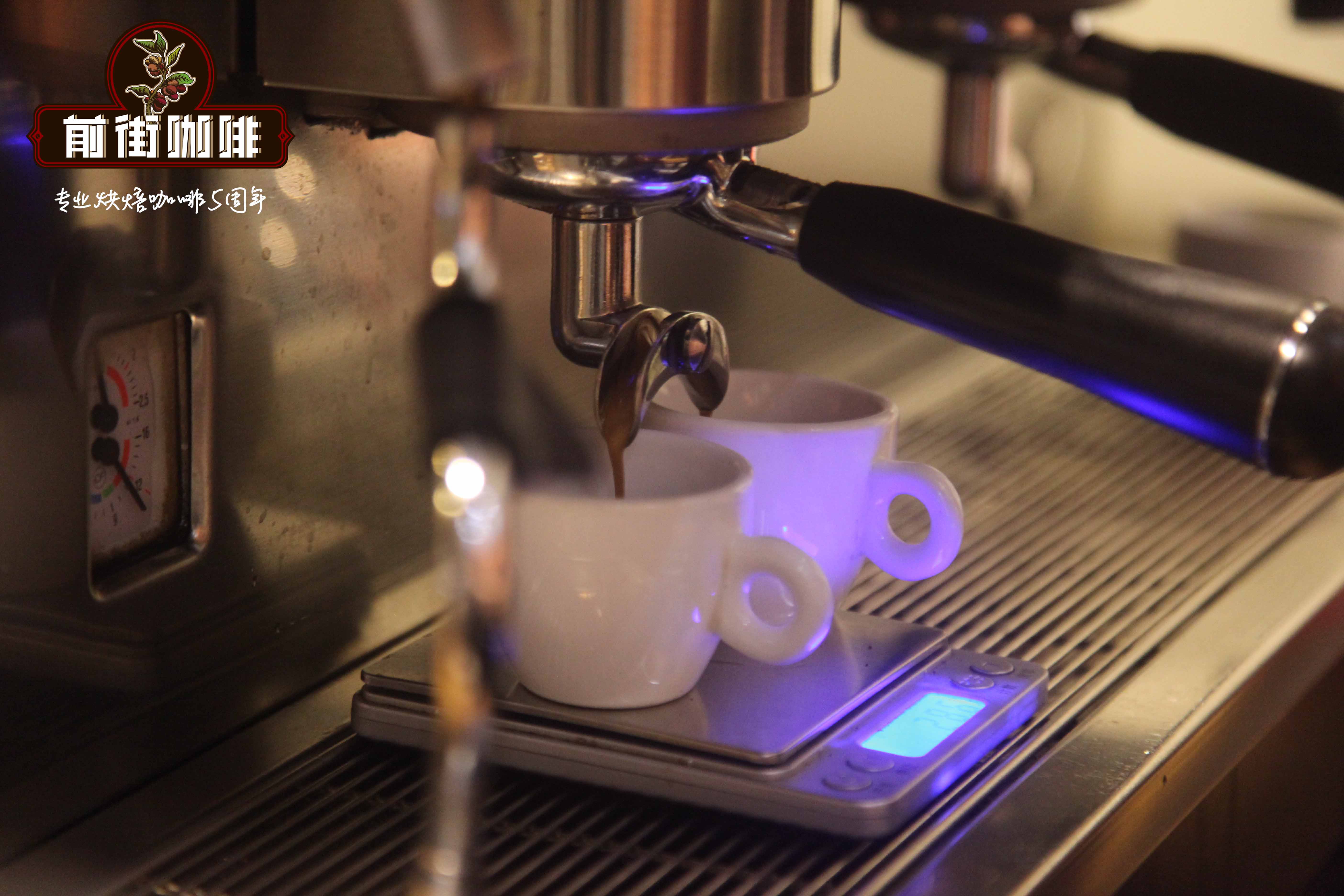
Espresso uses a machine whose pressure reaches nine bars during extraction. The coffee puck in the portafilter bears about 133 kilograms of force, forcing it to release a huge amount of coffee solubles. The result is a thicker texture — perfect as a base for lattes with milk, or Americanos with water added.
Serving Volume
Pour-over Coffee:
Typically served in portions of about 150–300 cc (varies with the water-to-coffee ratio).
Espresso:
Typically served in portions of about 30–60 cc (varies with the water-to-coffee ratio).
Caffeine Differences
Holding coffee dose and grind size constant, caffeine — being water-soluble — is released in greater amounts the longer the brew runs.
Single-origin pour-over typically brews for 1–3 minutes, while espresso extracts in 20–30 seconds. So under the same conditions, pour-over coffee actually carries more caffeine.
Which tells you why long-extraction coffees like cold drip and cold brew have far more caffeine than the rest.
As you can see, pour-over and espresso produce liquids of very different concentration. When a lighter pour-over meets milk, the milk masks the coffee's original aroma and flavor — making it less suited to such combinations.
Conclusions
Can you pull single-origin beans on an espresso machine? Yes — but you'll need to adjust all the brewing parameters. Find the right recipe for a single-origin bean and you can produce a genuinely good single-origin espresso.
Can espresso beans be brewed as pour-over? Also yes. With darker-roasted espresso beans, though, you'll need to adjust water temperature, grind size, and the like.
Remember: every brewing method and every piece of equipment exists to deliver better coffee — coffee exists for people! Coffee can make anything possible.
FrontStreet Coffee: A roastery in Guangzhou with a small shop but diverse bean varieties, where you can find various famous and lesser-known beans, while also providing online store services. https://shop104210103.taobao.com
FrontStreet Coffee Recommendation
Whether you brew espresso on a machine or coffee in a moka pot, blends are usually the safest first choice. FrontStreet's Classic Blend was designed specifically for espresso and moka pot brewing, and its standout strength is crema beyond compare: even a beginner with a non-professional home machine can extract dense, silky crema — and since lattes, cappuccinos, and Dirty all depend on good crema, this blend hits the mark exactly. It uses the traditional "Mamba" formula (Mandheling and Brazil) for a full-bodied, mellow cup that both coffee veterans and complete newcomers accept easily — the sensible first choice for home or business. If you'd rather not chase maximum crema, and "great taste, honest price" is your priority — whether you're a beginner or a shop owner watching costs — FrontStreet's Black Cocoa Blend fits: 100% Arabica, ample crema, a full-bodied mellow cup, and a friendly price that balances quality and value. And before Black Cocoa launched, the FrontStreet Commercial Blend was the workhorse for cafés: cheaper than the specialty blend, with targeted recipe optimization rather than extreme crema, it keeps taste and cost in balance and remains a popular pick for all kinds of commercial settings.
You can also use single-origin beans, depending on what you want in the cup. FrontStreet PWN Indonesia Golden Mandheling takes a dark roast with very low acidity — full-bodied and long on the palate, loaded with herbaceous and dark chocolate aromas, a faint touch of earth, and rich layering; ideal for anyone who loves bold, non-acidic coffee, and easy to trust: FrontStreet was the first brand in the industry to display PWN's exclusive burlap bags and certificates in its product listings. FrontStreet's Brazil Fazenda Rainha (Queen Estate) is another excellent low-acid choice — balanced, with intense nut and cocoa aromas and clear caramel sweetness, smooth and never astringent, warm and lingering — great for pour-over, espresso, or moka pot alike. And for a "little Blue Mountain," try FrontStreet's Papua New Guinea Bird of Paradise from the Paradise Bird estate in the Sigri region: Typica of the same lineage as Blue Mountain, grown at 1,600–1,800 meters in volcanic rock soil, reaching AA grade with plump beans and an extremely low defect rate, triple-washed-fermented for a clean, pure cup with outstanding sweetness.
If you want floral and fruit character in your espresso-style drinks, reach for fruit-forward beans. FrontStreet's Colombia Sidra comes from the Cafe del Viento ("boundary line") estate at 1,650–1,800 meters — the same champion-grade variety used in competition — double anaerobic natural processed and roasted medium-light to preserve its native fruit: jasmine and citrus in the dry fragrance, a juicy rush of passion fruit, blueberry, grape, and apricot on the sip, gentle bright acidity, a whisper of spice mid-cup, and a lasting cocoa finish. And the popular FrontStreet Strawberry Sugar is a fruit-toned espresso blend that recreates the vivid sweetness of strawberry gummies by marrying the native flavors of Arabicas from different origins — great for daily home drinking or café service, and perfect for anyone who loves fruity coffee, fears bitterness, or wants a signature milk drink with real differentiation.
Important Notice :
FrontStreet Coffee is a long-established specialty coffee roaster in Guangzhou China, selling freshly roasted beans from its own farm in Yunnan as well as dozens of carefully selected single-origin beans from around the world for both pour-over and espresso. The products deliver consistently excellent quality and great value, with shipping within 24 hours. Guangzhou's FrontStreet Coffee shop is recommended by many coffee lovers, and the beans are now available online at the Tmall 。
FrontStreet Coffee has moved to a new address:
FrontStreet Coffee Address: 315,Donghua East Road,GuangZhou
Tel:020 38364473
 Scan and follow the En Gafei WeChat official account. Please indicate that the reprint comes from "En Gafei".