What Does Mocha Coffee Taste Like? Experience a Cup of Mocha with the Flavor of Battle
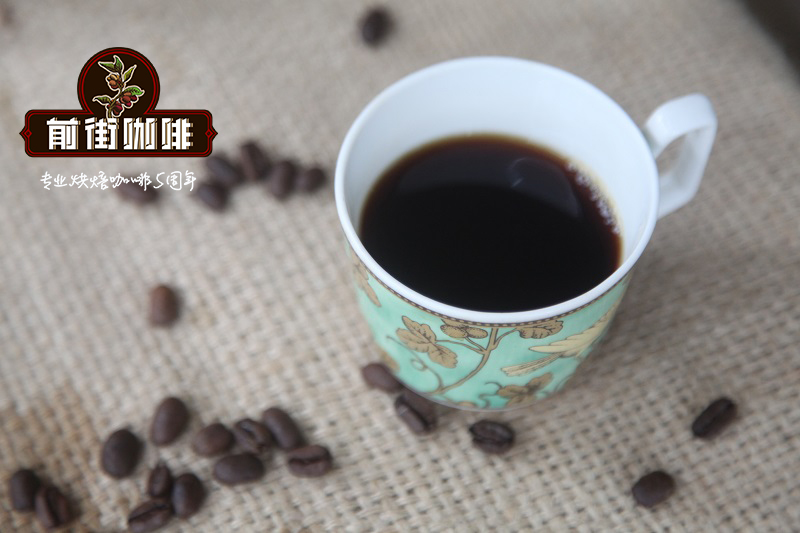
What Is Mocha Coffee?
Mocha is a delicious specialty beverage that blends rich, smooth chocolate into a cup of quality milky coffee. Silky and comforting, it's a lovely way to start the day, a fine choice after a meal, and the perfect pick-me-up for that sluggish stretch of a busy afternoon around 3 or 4 PM.
Key Features of Mocha Coffee
Mocha marries chocolate and coffee in a smooth, even blend.
Cocoa and coffee are both naturally rich in antioxidants.
The Origin of Mocha
Mocha (Arabic: المخا), also transliterated as Mukha, is a port city on Yemen's Red Sea coast, now part of Taiz Governorate. From the 15th to the 17th century it was the world's largest coffee trading center. At its peak in the 15th century the port held a near-monopoly on coffee exports, particularly for trade into the Arabian Peninsula. As new growing regions came online and the harbor silted up, the city's coffee trade gradually faded.
"Mocha" also describes a "chocolate-colored" coffee bean (from Mocha, Yemen), which is how the association of chocolate with coffee took hold.
In Europe, "mocha coffee" can mean either the chocolate-laced drink or simply coffee brewed from Mocha beans. Along with cappuccino and latte, the chocolate-style mocha has become one of the mainstays of the coffee menu.
Five Meanings of "Mocha"
The word covers five different things:
- The first great coffee export port — Mocha in Yemen, now a vanished harbor
- Coffee brewed with a moka pot
- An Italian milky coffee with chocolate added
- Coffee from the Harar region of Ethiopia, at coffee's origin
- Coffee from Yemen, coffee's oldest commercial homeland
Today, this piece is about Mocha as I've come to understand it...
The Historical Journey of Coffee
Modern coffee culture began around the 17th century, when coffee spread from Yemen's Mocha port through the Islamic world into Europe and launched four hundred years of development. That is why coffee exported from Yemen was first called Mocha. But Yemen's coffee itself had crossed the Red Sea from Ethiopia, so beans from Ethiopia's Harar region carried the same name. In sheer flavor richness, Yemeni coffee wins, and Yemeni Mocha became a byword for coffee's homeland. Yemen's most famous growing region is Matari — which is why a cup of authentic Yemeni Mocha Matari lets you taste coffee's most ancient flavors...
The African Coffee Belt
The world's coffee belt runs through the equatorial zone between roughly 25 degrees north and south latitude. Here we focus on the flavor-rich East African portion.
From Ethiopia, coffee's birthplace, it spread to Yemen and the Islamic world, then over three centuries journeyed east and west: east to India, Java, and Sumatra; west with Dutch and French colonial expansion to the Caribbean and Central America, and to Brazil and Colombia in South America — creating today's coffee world.
In the early 20th century, British colonies brought coffee beans to Kenya for breeding and cultivation through French missionaries, and during that century a chain of East African coffee lands formed from north to south.
The East African Coffee Belt
Yemen, Ethiopia, Kenya, Uganda, Rwanda, Burundi, Tanzania, Malawi...
Yemeni coffee has always been the window between coffee's ancient past and Europe's coffee culture. Constrained by terrain, climate, and conflict, Yemen has preserved entirely traditional cultivation: coffee grown on steep slopes with scarce water — what you might call extreme farming.
Even more striking, all Yemeni coffee is sun-dried. Every rooftop, roadside, and street corner becomes a drying yard, with colorful beans drying against a backdrop of ancient West Asian architecture steeped in the flavors of the Islamic world. Coffee this fine is a rare treat indeed...
And in a country beset by conflict, every cup of Yemeni Mocha feels all the more precious.
Yemen Matari Mocha Coffee
This one needs little introduction. "Mocha" stands for the drink, a vanished export port, the growing regions (Yemen and Ethiopia's Harar), even the brewing equipment. The beans featured here are traditional Yemeni Mocha from the renowned Matari region. Because the coffee grows on extreme slopes and dries in the sun on household roofs and roadside concrete, Yemeni beans can be recognized by their slight cracks — the parchment is still dehulled with the most traditional method, a stone mortar powered by blindfolded camels.
Flavor: Yemeni coffee is a dark-roast Mocha through and through — chocolate, lingering florals, and notes of sweet wine fermentation. Every element of coffee's history comes together in this Matari Mocha.
FrontStreet Coffee Recommendation
Milk Coffee Inspiration from FrontStreet Coffee
If a chocolate-laced mocha is your idea of comfort, the classic cappuccino deserves a spot next to it. Cappuccino is simply espresso topped with dense microfoam in place of cream, sculpted with a spoon into a peaked cap or dome; because the milk share is small, the cup reads rich, aromatic, and pleasantly airy — that lush-yet-silky duality is exactly what people love about it.
The build is simple: milk, espresso, and a solid layer of thick foam. FrontStreet Coffee pulls its espresso with 20g of coffee at a 1:2 ratio over about 30 seconds — concentrated enough to stand up to milk while staying fully extracted. At home, steam the foam a little thicker and denser than you would for latte art, spoon a dollop into the center of the cup to fill a circle, then re-swirl the pitcher and pour down the middle to fill it to the brim: the golden ring, espresso-brown outside and foam-white inside, is the most soothing part.
For beans, FrontStreet Coffee suggests its espresso blend series: the crema-rich Classic Blend or the great-value Black Cocoa Blend for traditional cappuccino; the Strawberry Candy espresso blend if you want berry, rose, raisin, and fruit-candy aromas in a floral cappuccino; or the sun-dried Granadilla-style Geisha SOE, medium-roasted with berry, orange, and persimmon notes that turn to milky-candy sweetness with milk.
Important Notice :
FrontStreet Coffee is a long-established specialty coffee roaster in Guangzhou China, selling freshly roasted beans from its own farm in Yunnan as well as dozens of carefully selected single-origin beans from around the world for both pour-over and espresso. The products deliver consistently excellent quality and great value, with shipping within 24 hours. Guangzhou's FrontStreet Coffee shop is recommended by many coffee lovers, and the beans are now available online at the Tmall 。
FrontStreet Coffee has moved to a new address:
FrontStreet Coffee Address: 315,Donghua East Road,GuangZhou
Tel:020 38364473
 Scan and follow the En Gafei WeChat official account. Please indicate that the reprint comes from "En Gafei".