What Does Mocha Coffee Taste Like? What Should Authentic Mocha Coffee Taste Like?
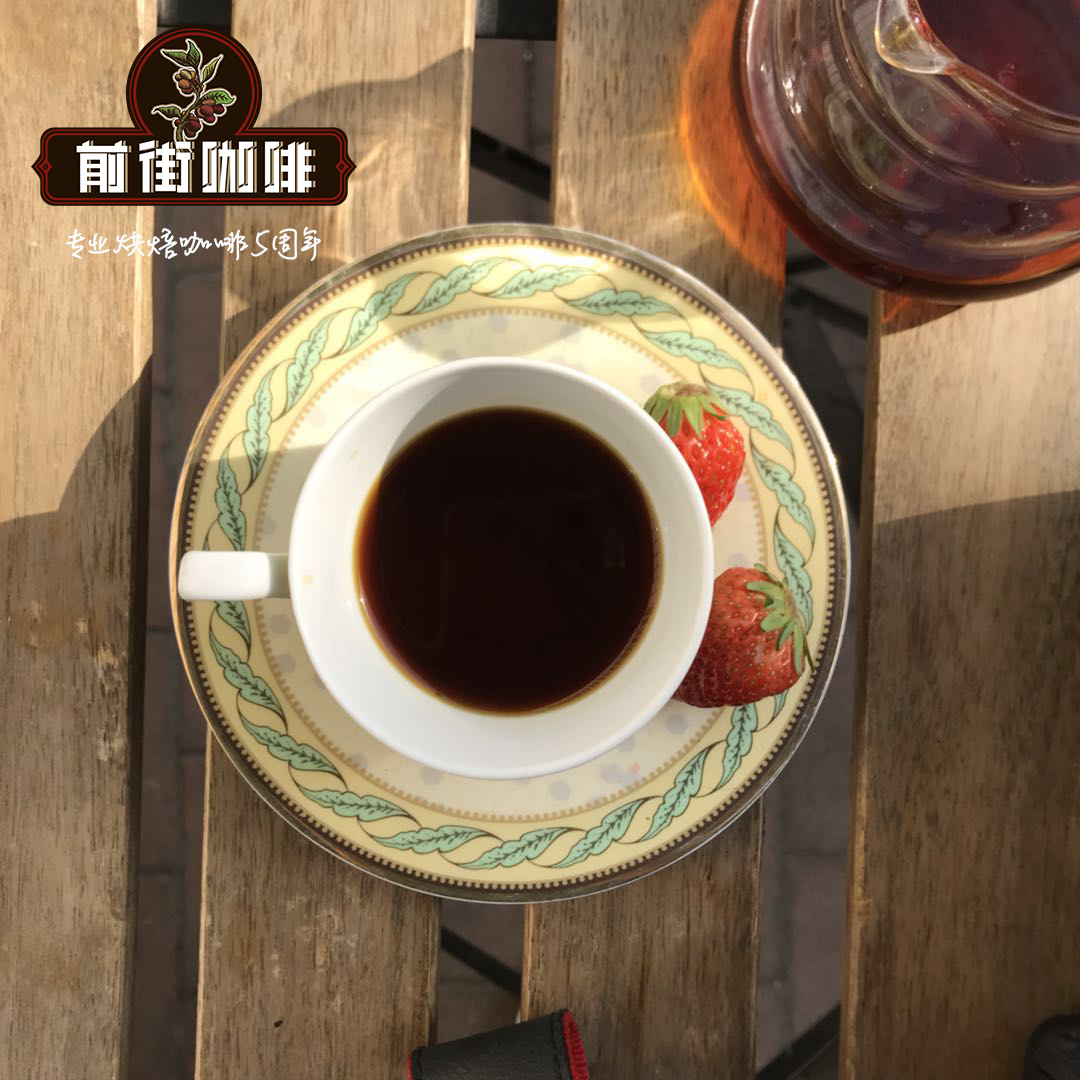
The Art of Tasting Mocha Coffee
When you take a sip of mocha coffee, what do you taste besides bitterness?
Don't rush for the sugar, creamer, or milk. Good coffee deserves to wake up all your taste buds so you can savor its original flavor properly.
Tasting coffee well means more than using your tongue - it means letting the mellow aroma linger in your mouth and enjoying it.
There is something quietly special about slowing down for a good cup. When you calm yourself to taste coffee, you are tasting a quality of life as much as a beverage.
Do mind your condition and your surroundings as you drink - a good mood is part of good coffee.
And in a mediocre cafe, you will sometimes be served half-cold coffee. No matter how fine the beans or how skilled the brewer, temperature like that flattens the flavor dramatically.
The Importance of Temperature and Serving
So "drink it hot" is a necessary condition for tasting mocha coffee at its best - even on a blazing summer day - because as coffee cools, its flavor fades. When brewing, preheat the cup with boiling water to prevent heat loss. The ideal temperatures: 83 degrees C at the moment of brewing, 80 degrees C when poured into the cup, and 61-62 degrees C by the time it reaches your lips.
Portion matters too. Coffee is not beer or juice - a brimming cup can kill your appetite on sight. Generally, a cup seven to eight tenths full is right. A moderate pour stimulates the palate without leaving you feeling heavy, and it leaves a long, satisfying aftertaste. In reasonable amounts, coffee can also help the body shake off fatigue and sharpen the mind.
Understanding Coffee Strength and Moderation
Mocha coffee varies in strength, so you cannot drink three or four cups back to back the way you might with tea or cola.
A formal coffee serving - generally 80-100cc - is the right amount. If you do want several cups in a row, dilute the coffee or add plenty of milk. Either way, listen to your body and adjust the strength accordingly to avoid heaviness, palpitations, or nausea.
You can also play with the sugar to create a different flavor experience as you taste.
The Origin and Character of Mocha Coffee
Mocha (MOCHA): the coffee produced in Yemen is considered the finest, followed by Ethiopian mocha. Mocha coffee has a smooth texture, medium to strong acidity, excellent sweetness, and a distinctive flavor with chocolate notes - an elegant, ladylike cup, and one of the most characterful pure coffees there is.
Yemen Mocha Coffee
It carries some of the most unique, rich, and fascinating complex aromas in the world: red wine, wildness, dried fruit, blueberry, grape, cinnamon, tobacco, sweet spices, wood, even chocolate. Coffee writers have reached for every adjective they could find to describe Yemen mocha.
The birthplace of "Mocha" is Yemen. Everyone has heard of "mocha coffee," but what exactly is Mocha? There are many answers. Some say it is a specific origin; for others, mocha simply means sweet chocolate coffee. In fact, authentic mocha coffee is produced only in the Republic of Yemen, on the southwestern tip of the Arabian Peninsula, growing on steep mountain slopes between 3,000 and 8,000 feet - and it is the oldest coffee in the world.
As long as 500 years ago, Yemen was producing coffee with ancient methods. In the early 17th century, the first shipment of Yemeni coffee sold to Europe went out through the small old port of Mocha and astonished the Europeans, who named the delicious coffee after the port - hence "Mocha coffee."
Ethiopia, across the Red Sea, also exported its coffee through Mocha, which is why Ethiopian sun-dried coffee is often called Mocha too (Ethiopia Harrar, for instance). Today the old port has long silted up (now called Al Makha), and exports go through the northwestern port of Hodeida - but the world got used to the name Mocha, and its fame has never faded.
Dark-roasted Yemeni coffee often shows chocolate-like bittersweet notes, which is what inspired today's chocolate-sauce flavored drink that also calls itself "mocha." So when you see "Mocha Coffee," it might mean pure Yemeni coffee, its Ethiopian neighbor, or merely a chocolate-flavored latte. To a discerning coffee drinker, only genuine Yemeni coffee has earned the name.
Worth noting: just as "Mocha" carries many meanings, its spelling varies too - Moka, Moca, and Mocca are all common. On Yemeni coffee bags and documents you can find as many as four local spellings: Mokha, Makha, Morkha, and Mukha - all meaning the same thing.
The Historical Significance of Yemen Mocha
Yemen Mocha is the founding father of the world coffee trade, and its contribution to spreading coffee across the globe is beyond dispute. In the 17th century - sold as "Arabian coffee," the origin of the later species name "Arabica" - Yemen Mocha crossed the sea to Italy and other Catholic countries of Europe. For more than 150 years afterward, Yemen remained Europe's only source of coffee.
In those conservative Catholic lands, marvels were sometimes suspected of being evil, and coffee briefly carried an inexplicable guilt - until a Pope who loved coffee declared it a Catholic beverage and blessed those who drank it, at which point coffee spread freely across Europe.
Today Yemeni farmers still grow coffee the way they did 500 years ago. The cherries develop naturally on the trees with no fertilizers or pesticides. In summer they take in moisture from the mountain slopes' light rain and mist, flowering and setting fruit; in the dry winter the ripe cherries are left hanging on the trees to air-dry naturally - a uniquely rare practice that only Arabia's extremely dry climate and fierce sunlight permit. Anywhere else, the cherries would simply rot on the branch.
Ripe or dried cherries fall naturally, are shaken down, or are picked. Nearly one quarter of Yemen's population are coffee farmers, who spread the cherries - pulp and all - on rooftops, in low sheds outside their homes, or directly on the mud ground to bake in the dry winter sun. Once skin and pulp have dried, old-style stone mills (two stones stacked together) grind away the husks, and the beans are processed.
A few farmers still power those stone mills with animals - camels, donkeys. Next to the mechanized mills of Central and South America, or even neighboring Kenya with its short coffee history, Yemen Mocha is practically a living relic of the coffee world.
And here is the remarkable part: the Yemeni coffee you drink today is essentially no different from the "Arabian coffee" that wealthy merchants sipped centuries ago in Europe's oldest cafes on St. Mark's Square in Venice.
FrontStreet Coffee Recommendation
If the wild, dried-fruit character of Yemen Mocha appeals to you, FrontStreet Coffee has several entry-level beans that trace the same flavor threads. Ethiopia - Africa's largest producer and coffee's birthplace - is the closest cousin: the FrontStreet Natural Huakui from Sidama uses traditional natural processing and shows berry, floral, jackfruit, melon, and honey notes, while the FrontStreet Washed Worka (Guodingding) Cooperative from Yirgacheffe offers jasmine florals, lemon acidity, and berry tones from a smallholder cooperative.
Three more FrontStreet picks for the curious beginner:
- FrontStreet Brazil Cerrado Red Bourbon - an approachable everyday single origin from the famous Cerrado region: cream, peanut, and cocoa flavors, soft acidity, sweet and balanced, and gentle on the wallet. Lovely black or with milk.
- FrontStreet Mozart (Costa Rica) - raisin honey processed, with the sweetness of raisins and blueberries and the fragrance of osmanthus and rose; the honey process that Costa Rica is famous for delivers abundant sweetness and clarity. Excellent as pour-over, cold brew, americano, or latte.
- FrontStreet 2013 Yunnan Typica - an ancient Arabica variety grown at 1300 meters, clean in the cup at a medium roast, with hazelnut, dried apricot, black tea, caramel, and ripe plum aromatics.
However you start, do as the article advises: drink it hot, in a moderate pour, and taste before you sweeten.
Important Notice :
FrontStreet Coffee is a long-established specialty coffee roaster in Guangzhou China, selling freshly roasted beans from its own farm in Yunnan as well as dozens of carefully selected single-origin beans from around the world for both pour-over and espresso. The products deliver consistently excellent quality and great value, with shipping within 24 hours. Guangzhou's FrontStreet Coffee shop is recommended by many coffee lovers, and the beans are now available online at the Tmall 。
FrontStreet Coffee has moved to a new address:
FrontStreet Coffee Address: 315,Donghua East Road,GuangZhou
Tel:020 38364473
 Scan and follow the En Gafei WeChat official account. Please indicate that the reprint comes from "En Gafei".