The Unique Grass-like Aroma of Rwanda Coffee Beans: Stories from Rwanda Coffee Growing Regions You Never Knew
Professional coffee knowledge exchange. For more coffee bean information, please follow Coffee Workshop (WeChat public account: cafe_style).
Rwanda Coffee
African coffees often give a wild, unrestrained impression, but Rwanda coffee is soft and fragrant with saturated beans. That was my first impression of it, speaking from an African perspective. Rwanda's coffee industry is indeed remarkable, since the country thrives mainly on producing high-quality coffee beans. Rwanda coffee is described as having a "grass fragrance" with tropical climate characteristics. Thanks to exceptionally fertile soil and a suitable climate that greatly promotes plant growth, the coffee trees here seem driven to grow vigorously upward, as if growing too fast to produce premium beans. Regardless, Rwanda coffee's soft, rich taste is excellent, especially the unique caramel-rich aroma and aftertaste that emerges at the end. It is truly worth experiencing for yourself.
About Rwanda Coffee
Rwanda coffee was once rarely seen in America, whether as professional-grade or low-end commercial coffee. It was hardly found anywhere in Belgium either, except through the occasional importer of Rwandan production, the country being a former Belgian colony. Coffee is believed to have been introduced to Rwanda in 1904 by German missionaries. Around 1930, considerable interest developed in coffee because it was the only income commodity for rural families. The government encouraged, and in fact mandated, low-quality, mass production. Even at that low grade, coffee played a significant role in the country's economic development as one of its few cash crops. But with the collapse of world coffee prices on international markets, pushing out low-grade Arabica became less and less appealing.
Then came the genocide of the 1990s, one of the most horrific events in modern history. It makes me dizzy just imagining how a country recovers, how people return to "normal" life after such massive tragedy. But Rwanda's recovery after the genocide has been steadfastly open. (A personal thought: I believe the world's interest in Rwanda was low because Rwanda's own self-interest was low. What does Rwanda produce and export that the world cares about? Clinton said so much at the time, and other world leaders regretfully recalled watching the same massacre unfold. I feel that the low interest in Rwanda, in its products and its people, is another tragedy hard to ignore, and coffee is a bridge to the world in that sense.)
Transportation has been a problem with Rwanda coffee. It was traditionally moved across Uganda to Mombasa, Kenya, for shipment to Europe, a journey that could damage the coffee and depended on regional economic and political stability. As a result, coffee couldn't reach markets, and prices and incentives for village farmers to produce high-grade coffee fell sharply. That is why it came as a great surprise to receive excellent coffee from Rwanda's small village farms and washing stations. In fact, rural people's ability to care for their crops and secure export prices is a good sign for Rwanda and for us, because this is an origin with tremendous potential. Historically, Rwanda has been Africa's ninth-largest Arabica producer, with over 500,000 small farms averaging less than 1 hectare each. Coffee is grown in the western and central regions near the capital Kigali. Eastern Rwanda, more than one-seventh of the country, is designated as a national park where no coffee production is permitted.
Rwanda has much going for it: traditional varieties, good altitude, and a willingness to accept guidance from USAID advisors and others. This is in some ways a subtle coffee, sitting alongside many Kenya cup profiles, but its subtle citrus acidity, interesting aromatics, and consistent quality make it a more interesting origin than Zambia and Zimbabwe at this point.
Rwanda Coffee Company
Rwanda Coffee Company was founded when Carl Weyrauch, along with his wife Patricia Boyko and their daughter Anna, visited Rwanda to teach public health personnel for Rwanda Native, a local non-profit. Through a series of coincidences and detours, they found themselves at COOPAC, a fair-trade coffee cooperative near Lake Kivu.
Carl offered to bring coffee samples back to Seattle, and so was born his interest in Rwanda coffee as a vehicle for nation-building after the genocide. In helping combat poverty among its 2,198 member farmers, COOPAC also greatly improved their health.
Another striking thing about COOPAC is that it is actually helping heal the wounds of the 1994 genocide, which American audiences learned about in the film "Hotel Rwanda." Women hand-sort the beans, and as they work they talk, building relationships between genocide perpetrators and surviving victims, reconciliation in meaningful and sustainable ways.
Interestingly, COOPAC includes individual members of the pottery community, formerly Batwa pygmies, a marginalized minority within Rwanda. When expanding earlier this year, Carl and his friends started the US-based non-profit Pygmy Survival Alliance to apply all profits from Rwanda coffee sales to improving the survival and welfare of these, the poorest people in Rwanda: both those who have been "left behind by history" and their neighbors.
In this way, Rwanda Coffee Company is a social enterprise all about health, survival, education, and welfare for families living in poverty on less than a dollar a day in one of the world's least developed countries. Each bag of coffee sold generates enough money to buy three pairs of shoes for children, enabling them to attend school, often for the first time, or to provide health insurance for two people for a year. It can also do many other good works through cooperation in Rwanda with volunteers in the United States.
Moreover, it provides great cupping coffee at the same time. A win-win proposition.
Thank you for your interest in this project and in the welfare of the people of Rwanda. As they say in the Kinyarwanda language: "Cyane Murakoze."
Rwanda Coffee Success Story
A walking tour through some trendy cafes near New York University turned up a common element: creatively packaged, expensive Rwanda coffee for sale.
Given our long-term interest in 1) good coffee and 2) entrepreneurial development potential, this phenomenon clearly deserves investigation. The work of Carol Baudelot, who has spent several years in the Rwanda coffee sector, helps outline part of the donor-funded development success story now unfolding.
Rwanda's coffee history is intertwined with the country's political destiny, dating back to the 1930s, when the Belgian colonial government required Rwandan farmers to plant coffee trees while setting price limits and high export taxes, and controlling which businesses could buy coffee. These policies helped create a "low-quality, low-price trap" that persisted even under the harsh policies of post-colonial governments. They also guaranteed that the country would develop an aversion to the product; reportedly, even today many Rwandans prefer tea.
In the late 1980s, global coffee prices plummeted, and after the devastating economic impact, Rwanda's 1994 genocide wiped out the struggling industry. In 2000, there was no operational infrastructure for washing and processing coffee beans, which meant small producers turned out lower quality.
Fast forward to today, more than a decade later: Rwanda has a national coffee strategy. Rwandan specialty coffees are winning international competitions, commanding some of the world's highest prices, and being sought by Starbucks, Green Mountain Coffee, Intelligentsia, and Counter Culture Coffee. There is preliminary evidence that the coffee industry is creating jobs, improving small farmers' spending and consumption, and possibly even promoting social reconciliation and reducing the "ethnic distance" between Hutu and Tutsi who work together growing and washing coffee.
How did this happen? First, the Rwandan government lowered trade barriers and deregulated coffee growers. Second, Rwanda developed a strategy targeting high-quality coffee production, specialty products whose prices stay stable even when industrial-grade coffee prices fall. Third, international donors provided funding, technical assistance, and training, establishing programs like the USAID-funded Sustainable Partnerships to Enhance Rural Enterprise and Agricultural Development (SPREAD). The predecessor project began spreading in 2001 with the first Rwanda coffee cooperatives, and it continues to improve its work across all aspects of the newly discovered high-value coffee supply chain.
Rwanda Coffee Results
Some problems and constraints still plague Rwanda's coffee industry. Transportation costs remain high, for example, and past mismanagement in some cooperatives points to the need for good training and consistent financial management skills.
Even so, Rwanda's coffee revenue continues to grow despite the global economic recession, and this revenue brings tangible benefits to the country's rural poor.
FrontStreet Coffee Recommendation
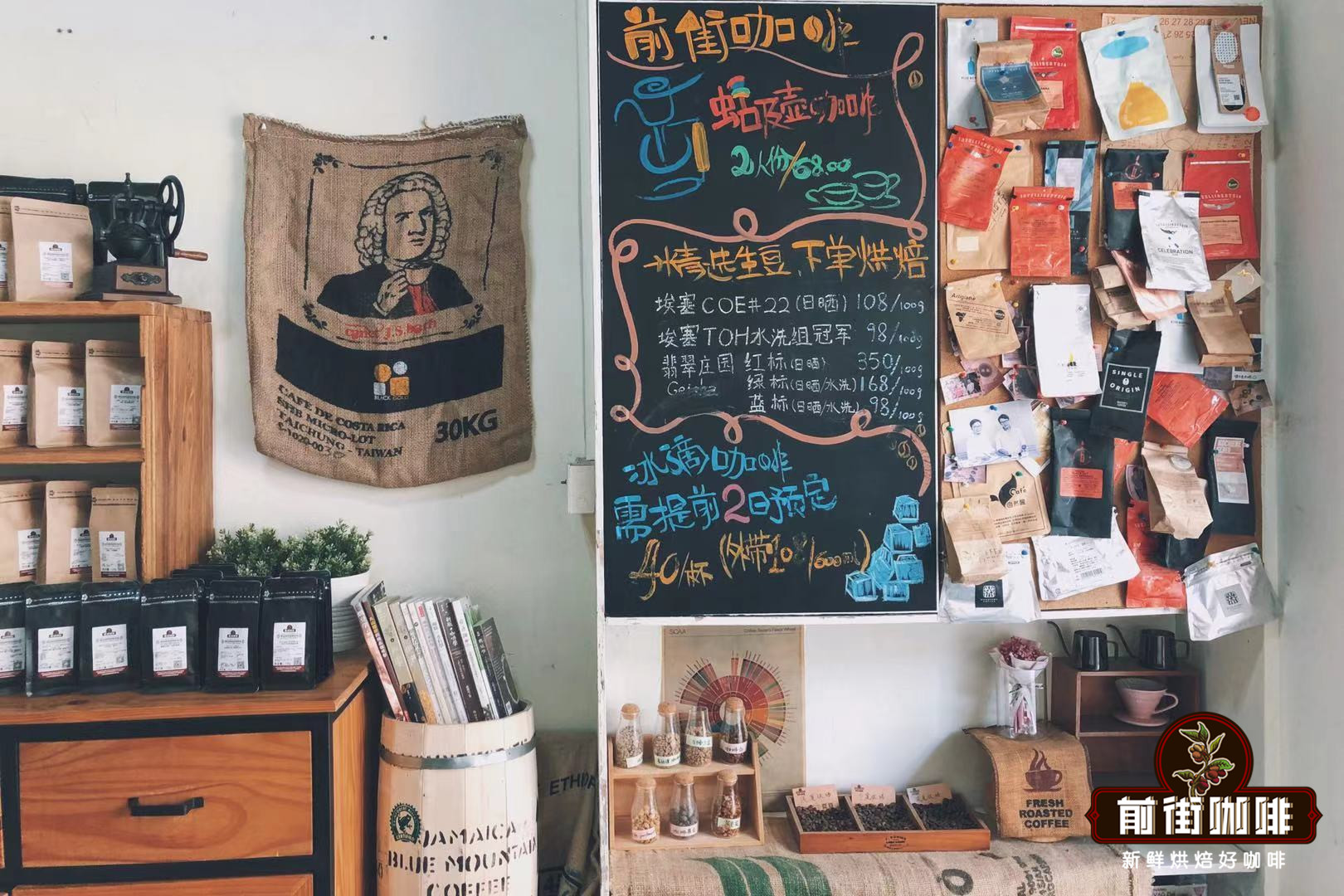
Rwanda's soft, fragrant, berry-and-citrus profile has plenty in common with the African Arabicas that FrontStreet Coffee roasts. If you enjoy the fleeting floral lift of washed African coffee, FrontStreet Coffee's Yirgacheffe Gediding is an easy match. The Gediding cooperative sits in the Woka area at Yirgacheffe's southeastern edge and was once part of the Woka cooperative under the YCFCU alliance; it became independent as traceability became prized. Its traditional washed process keeps the cup clean and bright, with citrus and lemon acidity and elegant white florals.
For a fruitier African cup, FrontStreet Coffee's natural-process Huakui leans into ripe tropical fruit. Its variety is Ethiopia's most common heirloom mix, so bean sizes vary, and the classic natural method brings creamy strawberry, mango, jackfruit, citrus, and blueberry. This mature tropical character is the signature of a FrontStreet Sidamo natural bean, and the same lush berry aroma won first place at the TOH green bean competition that year.
If you'd rather have a balanced cup than a bright one, FrontStreet Coffee's Jamaica Blue Mountain No.1 is grown from the Typica variety and offers an even balance of acidity, bitterness, sweetness, and aroma, with chocolate, roasted nut, cream, and caramel notes that few coffees can match.
Important Notice :
FrontStreet Coffee is a long-established specialty coffee roaster in Guangzhou China, selling freshly roasted beans from its own farm in Yunnan as well as dozens of carefully selected single-origin beans from around the world for both pour-over and espresso. The products deliver consistently excellent quality and great value, with shipping within 24 hours. Guangzhou's FrontStreet Coffee shop is recommended by many coffee lovers, and the beans are now available online at the Tmall 。
FrontStreet Coffee has moved to a new address:
FrontStreet Coffee Address: 315,Donghua East Road,GuangZhou
Tel:020 38364473
 Scan and follow the En Gafei WeChat official account. Please indicate that the reprint comes from "En Gafei".