Rwanda Coffee Bean Flavor Characteristics - The Story and Features of Coffee Beans from the "Land of a Thousand Hills"
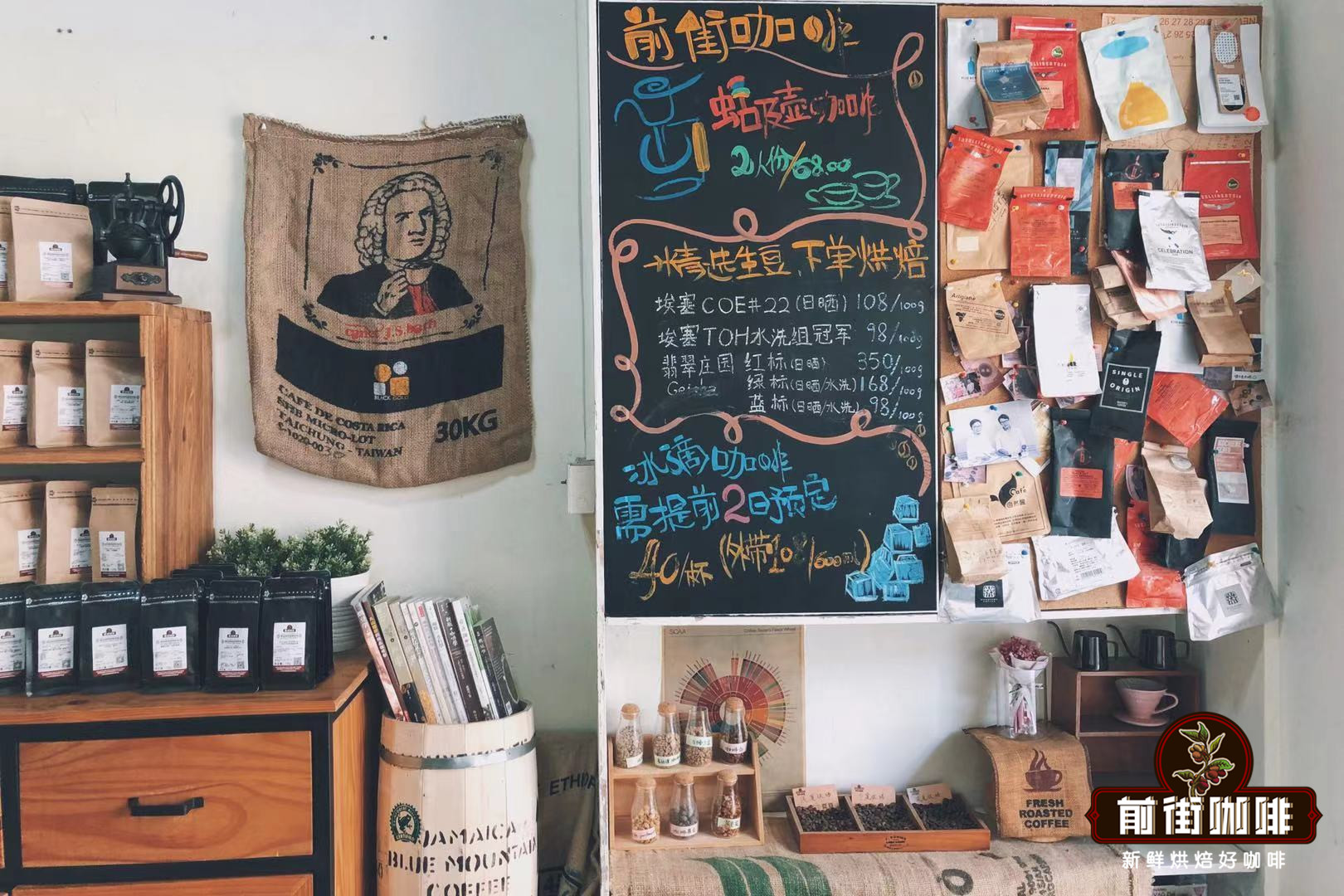
Every coffee at FrontStreet Coffee has a story, and we delight in sharing the stories behind each coffee bean. We believe this is the true meaning of drinking coffee. It is not just about a cup tasting good; we must also listen to the stories behind it and experience their journeys, so we understand how hard-earned each cup truly is. The story of the next coffee bean we are about to share has both sourness and sweetness, inviting you to savor the myriad flavors of life.
The Story of Rwandan Coffee
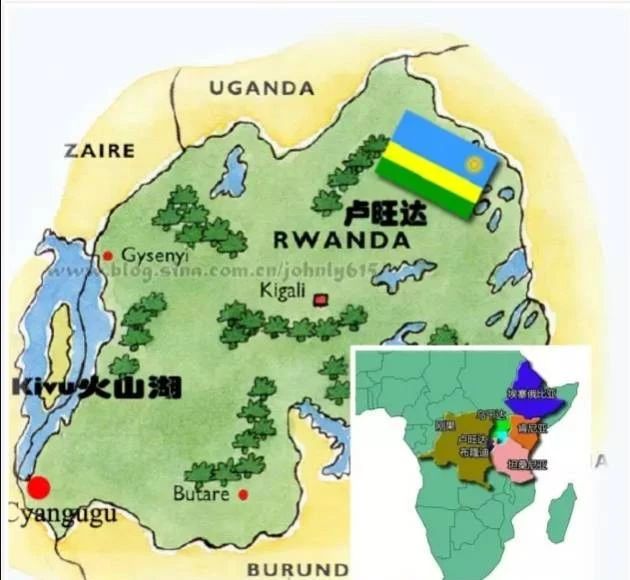
Rwandan coffee is the most popular African coffee after Kenya and Ethiopia. Unlike those two famous producing countries, however, it does not have a long history of cultivation, nor native varieties growing wild everywhere. This small African nation is a phoenix reborn from ashes.
Rwanda is one of Africa's smallest and most densely populated countries, with an area comparable to Maryland. In this country, the average family farm is less than one hectare. Rwanda's coffee production is essentially a smallholder economy, with approximately 430,000 families now producing coffee, and most farms have fewer than 200 coffee trees.
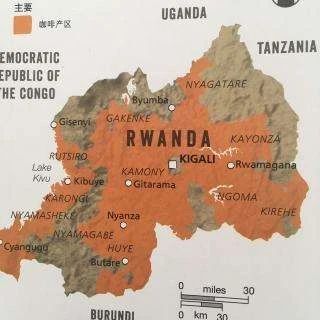
Rwanda possesses ideal growing conditions for Arabica coffee, with coffee cultivated at altitudes between 1350m and 1850m. Rwanda's fertile volcanic soil, abundant rainfall, and mild year-round climate all promote the maturation of coffee beans, and this special growing environment imparts unique flavors to the coffee. Rwandan coffee rarely uses chemical fertilizers or pesticides. Soil nutrients come from natural ground cover and traditional fertilization methods.
Rwanda, known as the "Land of a Thousand Hills," sits on the equator and is surrounded by East African countries including Congo, Uganda, Tanzania, and Burundi. Geographically, it has suitable conditions for coffee cultivation, but since its introduction by German missionaries in 1904, Rwandan coffee was poorly processed commercial grade, with most exported to the colonial power Belgium. The push for specialty coffee production only began after experiencing the devastation of war and getting the economy back on track.
The genocide of 1994 claimed more than one million lives, mostly from the Tutsi ethnic group. Today, Rwandan streets still bear witness to orphaned survivors from that time, memorials are visible everywhere, and war criminals constitute 90 percent of the total prison population. Since 2001, the Rwandan government has operated the NAEB (National Agriculture Export Development Board) to focus on improving coffee exports and earning foreign exchange.
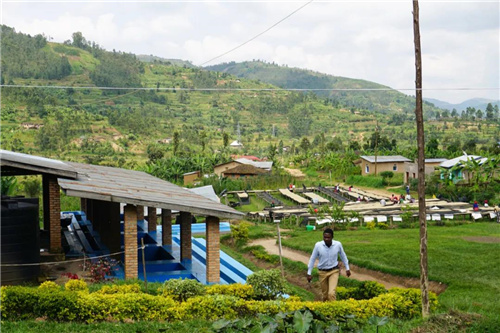
With government support, farmers shifted from rough home processing to transporting freshly harvested fruit to nearby coffee washing stations for full washed processing. In just 12 years, the number of washing stations nationwide increased from two to 220. They are now all privately owned, either by exporters or farmer cooperatives. Due to the small average farm size, each farm has fewer than 200 coffee trees on average, and each station serves about 50 to 100 farms. The NAEB employs 200 botanists and cuppers who regularly visit washing stations to inspect quality and educate farmers on soil management, organic farming, pruning, pest control, and harvesting techniques.
Rwanda Coffee Processing Methods
In 2000, Rwanda, having just experienced internal turmoil, sought to upgrade its coffee industry. Michigan State University led a coalition including Texas A&M University and the National University of Rwanda, with several researchers working together to help Rwanda upgrade its coffee industry. The project was abbreviated as PEARL (Partnership for Enhancing Agriculture in Rwanda through Linkages project).
The PEARL project aimed to improve both the quality and quantity of Rwandan coffee and to help farmers achieve better incomes, creating a virtuous cycle. After the PEARL project was implemented, Rwanda built 46 coffee washing plants in succession, leading to significant growth in Rwanda's economy through strong coffee bean exports. The PEARL project was also the largest and most comprehensive development plan implemented in Rwanda since independence.
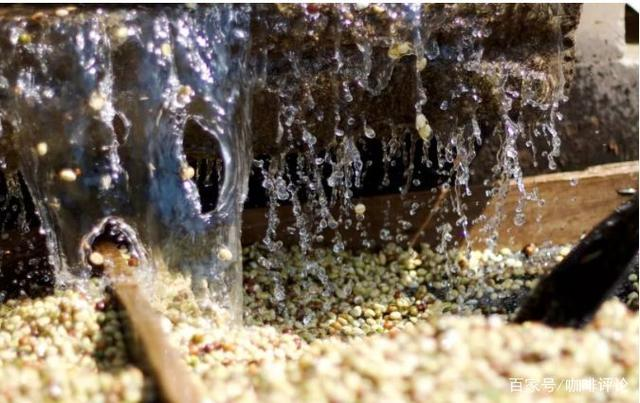
Rwandan coffee beans now mainly use the washed processing method. During each harvest season, farmers harvest ripe coffee cherries and concentrate them at washing plants for processing. First, manual selection ensures no unripe or damaged fruit is mixed in. Next, the fruit skin is removed, followed by a 12-18 hour fermentation in a cool, low-temperature environment, cleaning away the attached mucilage in channels. During rack drying, washing plant members manually turn and carefully tend the beans, ensuring that under adequate sunlight the parchment beans do not lose moisture too quickly or dry unevenly, until the bean's moisture content stabilizes below 14 percent.
Strict Control of Drying Speed
The Bourbon variety accounts for over 90 percent of Rwanda's production. A small portion of farmers grow the Bourbon varieties BM-139 and Jackson. The southern and western mountainous regions have more cultivation and more famous washing stations, such as Gitesi, Huye Mountain, and Mibirizi. Compared to the common practice in Central America of drying on concrete patios, Rwanda dries parchment coffee on African beds covered with canvas, controlling drying speed and gradually reducing the bean's moisture content to the target 11 percent over 10 to 15 days. Compared to sun-drying, this method helps preserve organic compounds. Rwanda was the first African country to host a Cup of Excellence competition. This year marks the 5th edition. In terms of flavor, Rwandan coffee has distinct floral and fruity aromas, with a tea-like smooth mouthfeel. It has the highest balance among African countries.
Rwanda is a small landlocked country in East Africa with hilly terrain, fertile soil, and ancient Bourbon varieties, with high-quality coffee beans cultivated throughout the country. Coffee was reportedly introduced to Rwanda by German missionaries in 1904. Coffee was the only crop rural farmers could earn income from, and while coffee flourished, unlike neighboring countries there was no centralized auction system, allowing farmer cooperatives to trade directly with buyers. Traditionally, Rwandan coffee was exported to Europe via Uganda through Kenya's Mombasa port.
In the past decade, due to civil war and genocide, Rwanda's premium coffee could not be exported, leading to a sharp decline in coffee cultivation. The 1994 genocide claimed more than one million lives and nearly wiped out coffee cultivation knowledge and techniques. After the war, with U.S. aid and assistance from some international organizations, cultivation gradually recovered. Due to war and genocide, among the surviving small coffee farmers, a high proportion are women and even widows. When we can obtain Grade A Rwandan coffee from these small farmers or estate cooperatives, the emotional impact is truly hard to describe, especially since its flavor is not inferior to Kenya's auction bidding beans or Yirgacheffe, and even has unique charming qualities worth savoring slowly.
Rwandan Coffee and Starbucks
In the early stages of the SPREAD program, in 2006, Starbucks began selling Rwandan coffee beans, including them in Starbucks' premium product line "Black Apron." The Black Apron is the internal certification program for "Coffee Masters": regular Starbucks employees wear green aprons, and only through rigorous examinations and competitions can they earn the symbolic black apron. Starbucks selected Bourbon variety coffee beans from two Rwandan washing stations, the Sholi Cooperative Washing Station and the Musha Cooperative Washing Station, naming it "Blue Bourbon" and selling it for $24 per pound.
Example: FrontStreet Coffee's Rwandan Coffee Beans
FrontStreet Coffee's Roasting Recommendations
Due to the high altitude of Rwandan coffee, its density is high. For such hard beans, higher bean drop temperatures and larger heating rate ramp conditions will present better flavors. FrontStreet Coffee recommends dark roasting.
Region: Rutsiro Province, Western Province, Rwanda
Altitude: 1500-1800 meters
Variety: Bourbon
Processing Method: Washed
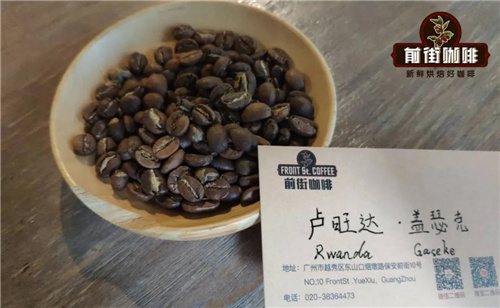
Machine: Yangjia 800N, 550g green beans input
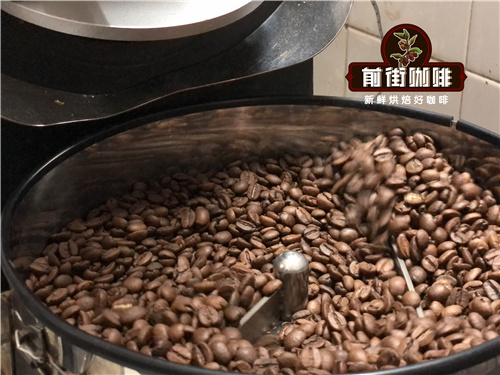
FrontStreet Coffee's live roasting session
FrontStreet Coffee's Brewing Recommendations
Reason for choosing the Kono dripper: the Kono dripper has few ribs and they are located at the bottom, and the filter paper fits tightly against the dripper, which restricts airflow and increases the contact time between water and coffee grounds, allowing the grounds to be fully extracted and enhancing the rich mouthfeel.
FrontStreet Coffee's Kono dripper demonstration
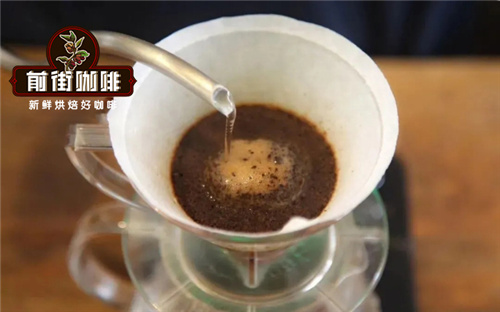
FrontStreet Coffee's Brewing Technique
Segmented Extraction
Use 30g of water for a 30-second bloom. When injecting water in a small circular motion up to 125g, perform a segmentation. When the water level drops and is about to expose the coffee bed, continue injecting water to 225g and stop. Wait for the water level to drop until it is about to expose the coffee bed, then remove the dripper. Timing starts from the bloom. Extraction time is 2'00".
FrontStreet Coffee Recommendation
Rwanda and Ethiopia share the same East African floral, fruity, tea-like profile described above, so FrontStreet Coffee's Ethiopian washed beans are a natural next stop after this story. The FrontStreet Washed Yirgacheffe is the everyday classic, with white jasmine and bright citrus-lemon acidity, while the FrontStreet Gotiti Cooperative is fully washed and shows white florals, orange, and green tea. If you want to taste the natural side of that same balance, the FrontStreet Natural Red Cherry Yirgacheffe brings berry juice, honey sweetness, and a creamy texture. Each is a smallholder-grown, carefully washed bean whose story of origin is as worthy of attention as the cup itself.
Important Notice :
FrontStreet Coffee is a long-established specialty coffee roaster in Guangzhou China, selling freshly roasted beans from its own farm in Yunnan as well as dozens of carefully selected single-origin beans from around the world for both pour-over and espresso. The products deliver consistently excellent quality and great value, with shipping within 24 hours. Guangzhou's FrontStreet Coffee shop is recommended by many coffee lovers, and the beans are now available online at the Tmall 。
FrontStreet Coffee has moved to a new address:
FrontStreet Coffee Address: 315,Donghua East Road,GuangZhou
Tel:020 38364473
 Scan and follow the En Gafei WeChat official account. Please indicate that the reprint comes from "En Gafei".