Which Indian Coffee Brand is Best? What Are the Recommended Arabica Coffee Beans from India?
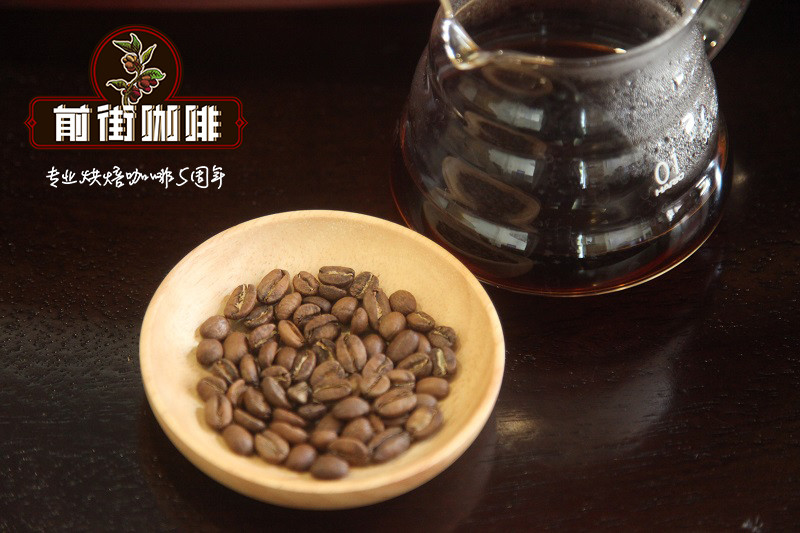
FrontStreet Coffee: Indian Coffee Flavors at a Glance
Indian coffee rarely travels far, and when it does, it is usually just two names: Monsooned Malabar and Mysore Nuggets Extra Bold. The green beans of Monsooned Malabar are dry and a curious yellow color, with a sweet but somewhat one-dimensional flavor. Because they spend several monsoon seasons in ventilated warehouses caressed by the winds of the Indian Ocean before shipment, they show virtually no acidity—though the flavor is a little thin as a result. Mysore beans, by contrast, arrive as fresh green coffee with richer flavors: woody and grassy aromatics, heavy body, low acidity, and a sweet finish. Anyone who prefers a low-acid cup will feel right at home with them.
Origin Introduction
Mysore is a gold-mining region in India that also produces an abundance of coffee. Specially selected, quality washed beans that reach an 18 screen size are sold as Mysore Nuggets Extra Bold—literally "Mysore Gold Nuggets"—and the abbreviation MNEB has come to denote the highest Arabica grade in India.
Region: Mysore, India
Altitude: 1350m
Processing: Washed, sun-dried
The most intriguing Indian Arabica, both in name and in the cup, is the "Monsooned Malabar" described above. In the age of sail, the voyage to Europe took months, and coffee exposed to sea breezes and humidity along the way developed a distinctive character, its color shifting from green to a strange yellow. Europeans fell in love with this peculiar, rich taste—and when steamships cut the sailing time short, Indian producers began deliberately exposing the coffee to the humid southwestern monsoon winds and rain from May or June onward for 5-6 weeks to recreate it. The result is intense, almost aggressive, laced with a special caramel note; it will not suit drinkers who favor bright, "refreshing" cups or straightforward sweetness. Roasted a little longer and rested for at least three days, Malabar can also pull its weight in espresso blends, and some roasters combine it with two or three other Arabicas to build "exotically flavored" espresso with extra body and sweetness. In general, freshly roasted beans should rest about two days before brewing, which improves the cup whether you use a siphon or a pour-over. If the durian is the king of fruits, then Monsooned Malabar has a fair claim to being the king of coffees.
About FrontStreet Coffee
FrontStreet Coffee is a Guangzhou-based roastery: a small shop with an impressively wide range of beans, from famous origins to obscure micro-lots, plus online ordering for those farther afield.
FrontStreet Coffee Recommendation
If the washed Mysore style appeals to you, it is worth exploring other classic washed specialty lots. Washing is the traditional water-based method of processing coffee: the cherries are floated, pulped, soaked and fermented to remove the mucilage, rinsed, dried, and finally hulled. The prolonged soak consumes much of the bean's simple sugars while boosting its organic acids, so washed coffees tend to showcase the bean's own aromatics with a bright, clean, crisp acidity.
Two washed lots FrontStreet particularly recommends: the Gelana (Guji) Codding cooperative lot from Yirgacheffe—smallholder cherries processed by a village cooperative whose meticulous washing brings out jasmine florals and lively citrus acidity, with green tea and honey tones after a medium-light roast—and Jamaica Blue Mountain No.1, where the island's short sunshine hours made washed processing a necessity. The result is a flawless, even bean that brews into a beautifully balanced cup of hazelnut, cream, chocolate, and caramel, with no single note dominating.
Important Notice :
FrontStreet Coffee is a long-established specialty coffee roaster in Guangzhou China, selling freshly roasted beans from its own farm in Yunnan as well as dozens of carefully selected single-origin beans from around the world for both pour-over and espresso. The products deliver consistently excellent quality and great value, with shipping within 24 hours. Guangzhou's FrontStreet Coffee shop is recommended by many coffee lovers, and the beans are now available online at the Tmall 。
FrontStreet Coffee has moved to a new address:
FrontStreet Coffee Address: 315,Donghua East Road,GuangZhou
Tel:020 38364473
 Scan and follow the En Gafei WeChat official account. Please indicate that the reprint comes from "En Gafei".