Major Growing Regions and Flavor Characteristics of Indian Coffee - What Are the Best Indian Coffee Brands
Indian Coffee Growing Regions:
Large quantities of coffee are grown in India's Western Ghats, where the southwest monsoon is crucial to the crop. Beyond Karnataka state, premium coffee is also cultivated in Tellichery and Malabar in the southwestern state of Kerala, as well as in the Nilgiris of Tamil Nadu in the southeast, formerly Madras Province.
India has both plateaus and plains, with plateaus mainly in the centre and plains along the eastern and western coasts. Soil, water, and climate are highly suited to coffee, and many varieties can be grown, mainly Arabica. Robusta arrived in the late 19th century and also accounts for a significant share. Monsooned coffee comes from the southern Karnataka region represented by Mysore and the Tamil Nadu region represented by Madras.
Premium Indian coffee is also classified as Arabica plantation coffee, with the highest grades being A, B, C, and T. Monsooned coffee is divided into premium Monsooned Malabar AA and Monsooned Basanically. India also produces some berry-shaped coffee. October to February of the following year is the ideal season for producing monsooned coffee. June to September is the harvest period, while December to February is the season for processing Indian specialty coffee.
Characteristics of Indian Coffee:
Monsooned coffee is India's most representative coffee. India was, in fact, the first country in Asia to cultivate coffee, and its cultivation began with the British colonisers. As early as the 17th and early 18th centuries, the British preferred coffee over the tea they favour today, and the Indian coffee industry grew quickly under that demand.
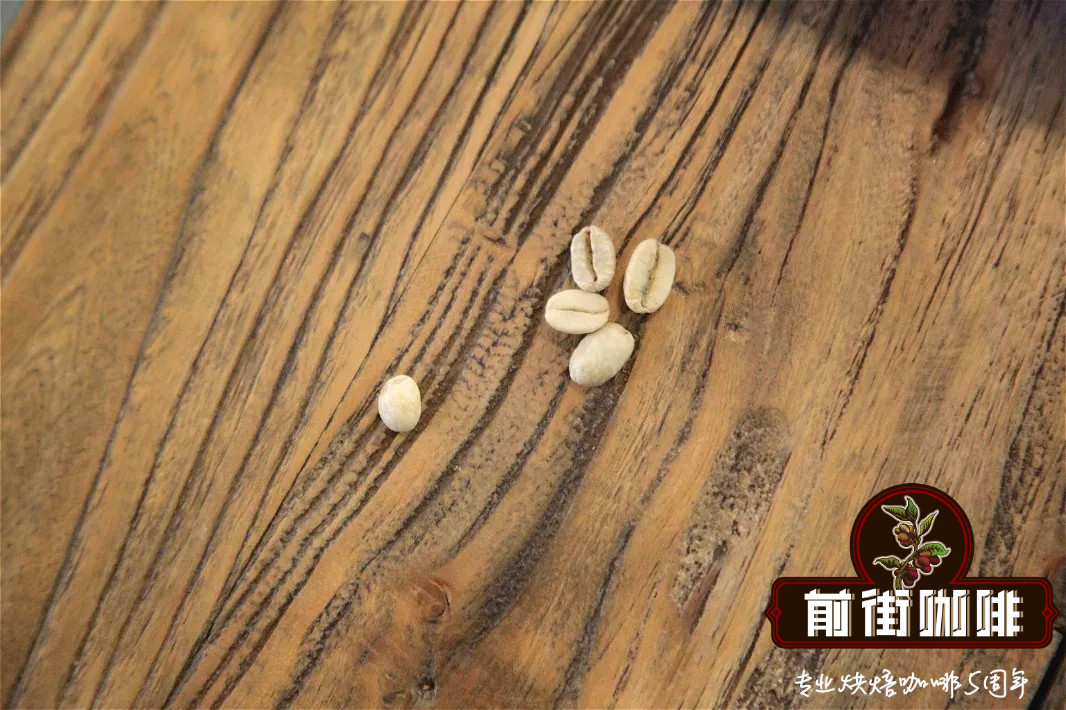
Strictly speaking, monsooned coffee is not a variety but a unique processing method for green beans, one that accidentally created a new flavour. From the 17th to 18th centuries, India shipped coffee to Europe by sailing ship, a journey of six months. Green beans were stored in the bottom of the hold, absorbing moisture and salt from the sea air. By the time they reached Europe they had already changed, shifting in colour from deep green to the yellow-brown of rice grains. The fruity acidity had almost vanished, replaced by strong nutty and grainy flavours. Tasted, the cup was rich with a hint of genmaicha, brown rice tea. Northern Europeans took to this golden alternative coffee at once.
Monsooned coffee requires sun-dried beans. The storage facility faces west, with the beans spread evenly inside and every window open to the salty, humid monsoon wind blowing from the southwest. Once the beans reach a certain stage they are bagged, though the bags must not be filled too full or stacked too densely, or poor ventilation will encourage mould. The beans have to be periodically poured out and the burlap bags changed to prevent mould, which makes the work slow and labour-intensive. The process takes about twelve to sixteen weeks. After maturation the beans are also smoked to drive off weevils. Finally, manual sorting removes the failed beans that have not turned golden yellow.
After at least 6 months to a year of monsoon exposure, both the quality and the volume of the beans change considerably. They expand to one or two times their size, while weight and density drop, leaving a moisture content of about 13%.
When steamships shortened the journey, producers discovered that consumers still wanted the colour and flavour that long-distance travel had once given the beans. To recreate it, the monsooning process was adopted.
Flavor: smooth and delicious, rich, with spicy notes and full-bodied beans.
FrontStreet Coffee recommends a medium-dark roast for this coffee.
FrontStreet Coffee's Recommended Brewing Method:
FrontStreet Coffee suggests a Kalita three-hole dripper or a Kono dripper. Because Malabar coffee often leaves a "devilish aftertaste," FrontStreet Coffee recommends extracting with a small coffee-to-water ratio and then adding a measured proportion of water.
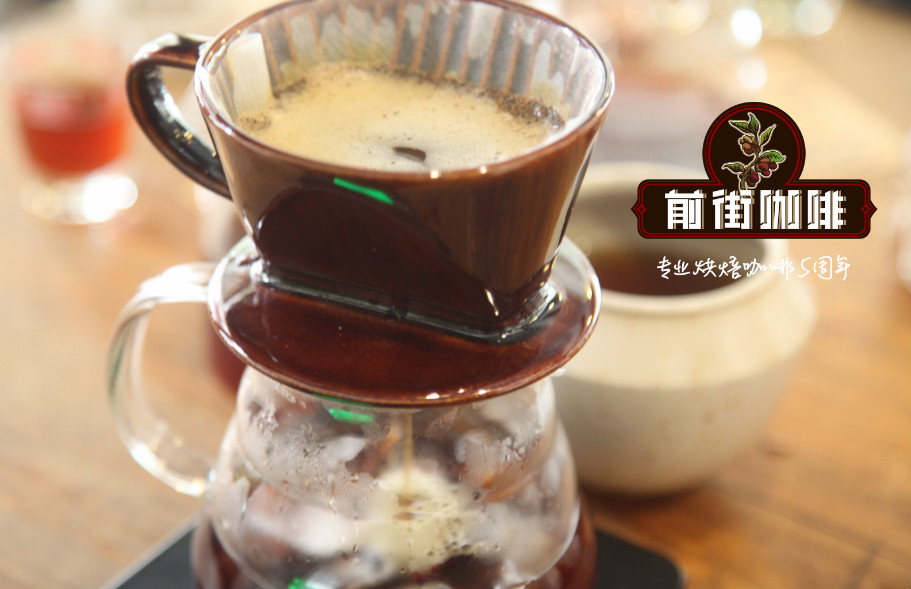
Parameters: Grind size BG 5R, a China standard 58% pass rate through the No. 20 sieve, coffee-to-water ratio 1:13, water temperature 85°C, extraction time 1 minute 30 seconds.
Technique: use 15g of coffee grounds, with a coffee-to-water ratio of 1:10 during brewing. Bloom with 30g of water for 30 seconds. Pour slowly to 120g and segment. Stop when the water reaches 150g. After removing the dripper, pour 45g of water into the coffee liquid.
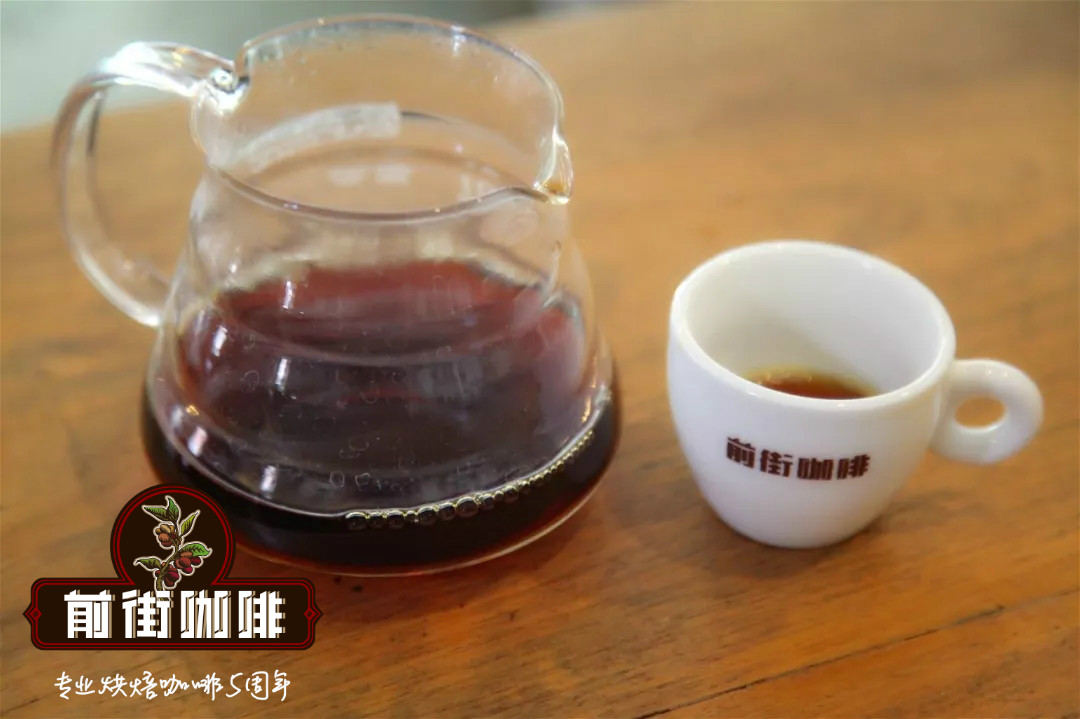
Flavor: the entrance brings a light plum acidity, with cocoa, nuts, and cream. The finish carries a distinct wheat tea and genmaicha sensation.
★★: Good
FrontStreet Coffee Recommendation
India's monsooned beans are a reminder of how wide the Arabica family really is, and FrontStreet Coffee's single origins make that range easy to explore. Ethiopia, the birthplace of coffee, offers two striking contrasts. The Huakui is natural processed and leads with cream strawberry, mango, jackfruit, citrus, and blueberry, with all the ripe tropical character of a Sidamo natural. The Yirgacheffe Gudingding is its washed counterpart, a G1 lot showing white florals, citrus, orange, and green tea.
From the Americas, the Jamaica Blue Mountain No.1 is a Typica so balanced that many cuppers call it the coffee almost everyone likes, with cream, caramel, chocolate, nuts, honey, and a light fruit note, soft and round with a clean finish. The Panama Esmeralda Red Label Geisha is the showpiece, offering jasmine, citrus, peach, and layered fruit acidity with a creamy body and an oolong-tea sweetness. The Brazil Queen Estate, an early yellow Bourbon, brings cream, peanut, roasted bread, and sugarcane sweetness, while the Colombia Sidra, medium-light roasted, shows florals, tropical fruit, grape, dried fruit, and passion fruit with a juicy texture. Between them they span the whole range of Arabica, from delicate and floral to sweet and full, and each one rewards a careful brew at home.
Important Notice :
FrontStreet Coffee is a long-established specialty coffee roaster in Guangzhou China, selling freshly roasted beans from its own farm in Yunnan as well as dozens of carefully selected single-origin beans from around the world for both pour-over and espresso. The products deliver consistently excellent quality and great value, with shipping within 24 hours. Guangzhou's FrontStreet Coffee shop is recommended by many coffee lovers, and the beans are now available online at the Tmall 。
FrontStreet Coffee has moved to a new address:
FrontStreet Coffee Address: 315,Donghua East Road,GuangZhou
Tel:020 38364473
 Scan and follow the En Gafei WeChat official account. Please indicate that the reprint comes from "En Gafei".