Indian Coffee Brand Monsooned Malabar - Story and Flavor Characteristics Introduction

India is a country that lives up to its reputation as the "land of miracles" - indeed, many people do not know that India produces coffee beans! India's coffee processing method is equally miraculous - it uses sea winds to process the coffee. Can you believe it?
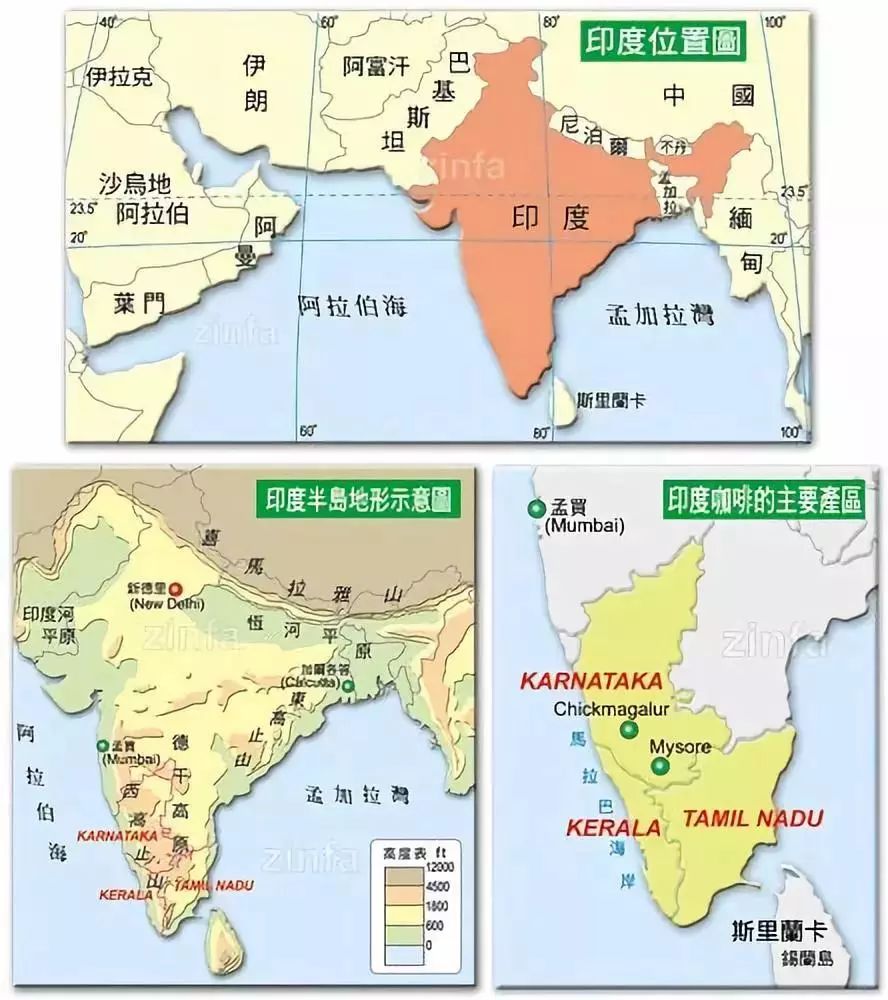
Asia's Earliest Coffee-Growing Country - India
Around 1600, an Indian Muslim named Baba Budan traveled to Mecca for pilgrimage and secretly brought back seven coffee seeds from Mocha to India. He planted them in the Chandragiri mountains of Karnataka state, where he practiced meditation, thus initiating India's coffee cultivation industry.
How Did Indian Coffee Develop Its Unique Flavor?
Monsooned coffee was created by accident. During the 17th-18th centuries, merchants transported coffee from India to Europe by sailing ships. Each journey took at least six months. The raw coffee beans were stored at the bottom of the ship's cabin, absorbing moisture and saltiness from the sea air throughout the journey. Sometimes the beans would get soaked by seawater, then dried, only to be soaked again.
As you can imagine, by the time the raw beans reached Europe, they had deteriorated. The green color of the coffee had completely faded and turned yellow, the fruity acidity had almost disappeared, and, surprisingly, nutty and grainy notes emerged. The taste resembled genmaicha (green tea with roasted rice). Unexpectedly, Europeans actually developed a liking for this golden-colored alternative coffee from distant oceans.
However, in 1869, an important historical event occurred - the opening of the Suez Canal. Shipping also transitioned from the age of sailing ships to steamships, significantly reducing travel time between India and Europe. Perhaps having become accustomed to this unique flavor, European customers began to complain that "Indian coffee had lost its flavor," and orders dropped sharply. Indian exporters realized something was wrong and began researching how to solve the problem.
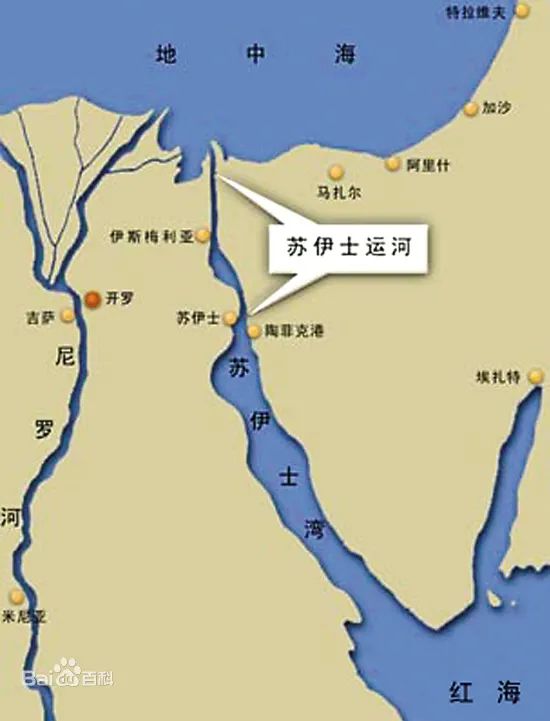
They later discovered that because the transportation time to Europe had been reduced by more than half, the coffee did not have enough time to mature and "transform," losing its original flavor. Thus, exporters recalled that along India's Malabar coast, from late May to September each year, salty and humid monsoon winds blow from the Indian Ocean - conditions similar to those in the ship's cabin. After experimentation, they successfully created a similar golden-colored coffee, naming it "Monsoon Coffee," commonly known as monsooned coffee.
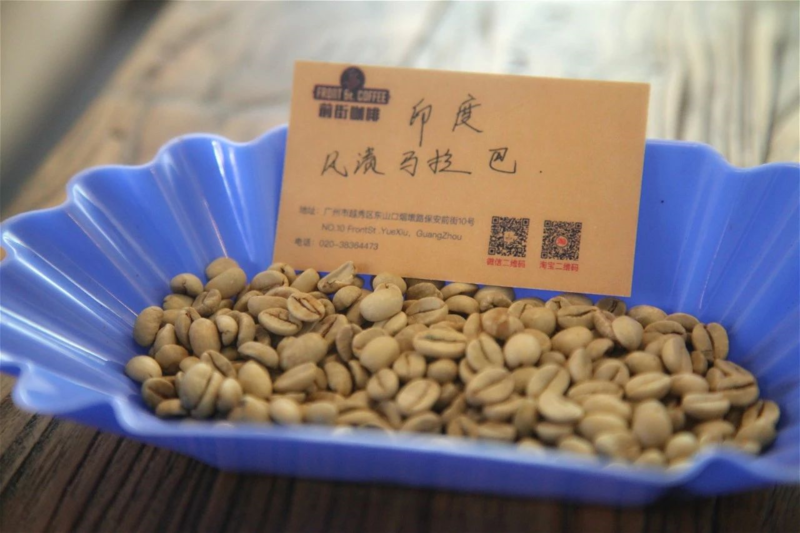
There are few Indian coffee brands, typically only two types: Monsooned Malabar and Mysore Nuggets. Monsooned Malabar raw beans are very dry and yellow in color, with a sweet but somewhat monotonous flavor. This is because they are stored in ventilated warehouses where Indian Ocean monsoon winds blow over them for several seasons before shipping, resulting in no acidity but also somewhat insufficient flavor. In contrast, Mysore Nuggets are fresh green raw beans with richer flavors, featuring woody and grassy aromas, high body, low acidity, and a sweet taste.
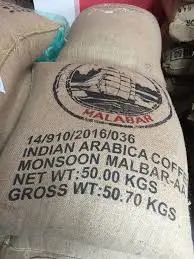
How Is the Monsooning Process Done?
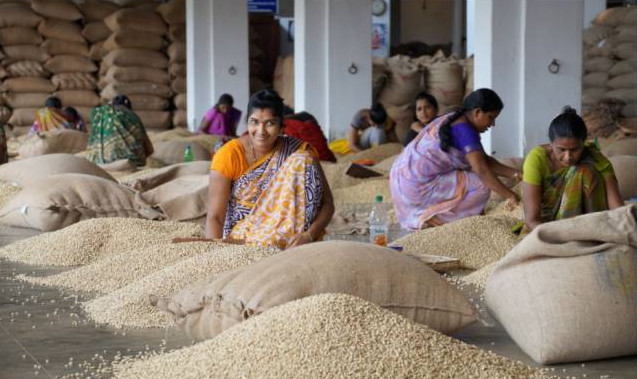
After several experiments, producers successfully recreated the golden-colored, low-acidity coffee of the past, naming it "Monsoon Coffee," commonly known as monsooned coffee. The current production method for monsooned beans involves first selecting good-quality raw beans and transporting them to coastal monsooning fields, where they are spread out to receive exposure to humid southwestern monsoon winds. Experienced workers regularly stir the beans to ensure even exposure. This process lasts for four to sixteen months, during which the coffee beans expand to nearly twice their original size and turn yellow-white, becoming the distinctive Indian Monsooned Malabar coffee.
Monsoon coffee requires sun-dried beans. The storage facility faces west, and coffee beans are spread evenly inside with all windows open to receive the salty and humid southwestern monsoon winds. After reaching a certain level, the beans are bagged, but the bags cannot be filled too full, nor can they be stacked too densely, to prevent mold growth due to poor ventilation. The beans must also be periodically removed and transferred to new jute bags to prevent mold. This process is quite time-consuming and labor-intensive. This period lasts approximately twelve to sixteen weeks. After maturation, the beans undergo smoke treatment to eliminate weevils, followed by manual sorting to remove beans that have not turned golden yellow. After at least six months to a year of monsoon exposure, the beans undergo significant changes in quality and quantity. Coffee beans expand to one to two times their original size, with reduced weight and density, reaching a moisture content of about 13%.
Product Details: Indian Monsooned Malabar
Origin/Estate: Malabar Estate
Geographical Environment: Altitude above 1000 meters
Processing Method: Monsooned, Natural
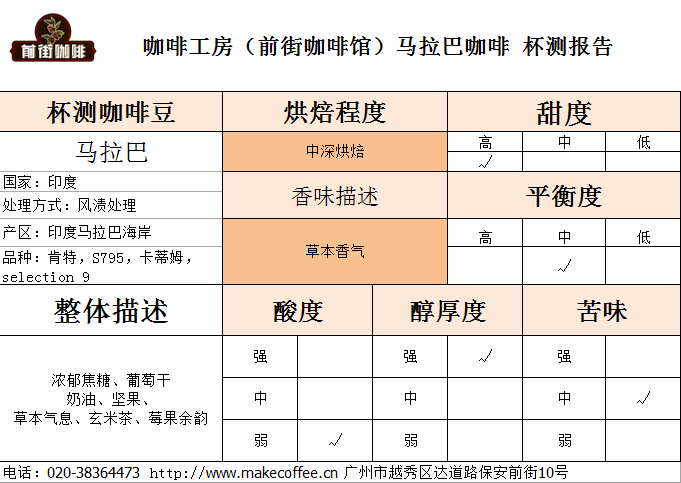
Flavor Profile: Noticeable sweetness, thick body with excellent oily texture, chocolate sweetness, biscuit and fruity sweetness
FrontStreet Coffee Roasting Recommendations
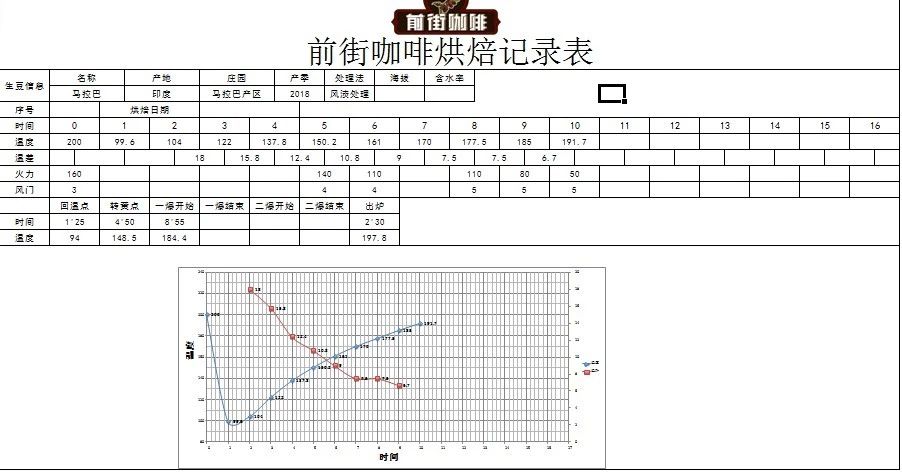
This coffee has average bean density. Roast with medium heat, steadily increasing temperature. The yellowing point occurs around 4 minutes and 50 seconds, then reduce heat and open the air damper to enter the Maillard reaction. When first crack begins, open the air damper fully while maintaining heat at approximately 184.4°C. Drop the beans 2 minutes and 30 seconds after first crack.
Roasting Machine: Yangjia 600g semi-direct heat
Preheat the roaster to 200°C, set the air damper to 3, and start heating after 30 seconds. Adjust heat to 160. The temperature recovery point is at 1'25". Maintain heat. Yellowing occurs at 4'50", the grassy aroma disappears, and the coffee enters the dehydration stage. Reduce heat to 140, open the air damper to 4. When reaching 168°C, reduce heat again to 110.
Dehydration completes at 8 minutes. The bean surface shows wrinkles and black patterns, the toasted bread aroma turns to coffee aroma, signaling the prelude to first crack. At this point, maintain heat unchanged, open the air damper to 5, and listen carefully for first crack. First crack begins at 8'55", open the air damper fully to 5. Development time after first crack is 2 minutes and 30 seconds, dropping at 197.8°C.
FrontStreet Coffee Brewing Recommendations
Dripper: KONO
Water Temperature: 83°C
Water-to-Coffee Ratio: 1:15

FrontStreet Coffee Brewing Technique
Technique: 30g water for bloom, bloom time 30s
Segments: Pour water to 125g, pause, then use a slightly larger water flow to pour to 225g. Total extraction time 2 minutes.

Flavor Description
Rich caramel, raisin, and herbal notes, with a mouthfeel similar to genmaicha and a berry-like aftertaste.
FrontStreet Coffee Recommendation
Monsooned Malabar is loved for its heavy body, low acidity, and sweet, earthy depth, and FrontStreet Coffee has medium-roasted beans in the same comfort zone. The Brazilian Queen Estate, a rare Yellow Bourbon, brings creamy peanut, chocolate, toasted bread, and sugarcane sweetness that works for pour-over, moka pot, or espresso. The Jamaican Blue Mountain No.1 is another balanced, low-acid classic, with cream, caramel, chocolate, and nutty notes.
Important Notice :
FrontStreet Coffee is a long-established specialty coffee roaster in Guangzhou China, selling freshly roasted beans from its own farm in Yunnan as well as dozens of carefully selected single-origin beans from around the world for both pour-over and espresso. The products deliver consistently excellent quality and great value, with shipping within 24 hours. Guangzhou's FrontStreet Coffee shop is recommended by many coffee lovers, and the beans are now available online at the Tmall 。
FrontStreet Coffee has moved to a new address:
FrontStreet Coffee Address: 315,Donghua East Road,GuangZhou
Tel:020 38364473
 Scan and follow the En Gafei WeChat official account. Please indicate that the reprint comes from "En Gafei".