Hawaiian Coffee Bean Varieties and Flavor Profiles? What is the Price of Kona Coffee?
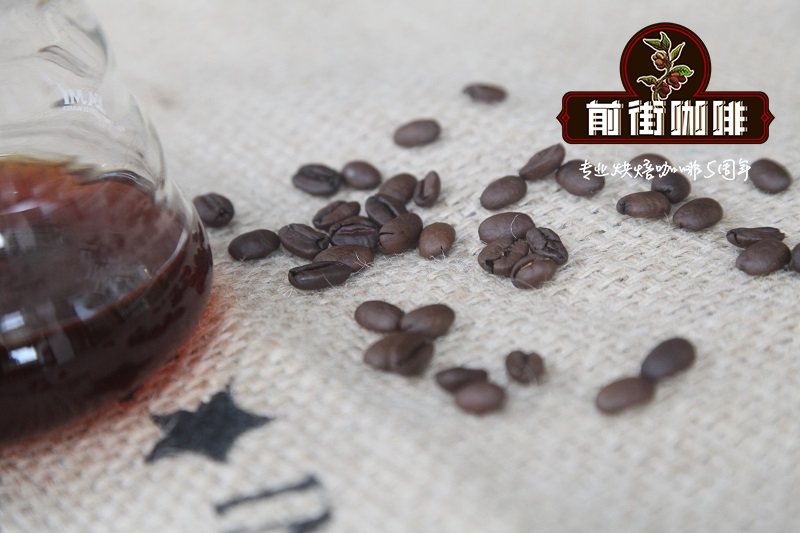
Hawaiian Kona coffee beans have the most perfect appearance of any coffee. Their beans are exceptionally full and glossy, making them the most beautiful coffee beans in the world. The coffee is smooth and rich, with enticing nutty flavors and balanced acidity. It is as captivating and lingering as the colorful landscapes of Hawaii.
The world-renowned "Hawaiian Kona" is a premium coffee bean known for its mellow aroma and bright acidity.
Kona coffee is grown on the slopes of the Mauna Loa volcano along the southwestern coast of Hawaii. In terms of flavor, Kona coffee beans are closer to Central American coffee than to Indonesian coffee. Their average quality is very high, processed with great care, with medium body and good acidity. They have very rich flavors, and fresh Kona coffee is incredibly aromatic. If you find Indonesian coffee too heavy, African coffee too acidic, or Central and South American coffee too bold, then Kona might be perfect for you. Kona is like a woman walking in from the Hawaiian sunshine and gentle breeze: fresh and natural.
Kona coffee beans are uniform in shape and size, with strong acidity and sweetness and a smooth, silky mouthfeel. Because they grow in volcanic soil under high-density cultivation, each bean can be described as a delicately nurtured "noble lady": beautiful, plump, with baby-like delicate skin.
Kona Coffee Bean Characteristics
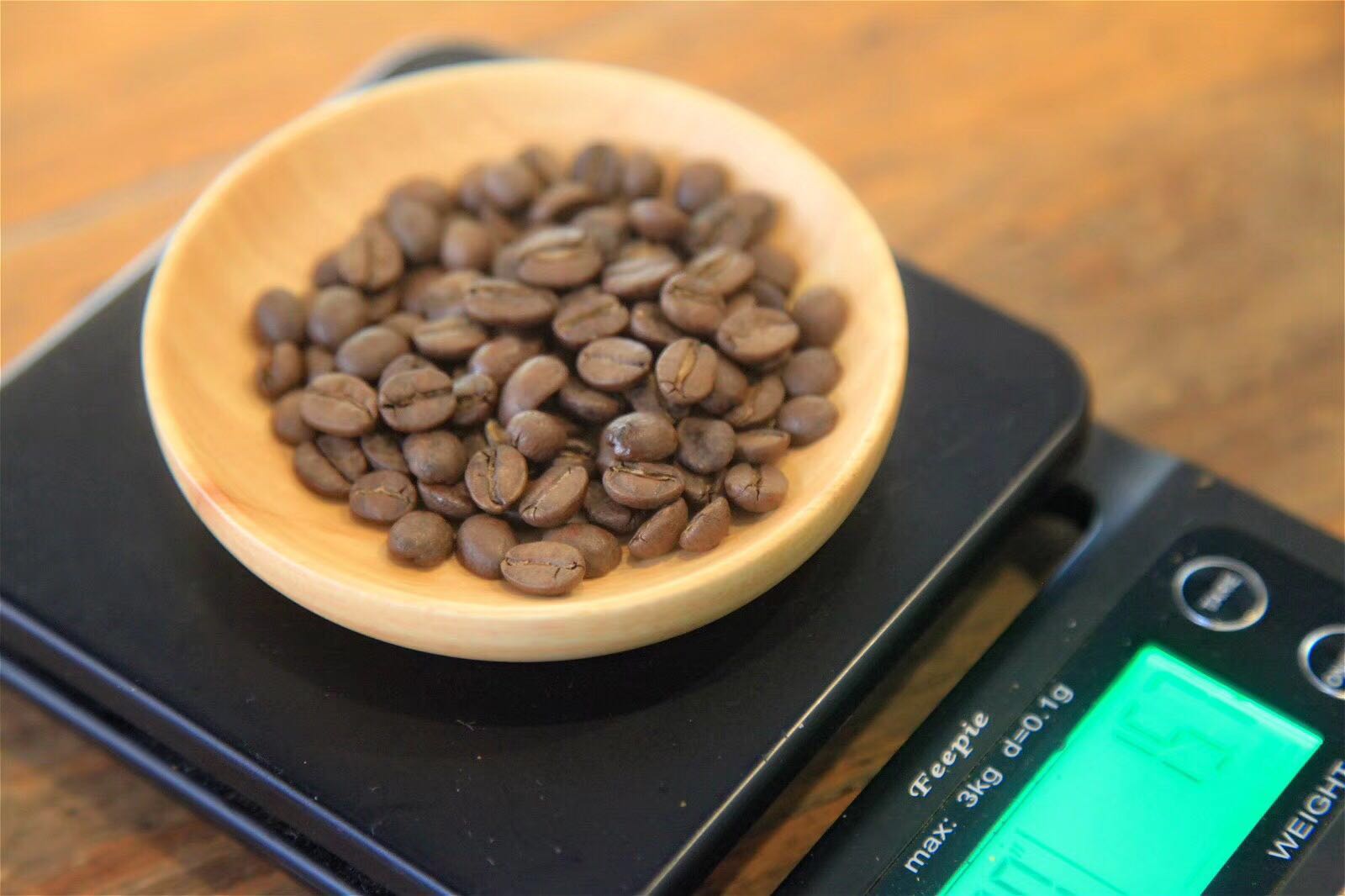
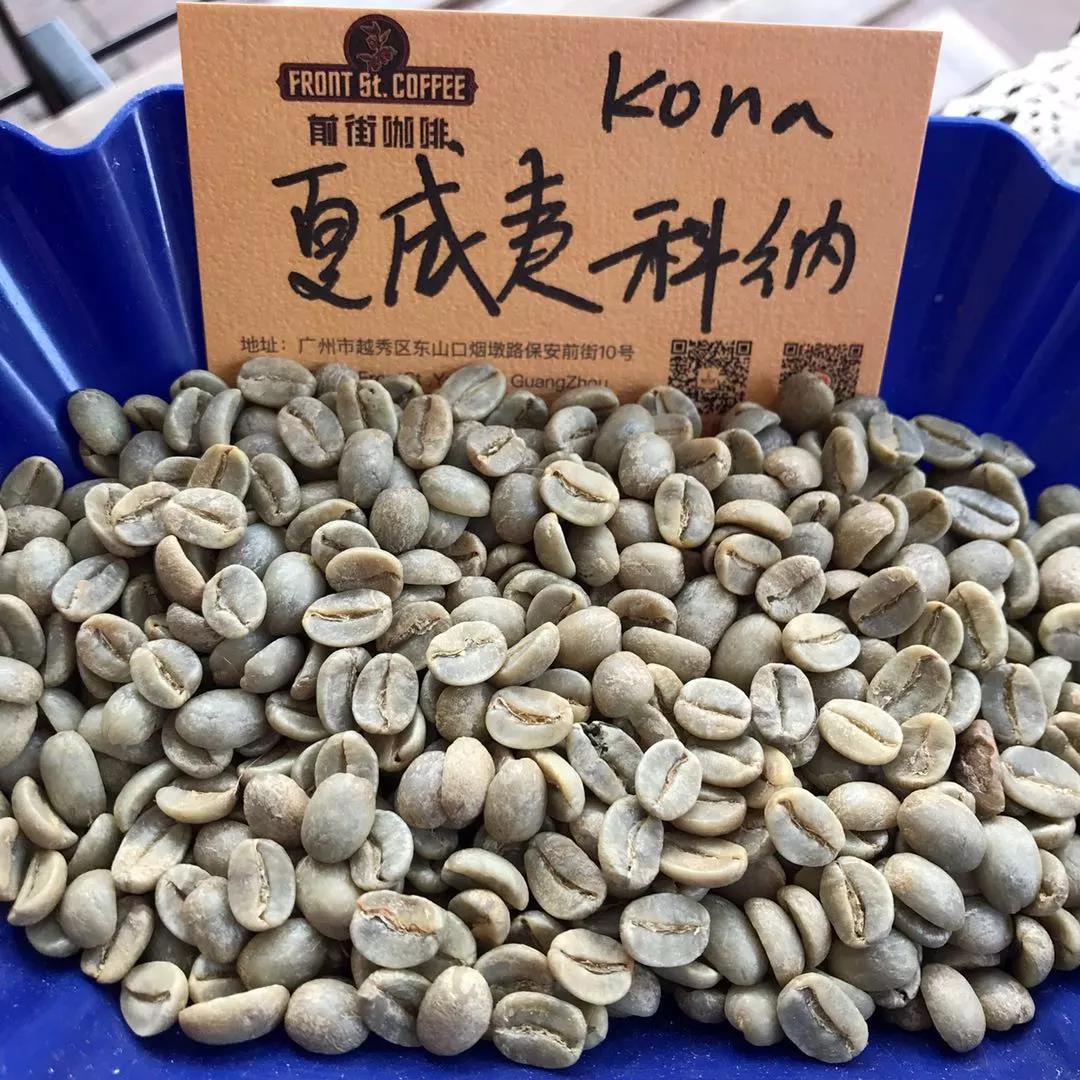
Kona coffee beans are uniform in size with few defective beans. The beans are olive-green in color with a moisture content between 11-13%, exhibiting grassy notes and pungent spicy aromas. The center line of the raw beans shows light brown coloration.
Kona coffee beans are actually divided into five grades, with the first three being most common: Extra Fancy, Fancy, No. 1, Primary, and Peaberry. Peaberry beans are round beans, commonly known as male beans; because some coffee enthusiasts prefer them, they are specially selected and sold at higher prices. About 5% of Kona coffee beans are the Peaberry type. Except for Peaberry, which are specially selected, the other four grades are classified according to bean size, weight, and defect ratio.
Kona Coffee Certification and Value
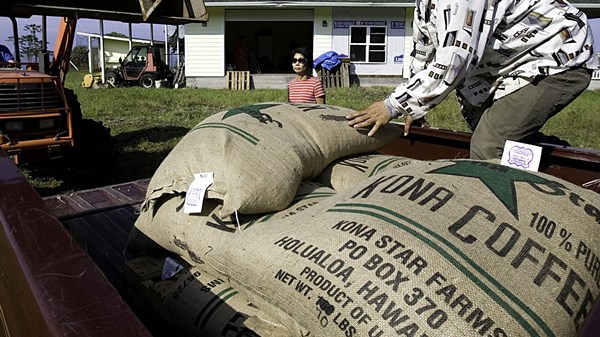
Before Kona raw beans are exported, they are labeled with number tags on burlap bags, indicating certification by the Hawaii Department of Agriculture and accompanied by official identification seals, which makes them more expensive. Kona coffee prices are second only to Blue Mountain coffee. Kona coffee relies entirely on manual labor, from planting, harvesting, washing, and sun-drying to polishing, so limited production plus US labor costs make it high quality and expensive. Currently, Hawaiian 100% Kona coffee ranks alongside Blue Mountain coffee as a synonym for premium coffee.
Ideal Growing Conditions
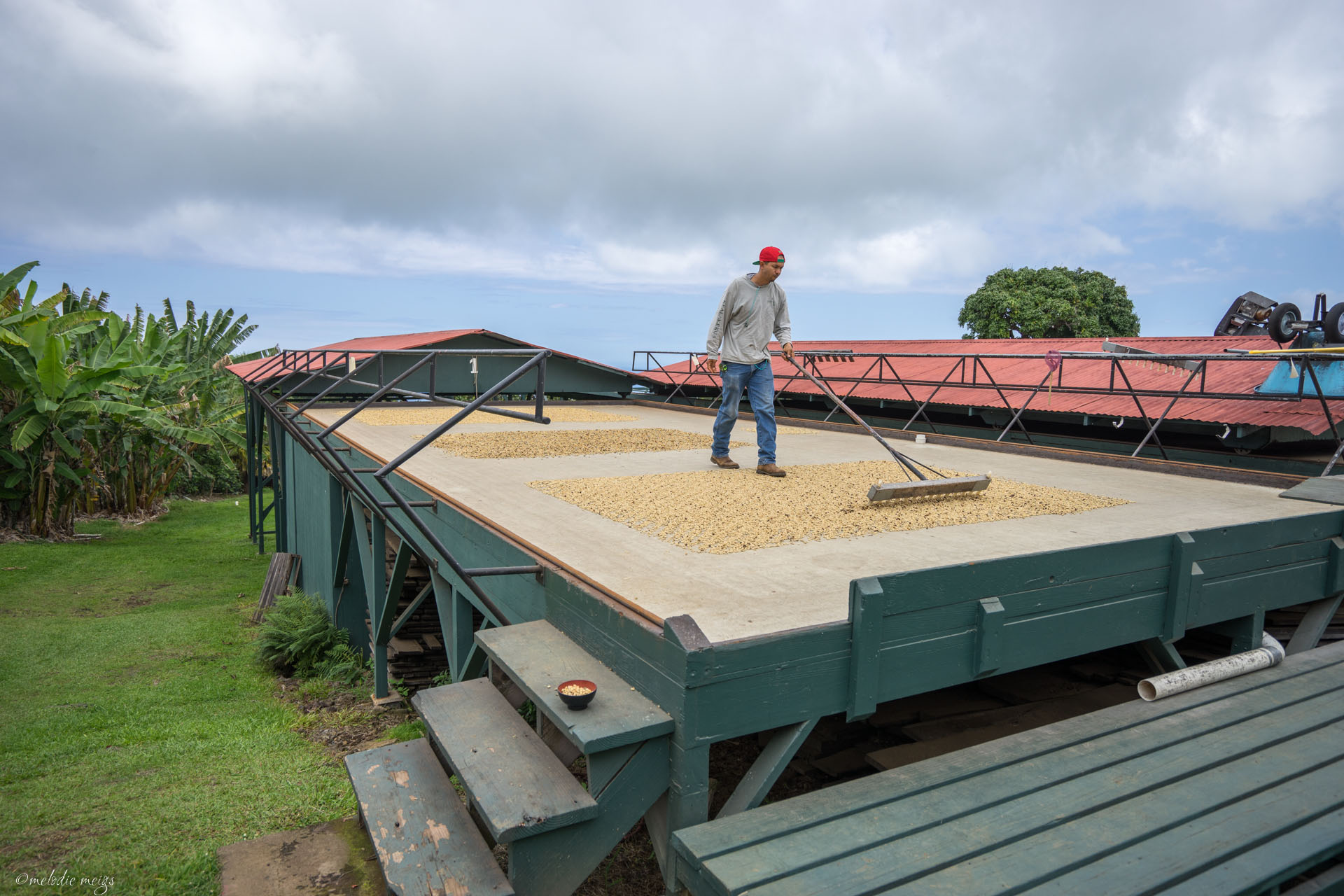
Although Hawaii is frequently affected by tornadoes, the climate conditions are indeed very suitable for coffee cultivation. There is abundant rainfall and sunshine, with no worry of frost damage. In addition, there is a unique natural phenomenon called "free shade." On most days, around 2 PM, clouds appear in the sky, providing necessary shade for the coffee trees. It is these superior natural conditions that make Arabica coffee production in the Kona region higher than on any other plantation in the world, while maintaining high quality. The unique growing and climate environment creates a richer coffee flavor.
To the disappointment of coffee enthusiasts, however, only about 1,400 hectares produce Kona coffee. Moreover, because of Hawaii's high income levels and many tourists, Kona coffee prices are extremely expensive. Even "Kona blends," with Kona bean content not exceeding 5%, are being sold. Neighboring islands such as Maui, Kauai, and Molokai have also begun commercial coffee cultivation.
Hawaiian Kona Coffee Bean Brand Recommendations
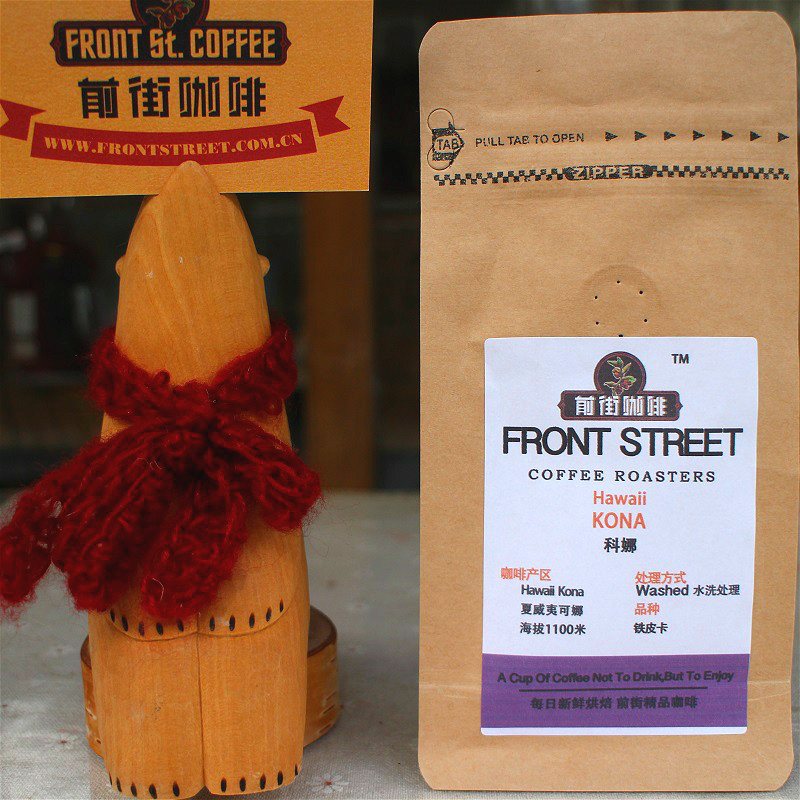
The Hawaiian Kona coffee beans roasted by FrontStreet Coffee carry full guarantees in both brand and quality, and offer an outstanding cost-performance ratio.
FrontStreet Coffee Recommendation
Hawaii and Indonesia are both island origins shaped by volcanic soil, yet the two islands' coffees could hardly taste more different. Kona is the light, bright, fruit-sweet style; Sumatra, by contrast, is the deep, earthy, low-acid style that made Mandheling famous. For anyone curious about the other side of island coffee, FrontStreet Coffee's Mandheling is the place to begin. It comes from the Lintong region around Lake Toba in Sumatra and is processed with the local wet-hulled method. Given a medium-dark roast to present the classic Mandheling flavor, it is low in acidity and full-bodied, with rich caramel, dark chocolate, and toast aromas and a long, sweet finish. It suits anyone who loves a bold cup.
For the top of the category, choose the FrontStreet PWN Golden Mandheling. PWN specializes in buying premium Mandheling green beans, and its Golden Mandheling is selected to exacting standards, with each 300-gram sample required to hold fewer than three defective beans to meet the highest G1 grade, then screened three times by hand. The result is complete, uniform, translucent beans and a cup of sandalwood, herbal, spice, roasted hazelnut, caramel, and dark chocolate notes, clean and full with a deep, layered aroma.
Important Notice :
FrontStreet Coffee is a long-established specialty coffee roaster in Guangzhou China, selling freshly roasted beans from its own farm in Yunnan as well as dozens of carefully selected single-origin beans from around the world for both pour-over and espresso. The products deliver consistently excellent quality and great value, with shipping within 24 hours. Guangzhou's FrontStreet Coffee shop is recommended by many coffee lovers, and the beans are now available online at the Tmall 。
FrontStreet Coffee has moved to a new address:
FrontStreet Coffee Address: 315,Donghua East Road,GuangZhou
Tel:020 38364473
 Scan and follow the En Gafei WeChat official account. Please indicate that the reprint comes from "En Gafei".