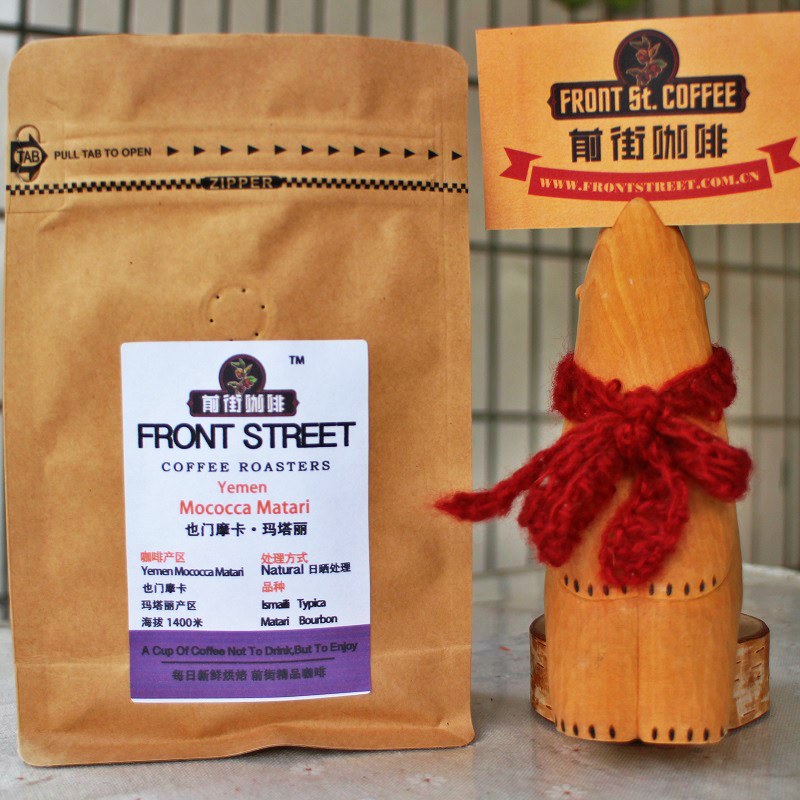
Yemen Mocha Specialty Coffee: Matari Natural Process Flavor Profile and Brewing Methods?
The History of Yemen
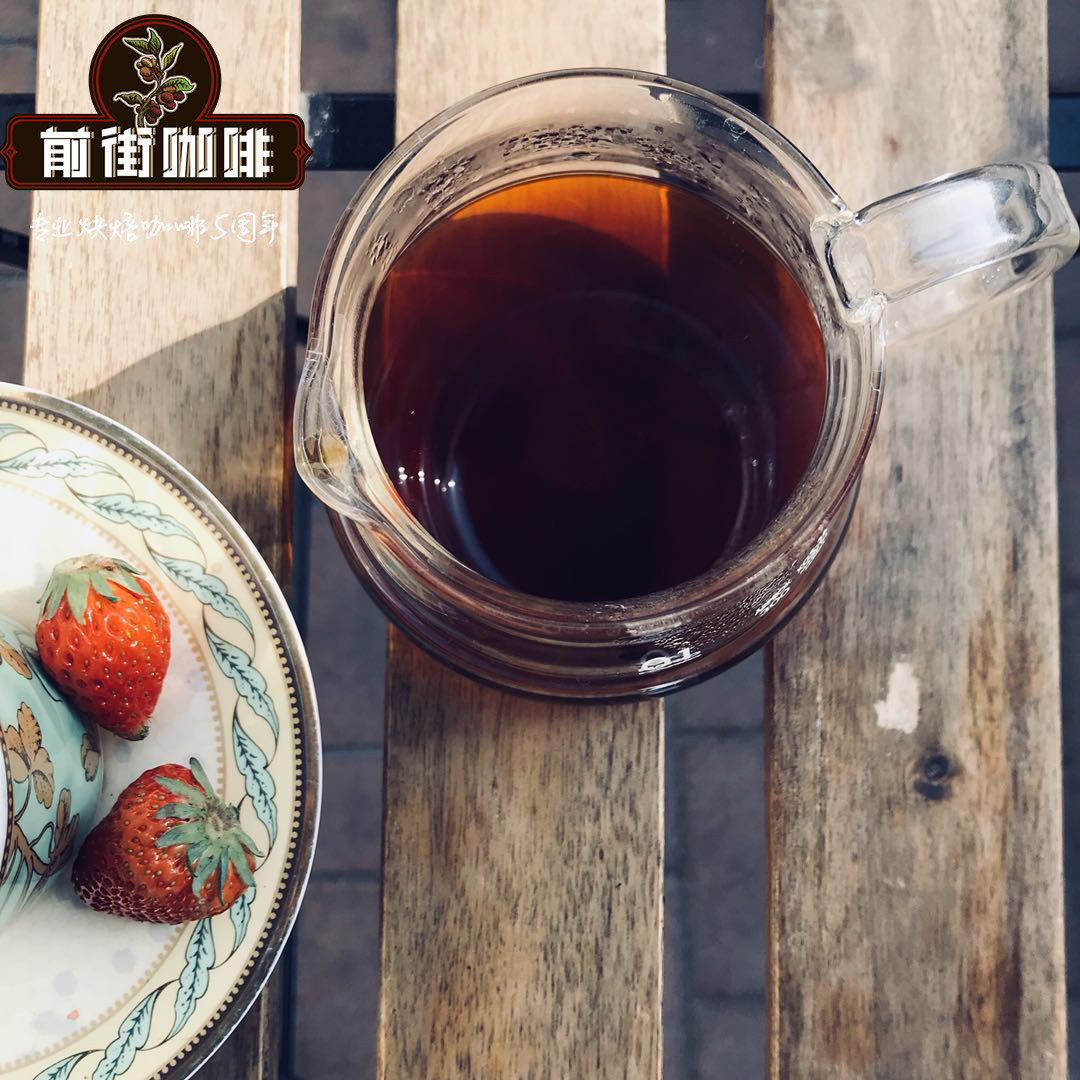
Yemen is famous for its frankincense and spice trade — and as the world's earliest home of cultivated coffee, the original Mocha. A country that preserves a way of life unchanged for thousands of years, Yemen lies just across the sea from Ethiopia. Ethiopian coffee was also exported through the port of Mocha, which is why sun-dried Ethiopian coffee is often called Mocha too. Yemen Mocha is the originator of the world coffee trade; its contribution to spreading delicious coffee around the globe cannot be overstated, and it is honored with the name Arabia Coffee.
Mocha Coffee
Although Ethiopia was the first country to discover coffee, Yemen was the first to grow it as a crop on a large scale. In the early 17th century, the first shipment of Yemeni coffee sailed out of the tiny ancient port of Mocha and astonished Europe. Because every exported bag had to be stamped "MOCHA" to certify it had passed through the port, Europeans came to call the delicious coffee from Mocha harbor "Mocha coffee."
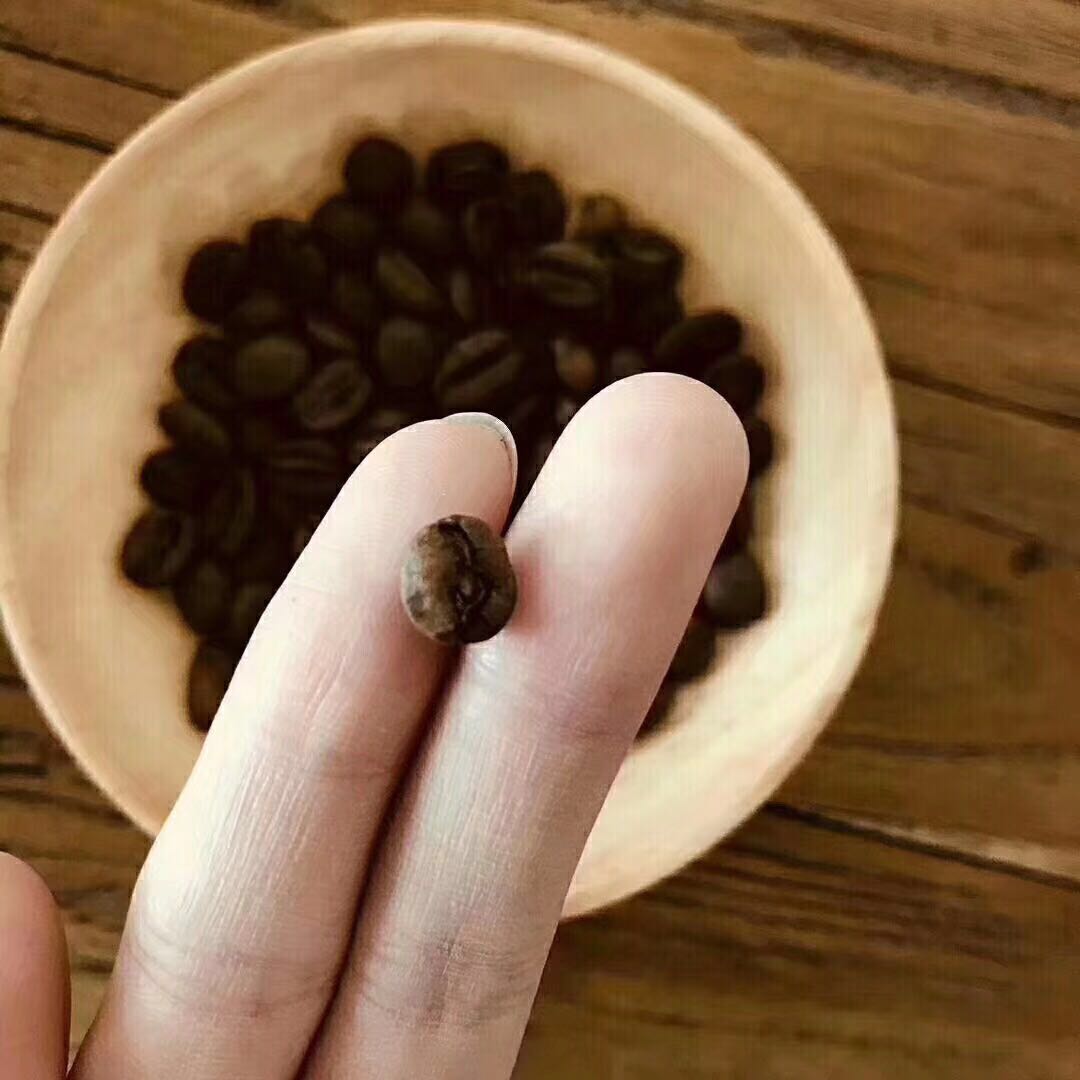
Matari
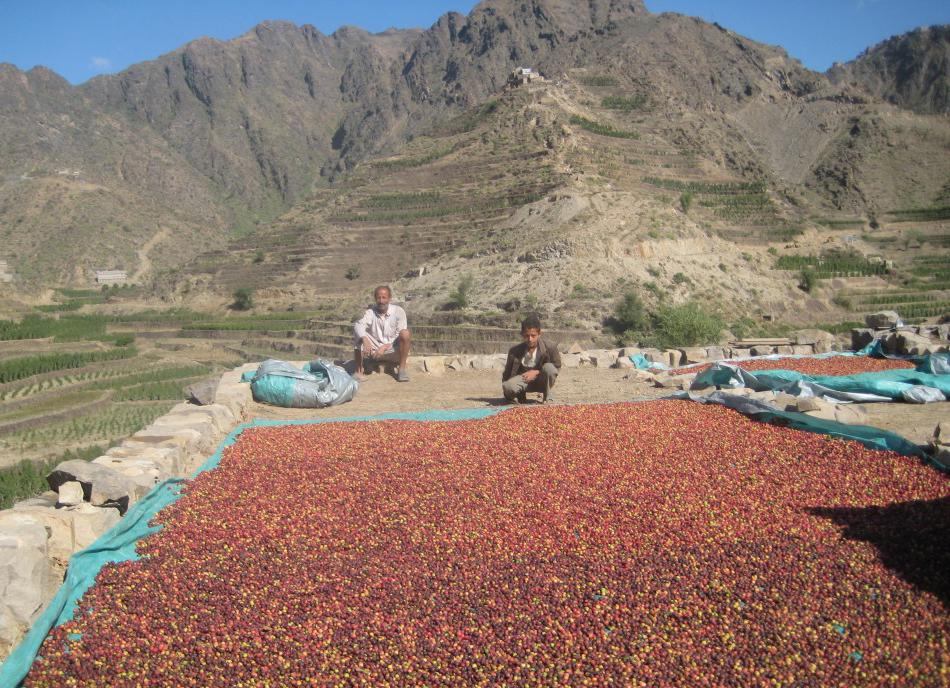
Yemeni coffee grows on steep terrain with little rainfall, poor soil and harsh sunlight — conditions seemingly hostile to cultivation, yet precisely what produced the irreplaceable Yemen Mocha. The main producing regions are Sanani, Matari and Ismaili.
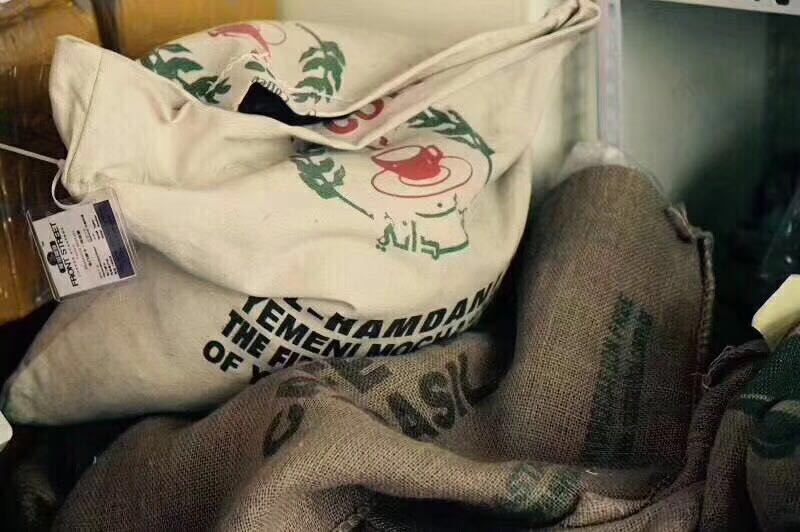
The Matari region lies in the highlands west of the capital, at an altitude of 2,000–2,400 meters.
Ancient Sun-Dried Processing
Yemen is the classic of ancient sun-dried flavor and the world's only country that dries its coffee entirely in the sun. The traditional, water-free drying method has remained unchanged since the 17th century, when Europeans first fell for wild Mocha — a fact tied to the climate. Coffee is grown mainly in the central highlands, where average annual rainfall is a mere 400–750 millimeters, far below the 1,500–2,000 millimeters Arabica ideally needs. In an environment so short of water, farmers have never been able to adopt washed processing. The wild character here surpasses even Harrar coffee, making Yemen the definitive destination for sun-dried flavor.
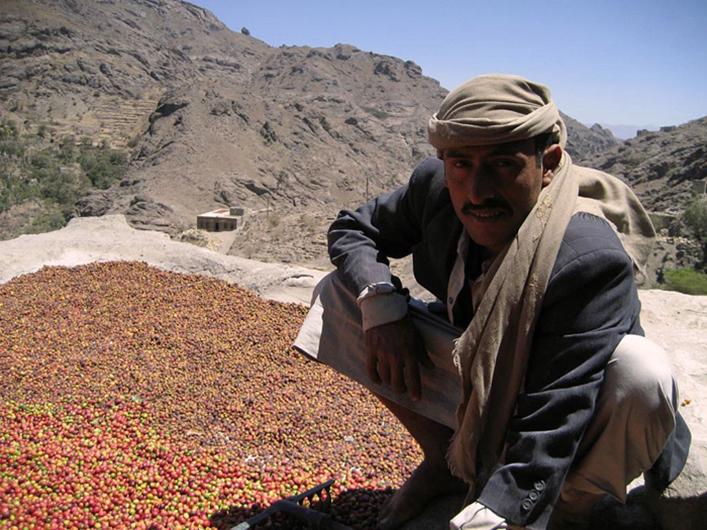
Cupping Report
Yemeni coffee is rich, complex, wild and full-bodied, with pronounced fermentation notes, low acidity and a peanut-like aroma. After grinding, it gives off caramel fragrance, and in the cup the layers keep shifting: a light grape acidity appears and fades in the mouth, while the empty cup leaves a malt sweetness behind.
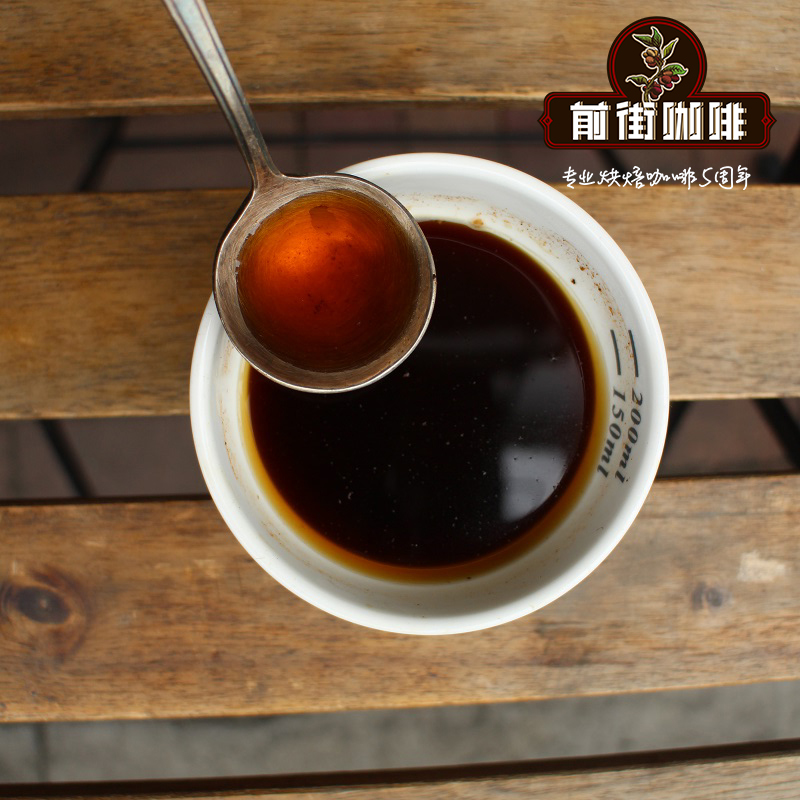
The Coffee Bed Matters in Pour-Over
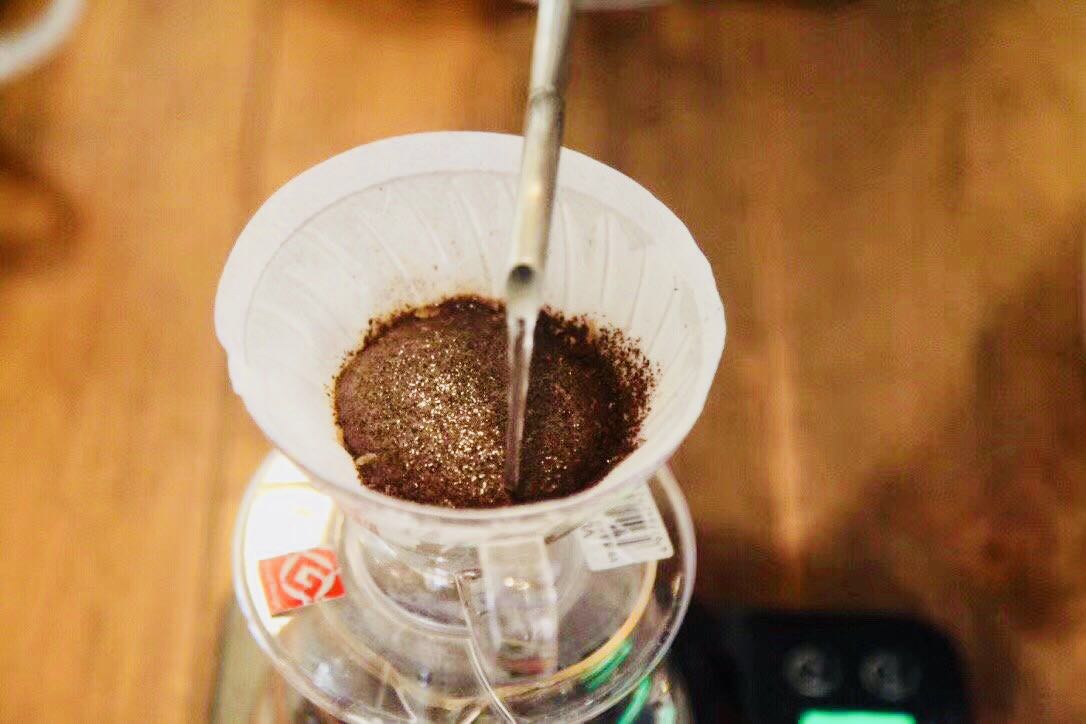
The condition of the coffee bed during pour-over cannot be ignored — this must be emphasized! The bed plays a subtle but vital role: it provides resistance, holding hot water in the dripper long enough for the flavor compounds to extract fully.
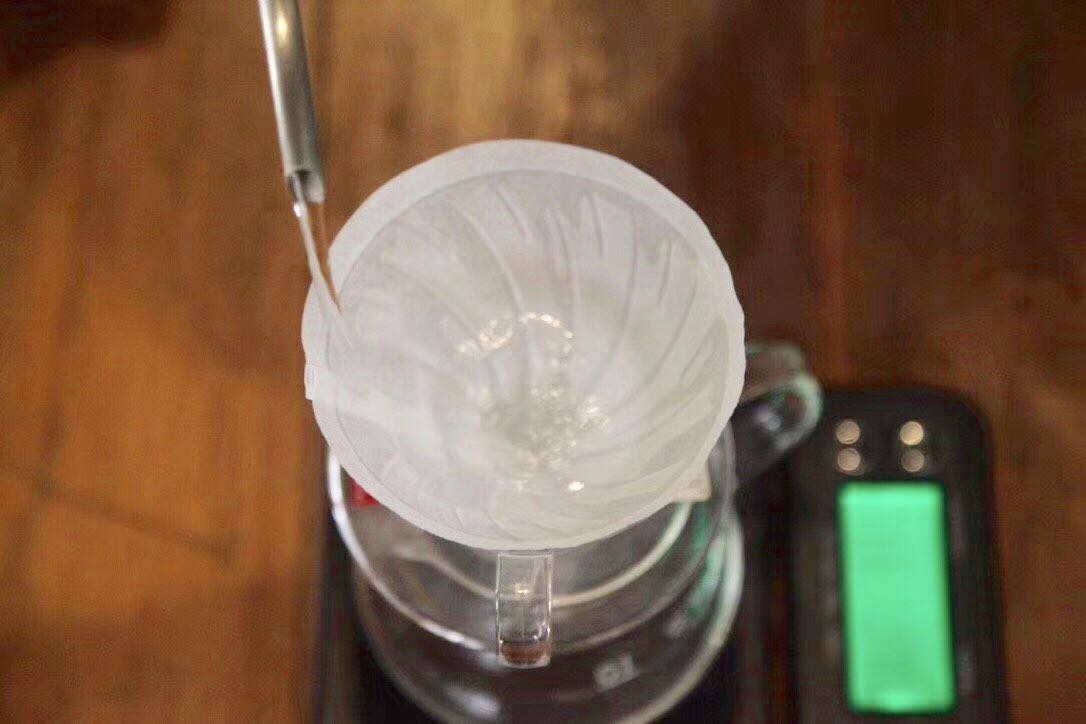
A medium-roast coffee bed needs real structural strength to do its "blocking" work. To keep the bed from collapsing, you must control the water column's intensity, the pouring position, and a steady circular pouring rhythm — together forming a complete pouring technique.
Brewing Parameters
1. Dripper: V60
2. Water temperature: 88°C
3. Grind size: Fuji grinder #4
4. Roast level: medium
5. Bloom time: 25 seconds
Flavor Profile
Flavor: balanced, chocolate, with persistent caramel sweetness in the aftertaste.
FrontStreet Coffee's Recommended Brewing Method
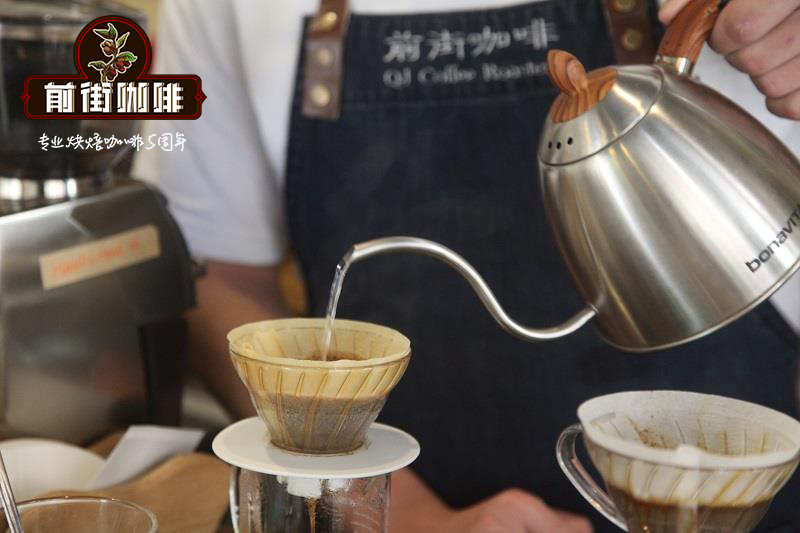
15g of coffee, Fuji grinder #4, V60 dripper, water at 88–89°C. Start with 30g of water for a 25-second bloom, then pour to 104g and stop. Once the water level in the bed drops to half, pour again slowly up to 220g, discarding the last 5g. Ratio 1:15, total extraction time around 2:00 (counted from the end of the bloom pour).

FrontStreet Coffee Recommendation
If Yemen Mocha's wild, sun-dried character captivates you, FrontStreet Coffee's Huakui natural offers a kindred experience from Ethiopia. Sourced from the Hambella district of Guji on a 200-hectare farm, the cherries are dried in full fruit on raised beds for 21 days, turned constantly and hand-sorted every three to five days to remove defects, then hulled and given a final hand-selection.
Roasted medium-light, Huakui shows a delicate fermented wine aroma, florals, citrus and mango over a honeyed, cocoa-toned sweetness with a touch of spice. The body is thick and the finish long — exactly the dense, fruity depth that natural-process lovers chase.
For a cleaner counterpoint, FrontStreet's Yirgacheffe Red Cherry natural delivers peach, cocoa, honey and lemon, with every bean passed through layer upon layer of density, color and hand sorting to guarantee a pristine cup.
Important Notice :
FrontStreet Coffee is a long-established specialty coffee roaster in Guangzhou China, selling freshly roasted beans from its own farm in Yunnan as well as dozens of carefully selected single-origin beans from around the world for both pour-over and espresso. The products deliver consistently excellent quality and great value, with shipping within 24 hours. Guangzhou's FrontStreet Coffee shop is recommended by many coffee lovers, and the beans are now available online at the Tmall 。
FrontStreet Coffee has moved to a new address:
FrontStreet Coffee Address: 315,Donghua East Road,GuangZhou
Tel:020 38364473
 Scan and follow the En Gafei WeChat official account. Please indicate that the reprint comes from "En Gafei".