Why is Blue Mountain Coffee So Expensive? Taste Profile and Pour-Over Parameters for Blue Mountain Coffee
The Legendary Blue Mountain Coffee
On the slopes of Jamaica's Blue Mountains, coffee farms are scattered throughout. The plump, bean-shaped fruits mixed with cherry-like coffee cherries are none other than the world-renowned "Blue Mountain Coffee."
What Makes Blue Mountain Coffee Special?
What makes Blue Mountain Coffee special? Why is it considered one of the world's best coffees? Almost everyone who introduces Blue Mountain Coffee mentions its unique climate environment: the cloud-shrouded mountains and the significant temperature difference between day and night have laid an excellent foundation for the distinctiveness of Blue Mountain Coffee.
Jamaica's Perfect Coffee Growing Region
Jamaica is an island in the Caribbean Sea. To the north, across the water, lies another large island, Cuba. To the east are the island nations of Haiti and Puerto Rico. Jamaica is also one of the most beautiful islands in the Caribbean. The coffee produced there comes in two varieties: highland and lowland coffee. The famous Blue Mountain Coffee is grown at elevations of 2400-2500 meters on the island's mountain slopes. The climate variation on these slopes is minimal, making it an ideal region for coffee cultivation.
Unique Growing Conditions
The unique flavor of Blue Mountain Coffee is related to Blue Mountain's exceptional geographical location and climate conditions. Blue Mountain lies in the coffee belt at 25 degrees north latitude, with fertile new volcanic soil, fresh and unpolluted air, year-round rainfall, high humidity, and significant temperature differences between day and night.
Meticulous Cultivation and Quality Control
Jamaican Blue Mountain Coffee is entirely cultivated and harvested by hand. Emphasis is placed on waiting until the coffee cherries are fully ripe before picking, rather than harvesting unripe green and ripe red cherries all together, which naturally results in quality differences from regular coffee. There is also a focus on reducing pesticide usage, instead employing biological control methods to deal with fungal diseases and leaf-miner pests. Another crucial requirement is extremely strict quality control. Jamaica has thousands of coffee farms of varying sizes. After coffee beans are harvested, they all pass through multiple checkpoints at collection stations and undergo rigorous selection. Any beans that don't meet the standards are "returned." Moreover, qualified Blue Mountain Coffee raw beans approved for export are all packaged in odor-free wooden barrels to maintain the coffee's aromatic flavor. Such cost-no-object attention to quality, combined with limited production that leaves market demand exceeding supply, naturally achieves the prestigious status of Blue Mountain Coffee.
Quality Concerns
Jamaica Blue Mountain Coffee is the finest representative among classic coffee beans in the Caribbean region, truly the pinnacle of coffee excellence. Unfortunately, some recent operators have adopted speculative practices, mixing lower-altitude coffee beans with high-altitude beans and reducing the originally expected quality level. This makes Jamaica Blue Mountain increasingly less remarkable.
FrontStreet Coffee's Roasting Approach
How does FrontStreet Coffee think Blue Mountain Coffee should be roasted for the best results?
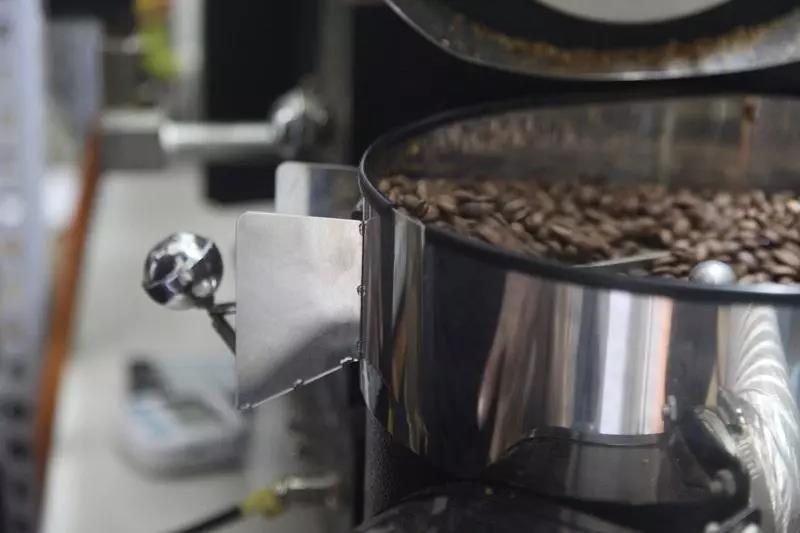
Simply put, roast Blue Mountain "thoroughly" from the inside out, using superior roasting techniques on the foundation of proper roasting to bring out the flavor characteristics of these beans.
Caramelization is the most significant step affecting coffee flavor. After six to seven minutes of roasting, raw beans absorb large amounts of heat energy, initiating pyrolysis reactions and producing the first cracking sound. Some sugars convert to carbon dioxide, water continues to evaporate, new aromatic components gradually develop, and so-called coffee oils form, combining with hundreds of aromatic substances including nicotinic acid, citric acid, quinic acid, malic acid, acetic acid, and caffeine.
Roasting Profile
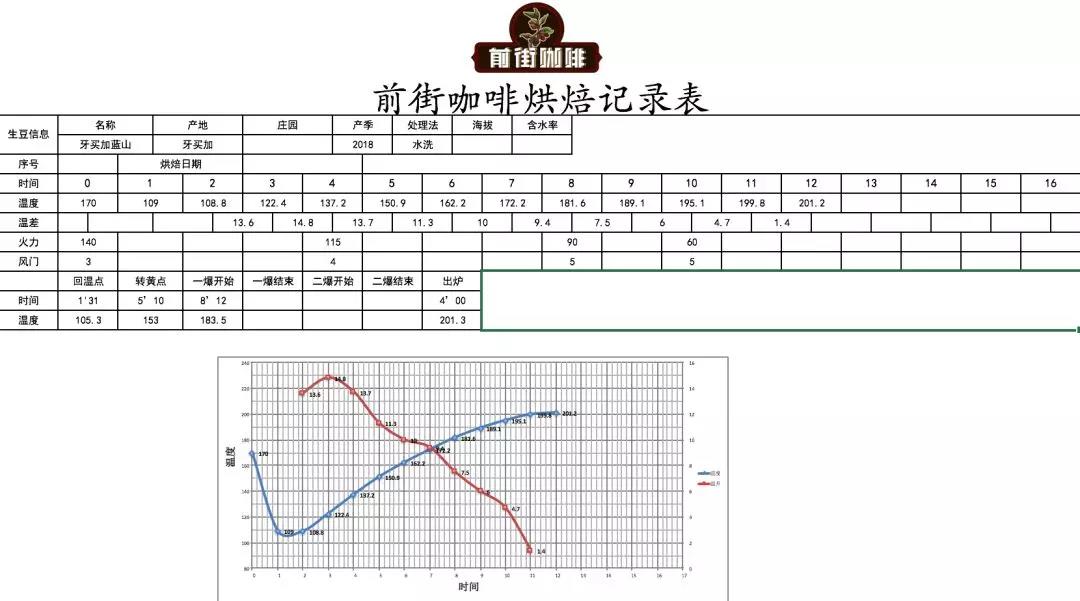
Roasting curve: Preheat the roaster to 170°C, add beans with the air damper at 3. After 1 minute, reduce heat to 140°C, damper unchanged. At 5'10", the temperature reaches 153°C, the bean surface turns yellow, the grassy smell disappears completely, and dehydration is complete. Adjust heat to 115°C, damper to 4.
At 8'00", ugly wrinkles and black spots appear on the bean surface, the toast smell clearly transforms into coffee aroma, which can be defined as the prelude to first crack. At this point, listen carefully for the first crack sound. At 8'12", first crack begins; reduce heat to 90°C and open the damper fully (adjust heat very carefully, not so small that cracking stops). Remove from the roaster at 201.3°C.
FrontStreet Coffee's Brewing Recommendations
FrontStreet Coffee suggests the following brewing methods for Blue Mountain Coffee:
Daily Brewing Filter Choices
For daily brewing, filter cup choices: V60, Kalita Wave, and KONO are all suitable.
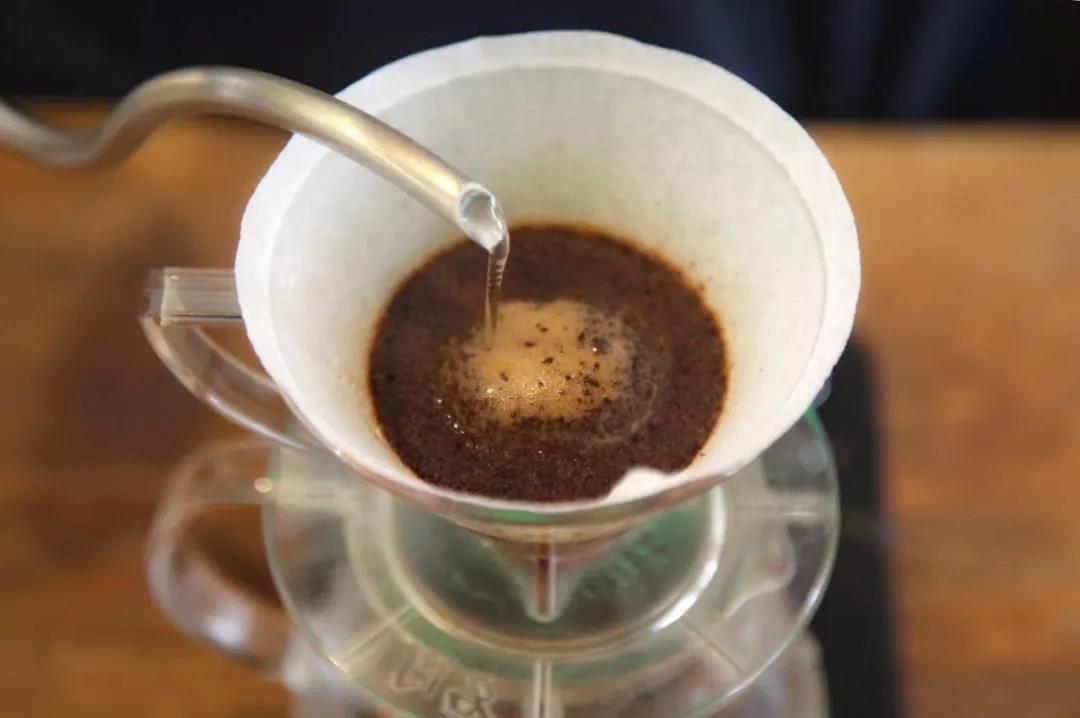
KONO Filter Cup Example
Parameters: 15g coffee, water temperature 84-86°C, BG grind 6M (Chinese standard 20-mesh sieve, 47% pass rate), equivalent to small Fuji grind 4, water-to-coffee ratio close to 1:14, total time around 1:50.
Brewing Technique
Technique: 25-30g water for bloom, bloom time 30s, slowly pour water to about 120g then stop. Wait for the water level to drop until the coffee bed is about to be exposed, then continue pouring to 210g.
Other Extraction Suggestions
French Press: 3.5-4 grind setting / water temperature 86°C
Siphon: 4 grind setting, water temperature: 89°C
AeroPress: 2.5 grind setting, water temperature 86°C
Tips
Blue Mountain has a relatively dark roast degree. If the water temperature is too high, it will easily develop astringency and have very obvious smoky flavors.
FrontStreet Coffee Recommendation
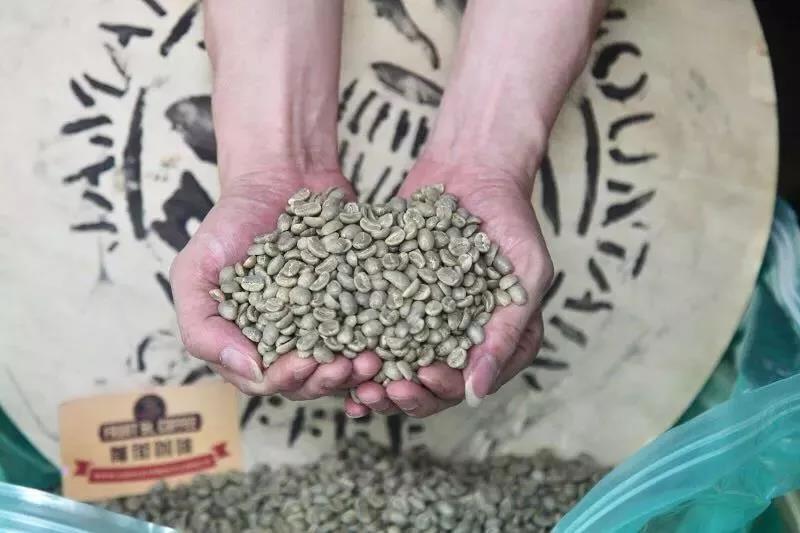
If you want to experience genuine Blue Mountain flavor for yourself, FrontStreet Coffee's Jamaica Blue Mountain No. 1 is the benchmark. It comes from the long-established Clifton Mount Estate, where coffee has been grown and processed since around 1750, on land averaging 1310 meters (about 4300 feet). Enough altitude, mild afternoon cloud that shades the hillsides, ample sunlight, and mineral-rich soil give the trees ideal growing conditions and extend the ripening of the cherries. Blue Mountain No. 1 is one of the highest grades, with strict standards for bean size, defect rate, and overall quality, and FrontStreet Coffee roasts it medium-dark so that its classic balance shines: after brewing you taste nuts, dark chocolate, and creamy caramel unfolding in gentle layers, with sweet, acidic, bitter, and aromatic notes in harmony.
FrontStreet Coffee recommends a KONO dripper to reinforce the rich body. Use 15g of coffee, rest the beans 4-7 days from the roast date, and grind slightly coarser than a light-roasted bean - about granulated-sugar size. Brew at 87-88°C; water that is too hot is the usual cause of a scorched, bitter cup, while water that is too cool tastes flat and dull. A 1:15 ratio works best once temperature and grind are right. Pour in three stages: 30g for a 30-second bloom, then to 120g with a slow vertical circle, and finally to 225g with a slightly faster pour and circle to keep the bed from clogging and over-extracting.
Important Notice :
FrontStreet Coffee is a long-established specialty coffee roaster in Guangzhou China, selling freshly roasted beans from its own farm in Yunnan as well as dozens of carefully selected single-origin beans from around the world for both pour-over and espresso. The products deliver consistently excellent quality and great value, with shipping within 24 hours. Guangzhou's FrontStreet Coffee shop is recommended by many coffee lovers, and the beans are now available online at the Tmall 。
FrontStreet Coffee has moved to a new address:
FrontStreet Coffee Address: 315,Donghua East Road,GuangZhou
Tel:020 38364473
 Scan and follow the En Gafei WeChat official account. Please indicate that the reprint comes from "En Gafei".