Sophia Estate Background and the Flavor Profile of Its Most Expensive Super Geisha Premium Coffee Beans
The Rise of Finca Sophia: From BOP Champion to Coffee Excellence
The Panama BOP (Best of Panama) is the Oscars of the green coffee trade. Taking first place can multiply a farm's value a hundredfold. One particular farm spent a decade honing its craft from its founding in 2008; in 2017 it entered the Best of Panama for the first time and walked straight off with the championship in the Geisha washed category! Years later, in 2020, it returned and did it again—washed category champion and second place in the natural category. This is Finca Sophia, today's featured farm.
In 2008, Willem Boot bought a high-altitude farm from Ricardo Koyner, owner of Kotowa Farm, and named it Finca Sophia. Sophia sits near the town of Volcan, Panama.
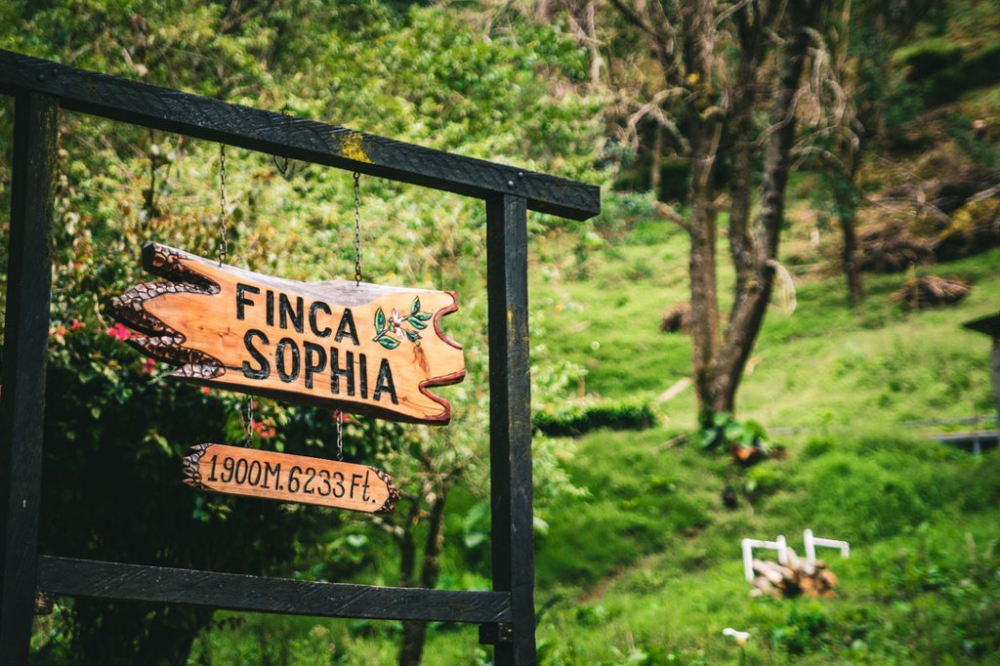
Willem Boot is a veteran of the coffee world. In 2004 he served as a judge at the Panama BOP, where he tasted the Geisha that Hacienda La Esmeralda submitted that year—and fell head over heels for it. Through a fortunate turn in 2005 he purchased Don Pachi Estate to grow Geisha. He also traveled to Ethiopia's Kaffa region in search of Geisha's origins and helped the director of a documentary accompanying that trip establish Gesha Village in Bench Maji. In 2008 came the bold idea: to grow the very finest Geisha.
The Challenges of High-Altitude Farming
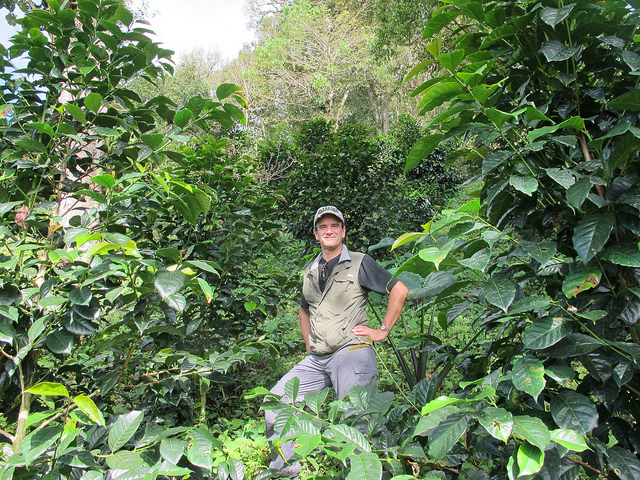
Finca Sophia sits at 1,900-2,150 meters, among the highest coffee farms in Central America. From day one, Willem and his partners set out to test just how high world-class coffee could be grown. They began by planting 15,000 Geisha seedlings at the farm's highest point—but quickly met their first setback. By the third year, every one of those trees had died of frost at the extreme elevation; none survived. In 2012 they planted another 15,000 Geisha seedlings between 1,900 and 2,000 meters. At this elevation the trees grow far more slowly than the typical five-year maturation, needing 7-10 years to reach commercial production—which is why Finca Sophia only brought its limited-production Geisha to the BOP in 2017, and won first place.
Farm Management and Harvest
The farm is named after Sophia, the Greek goddess of wisdom, and its logo honors the highland pigeon (torcaza in Spanish) that inhabits the property. Finca Sophia is jointly owned by Willem and his American partner Equator Coffee Roasters, with day-to-day management handled by Kelly Hartmann, the younger son of Panama's Hartmann coffee family.
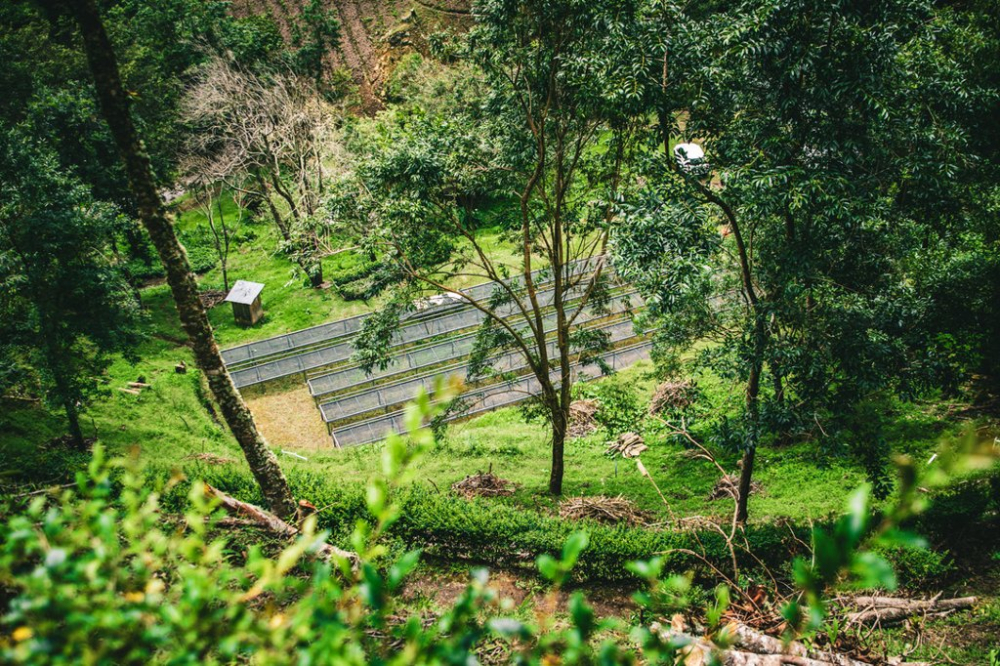
The farm is divided into four zones, with production concentrated in Zones 3 and 4; the higher Zones 1 and 2 need more time to adapt. Finca Sophia's harvest also runs on its own clock. Where Panama's coffee harvest generally runs from August to December, Sophia's high altitude slows maturation, pushing the harvest to February through June of the following year.
Production Philosophy and Flavor
Finca Sophia is a micro-farm, producing only about 300-400 kilograms a year. FrontStreet Coffee currently carries a natural processed Geisha from the 2022 harvest. It undergoes careful natural processing, in keeping with Willem's philosophy that Panama's Geisha does not need fancy tricks—simple natural and washed processing lets the variety speak for itself. That philosophy is exactly what lets us taste such high-quality high-altitude Panamanian Geisha.
To protect the variety's captivating floral and fruit aromas, FrontStreet Coffee roasts it lightly. In cupping comparisons, this natural lot from Finca Sophia shows cantaloupe and rose in the dry fragrance; in the sip, orange, cantaloupe, apple juice, rose, and an oolong-tea sensation—very high sweetness with an excellent aftertaste.

Brewing Recommendations
Grown at high altitude, these Finca Sophia natural Geisha beans are dense, and light roasting does little to change that. So a medium-fine grind (78% pass-through on the China #20 standard sieve) and a fairly high water temperature will extract them well.
FrontStreet Coffee Pour-Over Parameters
Dripper: V60
Coffee amount: 15g
Coffee-to-water ratio: 1:15
Grind size: 78% pass-through on the China #20 standard sieve
Water temperature: 90-91°C
Three-stage spiral pour: first use 30g of water to saturate the coffee bed into a "hamburger" shape and bloom for 30 seconds; then, with a steady, medium-fine flow, spiral to 125g and pause; once the water level drops to two-thirds of the bed, continue with the third pour, spiraling to 225g and stopping. Total extraction time is 2'20".

FrontStreet Coffee Finca Sophia Natural Geisha Flavor Profile
On the palate: orange-like acidity and sweetness, cantaloupe and rose aromas, an apple-juice freshness through the mid-palate, and a lingering oolong-tea finish.
FrontStreet Coffee Recommendation
For drinkers enchanted by Finca Sophia's story, Panama's other legendary Geisha address is the Esmeralda Estate—widely credited with bringing Geisha to the world stage. FrontStreet Coffee carries both the Red Label and Green Label lines. The Red Label (officially "Esmeralda Special") grows at 1,600-1,800 meters, and every batch must cup above 90 points; each batch carries its own independent lot number and comes entirely from a single small plot, letting buyers choose by nuance. The Green Label ("Private Collection") blends batches from multiple plots into the estate's signature high-altitude Geisha flavor, at a friendlier price point—outstanding value for a first taste of classic Panama Geisha.
On the Ethiopian side of the family tree, the FrontStreet Genlana Estate Geisha offers an accessible entry. Grown in Ethiopia's Yirgacheffe zone at a washing station established in 2014 and managed by Israel Degefa, on a site with 700 hectares of coffee, much of it uncultivated, it is sun-dried on raised beds for 14-20 days depending on weather. Roasted medium-light, it shows bright citrus acidity, elegant ginger-flower aromatics, the full sweetness of ripe fruit, and a silky texture with Geisha's signature refined finish.
FrontStreet Coffee is a roastery based in Guangzhou. The shop is small but the bean selection is broad, covering both famous names and rare finds, and online ordering is available as well.
Important Notice :
FrontStreet Coffee is a long-established specialty coffee roaster in Guangzhou China, selling freshly roasted beans from its own farm in Yunnan as well as dozens of carefully selected single-origin beans from around the world for both pour-over and espresso. The products deliver consistently excellent quality and great value, with shipping within 24 hours. Guangzhou's FrontStreet Coffee shop is recommended by many coffee lovers, and the beans are now available online at the Tmall 。
FrontStreet Coffee has moved to a new address:
FrontStreet Coffee Address: 315,Donghua East Road,GuangZhou
Tel:020 38364473
 Scan and follow the En Gafei WeChat official account. Please indicate that the reprint comes from "En Gafei".