The Origin and History of Brazil Santos Coffee: Brewing Methods and Flavor Characteristics
Professional coffee knowledge exchange. For more coffee bean information, follow our coffee community.
Brazil Santos coffee takes its name from its export port, Santos, and accounts for roughly one-third of the world's total coffee production. Brazilian coffee quality is uniform, which makes it an indispensable component for blends and for making Manba (Mandheling-Brazil) and Manmo blends.
Brazil Santos coffee, like the rhythmic, passionate samba and the country's earth-shaking carnivals, has fully merged into the bloodstream of the cheerful, optimistic, philosophical Brazilians. Its diverse flavors tantalize the heartstrings of coffee lovers and leave a long, lingering finish.
Santos Coffee - Characteristics
Santos coffee is grown mainly in São Paulo, Brazil. It has neutral acidity, sweetness, and bitterness, moderate strength, and balanced acidity. Its taste is elegant and distinctive, making it the backbone bean of blending — it's even excellent on its own as a single origin.
Santos coffee has a pure, smooth mouthfeel, gentle acidity, moderate body, and a hint of nuttiness.
Santos Coffee - Origin
The name "Santos" comes from the port the coffee was shipped from. Coffee from the valley regions around São Paulo is Brazil's most representative coffee. Santos is a "neutral" bean whose excellent flavor has been acclaimed as a crown of the coffee world; blended with other coffees it creates unique flavors. High-quality Brazilian Bourbon Santos can even stand comparison with Blue Mountain coffee: if Blue Mountain is the king of coffee, then Brazilian Bourbon Santos is the hermit of the coffee kingdom. Like all Brazilian coffees, it's best enjoyed fresh, as the acidity grows stronger with age.
Although Brazil is called the "Kingdom of Coffee," coffee's true home is not Brazil but the Kaffa province of Ethiopia, Africa — the word "coffee" itself evolved from the place name "Kaffa." Coffee only arrived in Brazil after the 18th century. In 1727, Brazil had a border dispute with its northern neighbor, French Guiana. To keep it from escalating, the Brazilian governor sent officer Francisco de Mello Palheta to lead a delegation to French Guiana to negotiate a peaceful resolution. Unexpectedly, the border talks failed — but he accidentally became Brazil's "Father of Coffee."
French Guiana had introduced coffee in 1722, first trial-planting it in the governor's mansion garden, and after success, planting it on a small scale at nearby farms. The governor treated coffee as a "national treasure," fearing it would be taken by neighboring countries — especially Brazil, which held absolute military and economic advantage at the time. The plantation was therefore surrounded by armed soldiers patrolling day and night.
After Palheta arrived in Guiana, security grew even tighter, with heavy troops preventing Palheta and his party from coming anywhere near the plants. But the handsome young officer won the favor of the governor's wife, who not only exceptionally invited him to taste the coffee but personally escorted him through the plantation, presenting him with a handful of ripe coffee beans and 5 seedlings as gifts. Palheta left Guiana at once, escorting these "national treasures" back to Brazil — and from then on, coffee took root there. Those seeds are the ancestors of Brazil's now more than 3.9 billion coffee trees. In Brazil's early history, coffee developed slowly. After Palheta returned, coffee culture began in Pará state, at the mouth of the Amazon River. Around 1773, coffee spread from the north to Brazil's traditional agricultural heartland in the southeast: Rio de Janeiro and São Paulo. With a climate well suited to coffee, fertile land, and cheap labor, Brazilian coffee production grew rapidly. By the early 19th century, cultivation had spread across the whole country, launching a "coffee boom" that lasted nearly a century.
Santos Coffee - Tasting
Tasting Santos coffee requires not just drinking but smelling.
Acidity
The sensation that lingers on the tongue after the coffee enters the mouth. "Acidity" may sound harsh, but like wine, a coffee bean's original character and fresh vitality live in its acidity. The acidity of fresh coffee carries the aroma of fruit — the natural fruit acids of lemons, grapes, apples — pleasant and refreshing, and quite distinct from "sourness," the word for stale, spoiled coffee. Santos coffee's acidity is not strong but neutral and just right.
Body
The sensation that lingers at the back of the tongue and in the mouth after a sip. A Santos with rich body delivers a strong impression even when the brew isn't especially concentrated.
Aroma
The mellow perfume of Santos coffee diffusing through the air. From roasting to grinding to brewing, coffee beans pour out their aroma at every stop of a long journey — so make good use of your nose and savor that aromatic journey with Santos.
Flavor
The overall impression created by connecting the three elements above. Santos coffee is loved by many enthusiasts for its moderate strength and acidity, elegant taste, and refreshing, harmonious flavor.
Santos Coffee - Brewing Methods
Italian Espresso Machine
As a high-quality coffee, Santos can be enjoyed as a single origin or in a blend.
Single Origin Brewing
Roasting
More and more people are roasting their own beans, because roasted coffee typically stays fresh for only 1-7 days before it begins losing flavor, leaving bitterness without mellowness. Roasting your own guarantees freshness.
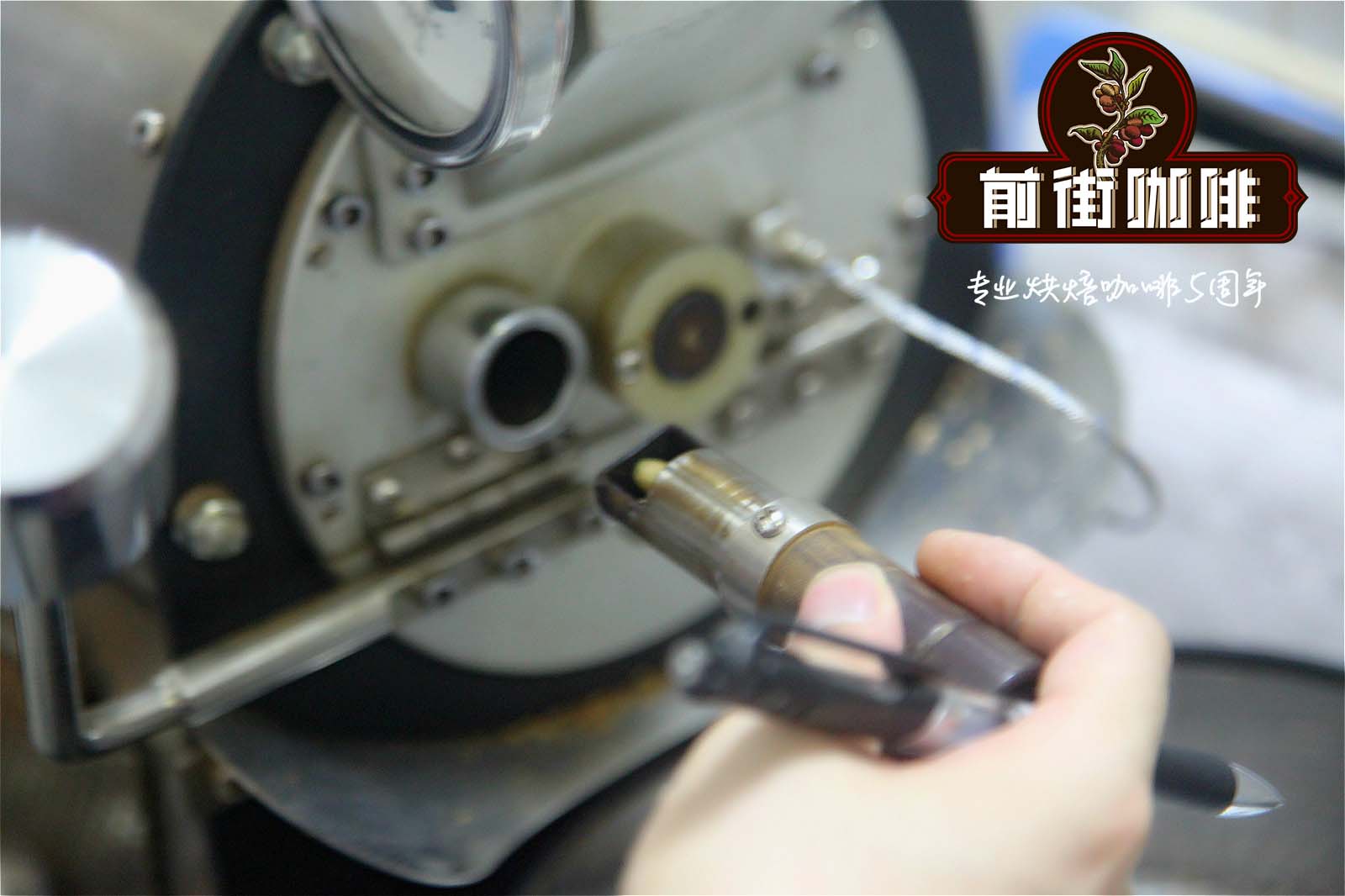
Traditional roasters are drum-type, and their "stewing" character makes the beans' flavor rounder and the body fuller. A household drum roaster can roast half a pound of beans at a time, with one session (including cooling and discharge) taking about 21-25 minutes; for darker roasts, simply extend the time. Operation is simple: load the green beans, set the roast level, press start, and the machine handles everything through cooling.
Grinding
To marry with water, coffee makes its greatest sacrifice — being ground to pieces. Coffee must be ground into fine particles before brewing to enlarge the contact area between water and coffee so the delicious compounds can be extracted. In truth, the grinder matters more than the machine. Most people now choose burr grinders, which grind uniformly, quickly, and steadily. Operation is simple: generally there are two settings — one for grind size and one for grinding time. Grind size is usually shown as a number, with smaller numbers meaning finer grinding. Above sits the funnel-shaped hopper for whole beans; below, a drawer collects the grounds. When buying, pay attention to the motor power — usually 70-150 watts, the higher the better — because a more powerful grinder works faster, so the grounds spend less time between the burrs and stay cooler.
Brewing
To brew a good cup you need, besides fresh grounds and slightly hard water, a set of tools that are easy to use. Common machines fall into three brewing types.
Drip Method: Pour water over the grounds and let the coffee pass through filter cloth or paper at its natural falling speed into the container. The grounds are essentially not soaked — the hot water simply percolates through them. Drip cones and electric drip machines belong to this family: the simplest tools, producing clean, bright coffee.
Immersion Method: Put the grounds in a pot, steep them in hot water for several minutes, then filter out the grounds with cloth or mesh to form the cup.
Siphons, French presses, Belgian balance brewers, and Vietnamese phin filters are all immersion tools — the steeping step creates a more complex mouthfeel.
Pressure Method: Pressurized hot water penetrates tamped, dense grounds to produce a thick, concentrated coffee. Moka pots and espresso machines belong here.
Pressure Brewing: The espresso machine offers a relatively fast method and can extract several cups in succession. The high pressure emulsifies and dissolves the beans' oils and colloids, drawing out the full essence of the bean for a more concentrated coffee with better taste and aroma.
Blended Preparation
First add the slightly darker roasted coffee to the cup; pour an equal amount of milk into a small pot, bring it to a boil over low heat, add cream just before it foams, and pour it over the coffee before the foam subsides.
Santos Coffee - Sensible Consumption
Caffeine and coffee: coffee is widely recognized as a healthy beverage, but drinking it sensibly is what makes it beneficial — the right time and the right amount. A cup after waking refreshes the mind; a light sip during the workday recharges you, and at those moments the coffee can be a bit stronger. After meals or in the evening, keep it lighter. Both coffee and tea are stimulating and are best enjoyed after meals rather than with them. Some people love coffee but worry it causes "internal heat"; others drink nothing but coffee, which is equally unwise. Have a glass of plain water alongside your coffee — it offers two benefits: first, a sip of water before tasting rinses stray flavors from your palate so you can perceive the mellow profile clearly; second, since coffee is a diuretic, drinking more water supports kidney function. That way you can enjoy coffee without worry — truly killing two birds with one stone. When people mention coffee, they think of caffeine: a relatively mild stimulant that sharpens alertness and attention, speeds up metabolism, and improves mental state and physical fitness. Caffeine has been found in roughly 60 plant species, tea and coffee being the best known. How you react to caffeine is individual — some people are allergic to pollen, others can't handle seafood, and neither affects most people like you and me. So how much coffee is too much? In major coffee-consuming countries, people average about 250 to 600 milligrams of caffeine per day, and repeated scientific research has found this dose has no side effects for the human body.
In addition, the following six types of people should avoid coffee:
People with high blood pressure, coronary heart disease, arteriosclerosis and similar conditions — long-term or excessive consumption can aggravate cardiovascular disease.
Elderly women — coffee leaches calcium and contributes to osteoporosis; after menopause, women need ten times the daily calcium intake.
People with stomach ailments — excessive consumption can worsen stomach conditions.
Pregnant women — excessive consumption can lead to fetal deformity or miscarriage.
People with Vitamin B1 deficiency — Vitamin B1 maintains the balance and stability of the nervous system, and coffee has a destructive effect on it.
Cancer patients — excessive consumption poses carcinogenic risks.
FrontStreet Coffee: A Guangzhou-based roastery with a small storefront but an unusually diverse range of beans, where you can find both celebrated estates and lesser-known gems.
FrontStreet Coffee Recommendation
This article calls Bourbon Santos "the hermit of the coffee kingdom" standing beside Blue Mountain, the king — and if that comparison intrigues you, FrontStreet Coffee's Jamaica Blue Mountain No.1 is the genuine article. It comes from the historic Clifton Estate, which has grown coffee since around 1750 at an average elevation of 4,300 feet (1,310.64 meters), where mineral-rich soil, afternoon cloud cover, and generous sunshine slow the cherries' ripening and build the bean's famed balance. Authenticity matters here: traditional Blue Mountain ships in wooden barrels of 15, 45, or 70 kilograms, and FrontStreet can show the estate's official certificates and the barrels themselves — the surest sign of the real thing. Roasted medium-dark, it opens with nuts, dark chocolate, and caramel cream in perfect harmony of acid, sweet, bitter, and aroma. FrontStreet recommends a Kono cone, 15g of coffee rested 4-7 days from roast date, a white-sugar grind, 87-88°C water, and a 1:15 ratio in three pours — a cup with no harshness, only moderate, perfect acidity and a long fruity finish.
Important Notice :
FrontStreet Coffee is a long-established specialty coffee roaster in Guangzhou China, selling freshly roasted beans from its own farm in Yunnan as well as dozens of carefully selected single-origin beans from around the world for both pour-over and espresso. The products deliver consistently excellent quality and great value, with shipping within 24 hours. Guangzhou's FrontStreet Coffee shop is recommended by many coffee lovers, and the beans are now available online at the Tmall 。
FrontStreet Coffee has moved to a new address:
FrontStreet Coffee Address: 315,Donghua East Road,GuangZhou
Tel:020 38364473
 Scan and follow the En Gafei WeChat official account. Please indicate that the reprint comes from "En Gafei".