The Origin Story of Indonesian Sumatran Mandheling Coffee Name History - What is Golden Mandheling Coffee Bean Price Characteristics
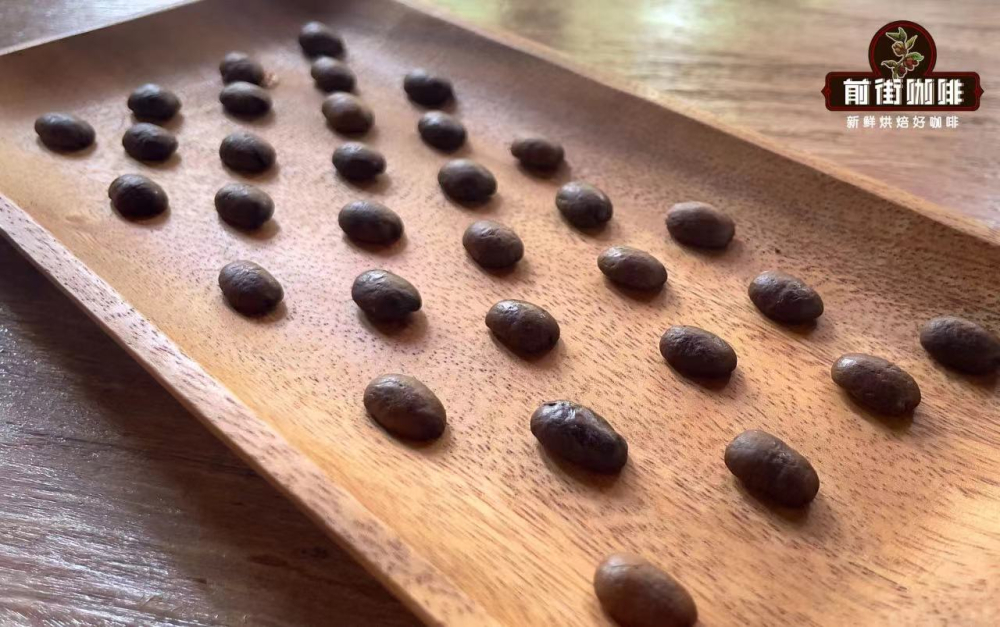
Mandheling coffee is arguably the signature of Indonesian coffee. In many cases, the name "Mandheling" alone stands for the quality of Indonesian beans. FrontStreet Coffee stocks Mandheling as the representative of Indonesian coffee: its flavor is rich in chocolate and nutty notes, and—crucially—it has a heavy body that few other coffees can match.
Yet many people are puzzled about why it is called "Mandheling" at all, and what story lies behind the name. Here is that story.

The Origin of the Mandheling Name
The name Mandheling is a transliteration of the Mandailing ethnic group of Indonesia. During World War II, when Japan occupied Indonesia, a Japanese soldier tasted an incredibly fragrant coffee at a small café. He asked the owner for the coffee's name, but the owner misunderstood and thought he was asking about his nationality, so he replied: "Mandheling." After the war, the soldier remembered the "Mandheling" he had drunk in Indonesia and commissioned an Indonesian coffee exporter to ship 15 tons to Japan. It became unexpectedly popular, and the name Mandheling spread from there.
The Flavor Profile of Mandheling Coffee
Mandheling is counted among the world's most mellow coffees. Tasting it, you feel a distinct smoothness on the tongue. Its acidity is low yet clearly perceptible—a lively micro-acidity that mingles with the intense aroma, letting you sense vibrant notes within the gentle richness. There is also a faint earthy aroma, which some describe as the fragrance of herbs.
Golden Mandheling
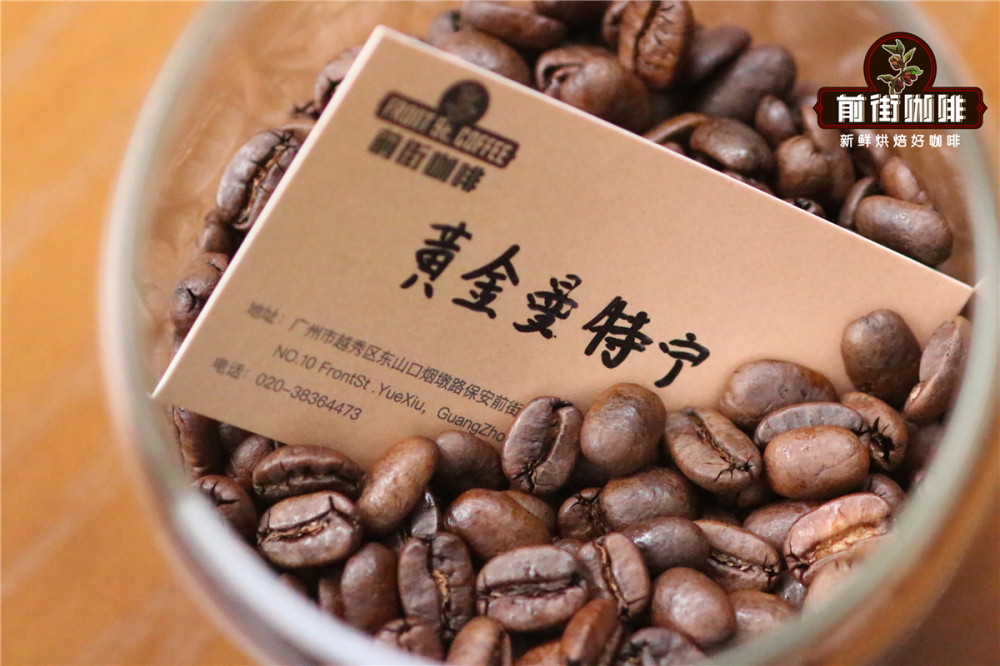
Golden Mandheling is not a grade but a trademark registered by the Indonesian company P.W.N. (N.V. Pawani Medan), founded in 1957, which exports Indonesian products including coffee, rubber, cinnamon, cloves, and patchouli oil. It was the first company to export coffee from North Sumatra and the first to make "Mandheling coffee" famous in Japan. Since 1977, the company has focused on exporting high-quality beans: Sumatran Arabica Mandheling Grade 1 and Robusta AP-1 Grade 2, shipped primarily to Japan, Taiwan, and the United States. Exports to Japan and Taiwan account for over 95%, and in those markets "PWN" has become synonymous with quality assurance.
The company owns the "Golden Mandheling" trademark, which is why Japanese companies had to register "Gold Top Mandheling" instead. The term Mandheling refers to semi-dried or sun-dried beans from the Lindong highlands at 900-1,200 meters around Lake Toba in north-central Sumatra. FrontStreet Coffee's Golden Mandheling undergoes four rounds of manual sorting, ranking it above regular Mandheling with noticeably larger beans. The uniformly sized beans created another wave of market demand that swept through Europe and America as well.
Because its quality is exceptionally high, Golden Mandheling sells at a much higher price than regular Mandheling—which is also why the market is flooded with counterfeits.

FrontStreet Coffee believes authentic Golden Mandheling must come from Indonesia's PWN coffee company, which owns the trademark. Imported Golden Mandheling green beans should carry a certificate of origin from PWN for verification. If a seller cannot provide information about the source of the green beans—a certificate or the original burlap bags—be careful.
FrontStreet Coffee's Golden Mandheling comes from the Gayo Mountains of Aceh, Grade G1, with three rounds of manual selection to ensure large, plump beans (19 mesh) with minimal defects. It shows the very clean, rich mouthfeel and high sweetness that define top-quality Mandheling.

How to Brew FrontStreet Coffee's Golden Mandheling
So how should FrontStreet Coffee's Golden Mandheling be brewed to taste its best?
FrontStreet Coffee's goal when brewing Mandheling is to express a rich yet clean mouthfeel, highlighting caramel, chocolate, and its signature herbal aroma while avoiding unpleasant bitterness. Below, FrontStreet Coffee explains the equipment choices and key brewing parameters, demonstrated with its own Golden Mandheling.

Brewing Guidelines
FrontStreet Coffee suggests brewing with freshly roasted beans, which lets you experience the coffee's flavors at their fullest. Beans shipped by FrontStreet Coffee are all roasted within 5 days of dispatch, because freshness has an outsized effect on flavor. The roasting philosophy is "freshly roasted good coffee," so every order arrives as fresh as possible. The resting period for the beans is around 4-7 days, meaning the coffee is at its flavor peak when customers receive it.
For the dripper, FrontStreet Coffee chose the Kono Meimon. Its defining feature is that the ribs extend only from the bottom to the midpoint, leaving the upper wall smooth. When the filter paper adheres to the wall, water cannot "sneak" down the sides past the coffee bed, which increases the richness of the cup.
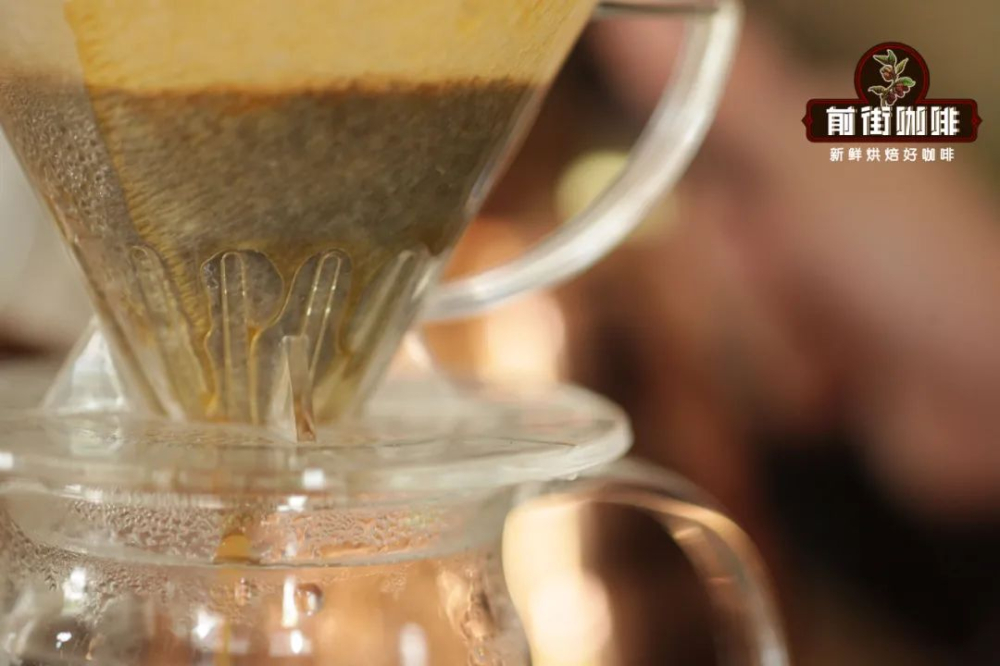
FrontStreet Coffee uses 15g of coffee. The dose is not simply better when larger or smaller—it depends on the dripper size. With a 1-2 cup dripper, 15-20g is a sensible dose; brewing outside that range gets tricky.
For the ratio, FrontStreet Coffee recommends 1:15. Some might suggest 1:13 or even tighter, but concentration and richness are not necessarily correlated, and excessive concentration can be uncomfortable. A 1:15 ratio still expresses Mandheling's full mouthfeel.
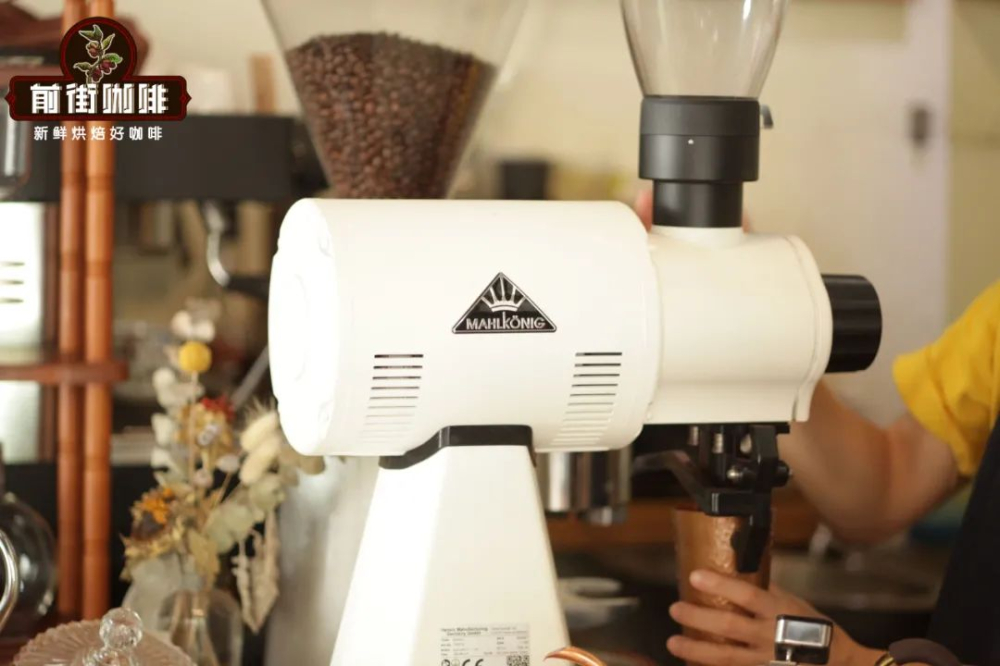
For grind size, FrontStreet Coffee uses a 70% pass rate on a #20 sieve. Grind Golden Mandheling slightly coarser than you would a light roast: this dark-roasted coffee has a more porous structure and releases its compounds into the water more easily. Ground as fine as light-roast beans, it will turn harsh and burnt; ground much coarser, the cup becomes thin and watery.
For water temperature, FrontStreet Coffee recommends 87-88°C. The same logic applies: water that is too hot draws out burnt bitterness, while water that is too cool leaves the cup flat with unpleasant stale acidity.

The pouring method uses three stages, which best express the rich mouthfeel and caramel sweetness. The water is divided as follows: a 30ml bloom pour to fully wet the grounds and let them degas, setting up better extraction in later stages; a 100ml second pour; and a final 95ml pour to boost sweetness.

Brewed this way, FrontStreet Coffee's Golden Mandheling shows a rich, full mouthfeel with caramel sweetness and chocolate and nut flavors.
FrontStreet Coffee Recommendation
If you enjoy this style but want something even more pungent and traditional, try FrontStreet Coffee's Lindong Mandheling from the Lindong region around Lake Toba in North Sumatra. It is medium-dark roasted, full-bodied and strong on the palate, with clove and woody aromatics, low acidity, spice and mint-like notes, and a long, powerful sweetness.
For brewing at home, use 15g of coffee with a coarse-sugar grind, 87-88°C water, and a 1:15 ratio in three pours—it brings out the thick body and caramel sweetness that make Mandheling so distinctive.
Important Notice :
FrontStreet Coffee is a long-established specialty coffee roaster in Guangzhou China, selling freshly roasted beans from its own farm in Yunnan as well as dozens of carefully selected single-origin beans from around the world for both pour-over and espresso. The products deliver consistently excellent quality and great value, with shipping within 24 hours. Guangzhou's FrontStreet Coffee shop is recommended by many coffee lovers, and the beans are now available online at the Tmall 。
FrontStreet Coffee has moved to a new address:
FrontStreet Coffee Address: 315,Donghua East Road,GuangZhou
Tel:020 38364473
 Scan and follow the En Gafei WeChat official account. Please indicate that the reprint comes from "En Gafei".