Hawaii Kona Coffee Bean Origin Grading, Aroma and Flavor Characteristics
The Paradise Coffee: Hawaiian Kona
When the conversation turns to coffee regions with an island climate, Hawaiian Kona is impossible to overlook. Hawaii is a unique coffee-growing region in that its plantings sit only between 300 and 1,100 meters in altitude. By traditional specialty coffee standards, that altitude would not qualify — but there are always exceptions. Kona beans from Hawaii are one of them, prized among the world's finest coffees.
The Rich History of Hawaiian Coffee
According to FrontStreet Coffee's research, the island where Kona coffee grows was not the birthplace of the Kona bean. Hawaii's first coffee plants were introduced in 1817 by Don Francisco de Paula Marin, the island's first Spanish advisor, though that first attempt at cultivation failed. It was not until 1825 that Oahu's Governor Chie Boki successfully brought coffee from Brazil to Manoa Valley.
From then on, coffee spread across the islands. Today roughly 950 farms grow coffee across Kauai, Oahu, Maui, Molokai, and the Big Island, most of them small, family-run operations. At first only men were allowed to work the coffee fields, but women later joined the workforce. Together these farms cover 7,900 acres.
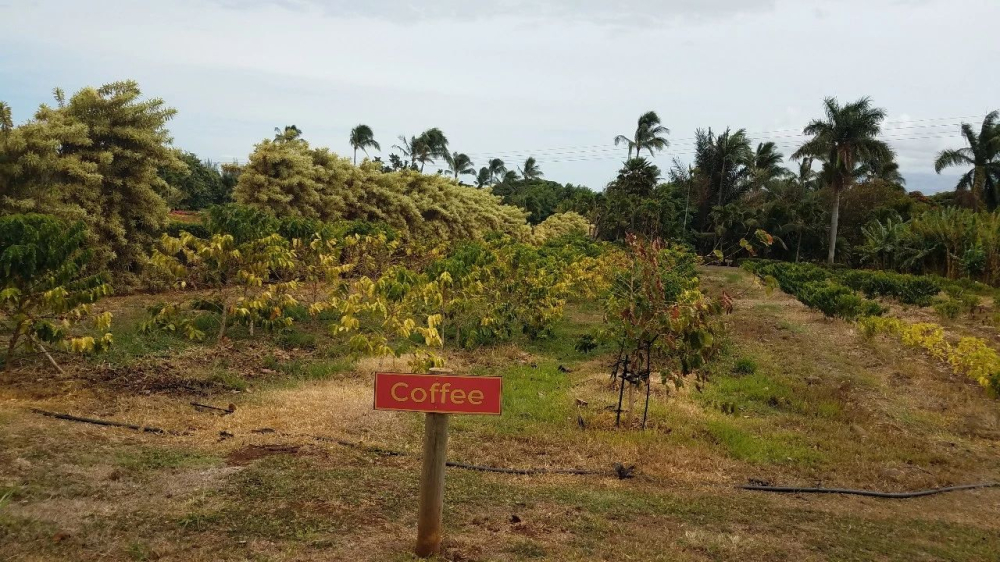
In 1813 the first plants were transplanted to Oahu, but sugar production far outstripped coffee and became the farmers' primary crop. By the late 1820s the Bourbon variety reached the Big Island, and over the following decade the first coffee-focused plantations were established.
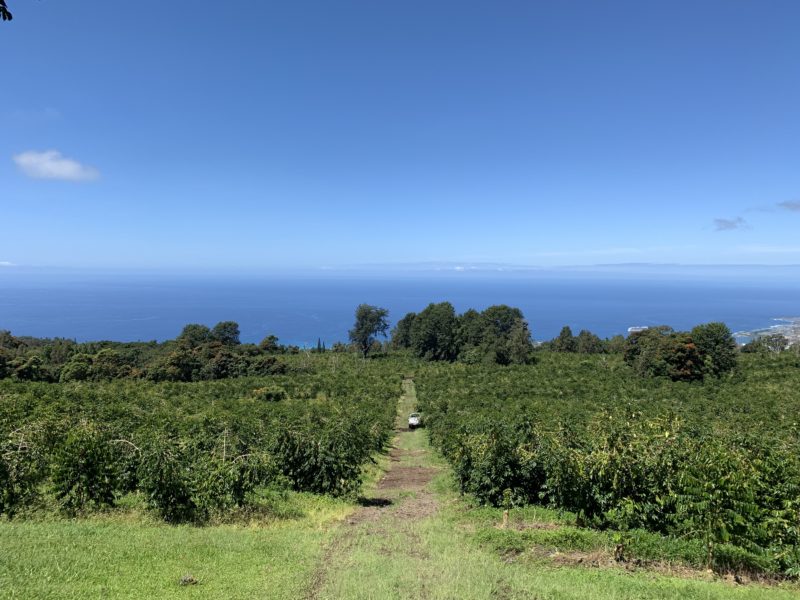
The industry's growth was far from smooth. In 1858, for instance, coffee production on Kauai halted because of blight. Competition from the sugar trade, and landowners switching to sugarcane for higher income, led many plantations to be abandoned and broken into smaller farms. The United States began occupying the islands in 1898 and removed the protective tariff on coffee, further weakening the market and pushing more farmers toward sugarcane. Only in the 1980s, as sugar prices fell, did the coffee industry gradually recover.
Hawaiian Coffee Regions and Processing
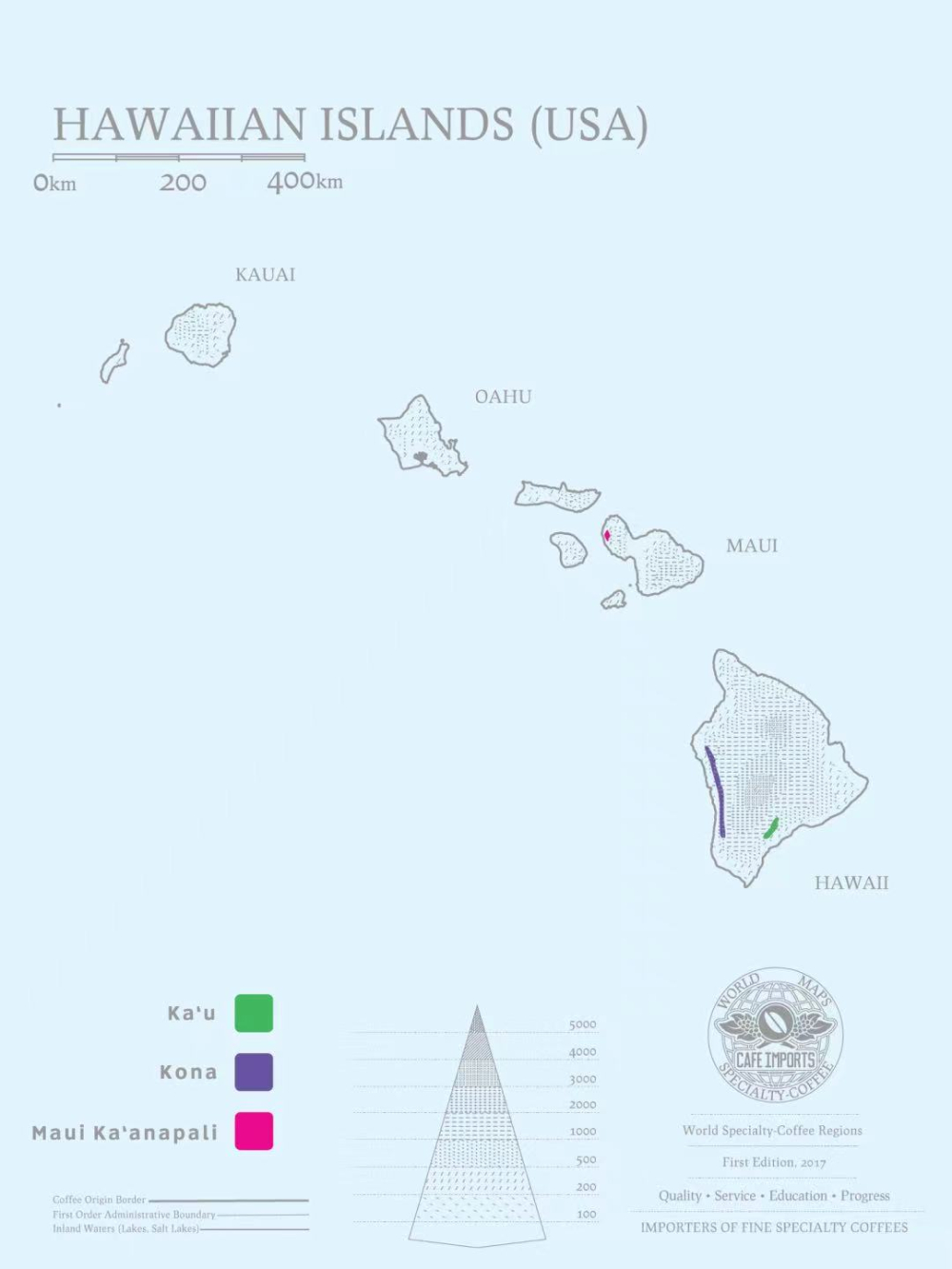
There are currently 12 coffee-growing regions across the islands, the most famous being Kona. Because production is limited and costs are high, Kona beans are increasingly sought after in the specialty market, with prices edging toward those of Jamaica Blue Mountain. High-quality Kona is getting harder and harder to come by. Hawaiian coffee generally commands higher prices, but its traceability is assured.
Hawaiian Coffee Processing Methods
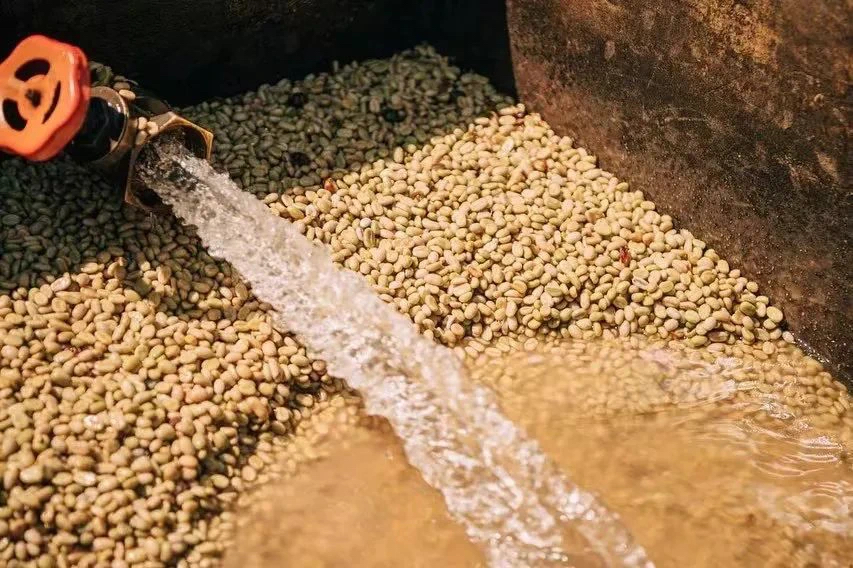
Hawaii processes its coffee mainly by the washed method. The key difference between washed and natural processing lies in using fermentation to strip away the mucilage layer. After fermentation and mucilage removal, fermentation bacteria and impurities may still cling to the beans, so a thorough rinse follows — a step that demands large volumes of fresh water — after which the beans are dried and hulled.
Hawaiian Kona: Queen Farm Excellence
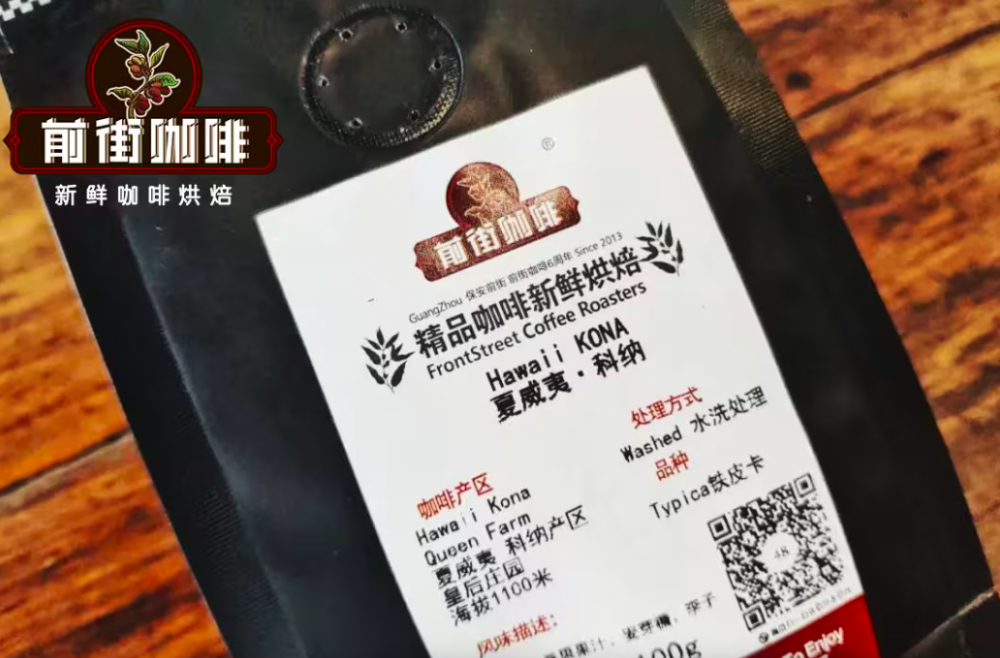
FrontStreet Coffee's Kona beans come from the renowned Queen Farm. At the Gevalia Hawaii KONA Cupping Competition in 2009 and 2011, this farm took second place. Seventy percent of the beans it produces are considered top-tier premium specialty beans, known for their high quality. Even the slightly lower-grade specialty beans carry aromas comparable to the premium lots, earning praise from roasters.
Aside from Kona from the Big Island, the Hawaiian coffees commonly seen on the market today include estates on Maui, Molokai, and Kauai that are steadily rising in prominence. The common Hawaiian varieties are Typica, Mocca, and Catuai.
Kona Coffee Grading System
Kona beans are graded mainly by bean size, split into Type 1 and Type 2. FrontStreet Coffee buys Type 1, also known as standard coffee beans. Within this category Kona is further divided into five grades: Extra Fancy, Fancy, Number One, Select, and Prime. The top three Hawaiian grades show a jade-green color and uniform bean size. The highest grade, Extra Fancy, has the largest beans and is produced in limited quantity. Because it demands strict control of defective beans through hand sorting, it is regarded as the pinnacle of specialty coffee.
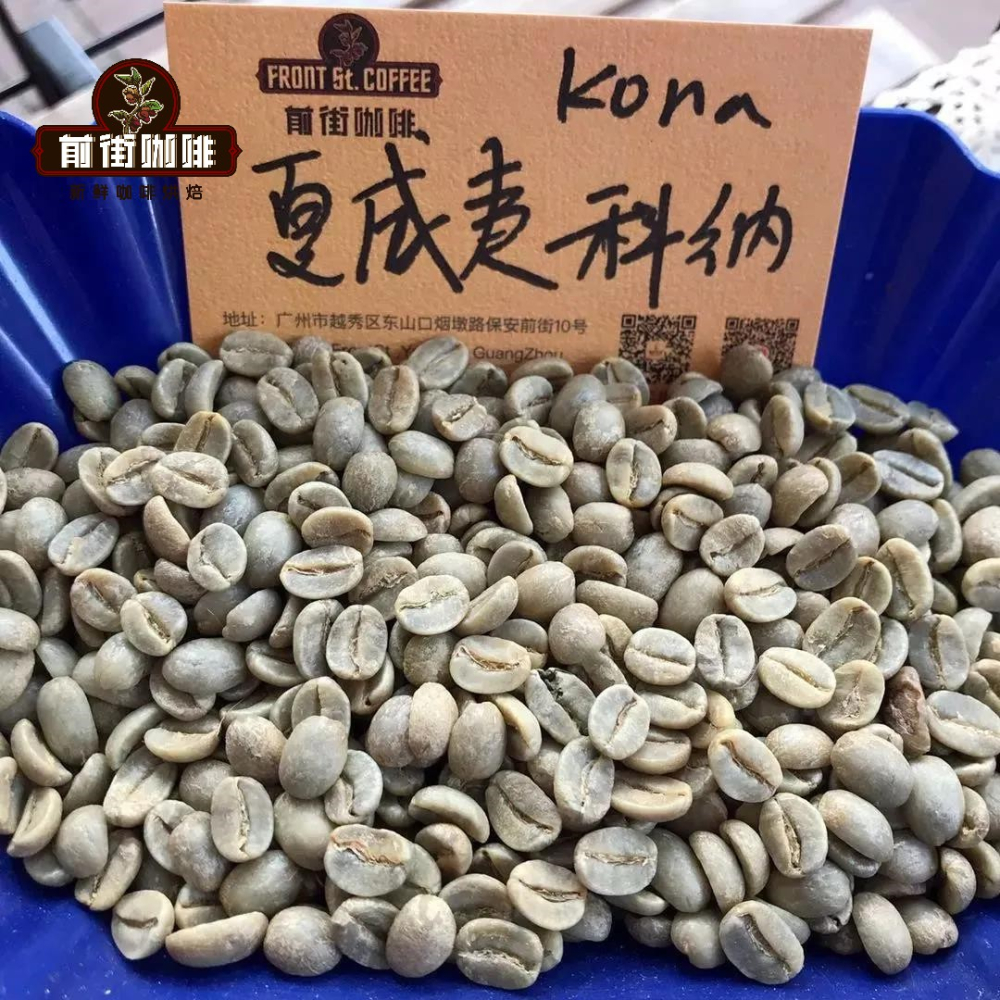
FrontStreet Coffee: Hawaiian KONA Coffee Beans
Region: Kona, Queen Farm
Altitude: 1100m
Variety: Typica
Processing: Washed
Flavor: Walnut, Nut, Chocolate, Cream, Peanut, Caramel
FrontStreet Coffee Brewing Recommendations:
When it comes to pour-over, FrontStreet Coffee has always stressed that freshness is everything. A freshly roasted bean shows its full range of flavor, so to guarantee freshness FrontStreet roasts every lot within five days of shipping. Bean freshness has a marked effect on the cup.
FrontStreet's core roasting philosophy is "freshly roasted good coffee," and the team is committed to sending the freshest beans to every customer who places an order. Usually beans rest for 4–7 days so that they arrive at peak flavor. From a learning point of view, though, even an under-rested bean is worth brewing — it lets you taste how the aroma shifts stage by stage.
FrontStreet Coffee's Hawaiian Kona Brewing Parameters:
Dripper: KONO
Water Temperature: 88-89°C
Coffee-to-Water Ratio: 1:15
Grind Size: Fine sugar granules (73% pass-through rate on China #20 standard sieve)
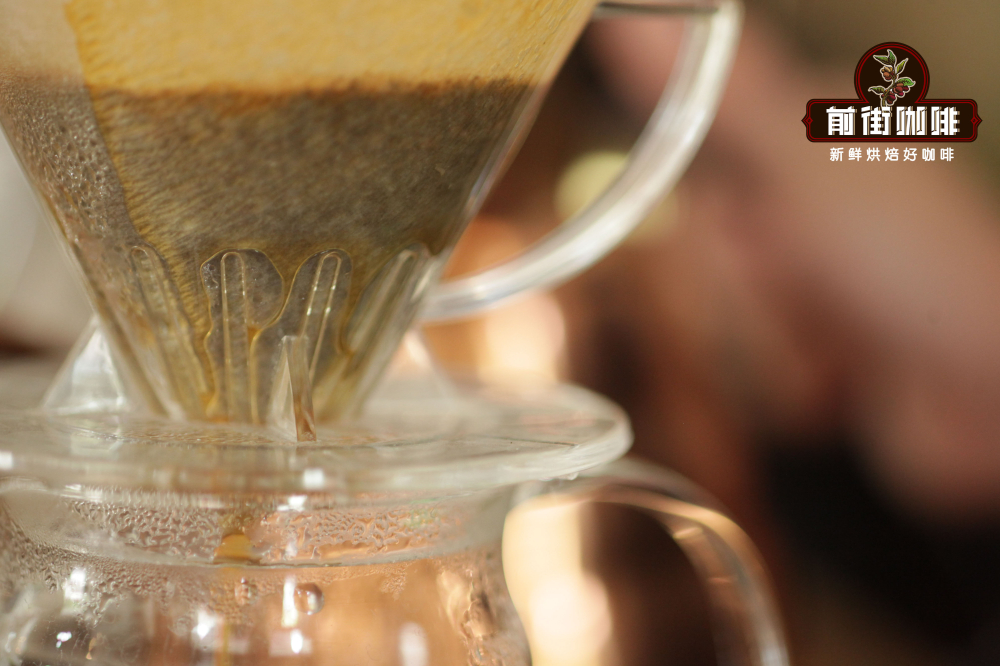
The brew uses a three-stage extraction. Bloom with twice the water volume — that is, 30g of water for a 30-second bloom. When the water level drops to 125g, continue pouring to 225g. (Timing begins at the start of the bloom.) Total extraction time is 2 minutes.

Kona Coffee Bean Characteristics:
FrontStreet Coffee's Kona beans are exquisite in appearance. Once brewed they release aromas of walnut and nuts, with a gentle, berry-like acidity. The sweetness is caramel-like, the texture clean and silky as cream. The layers are rich, leaving a memorable, lingering aftertaste.
FrontStreet Coffee Recommendation
FrontStreet Coffee's Hawaiian Kona is the estate lot described above: from Kona's Queen Farm on the Big Island, grown at 1,100 meters, the Typica variety, fully washed, and chosen from the Type 1 standard grade. On the palate it opens with walnut and nut aromas, gentle berry-like acidity, caramel sweetness, and a clean, cream-smooth body. FrontStreet ships it roasted within five days and recommends resting the beans 4–7 days before brewing. For pour-over it suggests a KONO dripper, 88–89°C water, a 1:15 ratio, and a grind of fine sugar granules (a 73% pass-through rate on the China #20 standard sieve); pour in three stages with a 30g bloom for 30 seconds, refill to 125g, then top up to 225g for a total two-minute extraction.
If you enjoy that round, low-acid balance, FrontStreet's Brazil lineup is a natural companion. The Brazil Cerrado Red Bourbon is a classic pulped-natural single origin from the Red Bourbon variety; medium roasted, it delivers creamy peanut, toast, caramel, and hazelnut, rounded and not sour, with a faint bitter edge — handy for pour-over, moka pot, espresso SOE, siphon, or French press. FrontStreet's Brazil Queen Estate Yellow Bourbon, meanwhile, comes from Mogiana near South Minas, where fertile red volcanic soil feeds the fruit; the rare Yellow Bourbon mutation brings cleaner fruit and the sugarcane-like sweetness, fruit, and chocolate that few other regions can match.
Important Notice :
FrontStreet Coffee is a long-established specialty coffee roaster in Guangzhou China, selling freshly roasted beans from its own farm in Yunnan as well as dozens of carefully selected single-origin beans from around the world for both pour-over and espresso. The products deliver consistently excellent quality and great value, with shipping within 24 hours. Guangzhou's FrontStreet Coffee shop is recommended by many coffee lovers, and the beans are now available online at the Tmall 。
FrontStreet Coffee has moved to a new address:
FrontStreet Coffee Address: 315,Donghua East Road,GuangZhou
Tel:020 38364473
 Scan and follow the En Gafei WeChat official account. Please indicate that the reprint comes from "En Gafei".