Characteristics of Costa Rican Coffee, Piramon Processing Plant, Costa Rican Premium Coffee Estates
El Pilon Processing Plant - Costa Rica's Pioneer in Natural Processing
El Pilon is the first government-approved facility in Costa Rica to run fully natural, sun-dried processing. This unusually rare method yields coffee with rich nutty chocolate and tropical honey apple aromas, and it shows off the natural flavors of the bean to full effect.
Costa Rica has long taken pride in its washed coffees, hand-selecting only fully ripe red cherries and controlling every stage of the process. Then the honey processing wave that swept the coffee world in recent years gave producers a new target to chase. This micro-batch, from the TARRAZU region, is processed by natural sun-drying; the blue jeep printed on the burlap sacks is the estate's coffee transport symbol.
Geographical Environment
At an altitude of 1,700 meters, the coffee is dried on raised African beds. Sun-drying here is labor-intensive and slow, built around "28 days of slow sun drying," with the beans turned daily so they dry evenly and never go moldy. The result is a cup with clean, abundant sweetness and fruit flavors.
Costa Rica El Pilon Cafe DON CHEPE Santa Maria Natural
Country: Costa Rica
Processing Method: Natural Sun-dried
Flavor Description: Honey apple up front, followed by banana and cream, similar to loquat, with a rich cocoa aftertaste.
Costa Rica El Pilon Cafe DON CHEPE MARTIN Natural
Country: Costa Rica
Processing Method: Natural Sun-dried
FrontStreet Coffee Cupping Notes: Rich berry flavors, solid honey sweetness, dark cocoa aftertaste.
Costa Rica El Pilon Cafe DON CHEPE MOKKA Natural
Country: Costa Rica
Processing Method: Natural Sun-dried
FrontStreet Coffee Cupping Notes: Ripe apple, caramel, cocoa, white grapes, and a subtle fermentation aroma.
Costa Rica El Pilon Cafe DON CHEPE SAN PABLO Natural
Country: Costa Rica
Processing Method: Natural Sun-dried
Flavor Description: Gentle fruit tones, almond, vanilla, mild balanced acidity, and a smooth, full-bodied mouthfeel.
Costa Rica El Pilon Cafe DON CHEPE G40N Natural
Country: Costa Rica
Processing Method: Natural Sun-dried
FrontStreet Coffee Cupping Notes: Passion fruit, mango, berries, toffee.
Costa Rica San Isidro El Pilon Cafe DON CHEPE Natural GAR1
Country: Costa Rica
Region: Tarrazu
Altitude: 1,700-1,800M
Processing Method: Natural Processing
Grade: SHB
Variety: Caturra
Costa Rica El Pilon Cafe DON CHEPE GAR1 Natural
Country: Costa Rica
Processing Method: Natural Sun-dried
FrontStreet Coffee Cupping Notes: Blackberry, jasmine, red wine, citrus, guava, plum, raisin.
Brewing Recommendations
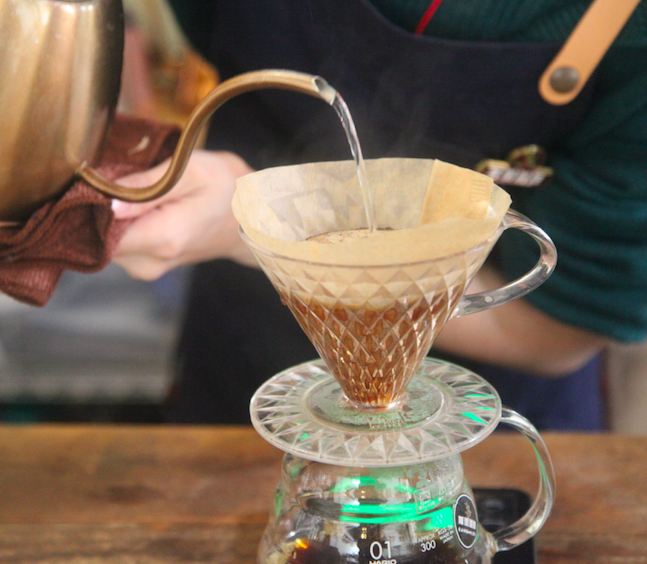
FrontStreet Coffee Brewing Parameters: V60 / 90°C / 1:15 ratio / 15 g coffee grounds / brew for approximately 2 minutes.
FrontStreet Coffee Recommendation
Costa Rica is where honey processing was refined, and if these sun-dried El Pilon lots appeal to you, the honey-processed side of the country is worth exploring next. FrontStreet's Costa Rica Blackberry uses a black honey process that leaves almost all of the mucilage on the bean, extends drying to at least two weeks under shade cover, and is turned by hand to keep fermentation even. Roasted medium-light, it grinds into a heady floral aroma and drinks with grape, berry, and ripe blackberry notes.
For something with the same honeyed sweetness but more layered fragrance, FrontStreet's Strawberry Candy pairs Panama Geisha with a raisin-honey-processed Costa Rican coffee that keeps 100% of the mucilage. It carries Geisha's floral, tea-like lift alongside raisin and dried blueberry, soft fruit acidity, almond finish, and a clear sweetness.
If you want an even bolder honey experiment, FrontStreet's Costa Rica Mozart uses a raisin honey process in which the cherries are pre-dried on raised beds for at least three days before depulping. It works beautifully as pour-over, cold brew, or Moka pot coffee, opening up osmanthus, pineapple, and raisin aromas.
Important Notice :
FrontStreet Coffee is a long-established specialty coffee roaster in Guangzhou China, selling freshly roasted beans from its own farm in Yunnan as well as dozens of carefully selected single-origin beans from around the world for both pour-over and espresso. The products deliver consistently excellent quality and great value, with shipping within 24 hours. Guangzhou's FrontStreet Coffee shop is recommended by many coffee lovers, and the beans are now available online at the Tmall 。
FrontStreet Coffee has moved to a new address:
FrontStreet Coffee Address: 315,Donghua East Road,GuangZhou
Tel:020 38364473
 Scan and follow the En Gafei WeChat official account. Please indicate that the reprint comes from "En Gafei".