How to Use a Home Coffee Machine? A Tutorial Guide for Espresso Brewing Methods

How to Extract Espresso at Home
Espresso is one of the most iconic coffee beverages in the world, celebrated for its rich, full-bodied character and intense concentration. Many home brewers wonder why they can't produce espresso at home with the same concentration as what cafes serve, and sometimes the shot even tastes burnt. In this article, FrontStreet Coffee explains how cafes actually pull their espresso shots.
First, it helps to clear up a common misconception: espresso is not made by simply steeping ground coffee in water, nor by boiling down regular brewed coffee to concentrate it. True espresso requires dedicated equipment, the espresso machines you see in cafes, the ones with steam wands hissing on the side.
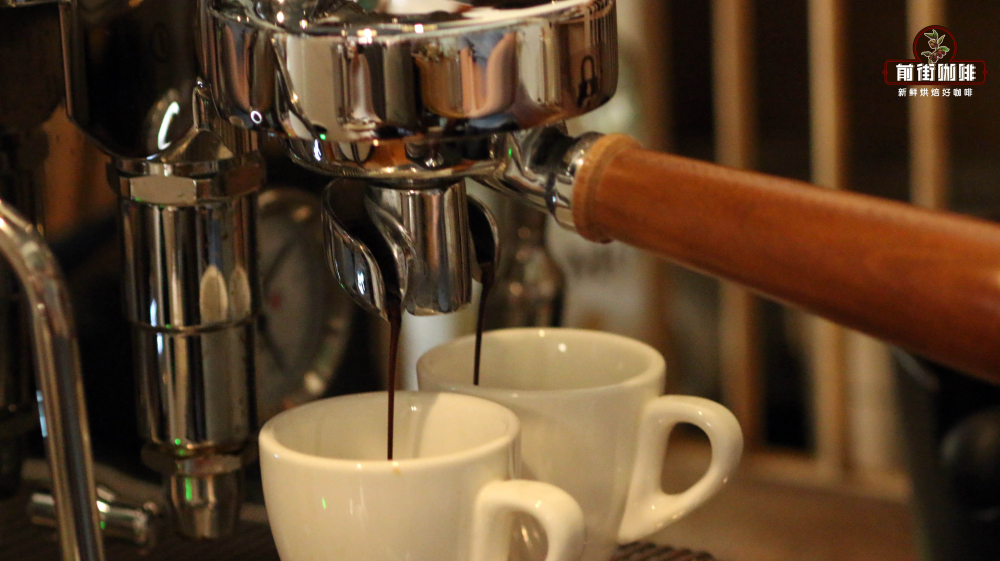
The extraction principle works like this: the machine's boiler heats water and builds up pressure, then forces hot water at 94°C through extremely finely ground, tightly compacted coffee at 9-10 bar of pressure, yielding a syrupy, honey-thick coffee liquid.
At the start of the extraction, the stream is a deep reddish brown with a dense, velvety texture. As the shot progresses, the color gradually shifts to golden yellow, and finally to a pale golden hue.
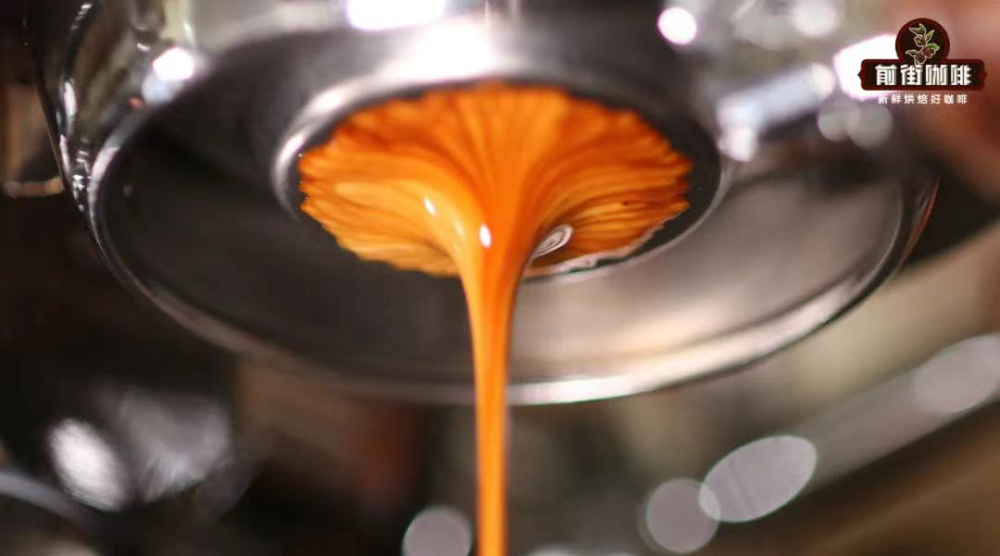
How to Judge Whether an Espresso Shot Is Extracted Properly
A full espresso extraction is remarkably quick, usually finished within 25-30 seconds. Because every machine and grinder behaves a little differently, there is no single universal recipe for espresso.
So FrontStreet Coffee can only offer starting parameters, which you should then fine-tune based on how the shot actually tastes: (Double basket) dose 20g of ground coffee, extract at a 1:2 ratio with 9 bar of pressure and 94°C water to yield 40g of espresso; (Single basket) dose 10g of ground coffee, extract at a 1:2 ratio with 9 bar of pressure and 94°C water to yield 20g of espresso. Aim for a total extraction time of 25-30 seconds.
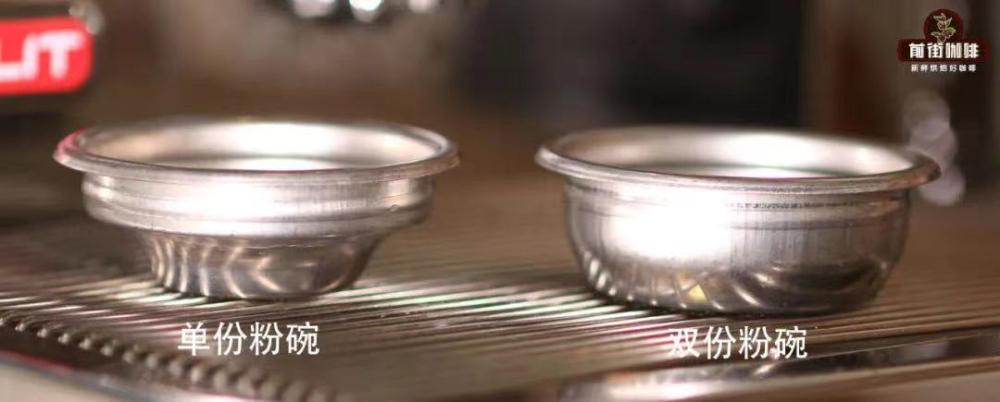
If the shot runs too fast and tastes thin, either grind finer or increase the dose (pick one adjustment). If the shot runs too slow and tastes scorched and bitter, either grind coarser or reduce the dose (again, pick one).
Which Coffee Beans Work Best for Espresso?
If you are new to espresso, FrontStreet Coffee recommends starting with a blend designed specifically for espresso brewing. The strength of a blend lies in its consistency and value: by combining beans from different origins in tuned proportions, the roaster smooths out the weaknesses that single-origin beans can show under high concentration and extended extraction.
If you prefer an espresso with a distinctive, expressive aroma, try the FrontStreet Sunflower Warm Sun Blend Coffee Beans served at FrontStreet Coffee's own shops. The 227g bag is a convenient size for home use. It combines Ethiopian Yirgacheffe natural-process beans with Honduras Moka Manor Sherry beans, delivering a rich whiskey-like fermentation aroma, a vanilla-cream smoothness, berry-like acidity and sweetness, and a nutty caramel sweetness on the finish.

If you would rather have an espresso that is mellow and low in acidity, intensely aromatic, and crowned with thick crema, go for the FrontStreet Classic Espresso Blend, an excellent match for anyone who enjoys a full-bodied Americano or wants a latte base that pours latte art effortlessly. This blend uses Arabica beans from Brazil's Cerrado region and Indonesia's Sumatra island plus a small proportion of Robusta. The resulting espresso carries a rich roasted-nut aroma, a body as dense as dark cocoa, and a lingering caramel sweetness, and, crucially, a gorgeous golden crema.

Step-by-Step Espresso Extraction
Start by switching on the espresso machine and letting it heat up automatically. Once the display reaches 94°C, you are ready to prepare the shot.

Before extraction, wipe the portafilter basket dry. Turn on the grinder, grind a double dose of coffee, and weigh it on a scale, adjusting until you have exactly 20 grams. Use a distribution tool to level the grounds, then tamp straight down to compress an even puck, this keeps the extraction steady and uniform.

Next, run the pump for 1-2 seconds to flush the group head and rinse away any stray grounds clinging above it. Then place a scale under your cup, tare it to zero, and set both under the group head so you can weigh the shot as it extracts.

Lock the portafilter gently into the group head and start the extraction. Watch the stream as it develops. Once the scale reads 40 grams of espresso (at around 30 seconds), switch off the pump.
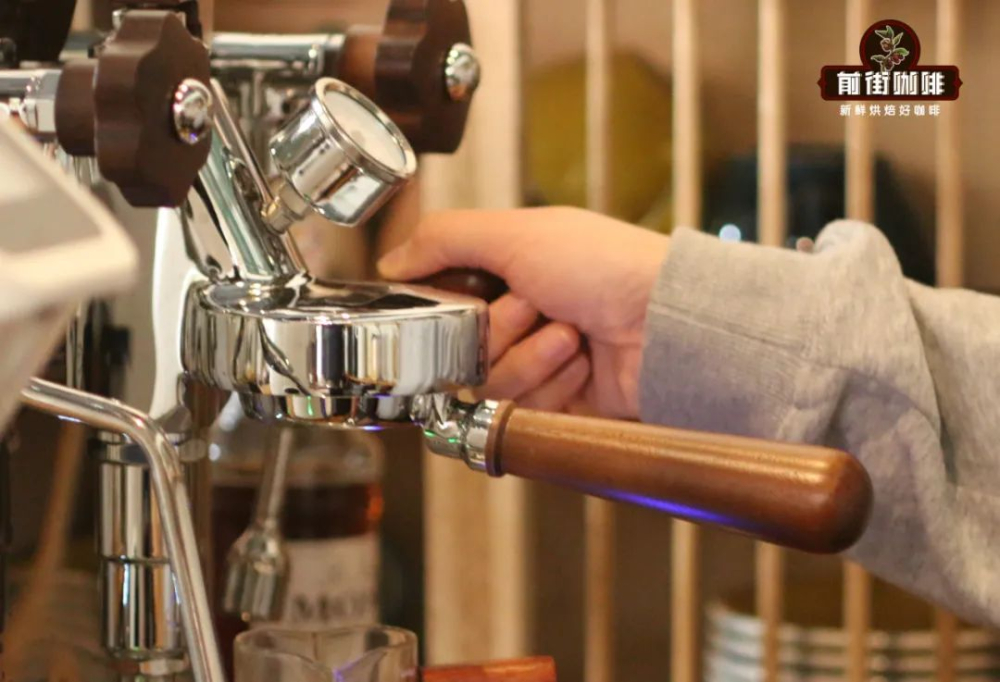
Keep in mind that brewing parameters shift subtly with daily humidity and the condition of the beans, so the dose, grind setting, and target beverage weight will all need occasional adjustment.
FrontStreet Coffee Recommendation
For readers just starting out with a home espresso machine, the FrontStreet Classic Espresso Blend is our top pick. Built on a traditional espresso recipe with a small share of Robusta, it produces abundant, silky golden crema even on entry-level home machines, essential for drinks like lattes, cappuccinos, and Americanos. Expect notes of butter, nuts, spice, dark chocolate, and toast, with a bold, thick body. Fans of nutty espresso (almond, walnut) will also enjoy blends with a high proportion of Brazil beans, which bring a pleasant bittersweetness and a creamy, peanut-like smoothness; the FrontStreet Black Cocoa Blend, made from 100% Arabica, offers exactly this profile with a well-balanced cup that also suits specialty espresso drinks.
Brewing suggestion (from this guide): dose 20g into a double basket, tamp level, and extract at 9 bar with 94°C water to a 1:2 ratio, 40g of espresso in 25-30 seconds. If the shot runs fast and thin, grind finer; if it drags and tastes bitter, grind coarser.
Important Notice :
FrontStreet Coffee is a long-established specialty coffee roaster in Guangzhou China, selling freshly roasted beans from its own farm in Yunnan as well as dozens of carefully selected single-origin beans from around the world for both pour-over and espresso. The products deliver consistently excellent quality and great value, with shipping within 24 hours. Guangzhou's FrontStreet Coffee shop is recommended by many coffee lovers, and the beans are now available online at the Tmall 。
FrontStreet Coffee has moved to a new address:
FrontStreet Coffee Address: 315,Donghua East Road,GuangZhou
Tel:020 38364473
 Scan and follow the En Gafei WeChat official account. Please indicate that the reprint comes from "En Gafei".