Home Pour-Over Coffee Tutorial: Complete Single-Origin Pour-Over Coffee Guide with Perfect Grounds
To help coffee lovers who are new to pour-over brewing, FrontStreet Coffee is here to walk you through the details.
What to Prepare Before Brewing
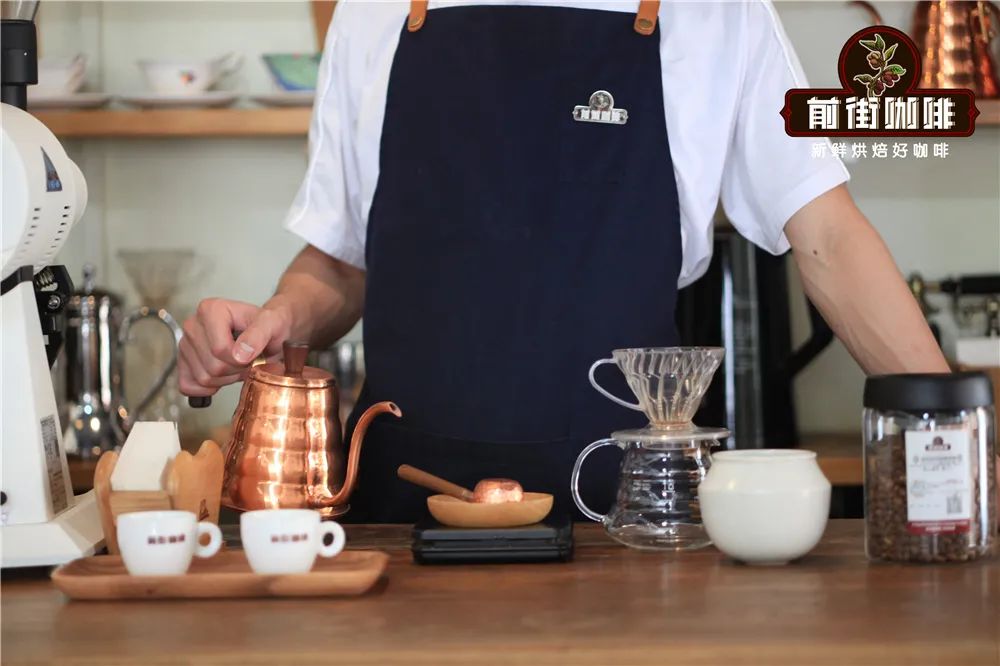
First, brewing a cup of pour-over coffee calls for the following equipment: coffee beans, a container for the grounds, a bean scoop, a filter holder, filter paper, a server, an electronic scale, a pour-over kettle, and a thermometer (not needed if you use a temperature-controlled kettle). Once you are finished, you will also want a waste water container for the filter holder and a cup to drink from.
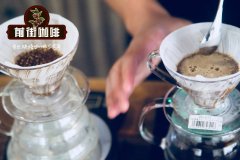
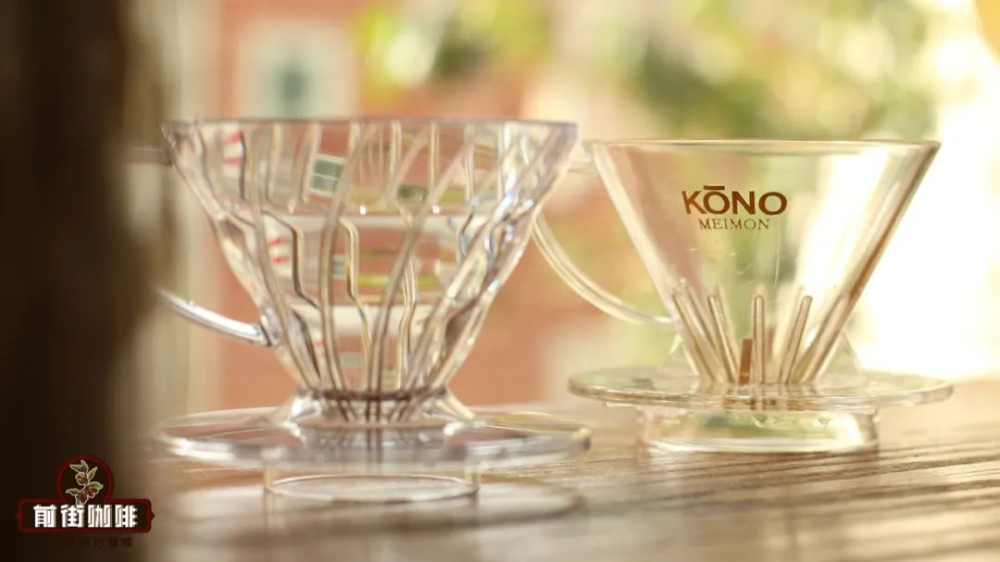
During brewing, the filter holder and filter paper play a crucial role. They filter out the grounds and also absorb excess oils, which makes for a cleaner-tasting cup. At FrontStreet Coffee stores we typically use V60 and Kono filter holders. The V60 is mainly for lighter roasts, because its large aperture and spiral ribs allow a faster flow that better showcases the delicate flavors of light-roasted beans. The Kono suits darker roasts, because its slower flow builds richness and better highlights their intensity.
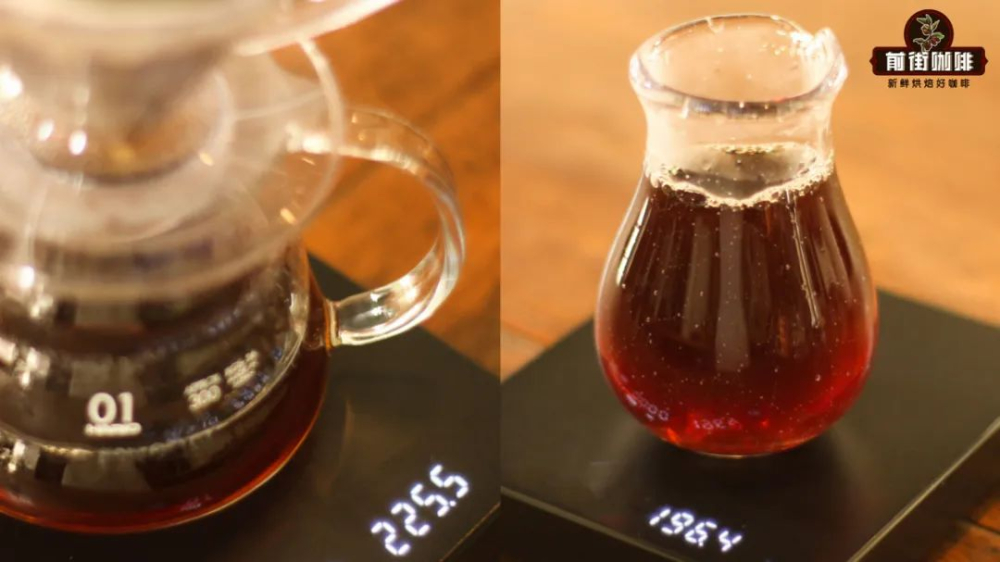
The electronic scale also plays a key role. It measures the weight of the coffee and the water, ensuring that every parameter can be repeated and that each cup stays consistent.
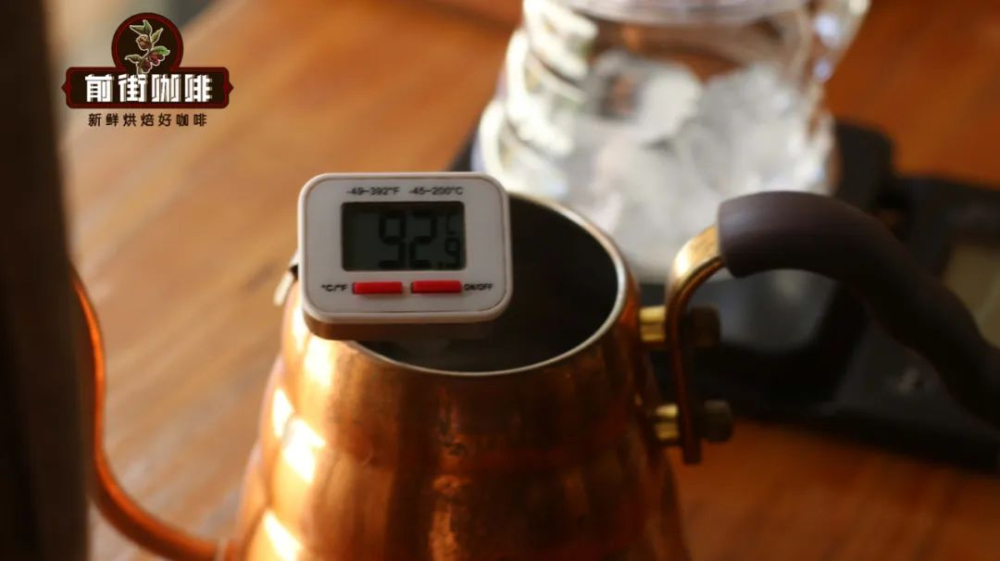
When you brew with a kettle that has no temperature control, a thermometer becomes even more important. We check the water temperature before every pour to keep it in the right range. For light-roasted beans brewed in a V60 we choose 90 to 92°C, while for darker roasts we drop to 88 to 89°C.
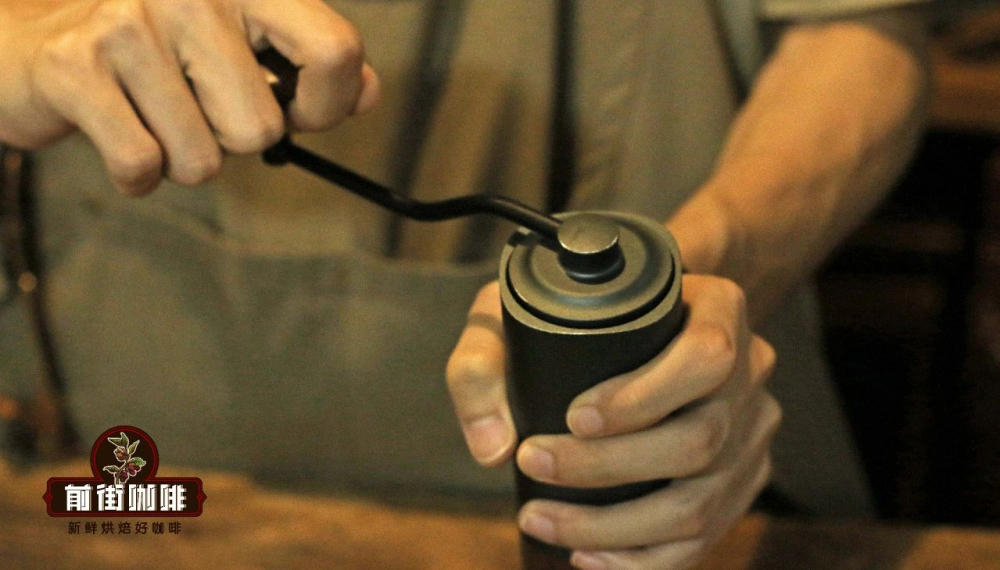
The grinder is indispensable too, because it sets the coarseness of the grounds, which directly affects the taste. If the grounds are too coarse the cup can seem thin; if too fine it can turn bitter. FrontStreet Coffee recommends a medium-fine grind for pour-over, with 80% passing through a standard #20 sieve. This grind size lets both the aroma and the flavor release fully.
Factors That Affect Coffee Flavor
Coffee-to-Water Ratio:
The coffee-to-water ratio is the proportion of coffee to water. FrontStreet Coffee stores use 15g of grounds for daily brewing with a total water volume of 225ml, a ratio of 1:15. We choose 1:15 because at this proportion the cup is more balanced and the flavors are spread more evenly.
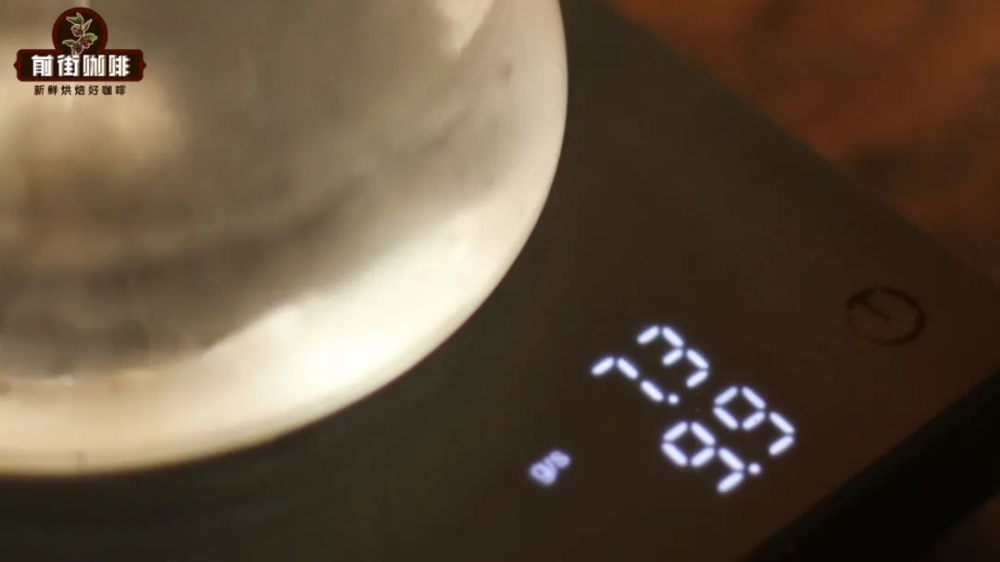
The ratio is not a fixed parameter, though. The recommended range for pour-over runs from 1:14 to 1:18. The lower the ratio, the more concentrated the flavor; the higher the ratio, the more diluted the cup. Adjust it to your own taste and find the pour-over flavor that suits you best.
Coffee Bean Grind Size:
Different brewing methods need different grind sizes. So how do you know whether your grind is right?
First, get a #20 sieve, available on most shopping platforms. Its mesh diameter is 0.85mm, and it separates particles larger and smaller than 0.85mm. What we want to measure is how much of the grounds passes through.
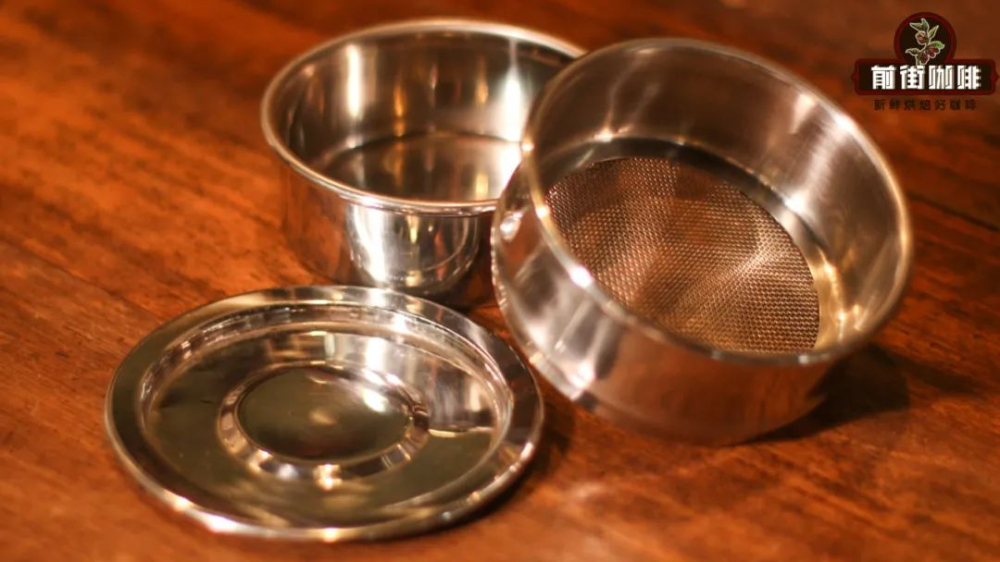
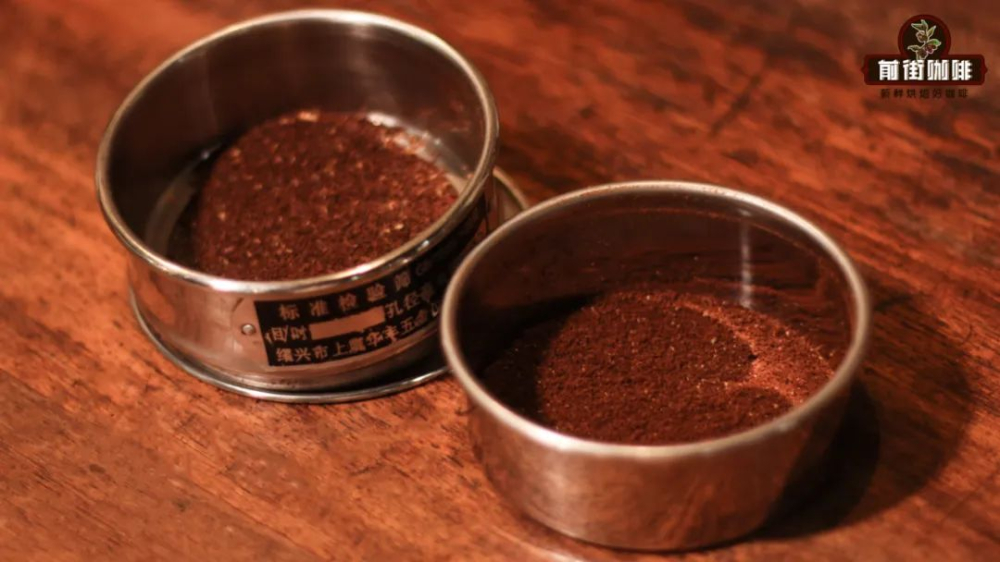
FrontStreet Coffee recommends a pour-over grind with an 80% pass rate, meaning that in a sample of grounds, 80% passes through the sieve. Shake continuously several times so that every particle smaller than 0.85mm falls through. Then weigh the grounds in the lower section and divide that weight by 10g to get the pass rate. If it is less than 8g the grind is slightly too coarse; if more, it is too fine.
Coffee extraction is essentially a dissolution process in which water is the solvent. In pour-over brewing, the contact area between the water and the grounds is directly affected by grind size. A finer grind means a larger contact area, so more flavor compounds dissolve. That is why finer grounds usually give a more intense cup. But finer is not always better, and this is a common misunderstanding.
In reality, only about 30% of a coffee bean can be extracted effectively. Within that 30%, extraction rates of 18%-22% are generally recommended. Below that range the coffee can taste flat and under-extracted; above it, bitter and over-extracted. Coffee outside the range is not undrinkable, but the range offers more margin for error. Finding the right grind is therefore crucial.
Brewing Water Temperature:
Water is the key solvent in brewing, and its temperature is the main influencing factor. The recommended water temperature for pour-over is generally 86 to 93°C. Lighter roasts, such as Panama Esmeralda Special Geisha, use 90 to 92°C, while darker roasts, such as PWN Gold Mandheling, use a lower 86 to 88°C. The higher the brewing temperature, the more concentrated the extracted flavor; the lower the temperature, the harder it is for the flavor to come out.
Extraction Time:
When FrontStreet Coffee baristas brew 15g of beans with the three-stage method, they usually keep the whole extraction to around 2 minutes, though this is not a fixed standard.
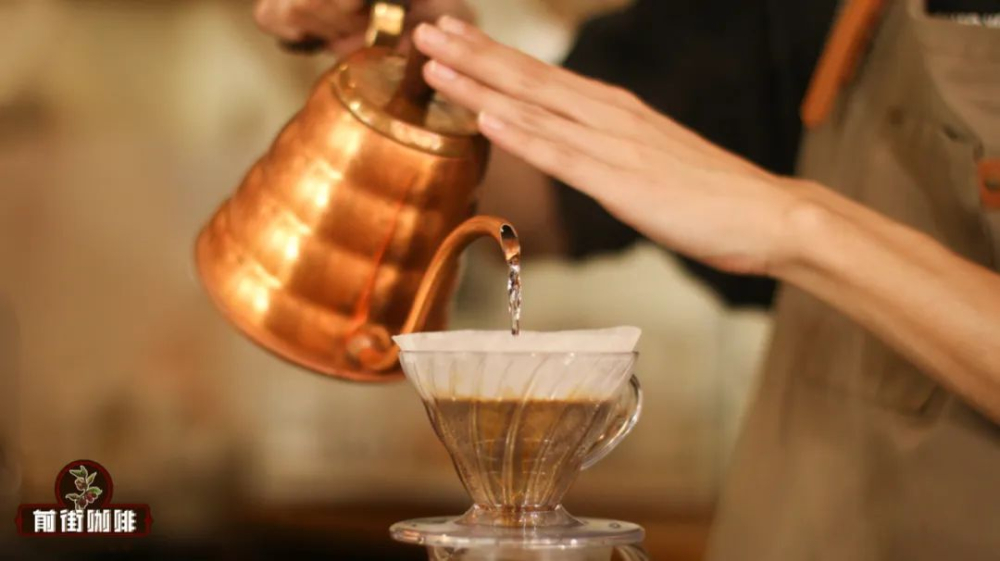
The longer the pour-over takes, the longer the grounds stay in contact with the water, so more compounds are extracted and the cup is more intense. If the contact time is too short, the compounds are not fully extracted and the coffee naturally tastes weak.
Pour-Over Coffee Brewing Instructions
When brewing, it is essential to first understand the characteristics and limits of the beans and equipment you are using. Every time you try new beans or change filtering equipment, each adjustment brings a new learning experience. Learning pour-over is therefore not just about mastering a few techniques; it is about observing how the grounds and water react and understanding how to adjust the brewing method to the extraction logic.
Take our Yirgacheffe Kochere beans as an example. First we need to know the coffee.
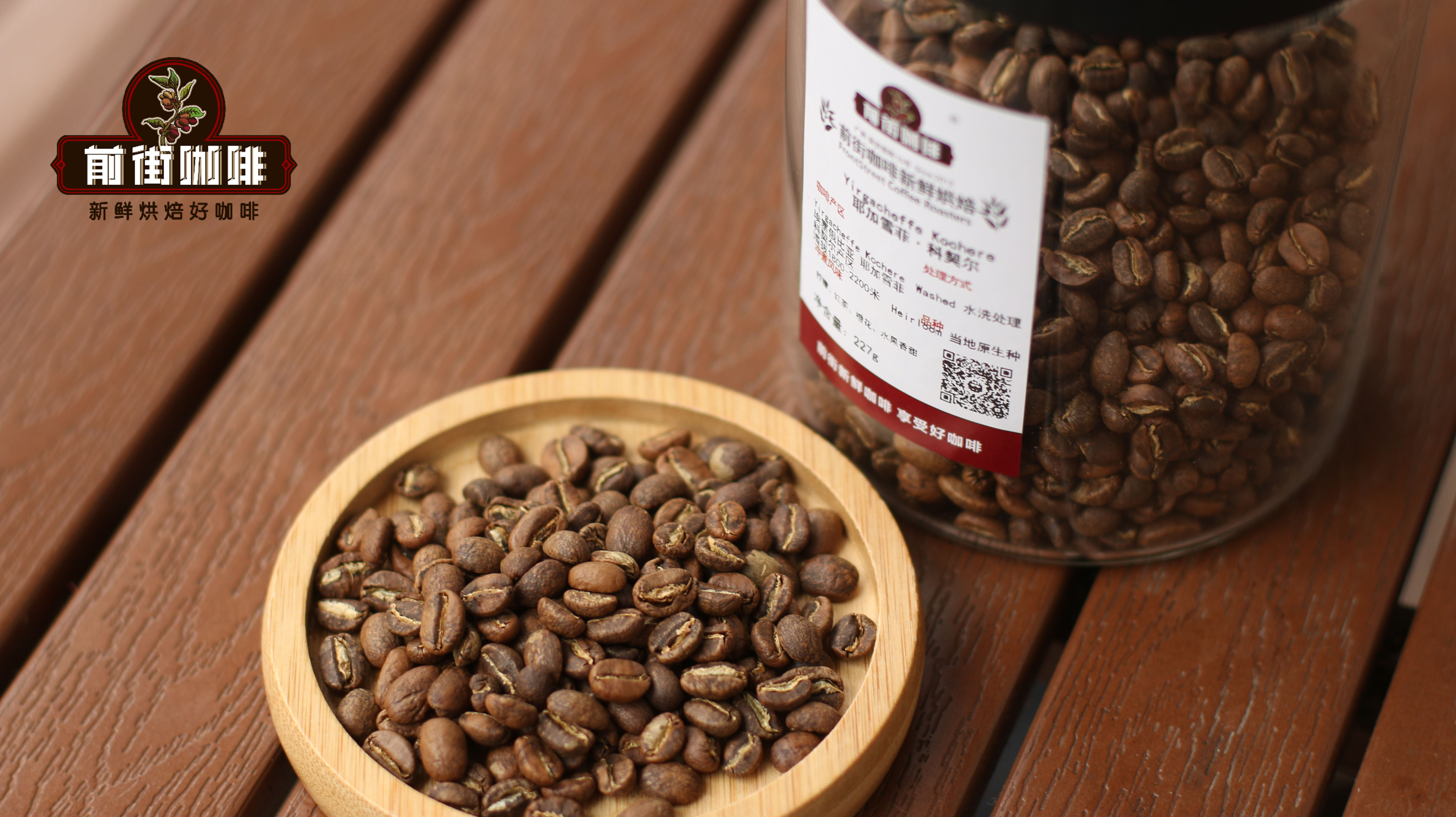
FrontStreet Coffee Ethiopia Kochere Coffee Beans
Region: Yirgacheffe Kochere
Altitude: 1650m-1800m
Variety: Heirloom
Processing: Washed
Grade: G1
With that information in hand, we build the approach: Filter holder: V60, Water temperature: 90-92°C, Coffee-to-water ratio: 1:15, Grind size: Medium-fine (80% pass rate through China's standard #20 sieve).
FrontStreet Coffee baristas first weigh out 15g of beans. Before brewing, they wet the filter paper with hot water so the holder and paper fit snugly. Then the beans are ground to the medium-fine setting we just described.
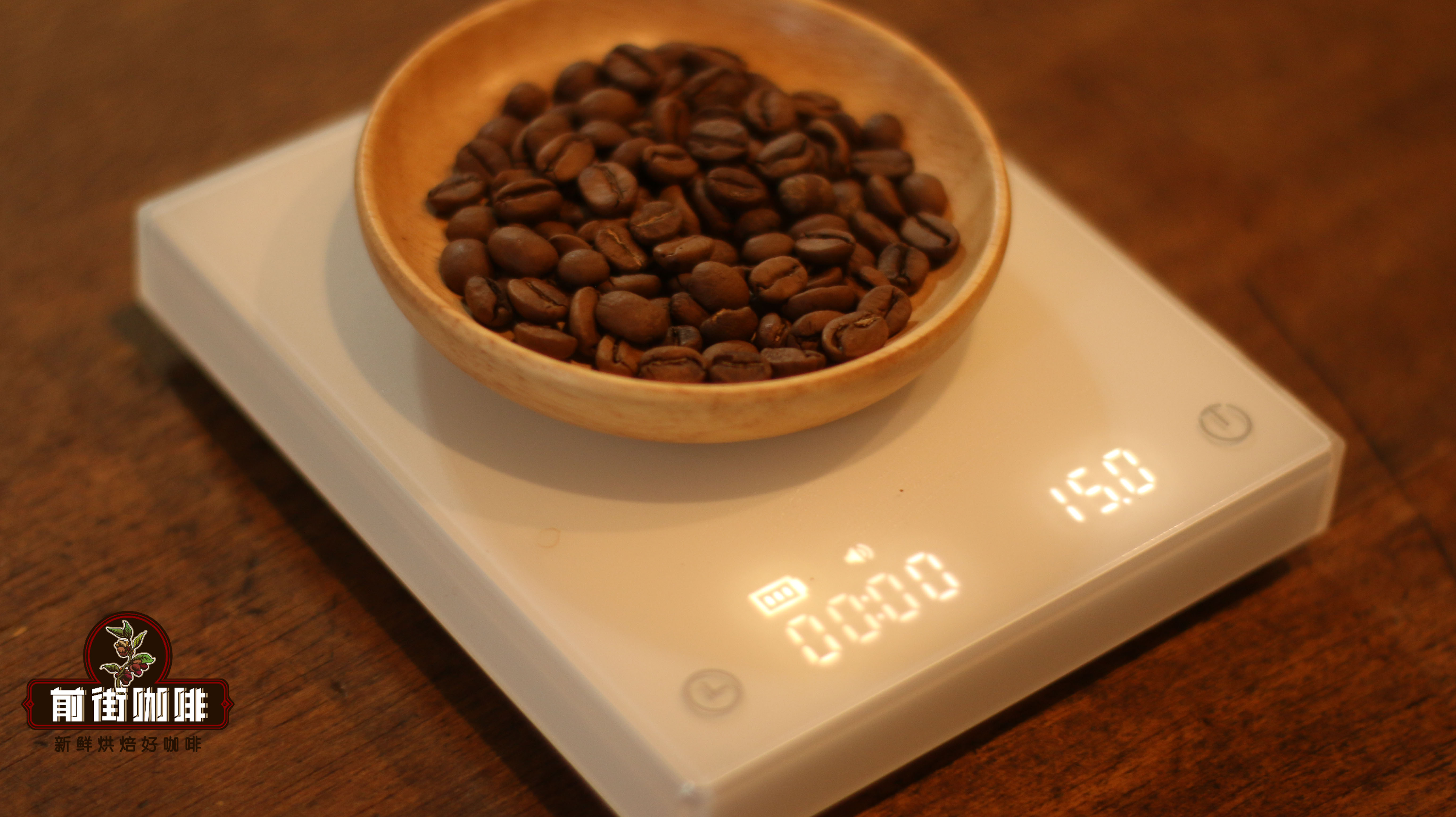
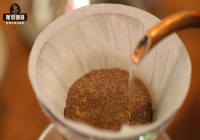
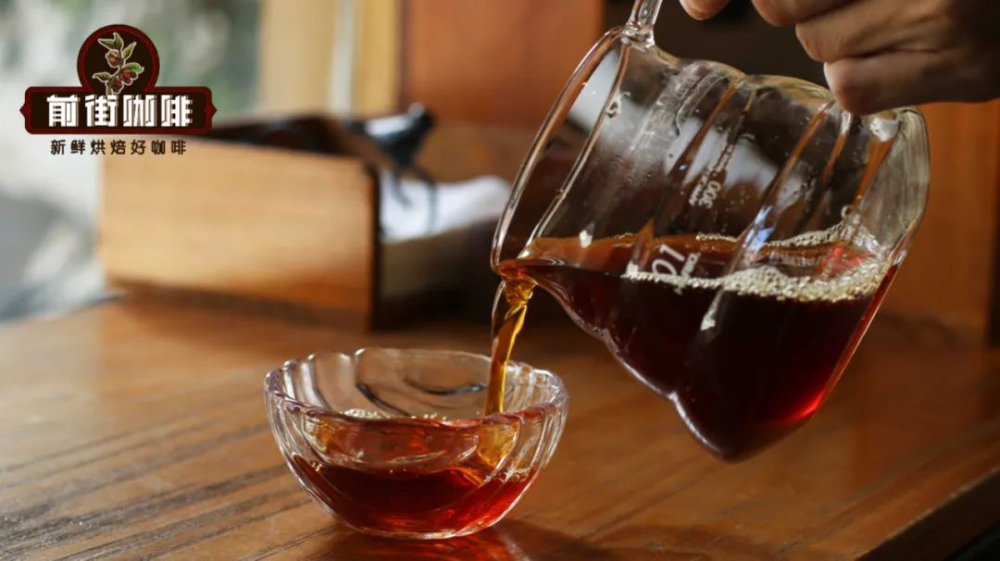
As the ground coffee goes into the holder, wait for the water temperature to reach the target range. The whole brew follows the three-stage method. The first stage pours 30g of water for blooming, making sure all the grounds are evenly moistened; this helps release carbon dioxide and prepares the bed for the next stage.
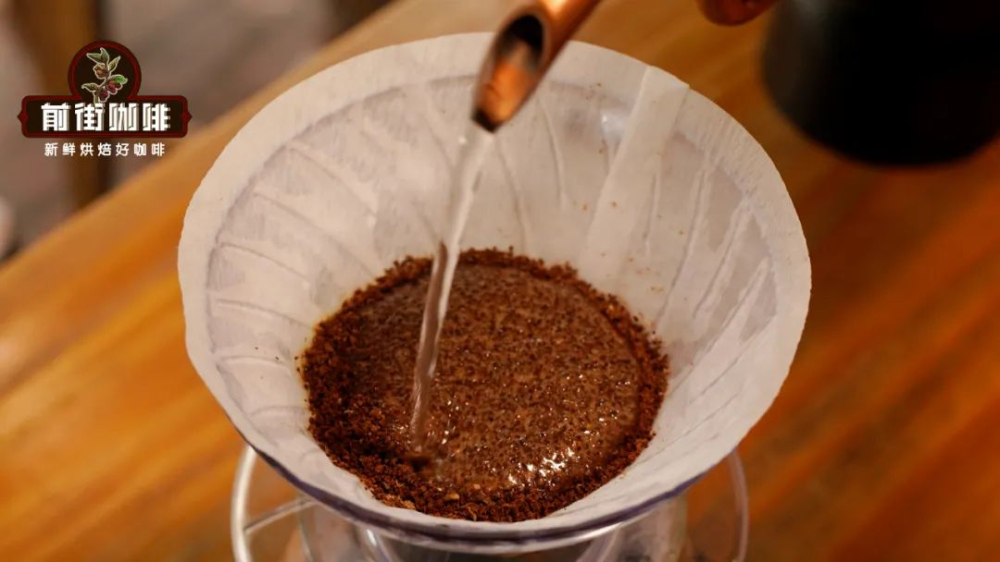
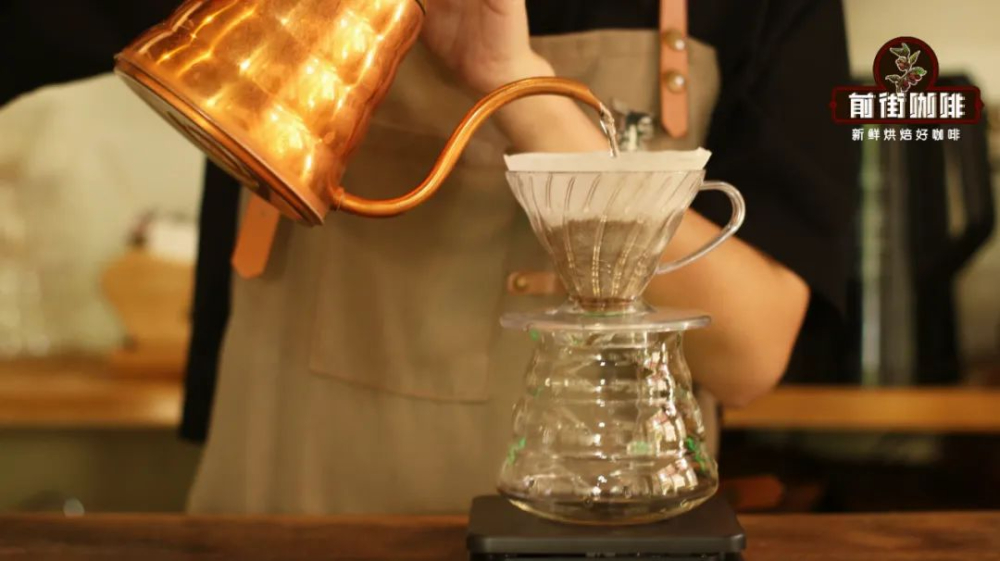
In the second stage, pour 95g of water with a slightly larger, steady flow, finishing in about 55 seconds. Move the stream in circles from the inside out. If you cannot yet control the flow size, pour slowly in circles and keep the water column as steady as possible. Compared with blooming, the goal of the second pour is to raise the whole coffee bed, increasing the contact area between the hot water and the grounds and completing the release of the substances needed for extraction.
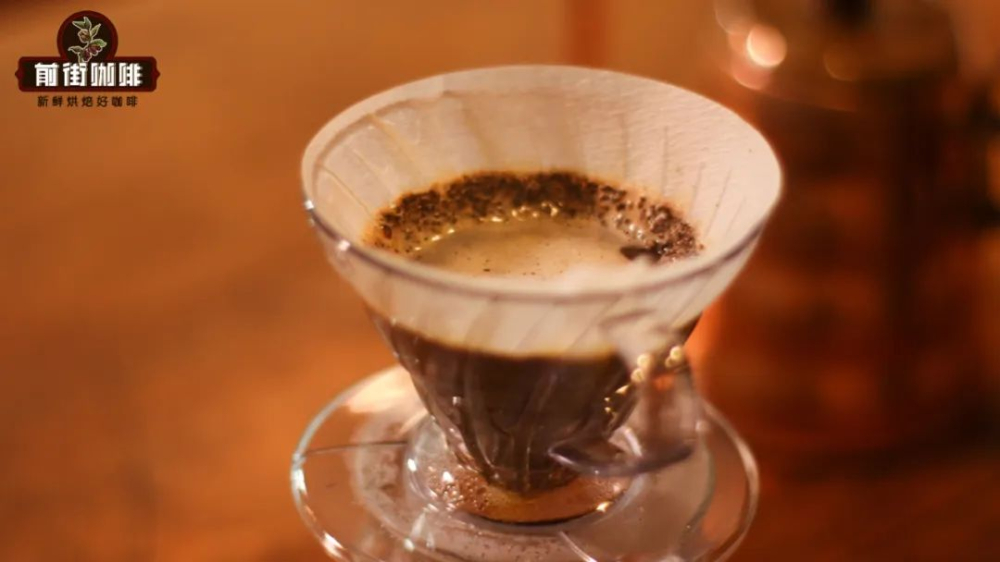
When the liquid level drops to half of the coffee bed, the third stage pours 100g of water in small circular motions (the scale shows 225g). Since most of the acidic and sweet compounds have already been released, this stage mainly extracts the remaining compounds and adjusts concentration for a more balanced flavor. Note that raising the pour height to make the water fall faster, while still pouring in small circles, reduces disturbance to the bed and with it the release of bitter compounds.
Coffee Bed After Brewing
If your coffee bed looks concave or flat after brewing, that comes down to differences in pouring technique and range.
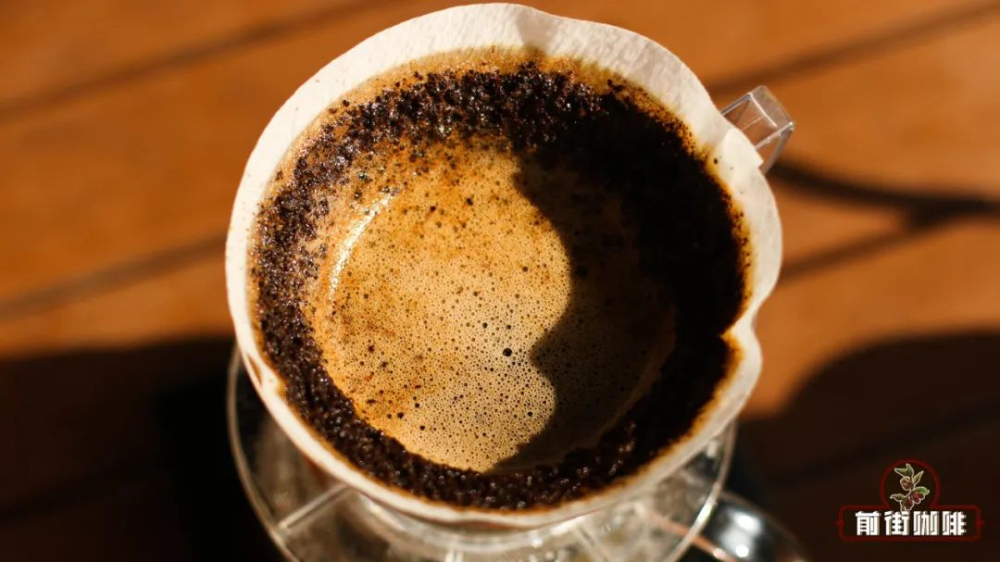
FrontStreet Coffee would like to say: the shape of the coffee bed is not the standard for judging whether a cup tastes good. It reflects whether your pouring technique is correct. As long as you can extract a delicious cup, even a convex bed is fine, provided it is even. An even bed shows that the water was poured evenly and the extraction was even.
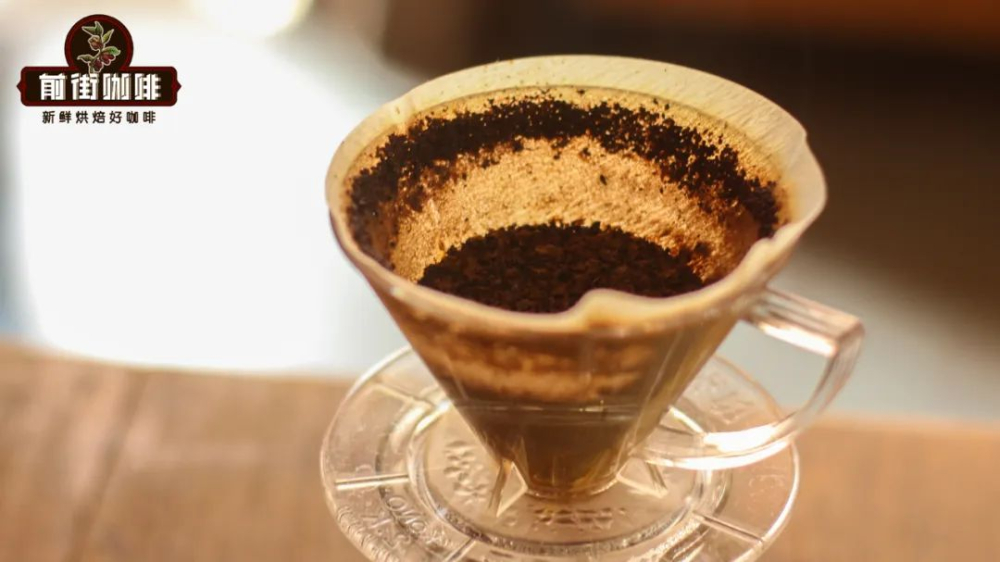
If your pouring is off, for example if the stream hits the wall of the cup and leaves the bed "flat," "fractured," or "higher on one side than the other," then it is time to adjust your method.
FrontStreet Coffee Recommendation
FrontStreet Ethiopia Hua Kui is one of the most rewarding beans for V60 pouring. Its tropical fruit aroma is striking, with strawberry, passion fruit, jackfruit, and even lychee on the nose, plus pronounced sweetness and almost no bitterness. It is smooth and juicy enough that many drinkers call it "the coffee that does not taste like coffee," which makes it a great choice for anyone who dislikes the bitterness of traditional coffee.
FrontStreet Kenya Cherry Tomato is a bright, structured pour-over option. This Kenyan washed bean comes from the Nyeri highlands, grown at 1550-1750 meters from the classic SL28 and SL34 varieties and processed with Kenya's signature 72-hour double wash. It is lightly roasted to preserve the lively acidity, giving clear cherry tomato and dark plum notes, a juicy body, and a clean, long finish with brown sugar and light green tea.
For a richer cup, FrontStreet PWN Gold Mandheling brews beautifully as pour-over. This Indonesian wet-hulled coffee is dark roasted, so acidity is very low and the body is thick and long, with herbal and dark chocolate aromas and a faint earthy note. It is the pick for anyone who prefers a heavy, low-acid coffee.
Important Notice :
FrontStreet Coffee is a long-established specialty coffee roaster in Guangzhou China, selling freshly roasted beans from its own farm in Yunnan as well as dozens of carefully selected single-origin beans from around the world for both pour-over and espresso. The products deliver consistently excellent quality and great value, with shipping within 24 hours. Guangzhou's FrontStreet Coffee shop is recommended by many coffee lovers, and the beans are now available online at the Tmall 。
FrontStreet Coffee has moved to a new address:
FrontStreet Coffee Address: 315,Donghua East Road,GuangZhou
Tel:020 38364473
 Scan and follow the En Gafei WeChat official account. Please indicate that the reprint comes from "En Gafei".