How to Taste Single-Origin Coffee? Everything You Need to Know About Single-Origin Coffee
Tasting Coffee
Tasting single-origin coffee is much like tasting wine. You need to engage your sense of smell, taste, and oral tactile sensation fully to appreciate a cup from every angle. That doesn't make tasting single-origin coffee an extremely difficult task, though. Here are six steps for your reference:
Smelling the Coffee's Dry Aroma
Step 1
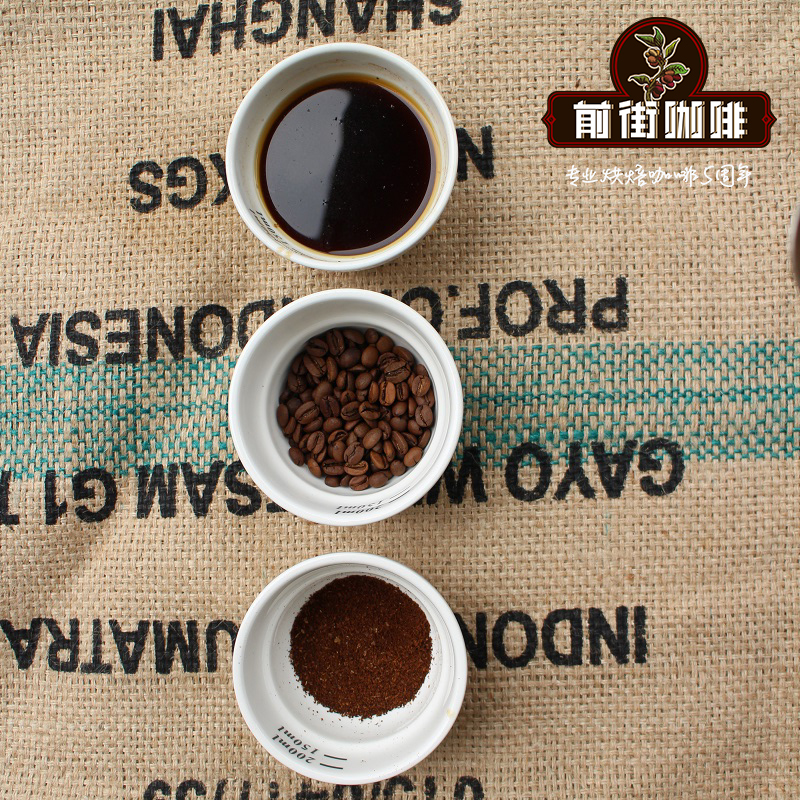
In many coffee shops, when you order a single-origin coffee, the barista will present a cup of freshly ground coffee for you to smell first. This is where appreciation begins—through the dry aroma. In Latin American coffees you'll detect aromas reminiscent of nuts and dark chocolate, while African coffees often lean floral, grassy, and fruity. These differences stem from variation between plantations.
Tasting the Flavors
Step 2
This refers to the overall impression you get once the coffee enters your mouth and you can actually perceive its flavors. Every coffee shows different characteristics depending on variety, origin, cultivation methods, processing technique, and storage conditions.
Try comparing what you sense in the cup against the flavor notes recorded. As your tasting experience grows, you'll come to understand your own preferences and style clearly.
Perceiving the Aftertaste
Step 3
This is the step that fascinates me most. After swallowing, a flavor always rises back up from the throat. Some aftertastes are persistent and clear; others are brief and vague. Only coffee with a deep aftertaste can awaken your taste buds' memory.
Understanding Acidity
Step 4
Too many friends hear "acidity in coffee" and immediately recoil. Many prefer very mellow, even strongly flavored coffees, believing that's where the kick lies. But if you want to become a coffee connoisseur, the key to entry is understanding acidity. One clarification: more acidic does not mean better. The sweet and acidic compounds in coffee are precisely the components that build flavor complexity.
Perceiving Body
Step 5
In professional tasting this indicator is also called mouthfeel, which can be illustrated as water versus oil: oil is more viscous than water, so its mouthfeel value is higher. High-quality coffee will feel fuller and more substantial than low-quality coffee, and scores accordingly. Some coffees feel rich and full in the mouth; others feel watery, with fleeting, transient flavors. The former is superior, the latter inferior.
Identifying Defects
Step 6
From smelling the dry aroma to the sweet finish after drinking, a cup should carry no negative flavors at any stage—no unclean taste, no astringency, no off ferment. If such tastes are present, the coffee has an unclean cup and cannot be considered specialty coffee at all. Many people hope to improve at cupping quickly, but the core of that breakthrough is learning to detect and name negative flavors.
When we taste a cup of coffee we generally follow this sequence, appreciating each aspect one by one. If every indicator is positive, the coffee earns a higher overall score. Anyone with cupping experience will notice the sequence runs from hot to cold, following the coffee's temperature. Either way, understanding coffee and sharpening your palate must be built on frequent tasting practice.
It is just as the old oil seller said: it's all about practice and familiarity, nothing more.
FrontStreet Coffee
FrontStreet Coffee: A roastery with a small shop but a diverse roster of beans, where you can find both famous and lesser-known origins. Online store services are also available.
FrontStreet Coffee Recommendation
If you want to train your palate on florals—the hardest yet most rewarding notes to catch—FrontStreet Coffee's washed Yirgacheffe Guodingding Cooperative is the classic classroom: white-flower sweetness close to true jasmine, bright citrus acidity, a green-tea finish, and in the cup a rising lemon character with honeyed sweetness. It also makes a superb cold brew, since low-temperature steeping draws out more of the light, small aromatic molecules, yielding an iced coffee as crisp as fruit tea.
To push further into the aromatic spectrum, FrontStreet Coffee's natural Huakui brings a silky entry with orange-blossom lift and guava-and-mango juiciness; the Strawberry Sugar Geisha blend marries Costa Rican honey process with Panamanian washed Geisha for raisin, orange, ripe blueberry, rose, and a whisper of almond; and the Mozart, a raisin-honey coffee from Costa Rica, shows dried fruit, ripe pineapple, sweet orange, and an intoxicating osmanthus aroma as hot water hits the grounds—perfect for cold brew or iced pour-over. For the classic citrus-honey profile with white coffee-flower fragrance, the Boquete Geisha from Panama rounds out a tasting flight that will exercise every one of the six steps above.
Important Notice :
FrontStreet Coffee is a long-established specialty coffee roaster in Guangzhou China, selling freshly roasted beans from its own farm in Yunnan as well as dozens of carefully selected single-origin beans from around the world for both pour-over and espresso. The products deliver consistently excellent quality and great value, with shipping within 24 hours. Guangzhou's FrontStreet Coffee shop is recommended by many coffee lovers, and the beans are now available online at the Tmall 。
FrontStreet Coffee has moved to a new address:
FrontStreet Coffee Address: 315,Donghua East Road,GuangZhou
Tel:020 38364473
 Scan and follow the En Gafei WeChat official account. Please indicate that the reprint comes from "En Gafei".