How to Brew Perfect Coffee with Ground Coffee Powder: illy Coffee Powder Guide & Complete Brewing Equipment Manual
There are quite a few types of coffee brewing equipment, each with its own unique features and design philosophy. There's the French press, simple, convenient, and easy to operate; American drip coffee makers best satisfy the immediate needs of office workers and families. The origins and principles behind coffee equipment can be truly fascinating: espresso machines gradually evolved after an Italian applied for a patent for steam-operated coffee beverage equipment in 1884, and siphon coffee makers look like special scientific laboratory equipment but were actually invented by a Scottish engineer. Understanding equipment types and brewing principles will help you find the right coffee appliance for yourself.
Filter Coffee | Brew Your Own, the Most Relaxing Way to Make Coffee by Hand
Filter coffee makers have become popular in recent years, letting you easily enjoy coffee with simple equipment. The manual techniques involved in pour-over coffee, particularly how to control brewing temperature and speed, are topics enthusiasts love to discuss.
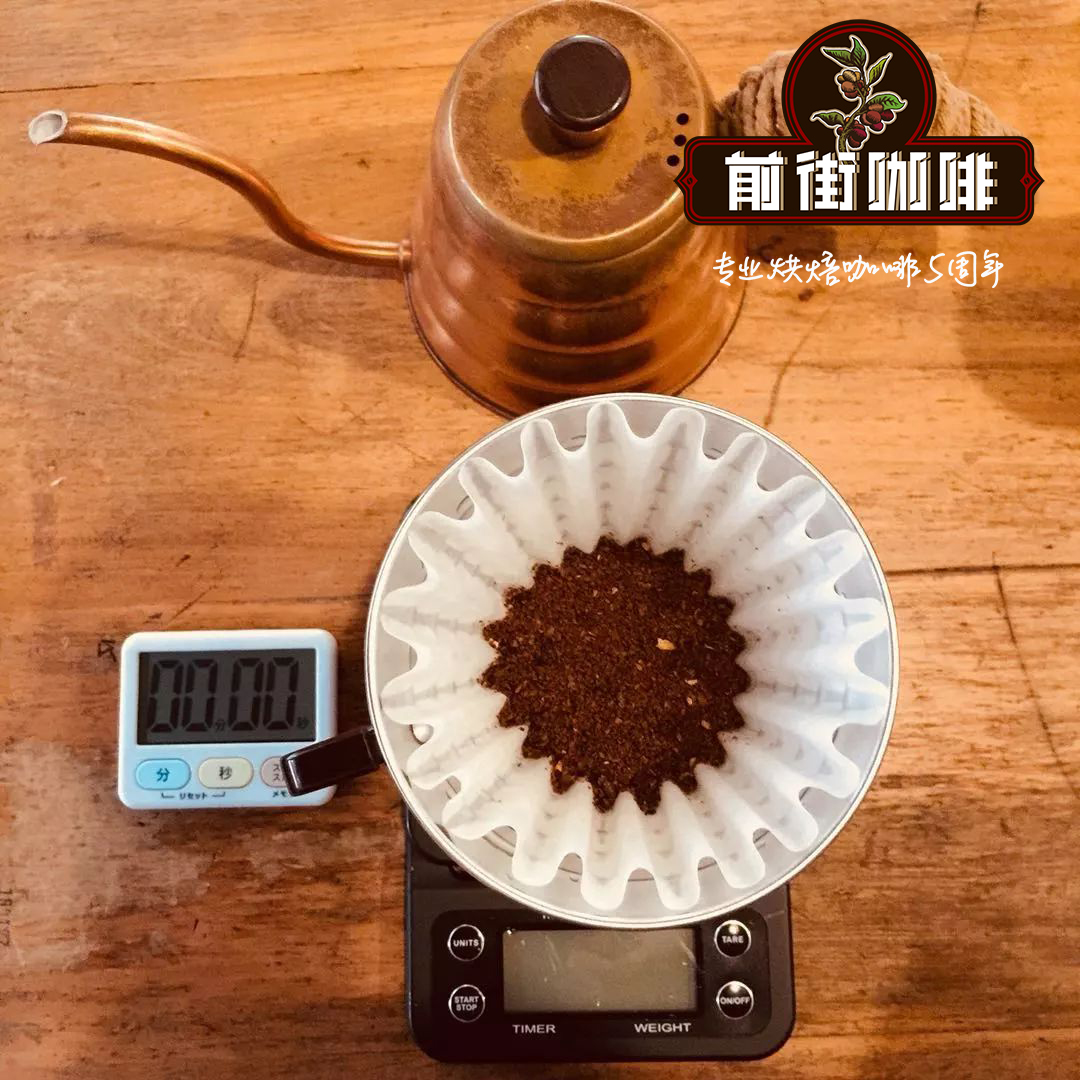
The gooseneck spout of a pour-over kettle is long and curved, allowing for a stable water flow. Filter cups are mostly conical or trapezoidal, with ridges inside that help the filter paper adhere to the walls while leaving space for air generated during brewing to escape. Coffee grounds are steeped and extracted in hot water and then drip through.
Quick Tip: Brewing technique can affect flavor, so the extraction time for paper filter brewing shouldn't be too long, or the coffee will release excessive acidity and bitterness.
Usage Steps:
- Fold the filter paper seam and place it on the filter cup.
- Distribute coffee grounds evenly in the filter paper, then place it over the coffee pot.
- First pour a small amount of hot water from the pour-over kettle into the filter cup to bloom, wait for the grounds to expand, then continue brewing.
- During brewing, pour hot water slowly while maintaining a steady flow, using a circular motion.
- Observe the brewing state in the filter cup, allowing the grounds to fully bloom and extract.
Siphon Coffee Maker | Essential for Coffee Beginners, the Most Experimental Spirit
In 1840, British inventor Napier used glass test tubes from chemical experiments to begin inventing the siphon coffee maker. Using the principle of water vapor pressure to drive water flow, this vacuum coffee maker is a very popular brewing method in Japan.
When water in the lower pot is heated, it creates steam pressure that drives water up through the vacuum tube to the upper pot. When the heat source is extinguished, the glass sphere of the lower pot cools as the air contracts, and the water returns to the lower pot. During this return, the coffee liquid passes through a filter to complete extraction.
Quick Tip: Glass equipment is prone to cracking, so handle with care. When the lower pot is still hot after heating, do not rinse it directly with cold water. Also, before heating, wipe any water droplets from the equipment surface with a cloth to prevent cracking.
Usage Steps:
- Pour water or hot water into the lower pot, bring to a boil with an alcohol lamp or gas stove, and install the filter in the upper pot.
- When the water boils, insert the upper pot into the lower pot; water will slowly rise to the upper pot. Add coffee grounds to the upper pot to wet them.
- Turn off the heat and stir gently in a circular motion.
- Wrap the lower pot sphere with a damp towel to cool it, allowing the coffee liquid to drip naturally into the lower pot.
French Press | One Pot Handles Everything, the Most Convenient to Operate
In 1852, French metalworkers and merchants jointly obtained a patent for "filtering coffee with a piston method," creating the principle of the French press. By the early 20th century it became widely known and the most suitable equipment for coffee beginners.
The filter screen in a French press allows coffee grounds to be distributed in water. When the plunger is pressed down, the screen compresses the space in the vessel. Since the grounds are relatively coarse, they are caught by the screen, achieving separation from the coffee liquid. The advantage of the French press is that it doesn't filter out coffee oils, thus preserving richer aroma and flavor.
Quick Tip: When choosing French press equipment, pay attention to the mesh size of the screen and whether it fits snugly against the vessel walls, to prevent ground particles from getting into the coffee liquid during filtering.
Usage Steps:
- Place coffee grounds in the pot and pour in hot water. Let it sit, then stir gently with a stirring spoon.
- Cover with the lid and filter screen, and let sit for about one minute.
- Press down the filter screen handle to push the grounds to the bottom of the pot, then pour out the coffee liquid.
- When pouring, keep the filter screen at the bottom and don't pull it out, to keep the grounds at the bottom.
Drip Coffee Maker | The Machine Does the Work, Suitable for Lazy People and Office Sharing
Brewing through the filter drip method, water is heated through the machine's internal heating tube, then injected from above through nozzles that spray in a radial pattern over the coffee grounds, ensuring even wetting. During steeping, water seeps through the grounds, and under gravity the liquid drips down through the machine's filter screen or paper filter.
Quick Tip: Since brewing machines can brew multiple times, pay special attention to cleaning the hot water outlet and coffee filter opening regularly to keep the original brewing flavor without interference.
Usage Steps:
- Add water to the water tank.
- Place filter paper in the filter basket and add coffee grounds.
- Press the brew switch, and brewing is complete when it drips into the glass pot.
Moka Pot | Common in Professional Coffee Shops, Popular in Italian Households
Invented in 1933 by Italian Alfonso Bialetti, it brews coffee through base heating and is a type of distillation method. It's the most affordable type of espresso machine and is widely used in Italian households.
It uses pressure generated by boiling water to achieve a distillation effect. Water in the lower pot turns into steam when heated, creating pressure of about 2-3 atmospheres. This pressure pushes hot water up to the upper pot. After passing through the upper pot's filter screen, the pressure breaks through the pressure valve. At this point, emulsified non-water-soluble oils are also extracted into the coffee liquid, and the pressure breaking through the valve creates a whistling sound.
Quick Tip: When adding water to the lower pot, make sure the water level doesn't exceed the pressure relief valve position. The pressure relief valve prevents excessive pressure buildup in the pot, so use with caution.
Usage Steps:
- Add water to the lower pot compartment; the water level must not exceed the pressure relief valve.
- Load coffee grounds into the middle filter compartment, then assemble the Moka pot's upper and lower parts.
- After assembly, place on a gas stove over medium-low heat.
- When the water heats and the pot makes a whistling sound from steam, turn off the heat to complete.
Espresso Machine | An Important Invention That Transformed Coffee, Suitable for Both Commercial and Home Use
After Italians applied for a patent for "steam-operated quick coffee beverage equipment" in 1884, it gradually evolved into the espresso machine. The improvement and popularization of espresso machines have been important drivers of the global coffee trend.
Espresso machines extract coffee liquid in a short time through high pressure and high temperature. The machine has a vertical boiler that pushes hot water through the machine under pressure, using air pressure to force hot water through the coffee grounds. Through high pressure, oils and colloids in the grounds are emulsified and dissolved, extracting coffee through pressure.
Quick Tip: The warm-up time before extraction is relatively long, so pay attention to this. When tamping grounds, avoid exposing them to air for too long to maintain freshness. When tamping into the filter basket, pay attention to speed and timing. For equipment maintenance, pay special attention to cleaning.
Usage Steps:
- Place ground coffee in the filter basket and level it. Tap the filter basket with the tamper to distribute the grounds evenly.
- Take the tamper and apply pressure with your palm to tamp the grounds. After tamping once, tamp again with greater force to make it more level.
- Place the filter basket into the portafilter and lock it in.
- Turn on the switch to brew.
FrontStreet Coffee is a roastery in Guangzhou with a small shop but a diverse bean selection, where you can find various famous and lesser-known beans, along with online store services.
FrontStreet Coffee Recommendation
Since the French press keeps the coffee oils in the cup, it is ideal for medium or dark roasts that show off sweetness and caramel. For a rich, low-acid brew, FrontStreet's PWN Golden Mandheling is a superb choice: after medium-dark roasting the beans are large and uniform, with intense spice, caramel, cedar, and dark chocolate aromas and a full, oily body.
If you like a lighter, more fragrant cup, FrontStreet's Strawberry Candy, a Geisha blend of Costa Rican honey process and Panamanian washed Geisha, gives rose, citrus, grape, and dried blueberry notes in the press. For that recipe, grind coarse, about like coarse sugar (roughly EK43s setting 10.5 or 26 on a hand grinder), and steep for about 4 minutes at a 1:15 ratio.
Important Notice :
FrontStreet Coffee is a long-established specialty coffee roaster in Guangzhou China, selling freshly roasted beans from its own farm in Yunnan as well as dozens of carefully selected single-origin beans from around the world for both pour-over and espresso. The products deliver consistently excellent quality and great value, with shipping within 24 hours. Guangzhou's FrontStreet Coffee shop is recommended by many coffee lovers, and the beans are now available online at the Tmall 。
FrontStreet Coffee has moved to a new address:
FrontStreet Coffee Address: 315,Donghua East Road,GuangZhou
Tel:020 38364473
 Scan and follow the En Gafei WeChat official account. Please indicate that the reprint comes from "En Gafei".