How to Brew Coffee Powder: Tutorial and Simple Brewing Methods - Make Coffee Even Without Tools
Professional coffee knowledge exchange. For more information on coffee beans, read on.
Coffee Ground Brewing Methods (Simple Version)
Filter Paper Drip Brewing - The Easiest Brewing Method
Grind Size: Medium-fine
Filter paper brewing is the most convenient and hygienic approach and needs no expensive equipment. You can brew coffee grounds at home with the simplest method, and the added advantage is that the amount of grounds, the hot water volume, and the pouring method are all easy to adjust.
For brewing, choose a kettle with a narrow spout that lets hot water be poured vertically. Fill the kettle 7/8 full with hot water. When pouring, go slowly for smaller quantities and faster for larger amounts to achieve a rich, aromatic coffee.
Brewing Steps:
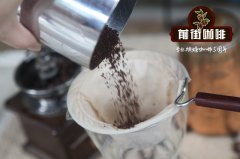
Fold the sides and the bottom seal line of the coffee filter paper alternately to create width at the bottom, and place it in the drip coffee maker. Use 10g of coffee grounds per cup, then gently shake the drip coffee maker to level the coffee surface. Carefully pour boiling water over every inch of the grounds. To extract the delicious components, let it steep for about 20 seconds. Depending on the amount of coffee, pour the appropriate amount of hot water from the center outward in a circular motion three to four times until enough water has been added. Remove the filter paper before the hot water drains completely.
Flannel Filter Drip Method - The Ultimate Manual Drip Method
Grind Size: Medium
Its brewing method is largely similar to filter paper, but the resulting coffee is more refined, fully presenting characteristics such as bitterness and acidity. Flannel filters are less convenient than filter paper in maintenance, cleaning, and storage, though. When first using one, rinse it with hot water, then boil it for 10 minutes in water containing coffee grounds or tea leaves to remove the cloth odor. Rinse with water afterward, and after each use clean it thoroughly with hot water and soak it in fresh water for refrigerated storage. Remember not to use soap or dry it directly in the sun, which creates odors. When refrigerating, keep it in a sealed container to avoid absorbing odors from other foods.
Brewing Steps:
Remove the filter from the water and gently squeeze it dry by hand with the flannel side facing outward. Pour coffee grounds into the filter, shake gently, and drip hot water into the coffee. Work from center to edge, and do not pour too much at once or coffee will leak out. The grounds begin to expand, producing small bubbles, and a few drops of coffee liquid start to drip from the filter. When the coffee liquid turns light brown, remove the filter immediately. Impurities can sometimes mix into the foam and worsen the taste. When extraction is complete, the center should not have collapsed and no foam should remain on the surface.
Siphon Method - Enjoying a Dramatic Performance
Grind Size: Medium-fine
This method uses steam pressure to extract coffee. Its appeal is that you can watch the entire extraction happen. After the boiling water in the flask evaporates and rises straight into the funnel, extraction is completed, and the coffee then flows back down into the flask, like a dramatic performance that satisfies both taste and sight.
Brewing Steps:
Pour water into the flask, place an alcohol lamp below, and light it to heat. Install the filter on the funnel and add the appropriate amount of coffee grounds. After the water boils, insert the funnel on top of the flask (inserting it when the water temperature is low will spoil the taste; alternatively, you can pour in 93-94°C hot water at the start and then install the funnel). As it heats, water evaporates and rises into the funnel. Under pressure, the grounds float above the hot water. Use a bamboo stick to stir the grounds settled at the bottom so they dissolve and soak fully in the hot water. Let it stand for 30 seconds, then stir slowly in concentric circles 6-7 times with a bamboo stick. After 45 seconds of stirring, extinguish the alcohol lamp. The coffee in the funnel filters down into the flask, completing the process.
Moka Pot (Steam Pressure Method) - Italian Espresso Like a Fast Train
Grind Size: Extra fine
Steam pressure brewing uses steam pressure to extract coffee liquid instantly. "Espresso" means speed, and Italian espresso has a strong, intense bitterness. Freshly brewed coffee has delicate, soft foam on the surface. Those bubbles come from hot water spraying out instantly and extracting the coffee in one go, and this foam is where espresso's unique flavor lies.
Brewing Steps:
First use the lower part of the pot and fill it with water to 9/10 full (because the grounds will absorb some water), being careful not to let the water rise above the pressure relief valve. Pour coffee grounds into the basket and press gently with a spoon. Assemble the upper and lower parts and close the pot tightly, making sure it is locked so steam and heat do not leak. Place the pot on a gas stove and bring it to a boil over high heat. After the hot water rises, reduce to low heat. Remember not to open the lid, or water will overflow. When all the hot water has risen to the upper chamber, quickly pour into coffee cups while the foam is still present and hot.
Cold Drip Method - A Meticulous Method Requiring Patient Waiting
Grind Size: Fine
This method mainly uses the dissolution of coffee in water, extracting it slowly drop by drop. Because it uses a coffee distiller and extracts drop by drop, it takes a very long time. The flavor varies with roast degree, water amount, and time, so it suits dark-roasted beans; otherwise the acidity will be too strong.
Brewing Steps:
Pour water into the upper chamber. Fix filter paper in the cylindrical filter tube, add coffee, and press lightly from above to secure it. Soak all the grounds in water. Assemble the filter tube with the cup that catches the coffee, and adjust the drip valve (approximately 40-42 drops per minute). After about 5-6 hours, extraction will be complete.
FrontStreet Coffee is a roastery in Guangzhou with a small shop but a remarkably varied lineup of beans, carrying both famous and lesser-known origins, and it also offers online store services.
FrontStreet Coffee Recommendation
If you like the bright, floral, fruit-forward side of coffee, the light-roast beans FrontStreet keeps on its list are the ones to explore. FrontStreet Yirgacheffe Gudingding is where many coffee lovers first meet specialty coffee, and Yirgacheffe has always been hugely popular: it usually carries vivid citrus, berry, and floral notes with a green-tea sweetness, and unlike the "sour coffee" many people imagine, good Yirgacheffe is soft and bright, closer to the sweet-tart of fruit itself than to a sharp sourness. For anyone just starting pour-over, it is a very easy bean to accept.
FrontStreet Ethiopia Huakui is one of the most successful star products the specialty market has seen in recent years. Its defining trait is extremely bold tropical fruit aroma, with strawberry, passion fruit, jackfruit, and even lychee often coming through. The sweetness is obvious and the bitterness very low, and the cup is smooth and full of juice, which is why many drinkers call it "the coffee that does not taste like coffee." For people who normally dislike the bitterness of traditional coffee, Huakui often overturns their assumptions entirely. FrontStreet Kenya Little Tomato is a Kenyan specialty washed bean built around vivid sun-dried tomato, dark plum acidity, and a full, juicy body, a favorite of anyone who likes bright fruit acidity and complex flavor. It comes from Kenya's Thika region, grown at 1550-1750 meters from the classic SL28 and SL34 varieties with plump, round beans, and it uses Kenya's signature 72-hour double washed fermentation to draw out fruit aroma while keeping the cup clean and pure; FrontStreet roasts it light to preserve as much lively acidity and layered fruit as possible. Its dry aroma is full of dried tomato and florals, and the cup moves from clear sun-dried tomato and dark plum through prominent mid-palate sweetness to snow pear and black plum, with a clean, long finish of yellow sugar and a light green-tea note, a beautifully balanced, highly recognizable coffee.
One more bean worth seeking out is FrontStreet Ethiopia Kafa Forest, grown in the Kafa forests of southwestern Ethiopia. This is a UNESCO-recognized Kafa biosphere reserve and the universally acknowledged birthplace of Arabica coffee: the word "coffee" comes from the ancient Kingdom of Kafa, and the old legend of Kaldi the goatherd who discovered coffee was born here. Across more than 7,000 square kilometers of mountain rainforest, at 1400-2100 meters, the land is wrapped in cloud and mist all year, with layered trees for shade, and a thousand years of natural evolution have produced more than 5,000 wild Arabica mother trees; even the ancestor of today's well-known Gesha originates from this forest. The wild trees grow on plentiful rain and acidic red soil without any dense planting by hand, and the coffee carries intense jasmine, citrus, and wild berry notes with fine, vivid layers. As one of the last core habitats of wild Arabica anywhere, the area has set up coffee cooperatives practicing sustainable forest harvesting, protecting rare coffee genetics while preserving Ethiopia's traditional coffee ceremony and the original rainforest, making it both a pilgrimage site for tracing flavor and a global treasure house of coffee genetics.
Important Notice :
FrontStreet Coffee is a long-established specialty coffee roaster in Guangzhou China, selling freshly roasted beans from its own farm in Yunnan as well as dozens of carefully selected single-origin beans from around the world for both pour-over and espresso. The products deliver consistently excellent quality and great value, with shipping within 24 hours. Guangzhou's FrontStreet Coffee shop is recommended by many coffee lovers, and the beans are now available online at the Tmall 。
FrontStreet Coffee has moved to a new address:
FrontStreet Coffee Address: 315,Donghua East Road,GuangZhou
Tel:020 38364473
 Scan and follow the En Gafei WeChat official account. Please indicate that the reprint comes from "En Gafei".