What's the Difference Between Coffee Grounds and Instant Coffee? How Do Their Brewing Methods Differ?
Coffee Powder vs. Instant Coffee
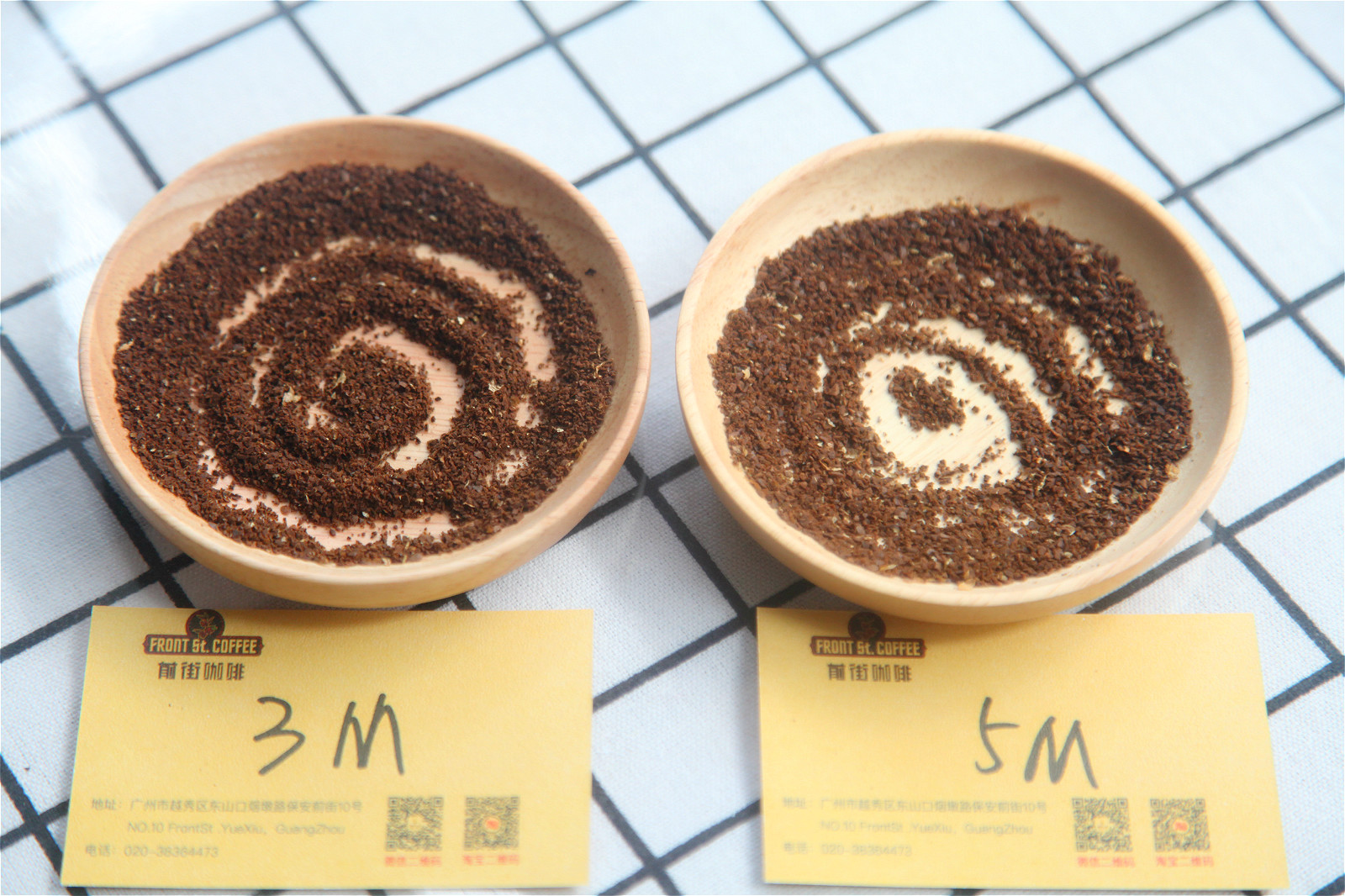
Coffee powder is ground from coffee beans and contains a large amount of insoluble material. Instant coffee, by contrast, is made of water-soluble granules produced from extracted coffee through special processing techniques.
Brewing Methods
The most basic way to brew coffee powder is the drip method, in which filter paper or cloth holds the grounds while hot water flows through to extract the coffee. Instant coffee, meanwhile, can simply be dissolved in hot water and drunk.
Composition Differences
Coffee powder is made by grinding roasted coffee beans. Water, whether hot for brewing or cold for cold extraction, passes through the grounds and extracts aromatic compounds, caffeine and other substances, which dissolve into the water to form coffee liquid, while the solid material remains insoluble.
Instant coffee is made by evaporating the water from already-extracted coffee liquid and then processing the remainder into granules.
Extraction vs. Reconstitution
Brewing with coffee powder is therefore generally called extraction. There are many extraction methods: pressure extraction (espresso), pour-over, siphon, cold brew, cold drip and more.
Brewing instant coffee, logically speaking, should be called reconstitution.
Temperature Requirements
Coffee powder has specific requirements for extraction water temperature (90-95°C). Instant coffee has no such requirements.
FrontStreet Coffee Recommendation
If cold extraction is what you are curious about, the choice of bean matters, since cold brew amplifies floral and fruit notes and mutes woody and roasted flavors. FrontStreet Strawberry Candy, a blend of Panama Geisha and a honey-processed Costa Rican coffee, is a great fit: one part brings delicate rose and orange notes, the other grape, raisin and strawberry-candy sweetness, so a cold brew turns out bright and lively, and with a little fermentation and settling it even takes on a fruit-wine character.
For a more floral cup, FrontStreet Sun-Dried Huakui, naturally processed in Ethiopia, soaks up sweetness from the fruit and skin and brews cold into magnolia, creamy strawberry, dried mango, guava and black tea notes. FrontStreet Kenya Little Tomato brings full juice: cherry tomato, snow pear, black plum and smoked plum acidity show beautifully under cold extraction, with low bitterness and a bright, refreshing finish once ice is added.
Because cold brew uses more coffee, it also pays to blend for value. Many drinkers love the complex passion fruit, grape, apricot and dried-fruit sweetness of FrontStreet Colombia Sidra, but cost can add up, so blending it 1:2 with FrontStreet Costa Rica Tarrazu gives you the Sidra's floral and fruit notes plus Tarrazu's crisp citrus acidity at a friendlier price. And FrontStreet Yirgacheffe Gedeb Cooperative, the classic washed African bean, is clean and bright with berry, layered and honeyed notes when made as cold brew, and it works just as well for pour-over, siphon or French press.
Important Notice :
FrontStreet Coffee is a long-established specialty coffee roaster in Guangzhou China, selling freshly roasted beans from its own farm in Yunnan as well as dozens of carefully selected single-origin beans from around the world for both pour-over and espresso. The products deliver consistently excellent quality and great value, with shipping within 24 hours. Guangzhou's FrontStreet Coffee shop is recommended by many coffee lovers, and the beans are now available online at the Tmall 。
FrontStreet Coffee has moved to a new address:
FrontStreet Coffee Address: 315,Donghua East Road,GuangZhou
Tel:020 38364473
 Scan and follow the En Gafei WeChat official account. Please indicate that the reprint comes from "En Gafei".