Defective Coffee Beans Illustrated Guide: What Are Defective Coffee Beans and How to Identify Different Defects?
Professional Coffee Knowledge Exchange. For more coffee bean information, follow Coffee Workshop (WeChat public account: cafe_style).
The key to efficient manual sorting is deciding in advance which type of defect to start with. The inspection order is color, then luster, then shape. First remove foreign objects and black beans that differ obviously in color from the raw beans, then focus on dead beans, fermented beans, and unripe beans that lack luster, and finally handle defects of unusual shape such as shell beans and insect-damaged beans.
Article by: Seimeido Publishing Editorial Department
Efficient Manual Sorting Through a Systematic Process
Picking defective beans out of a large quantity of coffee is time-consuming and labor-intensive, but once you master the technique you can work efficiently.
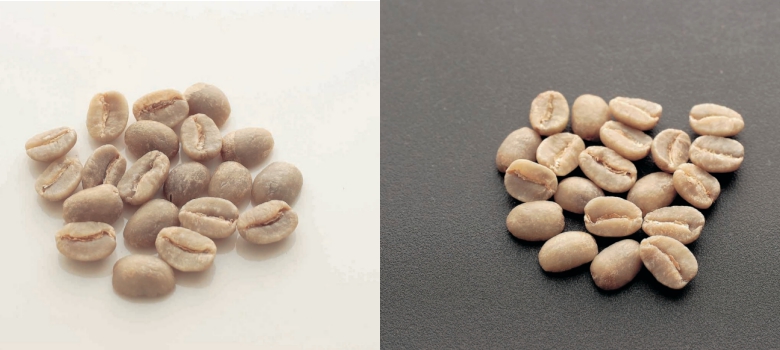
When sorting raw beans, spread them on a non-reflective black tray. Fermented and unripe beans look slightly yellowish and stand out more against a dark tray. For manual sorting after roasting, spread the roasted beans on a tray covered with brown cotton cloth to better detect differences in roast color.
Once the beans are spread out you can begin picking, but working without a system only wastes time. To make manual sorting more efficient, first prioritize the work: think about which type of defect to start with. The inspection order is "color > luster > shape." Remove foreign objects and black beans that differ obviously in color from the raw beans, then focus on dead beans, fermented beans, and unripe beans that lack luster, and finally handle odd-shaped defects such as shell beans and insect-damaged beans.
As for the proportion of defects found through manual sorting, washed raw beans contain about 15-30% defects, while natural processed raw beans account for 40%. Ideally you would buy raw beans with few defects from the start, but defects are unavoidable, so you need to estimate the weight lost after removing them to calculate the necessary purchase amount. It is truly regrettable when a single defective bean ruins a cup you spent time and effort brewing, so if it is hard to judge whether a bean is normal or defective, it is safer to remove it decisively.
Common Impurities in Coffee Beans
1. Stones
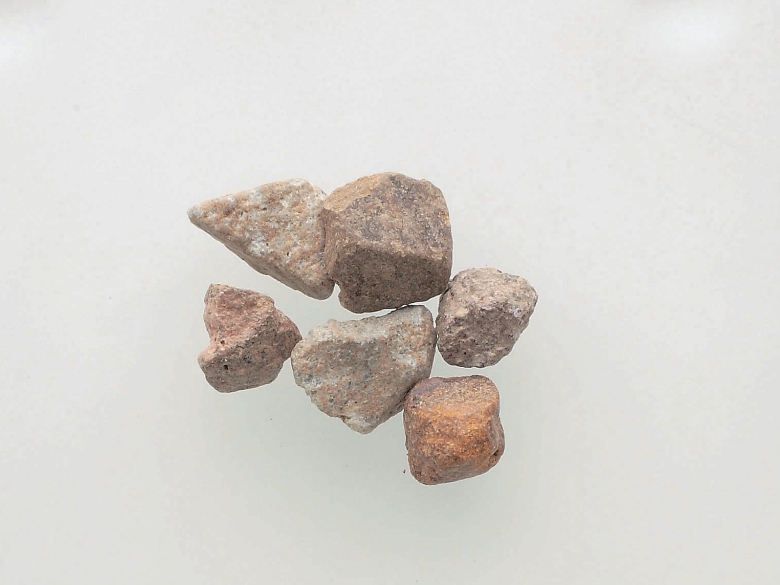
Coffee beans naturally dried in the sun often contain small stones, gravel, wood chips, and other foreign objects. Occasionally glass fragments or coins may also be found.
2. Grains
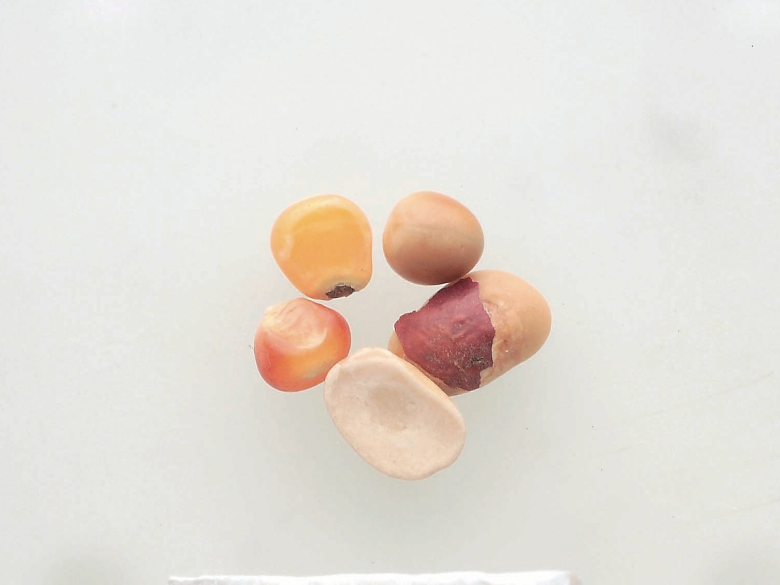
Similar to stones, sun-dried beans may contain grains such as corn or other seeds. Pepper kernels have also turned up occasionally.
Common Types of Defective Beans
1. Shell Beans and Cracked Beans
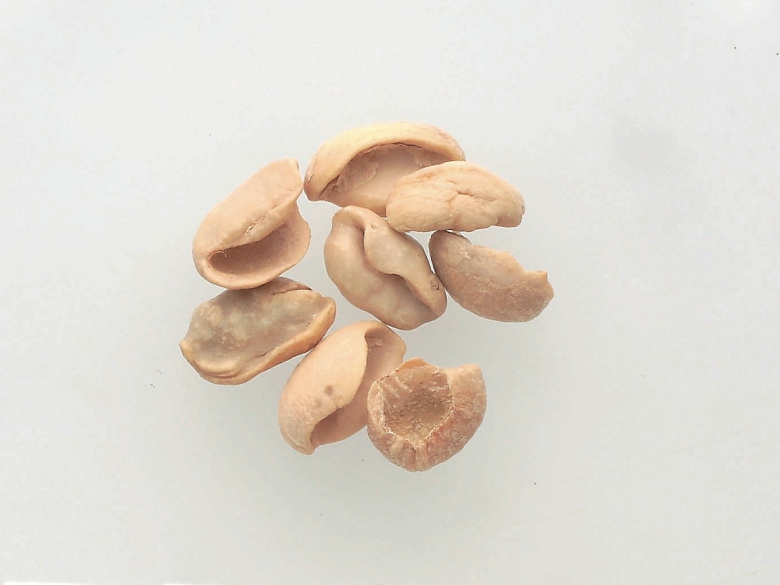
Beans that have grown into a shell shape are called "shell beans"; beans damaged during processing or transport are called "cracked beans." Both cause uneven roasting.
2. Fermented Beans
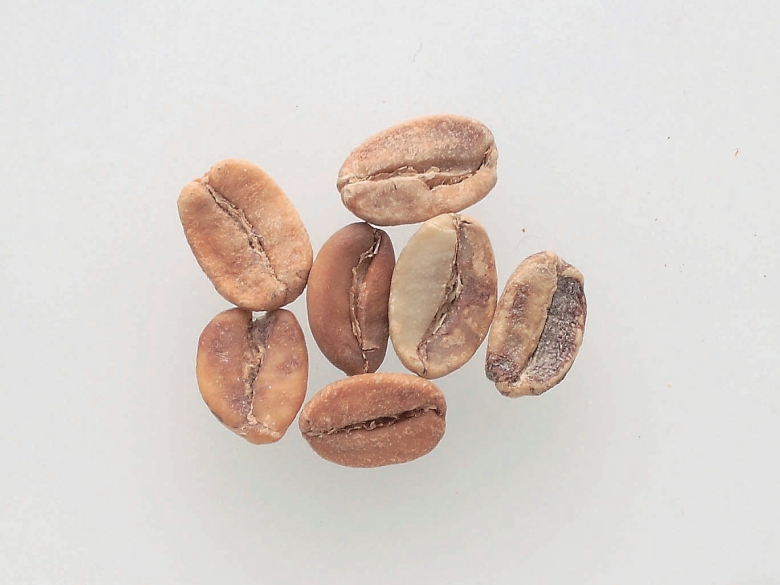
During wet processing, these beans undergo contaminating fermentation in the fermentation tank. They can also appear when processing is delayed after harvest or when storage is improper. They emit strange odors during roasting.
3. Insect-Damaged Beans
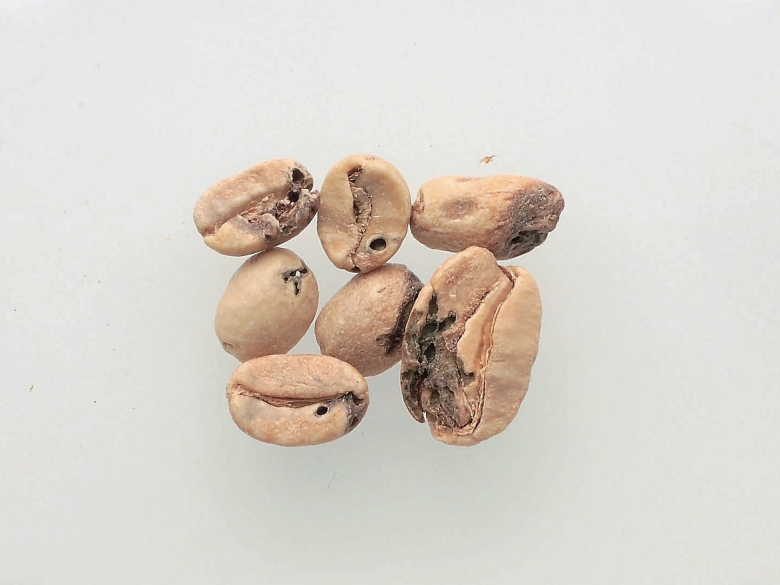
These beans have holes formed by larvae hatching from eggs laid by pests such as the coffee berry borer, which feed on the coffee fruit. They cause cloudiness or strange flavors in the cup.
4. Moldy Beans
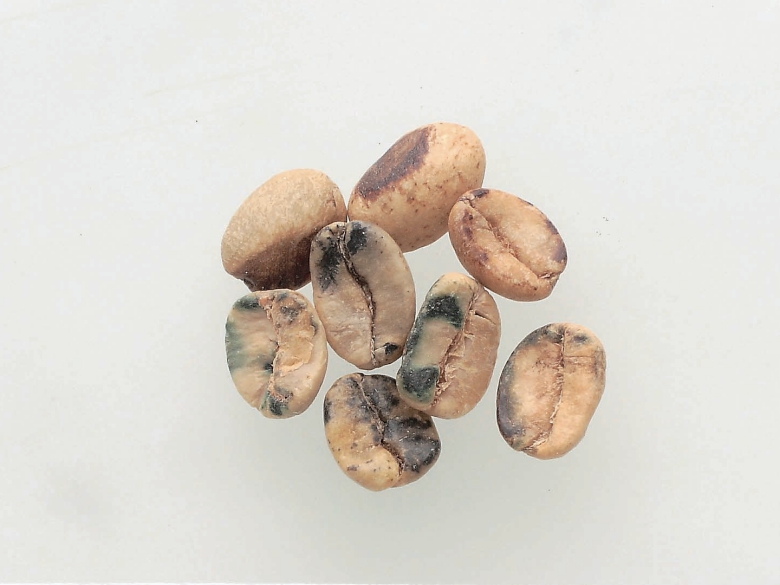
These beans have molded due to incomplete drying, improper handling during transport, or improper storage. Even after roasting they retain moldy odors.
5. Unripe Beans
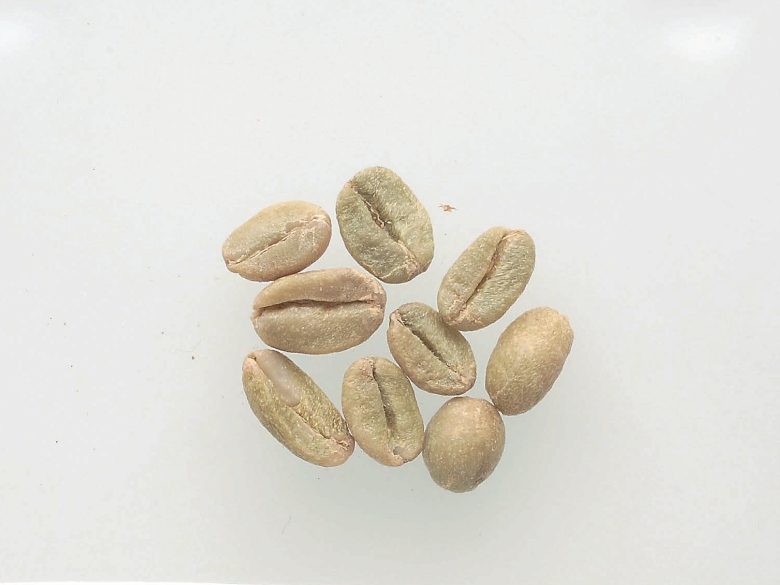
These come from coffee fruits harvested before they were fully ripe. Coffee containing unripe beans has a strong fishy smell and emits a nauseating, foul odor.
6. Black Beans
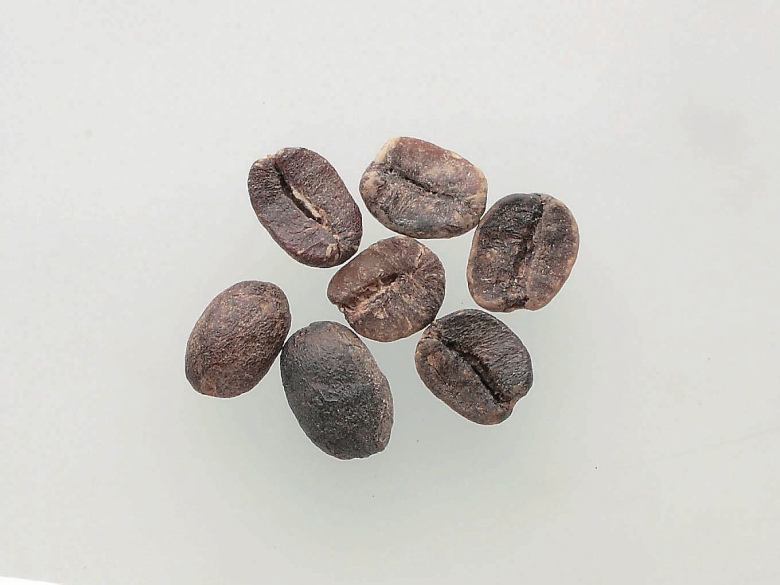
These are beans that fell and turned black before harvest, or beans completely damaged by fermentation. They are the source of cloudiness and putrid odors in coffee.
7. Dead Beans
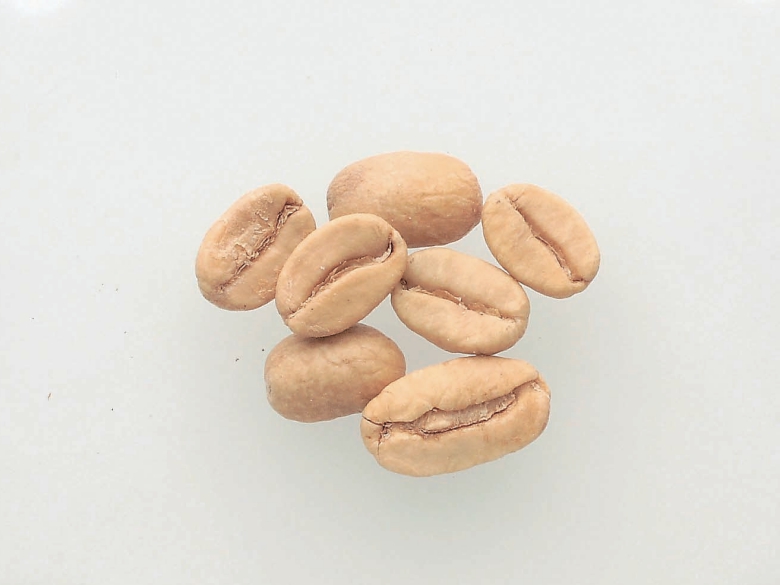
These are beans that failed to develop normally, making the coffee flavor weak and producing strange tastes. Their color after roasting is also poor, making them easier to distinguish once roasted.
8. Stinker Beans
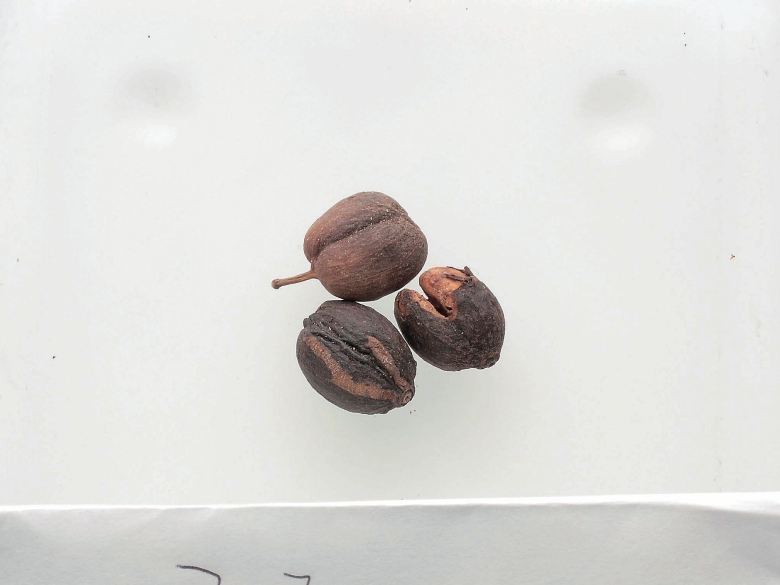
These are beans dried while still attached to pulp, or where pulp removal was incomplete. Stinker beans release iodine-like odors or earthy tastes.
9. Parchment Beans
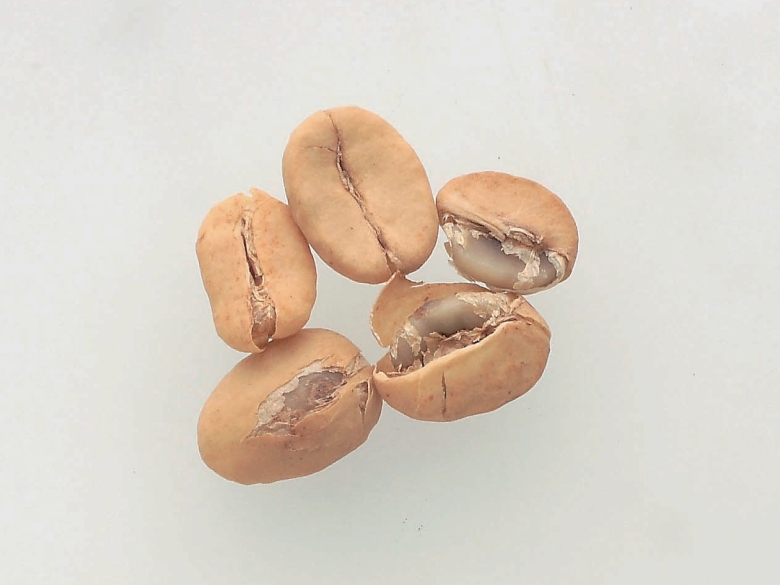
These beans retain the inner fruit skin due to incomplete hulling or other reasons. They cause astringency or miscellaneous flavors in coffee.
Using Non-Reflective Black Trays to Identify Raw Beans
Tray color changes the visual effect of judging raw bean color by eye. Compared with the white tray on the right, the black tray on the left gives clearer visibility. Reflective black trays, however, are not suitable.
Content source: "The Details of Perfect Coffee: From Bean Origin, Cupping Taste, Roasting and Grinding to Brewing Extraction—Precision in Every Step," Dialect Culture Publishing.
FrontStreet Coffee is a Guangzhou roastery with a small shop but a wide range of beans—famous names alongside little-known ones—and an online store as well. https://shop104210103.taobao.com
FrontStreet Coffee Recommendation
Since clean, defect-free beans are what sorting is all about, these medium-roast FrontStreet coffees show what careful selection delivers in the cup.
FrontStreet Jamaica Blue Mountain No. 1 is medium-roasted so its acidity, bitterness, sweetness, and aroma fuse perfectly into an elegant, enticing character. The cup immediately shows chocolate, roasted nuts, cream, and caramel—roast-driven flavors few other coffees can match.
FrontStreet 2013 Yunnan Sun-Dried Typica is a representative Chinese specialty coffee with the authentic Yunnan small-bean character. Medium roasting restores its balanced, gentle profile, carrying soft notes of nuts, brown sugar, black tea, and dried apricot. It suits pour-over, cold brew, and drip machines, with excellent value.
FrontStreet Brazil Queen Estate is a distinctive Yellow Bourbon from the world's largest coffee producer. Its clean, mellow sweetness becomes, under medium roast, aromas and sweetness of cream, peanut, chocolate, toast, and sugarcane. It works for pour-over as well as in a moka pot or espresso machine.
Important Notice :
FrontStreet Coffee is a long-established specialty coffee roaster in Guangzhou China, selling freshly roasted beans from its own farm in Yunnan as well as dozens of carefully selected single-origin beans from around the world for both pour-over and espresso. The products deliver consistently excellent quality and great value, with shipping within 24 hours. Guangzhou's FrontStreet Coffee shop is recommended by many coffee lovers, and the beans are now available online at the Tmall 。
FrontStreet Coffee has moved to a new address:
FrontStreet Coffee Address: 315,Donghua East Road,GuangZhou
Tel:020 38364473
 Scan and follow the En Gafei WeChat official account. Please indicate that the reprint comes from "En Gafei".