How to Make Coffee with Kopi Luwak Beans: Which Brand is Best for Civet Coffee?
How to Brew Coffee with Kopi Luwak Beans
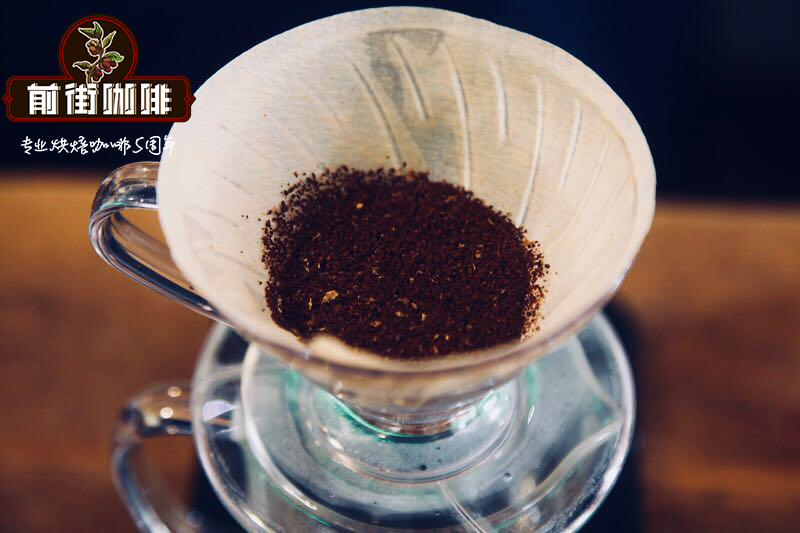
Even with top-quality Kopi Luwak beans, proper brewing is essential. With the simplest method — hot water poured directly over the grounds — remember to use a ceramic spoon as well; the principle is the same as never serving caviar with metal, since metal taints the taste. Kopi Luwak coffee is also highly sensitive to air and begins oxidizing the moment it is exposed: drink it within fifteen minutes before it turns sour. Note how finely the grounds are ground — the finer the powder, the more angles of flavor it releases — and the grounds settle naturally on their own, no filter paper needed. Very convenient.
Once brewed, the coffee sits deep black with a thin layer of clear water on top and a remarkably clean surface. The texture is syrup-rich and only grows more intense as you drink. Generally speaking, ten grams of grounds can be brewed up to three times. And one firm warning: Kopi Luwak coffee must never be mixed with milk! Natural Kopi Luwak plus milk turns watery — bland and flavorless, the milk masking everything the coffee has to offer. The coffee itself carries a fruity sweetness, best enjoyed alongside unfilled dark chocolate; cookies are an excellent companion too.
How Should Kopi Luwak Coffee Be Brewed?
Plenty of methods circulate, but in truth, however you brew it, the goal is simply a taste you enjoy. Kopi Luwak coffee suits a variety of approaches. That said, since the precious enzymes in Kopi Luwak coffee should not be destroyed by high heat, Mr. Coffee most recommends low-temperature pour-over (no hotter than 85°C) or the cold-drip method. Other methods will still let you experience the coffee's rich, varied flavors —
Pour-Over Key Points:
Grind size approximately 2-2.5; brew at a 1:12-1:15 ratio; water temperature no higher than 85°C (while within the freshness window). Always brew while fresh.
Cold Brew Key Points:
Grind size approximately 1.5-2; brew at a 1:10-1:15 ratio; total brewing time about 3-4 hours, using at least 30 grams of grounds each time.
How to Taste It
Tasting:
Take a small sip, hold it on your tongue, move your tongue gently, then swallow slowly and follow the coffee's changes in your mouth.
Smelling:
1. Dry aroma: place the freshly ground coffee in a small container, bring your nose close to the rim, breathe in deeply and hold for 3 seconds, then exhale slowly through your nose. Repeat several times to map the different layers in the grounds.
2. Wet aroma: take a small slurp — the way you would with ramen, letting the coffee mix with air to release more aromatic particles — hold it in your mouth, then exhale the inhaled air through your nose (please be careful doing this, lest you choke).
A Clever Second Use for the Grounds
Kopi Luwak coffee contains many enzymes with a tightening effect on the skin, so don't casually toss the spent grounds —
Method: mix the brewed grounds with one egg yolk and a small amount of honey, stir well, and apply directly to the face for 10 minutes (no longer), and you will immediately feel your skin grow more delicate and firm.
FrontStreet Coffee Recommendation
If the story of Kopi Luwak has you curious about what fine coffee actually tastes like at its origin, FrontStreet Coffee's light-roast floral-and-fruit lineup is the sensible place to start — the same delicate acidity, without the controversy or the price tag.
The Yirgacheffe Guodingding is many drinkers' first stop into specialty coffee: crisp citrus, berry, and floral aromatics with a green-tea-like sweetness. Far from the "sour coffee" of imagination, a quality Yirgacheffe's acidity is soft and bright — the natural sweet-tartness of fruit rather than anything harsh. The Ethiopian Flower Queen is the star of recent years: outstanding tropical-fruit aromatics of strawberry, passion fruit, jackfruit, even lychee, with evident sweetness and almost no bitterness, so juicy it is often called "the coffee that least resembles coffee."
The Kenya Cherry Tomato is a washed specialty lot from the Thika region, grown at 1,550-1,750 meters from the classic local SL28 and SL34 varieties on plump, round beans. Kenya's signature 72-hour double-washed fermentation fully unlocks the fruit aromatics while keeping the cup clean, and FrontStreet's light roast preserves the lively acidity and layered fruit: dried cherry tomato and florals in the dry fragrance, vivid cherry-tomato and damson plum on the palate like freshly squeezed juice, mid-palate sweetness with snow pear and black plum, and a long, clean finish of yellow sugar and faint green tea.
Finally, the Kafa Forest lot comes from the coffee forests of southwestern Ethiopia — a UN-recognized biosphere reserve and the globally acknowledged birthplace of arabica (the very word "coffee" derives from the ancient Kingdom of Kaffa). Across more than 7,000 square kilometers of mountain rainforest at 1,400-2,100 meters, perpetual mist and layered canopy shade have nurtured over 5,000 wild arabica genetic mother plants — the original home of the Gesha variety among them — yielding a cup dense with jasmine, citrus, and wild berry in fine, lively layers.
Important Notice :
FrontStreet Coffee is a long-established specialty coffee roaster in Guangzhou China, selling freshly roasted beans from its own farm in Yunnan as well as dozens of carefully selected single-origin beans from around the world for both pour-over and espresso. The products deliver consistently excellent quality and great value, with shipping within 24 hours. Guangzhou's FrontStreet Coffee shop is recommended by many coffee lovers, and the beans are now available online at the Tmall 。
FrontStreet Coffee has moved to a new address:
FrontStreet Coffee Address: 315,Donghua East Road,GuangZhou
Tel:020 38364473
 Scan and follow the En Gafei WeChat official account. Please indicate that the reprint comes from "En Gafei".