How to Choose Coffee Bean Varieties and Brewing Methods? Introduction to Common Coffee Types in Specialty Coffee Shops
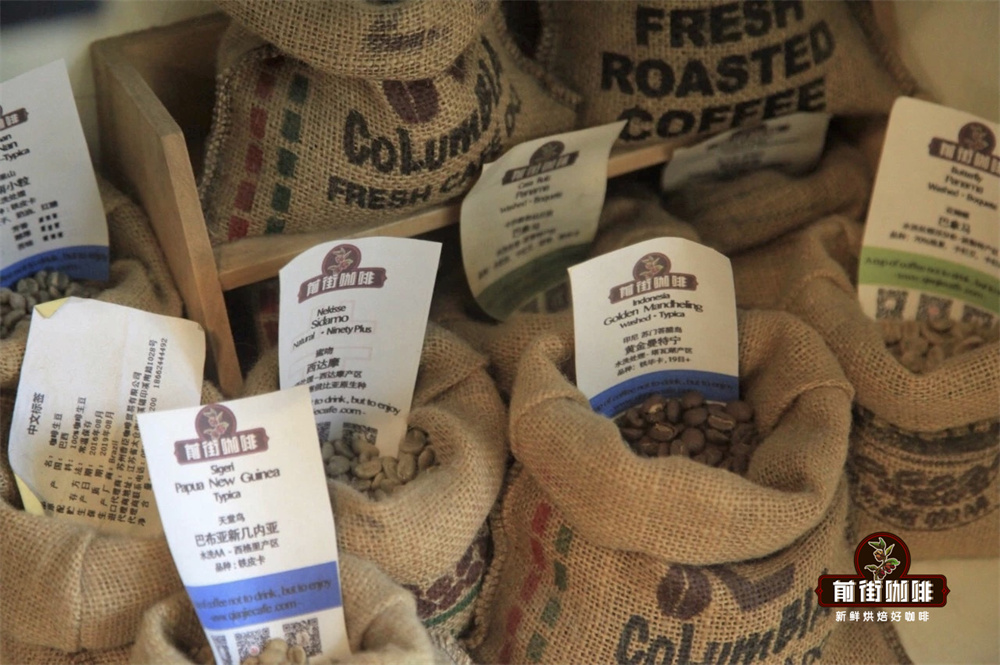
How to Choose Coffee Bean Varieties: Look at Green Beans First, Then Roasted Beans
Many internationally renowned coffee manufacturers go to great lengths before roasting to provide high-quality products. Cuppers seek samples that match a desired taste profile to find this season's premium lots. After roasting, they use cupping to decide whether the roast degree needs adjustment. Through layer-by-layer quality control, they confirm whether taste and flavor differ from their own products. That is why they consistently look for large-scale plantations that can supply beans long term, which strengthens the stability of an established brand's quality.
Major international coffee companies hire cuppers to evaluate beans and find large plantations for long-term cooperation. Domestic coffee consumption, unfortunately, is considerably lower than abroad, so it is not possible to cooperate with large plantations the way international companies do.
In recent years, many small plantations, through dedicated cultivation and fair trade practices supported by Cup of Excellence certification, have encouraged farmers to enter high-quality scoring competitions and have gradually begun to produce high-quality specialty coffee. They also emphasize the freshness and storage of green beans. Fresh, diverse beans, small-batch artisan roasting, and customized services that can create roasts for different groups are the way to seize the freshness advantage that the big international companies cannot currently match.
How Are Coffee Bean Varieties Graded?
Why Do Coffee Beans Need Grading?
There is no standard value for coffee bean grading. To indicate quality levels and make trading convenient, grading has become a very important indicator. Many growing regions still trade according to grading systems today. The methods vary: some are based on processing method (washed, natural), bean size, defect rate, or growing altitude. More and more single-origin beans are labeled with a specific estate or cooperative name, and some even include the botanical variety name. Although bean sizes are generally similar, grading and classification still rely on bean size and color depth for differentiation.
Coffee Bean Grading Examples:
Kenyan Coffee Beans: Grades AA, A, B, C, and PB. AA is the highest, followed by A, B, and C in descending order. There is also Peaberry (PB), with smaller beans, a special flavor, and extremely limited production, usually commanding higher prices.
Indonesian and Ethiopian Coffee Beans: Graded based on defect bean counts. Indonesian beans are mainly classified into 6 grades, Gr1-Gr6. Ethiopia is divided into 5 grades, with Gr1-Gr2 reserved for washed beans. Gr1 represents 0-3 defective beans per 300g of green beans, while Gr2 represents 4-12 defective beans per 300g. Natural processed beans are graded as Gr3, Gr4, or Gr5 in quality order.
Guatemalan Coffee Beans: SHB, grown at 4500-5000 feet altitude (Strictly Hard Bean); HB, grown at 4000-4500 feet (Hard Bean); SH, grown at 3500-4000 feet (Semi-Hard Bean); GW, beans selected from below 2000 feet altitude (screened).
Costa Rican Coffee Beans: SHB, grown at 3900-5400 feet (Strictly Hard Bean); GHB, grown at 3300-3900 feet (Good Hard Bean); HB, grown at 2600-3300 feet (Hard Bean); LGA, 500-2000 feet (Low Grown Altitude).
We hope this introduction to grading systems helps you further understand the importance of coffee beans.
How to Choose Coffee Beans?
How do you choose coffee beans? Selecting beans can start with freshness, purity, and appearance. Buy high-quality beans by referring to the information below, and you can turn yourself into a coffee bean expert.
Freshness: Chew one or two coffee beans. If the sound is very crisp, the beans have not been exposed to moisture. Then smell deeply to detect the coffee's aroma clearly.
Purity: Check whether each bean's color, size, and shape are consistent. The popular Italian blend beans of recent years are made from various varieties to create a unique brand flavor, so different sizes and colors are normal there. Dark and medium roasting causes beans to release oils, but if light-roasted beans release oil, they have spoiled.
Appearance: Check whether the beans are complete, avoiding broken or chipped ones. Usually, beans with black cracks are better.
Steps for Choosing Good Coffee:
Step 1: Choose Fresh, Flavorful Beans
1. Go to specialty stores or small roasting workshops that roast beans daily to select fresh coffee beans.
2. Choose stores that store coffee beans properly. Placing beans in sunlight or dirty containers is unacceptable. Roasted beans are easily affected by oxygen in the air, which causes oxidation that degrades their oils and dissipates aromatic compounds. Temperature, humidity, and sunlight accelerate deterioration. The correct method is to store beans in a cool place using one-way degassing valves that keep air out.
3. Reputable coffee shops or small roasting workshops usually maintain certain quality standards for their products and roasting methods, and you can gain considerable coffee bean knowledge from them.
Step 2: Buy a Month's Supply at a Time
When buying freshly roasted beans, the principle of purchasing small quantities is wise. Otherwise, if you buy too much at once, the beans will lose their original flavor over time. When buying by weight, purchasing half a pound (about 230 grams) at a time is the most appropriate amount.
Step 3: Store Properly to Preserve Coffee Bean Flavor
The shelf life of roasted coffee beans at room temperature is about 2-3 weeks at most, but they should be kept from air exposure as much as possible in airtight containers. If storing for more than 3 weeks, it is best to freeze them. Remember to store beans in sealed jars or multiple layers of plastic bags when refrigerating, to prevent them from absorbing food odors from the refrigerator. This way bean quality will not change significantly, but it is still best to drink freshly bought coffee while it is fresh.
Coffee Bean Composition Analysis
| Component | Green Bean (%) | Roasted Bean (%) |
|---|---|---|
| Moisture | 11.3 | 2.5 |
| Fat | 11.7 | 13.2 |
| Sugar | 8.0 | 1.8 |
| Extract | 17.1 | 29.6 |
| Protein | 11.8 | 12.8 |
| Caffeine | 1.3 | 1.3 |
| Tannic Acid | 6.0 | 4.0 |
| Minerals | 4.2 | 5.2 |
| Crude Fiber | 28.6 | 29.6 |
Fat: Coffee contains various types of fats, with acidic fats and volatile fats being the most important. Acidic fats contain acids whose strength varies by variety. Volatile fats are the main source of coffee aroma, emitting about 40 aromatic compounds in extremely complex and subtle components.
Sugar: Coffee beans contain about 8% sugar, most of which converts to caramel during roasting, giving coffee its unique brown color.
Extract: Extract can be divided into several types and accounts for nearly one-third of roasted beans.
Caffeine: Caffeine is the most notable component. Its effects are extensive, influencing the brain, heart, blood vessels, gastrointestinal tract, muscles, and kidneys. Moderate caffeine stimulates the cerebral cortex, promoting sensory, judgment, memory, and emotional activity, makes cardiac function more active, dilates blood vessels to enhance circulation, and improves metabolic function. Caffeine can also relieve muscle fatigue and promote digestive fluid secretion. It additionally promotes kidney function, helping the body excrete excess sodium ions. Unlike other narcotic or stimulating substances that accumulate in the body, caffeine is excreted within about two hours.
Tannic Acid: Refined tannic acid is a pale yellow powder that dissolves easily in water. When boiled, it decomposes to produce pyroligneous acid, making coffee taste worse.
Minerals: These include lime, iron, sulfur, phosphorus, sodium carbonate, and chlorine, but because the proportions are low they do not significantly affect coffee flavor, adding only a slight astringency.
Crude Fiber: Green bean fiber carbonizes during roasting. This carbonization combines with sugar caramelization to form coffee's color, but powdered fiber significantly affects flavor.
How to Taste Coffee
There is no single correct way to drink coffee. You can drink pure black coffee or add sugar and milk. In Africa and the Arabian region, people even add spices such as cinnamon. People not accustomed to coffee's bitterness usually add sugar and milk to counteract it. Drinking a cup of pure black coffee, however, lets you appreciate the rich flavor of coffee itself and is considered the mark of a connoisseur. However you drink it, tasting coffee still calls for some etiquette and knowledge.
Steps: When a cup of coffee is served, do not rush to drink it. Follow a gradual process, like tasting tea or wine, to achieve relaxation, refreshment, and enjoyment.
Step 1: Smell the aroma and experience the rich fragrance rising from the coffee.
Step 2: Observe the color. Coffee should ideally be deep brown rather than pitch black and impenetrable.
Step 3: Taste. First take a sip of black coffee to experience the original flavor. Coffee should have some sweetness, slight bitterness, slight acidity, and no astringency. Then taste in small sips. Do not swallow in one gulp; hold it briefly in your mouth so the coffee mixes slightly with saliva and air before swallowing.
Temperature: The optimal temperature for drinking coffee is 85-88 degrees C. Because ordinary coffee texture is not very stable, it is best tasted while hot. To prevent the flavor from fading, preheat the cup in boiling water. The ideal temperature is 83 degrees C at brewing, 80 degrees C when poured into the cup, and 61-62 degrees C when it reaches the mouth.
Tasting coffee while hot is basic etiquette. For high-quality coffee, aside from reduced aroma when cooled, the taste profile remains consistent with when hot, or even improves.
Flavor: Coffee beans contain about 5-8% sugar, most of which converts to caramel during roasting, providing aroma and bitterness. Unconverted sugar retains a slight sweetness. During roasting, tannic acid is released and combines with caramel to produce a slightly bitter sweetness. People therefore generally perceive coffee as having bitterness, acidity, sweetness, aroma, and astringency.
Amount: Unlike drinking alcohol or juice, a full cup of coffee can be unappetizing. Seven to eight tenths full is generally appropriate. A moderate portion stimulates the taste buds without leaving a heavy feeling afterward, providing an endless aftertaste. Moderate coffee consumption can also help relieve fatigue and refresh the mind. Coffee has different strengths, so unlike tea or cola you should not drink several cups consecutively. The appropriate amount is 80-100cc. If you want to drink three or four cups in a row, dilute the coffee or add plenty of milk to avoid nausea. Varying the sugar content can also make coffee more delicious.
Why Coffee Should Be Cupped
Cupping is a familiar term to coffee lovers. It is generally needed in three situations: farmers or traders cupping for green bean grade evaluation, roasters cupping roasted coffee, and baristas cupping for brewing methods. Should ordinary people cup too? Of course, because when we taste a cup of coffee, what exactly are we experiencing? Are the aroma, mouthfeel, and flavor truly what we want? For example, is the so-called "Taiwan coffee" that claims to be non-acidic, non-bitter, and slightly sweet truly good coffee? Does roasted bean price really correlate with good-tasting coffee? This is often complex and subtle. I can only say that fresh roasted beans are more important. And what is specialty coffee? Is it only very expensive, extremely rare estate beans with special flavors? That definition is too narrow. What matters is how we come to know the true flavor a cup brings. Even the cheapest Brazilian beans have their delicious qualities. I therefore divide the factors that determine a good cup into the following four items and their influence levels:
1. Mastery of green bean origin flavor - 40%
2. Control of coffee bean roast level - 30%
3. Storage of fresh roasted beans - 20%
4. Brewing method - 10%
When we taste a cup, we can understand the coffee characteristics expressed in aroma, mouthfeel, and flavor through cupping, to find the cup we like. Professional cupping has specific roast degrees, brewing methods, and procedures. If ordinary people use this professional method to find good coffee, they will be greatly disappointed. Beyond the three professional scenarios, ordinary people can also understand coffee characteristics through the cupping process. Cupping is both simple and difficult, but just keep a normal perspective and do not let drinking coffee become painful. The purpose of cupping for us is to present the flavors we experience through data scoring, so everyone can understand bean characteristics and choose their favorite beans.
You can use any roasted beans you want to taste, an appropriate grind, and your chosen brewing method to prepare coffee. By recording the grinding, brewing, and tasting step by step, this becomes what we call coffee tasting cupping. Coffee tasting cupping is generally divided into the following items for scoring:
1. Dry Fragrance
After grinding fresh coffee beans into powder, carbon dioxide from the cells releases these aromas. Smell them forcefully. Aroma characteristics express the essence of flavor. Sweetness indicates acidity, while pungency indicates a stimulating taste. Aroma intensity reflects coffee freshness from roasting, grinding, to brewing.
2. Wet Aroma
The coffee aroma released during brewing or immediately after pouring into the cup. You can detect fruity, grassy, and nutty aromas that should be consistent with the beans. Aroma intensity relates to coffee freshness.
3. Acidity
Coffee beans are fruit and naturally have fruit acidity. Coffee's fruit acidity varies in strength by variety and origin, but roast level primarily determines its strength. Darker roasts have less acidity, lighter roasts more. Acidity also has good and bad qualities. Fresh fruity acidity indicates fresh coffee, while vinegar-like acidity suggests it has been stored too long and is not fresh. If coffee is not roasted properly, it will have an astringent acidity like eating unripe fruit.
4. Bitterness
Coffee is a bitter fruit, similar to cocoa beans, and very pure chocolate also has bitterness. Bitterness in coffee is therefore normal. The key factor affecting bitterness strength is still roasting. Darker roasts complete caramelization more thoroughly, so roasting affects not only acidity and bitterness but also increases sweetness as roast level rises. During caramelization, however, if the limit is exceeded, caramel becomes carbon, essentially burnt. Burnt bitterness is not a flavor that should be present in coffee.
5. Body
Explore the coffee liquid's mouthfeel by gently sliding your tongue over the roof of your mouth. Oils in coffee create a smooth sensation, while proteins express thickness. Coffee concentration and body consist of these two sensations, similar to the body difference between pure water and yogurt. Creamy, rich coffee does not necessarily represent the best body, and a lighter coffee does not necessarily lack body. The optimal body still interacts with the other coffee flavors.
6. Flavor
Coffee flavor mainly comes from the inherent qualities of green beans from different growing regions. A truly good cup expresses its original intended flavor. For example, Mocha's wine-like and fermented flavors, Mandheling's grassy notes, Central American beans' nutty flavors, and Yirgacheffe's jasmine and lemon peel acidity are the special flavors we pursue in tasting. This is the true meaning of drinking specialty coffee. Whether a cup truly expresses the flavor characteristics of its growing region can be measured by this item, and the information provides feedback on roast compatibility. Aromatic coffee beans suit light roasting, while grassy and fermented flavors suit darker roasting.
7. Aftertaste
When drinking brewed coffee, hold it in your mouth for a few seconds, then forcefully swallow a small amount, causing vapor to pass rapidly through the upper palate into the nasal cavity. This can leave a chocolate-like sweetness, or even campfire or tobacco aromas. Aftertaste may have clove-like stimulation or pine resin flavors, or even combinations of these aromas. When beans are not fresh, unpleasant flavors emerge in the aftertaste. Fresh, clean coffee presents an endless aftertaste. Have you ever experienced an aftertaste that lingers for days and nights, unforgettable? This is the aftertaste item in coffee cupping.
8. Correction
When we drink a cup of coffee, it should at least score 60 points. If there are slight mistakes, we might taste "bad" coffee. When we taste coffee, we therefore start from 50 points and add the previous 1-7 items totaling 50 points, finally obtaining the coffee's tasting score. Whether you are a roasting professional or an enthusiast, record all the coffees you usually drink, and let yourself understand that coffee tasting is also so profound.
How to Drink Ground Coffee?
1. Water Temperature Issues for Brewing Coffee
Before brewing coffee, you need good water. Mountain spring water is best.
Fresh water after boiling contains appropriate carbon dioxide that can enhance coffee aroma, but continuous boiling reduces carbon dioxide through evaporation. The optimal water temperature is 95 degrees C. Water that is too cool prevents flavors from fully extracting, while water that is too hot alters coffee components. Both extremes are undesirable.
2. Filter Brewing
Starbucks recommends that you can use the simplest French press instead of buying expensive coffee makers.
French Press Brewing Method
Coffee Bean Amount: Use 20g of coffee beans for 180cc-200cc of hot water. Adjust the amount according to your preferred strength.
1. First, remove the lid and filter from the French press and pour the freshly ground coffee into the pot.
2. Pour in the appropriate amount of hot water according to the ratio and start timing.
3. Let it sit for one minute. Then stir slightly with a spoon to ensure all the coffee is evenly moistened.
4. Cover with the lid but do not press down, and let it sit for another minute.
5. Slowly press the filter to the bottom.
6. Done. Pour out the coffee and drink. (Note: when pouring, do not remove the filter, or the grounds will float up.)
What Are Peaberries and Flat Beans?
Coffee beans actually have no male-female distinction, though many people call peaberries "male beans" and flat beans "female beans." From a botanical perspective, this is an absurd statement. In the plant kingdom, some species truly have male and female individuals, known as dioecious, such as Barringtonia and Ficus awkeotsang, where male plants do not flower and bear fruit. Some are monoecious and require cross-pollination for female flowers to fruit, such as most gourd plants.
Coffee plants, in the Rubiaceae family, can self-pollinate: a single flower contains both male and female parts, with no distinction between male and female plants or flowers. Coffee flower ovaries have two ovules and are self-pollinating, so pollination rates are extremely high. Usually both ovules successfully pollinate and develop into coffee cherries containing two seeds, the flat beans. Very rarely, only one ovule pollinates, developing into a single round seed called a peaberry, which is the correct term.
Only 5% of beans from the same coffee tree are peaberries, with the rest being flat beans. Peaberries are not particularly precious or variant beans; they are simply rare, comprising only about 5% of total volume and requiring special selection. Because quantities are small and extra labor is needed, prices are naturally higher than for beans of the same grade. People generally believe peaberries have a more concentrated flavor because the nutrients are contained in a single bean, with no astringency or bitterness and optimal flavor, making them the best among coffee beans.
Whether flat beans or peaberries, since they are seeds, they are all female. How absurd is the idea of "male seeds." The coffee "male bean-female bean" theory originated in Indonesia as a gimmick to fool foreign tourists. Knowledgeable people should not be deceived. It is understandable for ordinary people to repeat the claim, but coffee industry professionals should spread correct knowledge.
Coffee Brewing Methods
Siphon Method: Uses siphon principles to make heated water rise through the tube and mix with coffee, then flow back to the lower cup after extraction. The whole process is full of performance and lets guests taste coffee in an atmosphere of appreciation and enjoyment.
Paper Filter Method: The paper filter coffee maker was invented by a German housewife in 1908. Paper filters remove fine grounds and maintain a good coffee texture. They are also single-use and very hygienic. The method has specific requirements for grind: too fine a powder clogs the filter holes, while too coarse particles let water flow too quickly and produce an insufficiently rich flavor.
Drip Method: Uses extremely fine coffee powder with cold or ice water, extracting slowly at 40 drops per minute. Drip-brewed coffee contains extremely low caffeine and has an exceptionally refreshing taste. Its price is 3 times that of regular iced coffee and it requires advance reservation.
FrontStreet Coffee Recommendation
Whether you follow the grading systems above or simply taste for yourself, balance is the easiest quality to enjoy, and it is exactly what a medium roast delivers. During roasting, acidity, sweetness, and bitterness must all be controlled: darker roasts taste more bitter and full-bodied, lighter roasts more acidic and lighter. For a balanced cup, a medium roast is the best starting point.
FrontStreet Coffee's Brazil Queen's Estate is a clear example. From Brazil, the world's largest coffee producer, it is a distinctive Yellow Bourbon that is clean and sweet on the palate. Roasted medium, it shows creamy peanut, chocolate, toasted bread, and sugarcane, and it works as pour-over, in a moka pot, or as espresso. If you prefer something sweeter, FrontStreet's Strawberry Candy combines a Costa Rican honey-processed coffee with a Panama washed Geisha, roasted medium so that it expresses both orange-blossom honey and a rounded sweetness, and it suits cold brew, pour-over, and espresso alike.
The lineup also includes two coffees that cover opposite ends of the medium roast. FrontStreet's 2013 sun-dried Typica, a representative Chinese specialty coffee, keeps the classic Yunnan small-bean character with soft notes of nuts, brown sugar, black tea, and dried apricot, and it is versatile enough for pour-over, cold brew, or a drip machine. At the other end, FrontStreet's Jamaica Blue Mountain No.1 is grown from the Typica variety and roasted medium to fuse acidity, bitterness, sweetness, and body into one elegant whole, offering chocolate, roasted nuts, cream, and caramel in the cup.
Important Notice :
FrontStreet Coffee is a long-established specialty coffee roaster in Guangzhou China, selling freshly roasted beans from its own farm in Yunnan as well as dozens of carefully selected single-origin beans from around the world for both pour-over and espresso. The products deliver consistently excellent quality and great value, with shipping within 24 hours. Guangzhou's FrontStreet Coffee shop is recommended by many coffee lovers, and the beans are now available online at the Tmall 。
FrontStreet Coffee has moved to a new address:
FrontStreet Coffee Address: 315,Donghua East Road,GuangZhou
Tel:020 38364473
 Scan and follow the En Gafei WeChat official account. Please indicate that the reprint comes from "En Gafei".