Arabica Coffee Bean Varieties: Flavor Characteristics, Shape Differences, and How to Identify Coffee Bean Types
Introduction
Every variety of coffee bean has a different appearance. In this article, FrontStreet Coffee will guide you through identifying coffee bean varieties by their appearance and exploring the flavor characteristics of different coffee varieties.
Typica
Typica originates from southeastern Ethiopia and Sudan and is one of the oldest coffee varieties among the many Arabica species. The top leaves of Typica plants are copper-colored, which is why it is also called red-top coffee. Most Arabica coffee varieties we see today are derived from the Typica variety. Typica coffee beans are elliptical in shape, slender and full-bodied, with a clean taste and elegant, pure flavor characteristics.
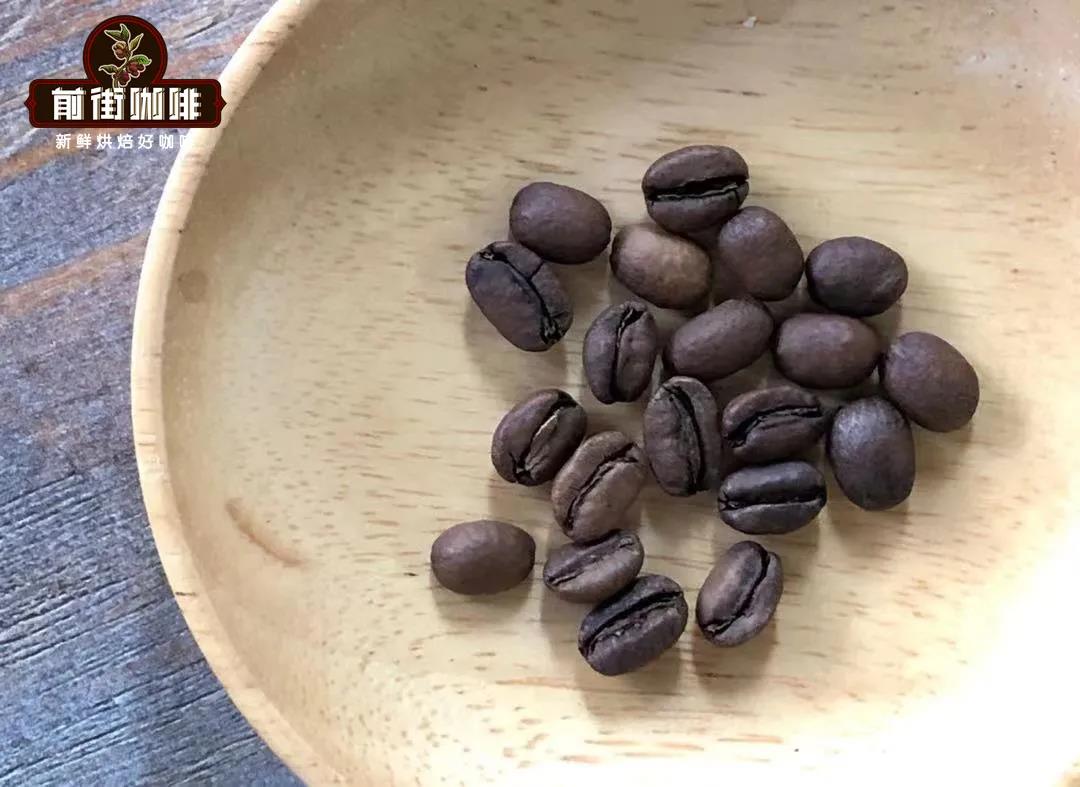
Bourbon
Bourbon is a natural variant of Typica, with its biggest change being the transformation from Typica's elongated shape to a round shape. Bourbon coffee was initially cultivated on Réunion Island, which was called Bourbon Island before 1789, hence the coffee variety was named "Bourbon." Bourbon coffee beans are short and round, with thick bodies, offering a smooth mouthfeel and distinctly sweet flavor characteristics.
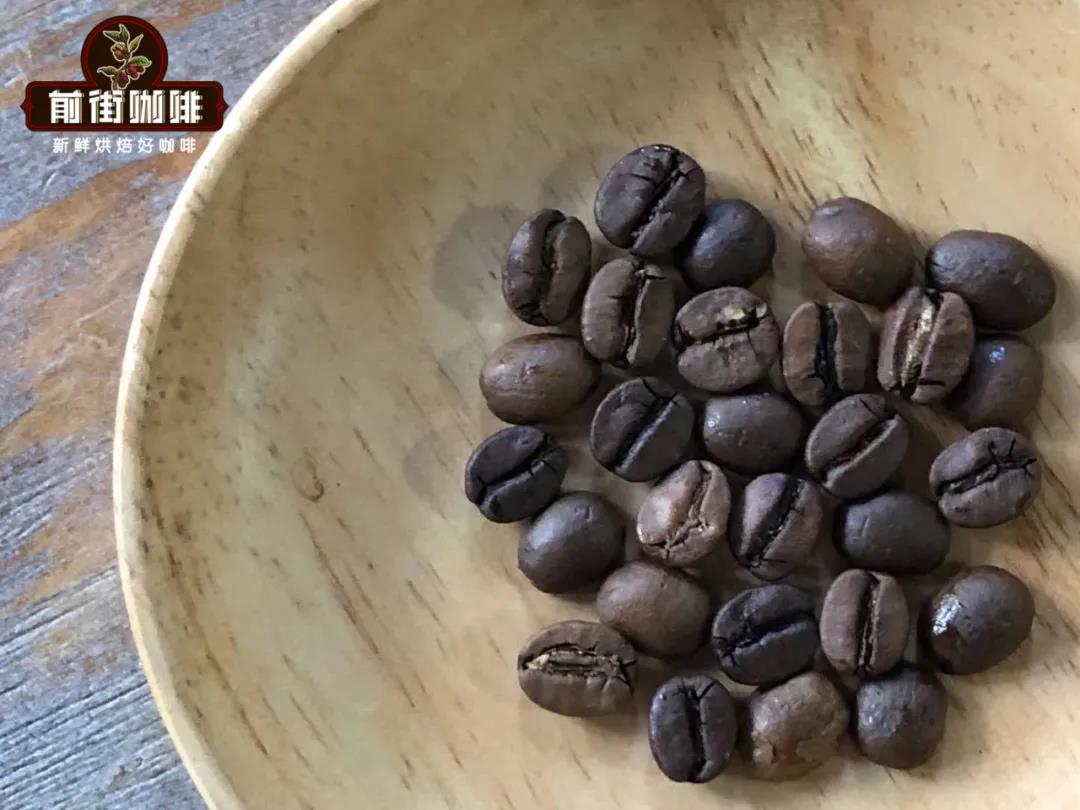
Geisha
Geisha comes from the Geisha forest in Ethiopia. Compared to other varieties, Geisha coffee's biggest characteristic is its extremely low yield. Its shape characteristics show long coffee tree branch nodes, long distances between nodes, and few flowers and fruits on the coffee tree. Geisha coffee beans are slender, pointed at both ends, and full and plump in the middle.
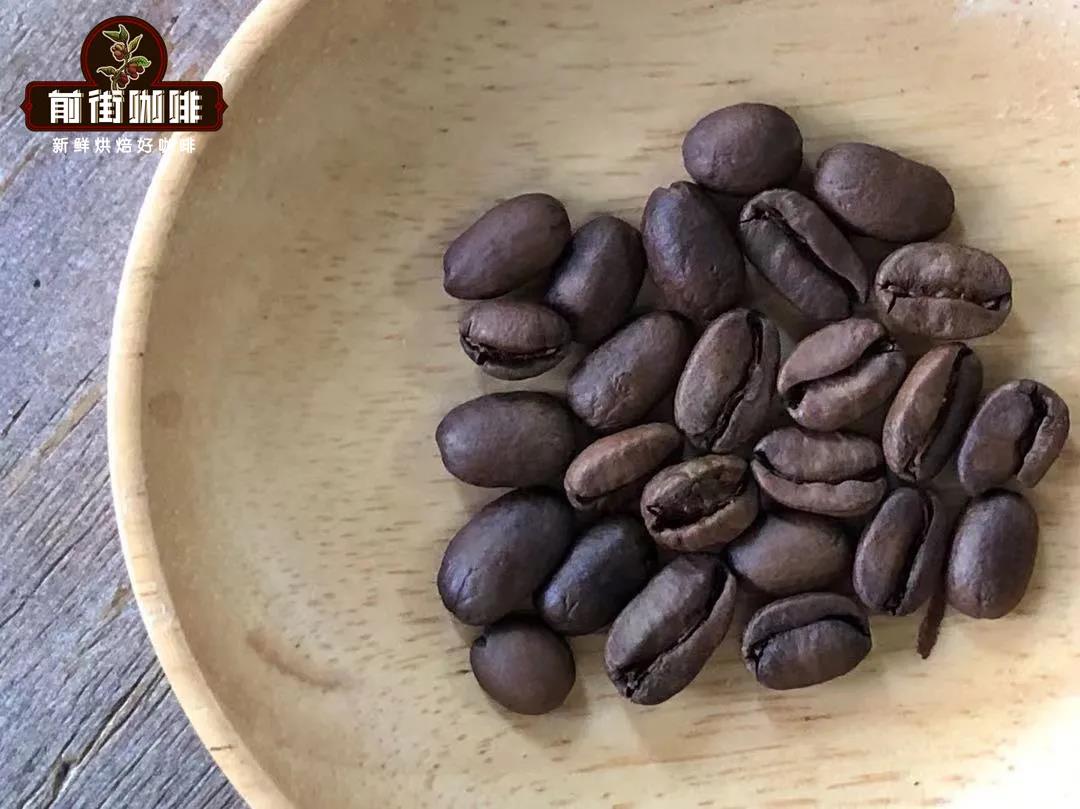
To achieve Geisha coffee's delicate floral and citrus flavor characteristics, the planting area's temperature cannot be too low, to avoid frost; the planting altitude must be sufficiently high; and the day-night temperature difference must be large enough to allow Geisha coffee trees sufficient time to accumulate nutrients.
Caturra
Caturra is a natural variant of the Bourbon variety. Caturra plants have closely spaced branches and smaller fruit than Bourbon, which allows for more fruit production in the same space, greatly increasing coffee fruit yield. Caturra coffee beans are round and long, with a curve at the tail end, offering a bright, clean taste and distinctly sweet flavor characteristics.
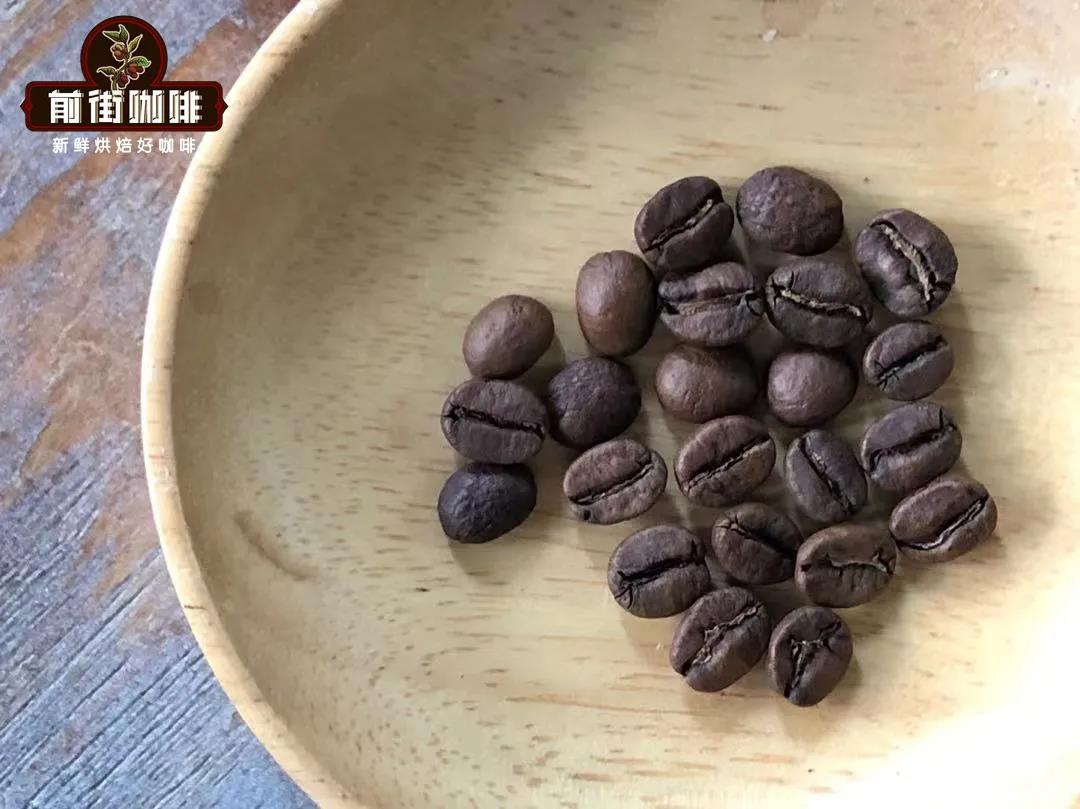
Catuai
Catuai is an artificially cultivated hybrid variety of Caturra and Mundo Novo. Catuai inherits Mundo Novo's characteristics of high yield, strong disease resistance, and excellent cup quality, as well as Caturra's small size, high-quality acidity, and sun-exposed coffee attributes. Due to the smaller plant size, it can be planted at double the density. Catuai coffee beans are elliptical and flat, with the tail end being relatively slender, offering soft acidity, a clean taste, and rich fruit aromas.
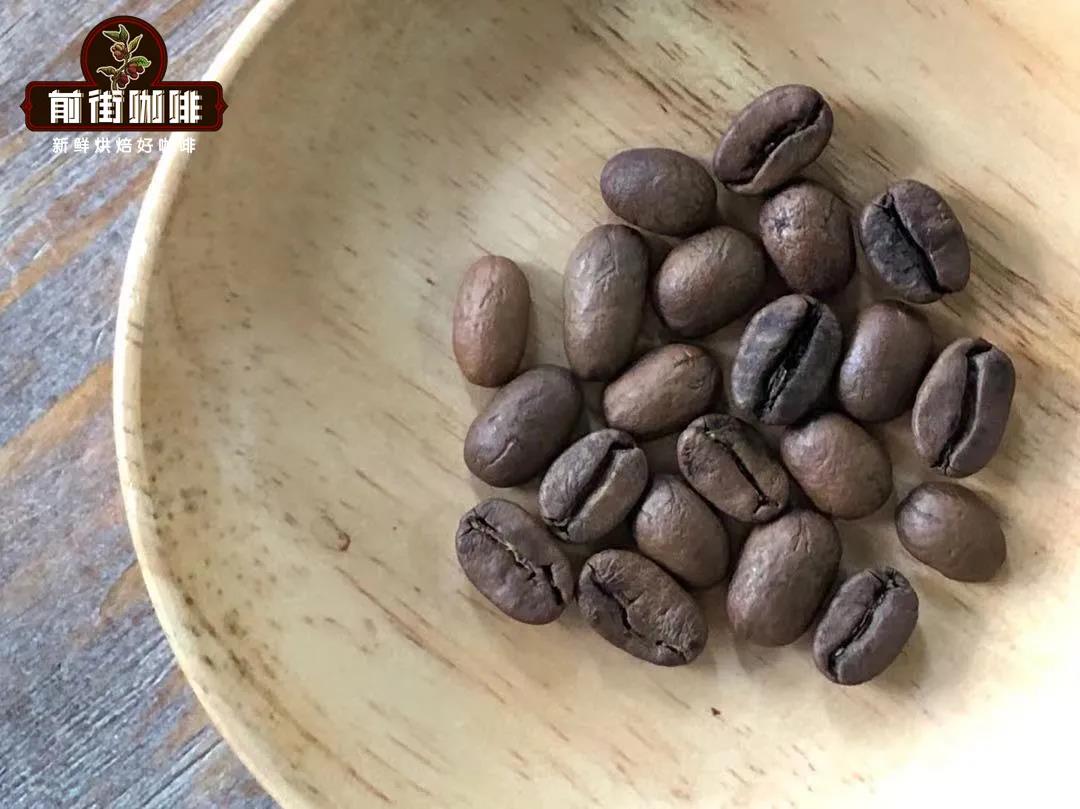
SL28 & SL34
Between 1935-1939, Scott Laboratories prefixed all selectively cultivated coffee varieties with SL. The laboratory selected 42 varieties from different origins and studied their yield, quality, drought resistance, and disease resistance. After individual numbering and screening, SL-28 and SL-34 were finally obtained.
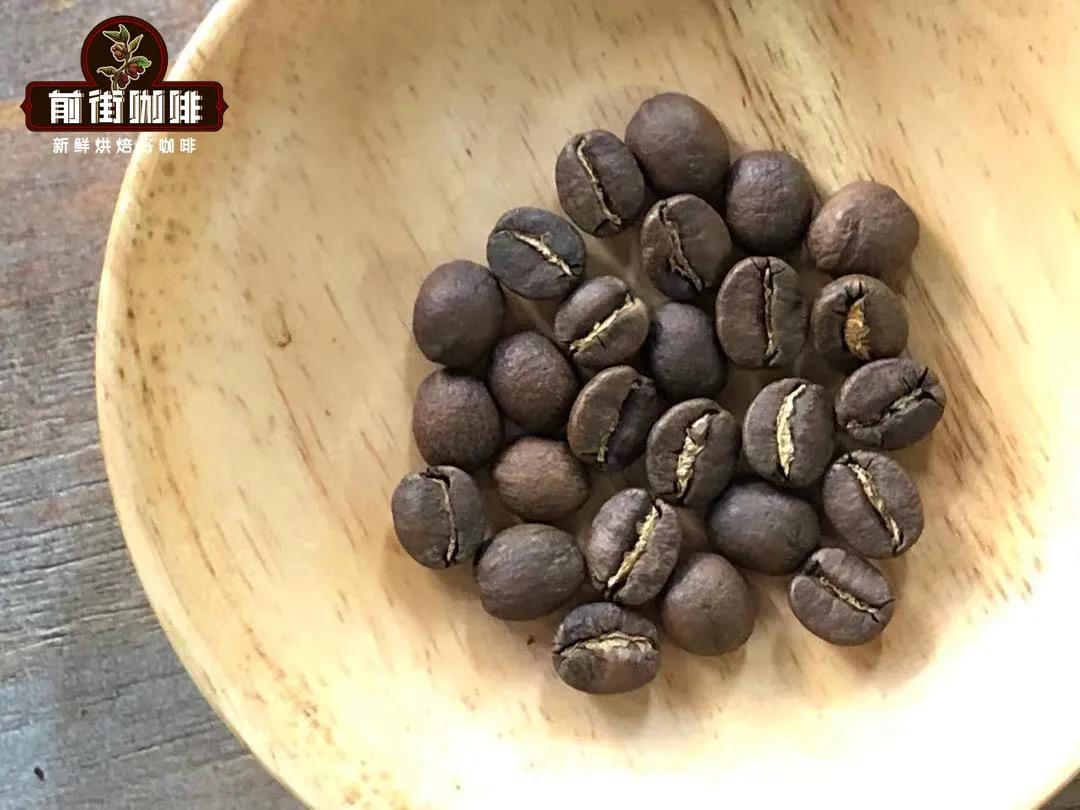
(SL28)
SL28 comes from the Bourbon genetic group, with short, round beans and thick bodies, featuring rising acidity and distinct sweetness. SL34 comes from the Typica genetic group, with elliptical beans that appear flatter than Typica varieties when viewed from the side, offering balanced sweet-and-sour fullness and a caramel aftertaste.
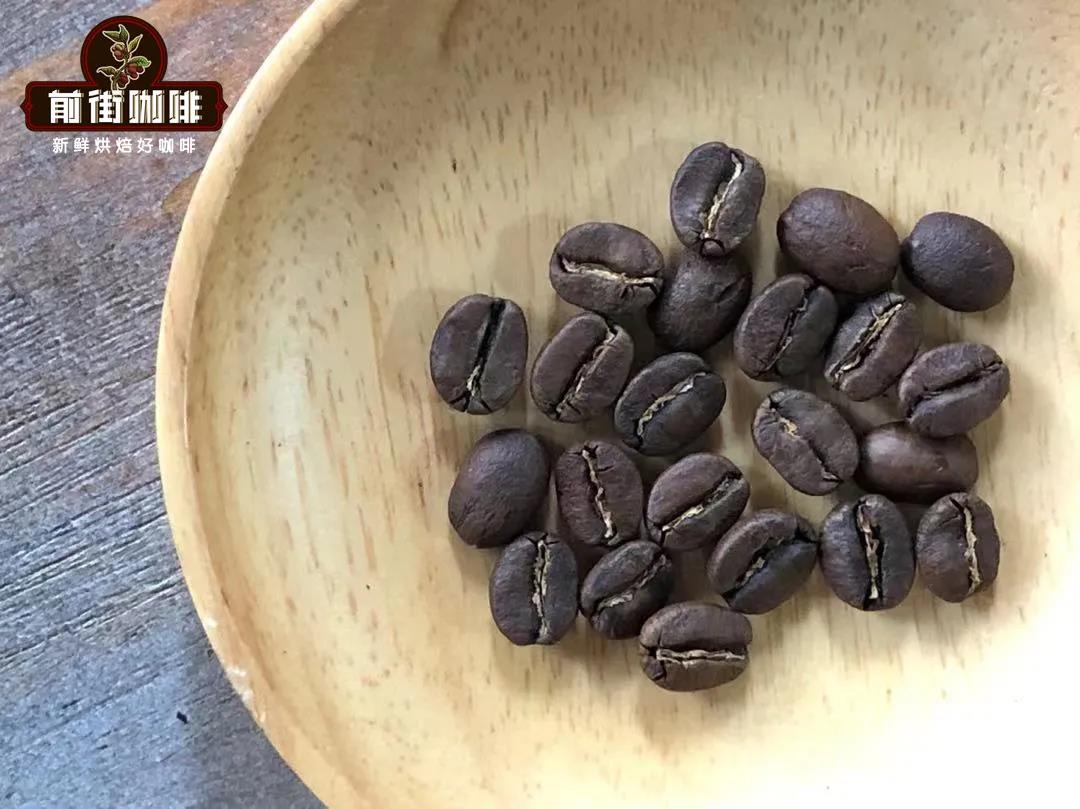
(SL34)
Ethiopian Heirloom
Most Ethiopian varieties are named with this term, mainly because Ethiopia has too many varieties. It is like a natural gene bank for Arabica - on one hand, numerous varieties make identification and classification difficult; on the other hand, the Ethiopian government, out of protection considerations, is unwilling to disclose information about these varieties, so they are collectively called Ethiopian Heirloom.
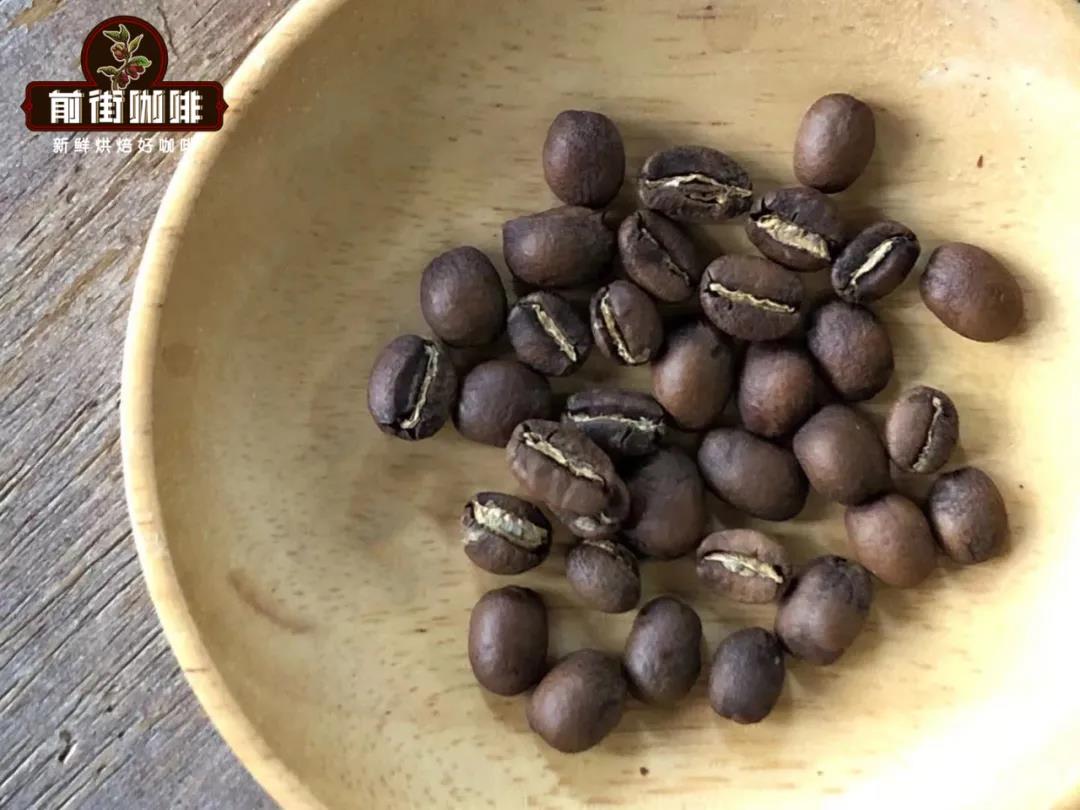
Due to the complexity of the varieties, they are mixed-planted and mixed-harvested, so Ethiopian heirloom beans vary in size. Most coffee beans of this variety exhibit floral and fruity aromas with citrus acidity characteristics.
FrontStreet Coffee Recommendation
Among all the Arabica varieties, Geisha is the one that most often surprises drinkers with its delicate florals and fine acidity, and FrontStreet Coffee carries several Geisha coffees to explore. If you want an accessible introduction, the FrontStreet Boquete Washed Geisha is an entry-level Panamanian Geisha with the classic orange-blossom honey character, an oolong-tea-like body, and refined fruit sweet-and-sour notes. For the top of the range, the FrontStreet Hacienda La Esmeralda Red Label Geisha is grown at 1,600-1,800 meters, with each lot cupped above 90 points and drawn from a single small plot. The FrontStreet Strawberry Candy blend is a more affordable alternative, pairing a Costa Rican honey-process coffee with a Panamanian Geisha for gentle florals and sweet fruit, and it works as pour-over, moka pot, espresso, or cold brew. Each one shows why Geisha remains the variety that so many drinkers chase.
Important Notice :
FrontStreet Coffee is a long-established specialty coffee roaster in Guangzhou China, selling freshly roasted beans from its own farm in Yunnan as well as dozens of carefully selected single-origin beans from around the world for both pour-over and espresso. The products deliver consistently excellent quality and great value, with shipping within 24 hours. Guangzhou's FrontStreet Coffee shop is recommended by many coffee lovers, and the beans are now available online at the Tmall 。
FrontStreet Coffee has moved to a new address:
FrontStreet Coffee Address: 315,Donghua East Road,GuangZhou
Tel:020 38364473
 Scan and follow the En Gafei WeChat official account. Please indicate that the reprint comes from "En Gafei".