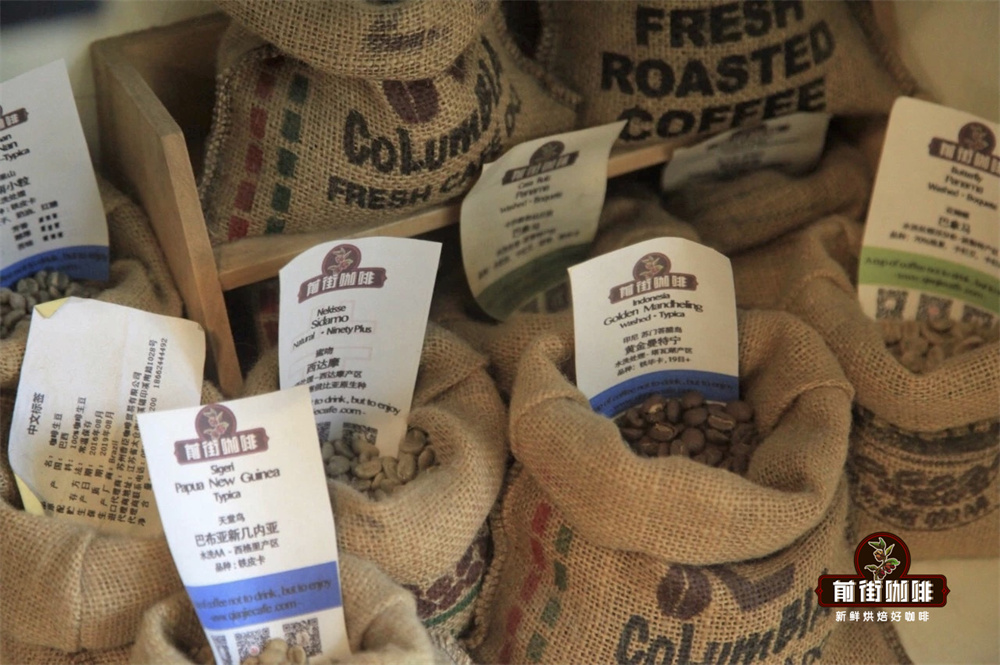
Introduction to Blue Mountain Coffee Bean Origin - Which Country Produces Blue Mountain Coffee & Coffee Varieties
The Renowned Blue Mountain Coffee
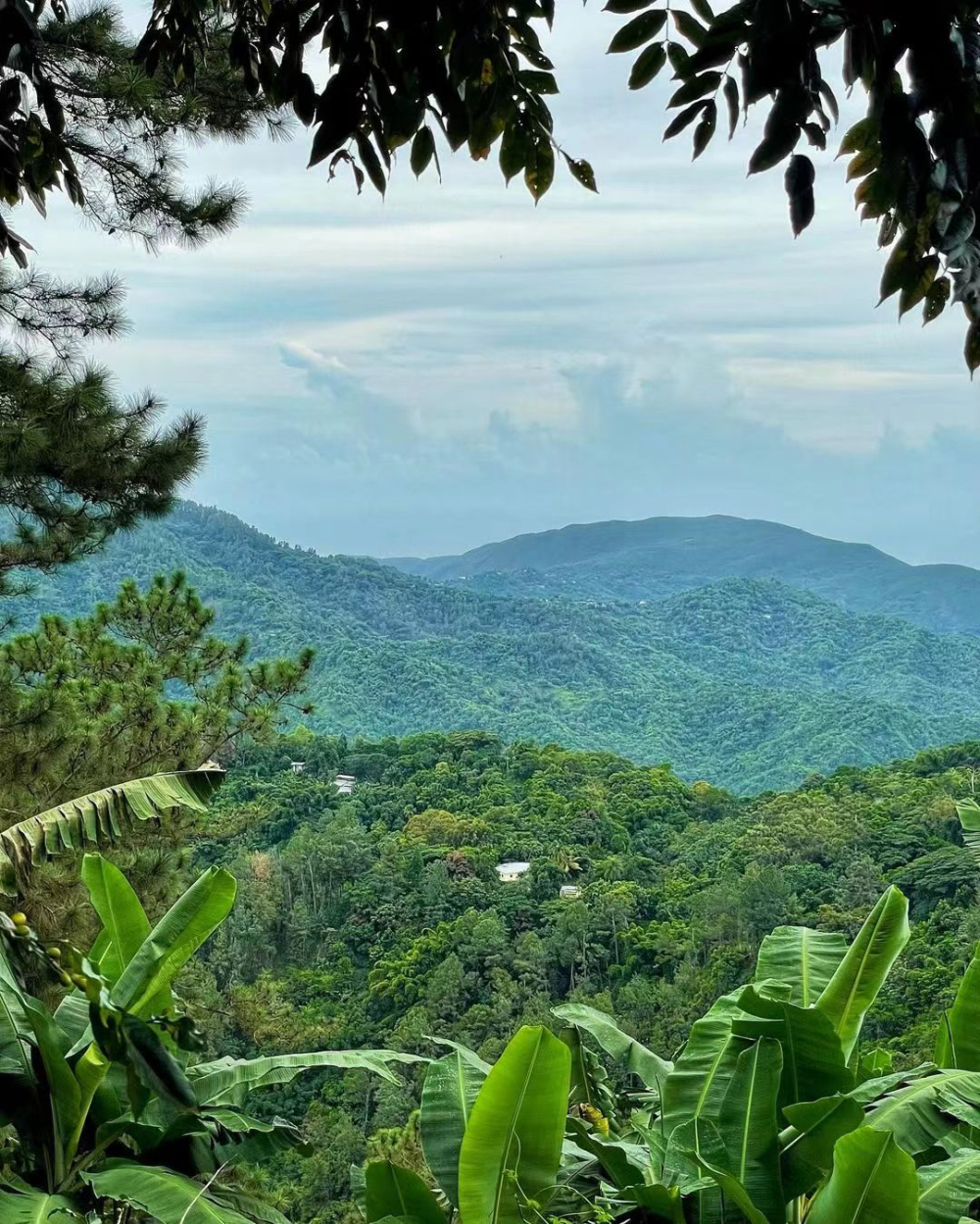
The world-famous Blue Mountain coffee comes from Jamaica in the Caribbean, named after the Blue Mountain range ringed by Caribbean waters.
The Blue Mountain range lies in eastern Jamaica. On a clear day, when sunlight strikes the azure sea directly, the peaks reflect the brilliant blue of the water — hence the name. Its highest peak reaches 2,256 meters, the tallest in the Caribbean and a well-known tourist destination. The area sits within the coffee belt, with fertile volcanic soil, fresh, unpolluted air, and a humid climate of year-round fog and rain (average rainfall 1,980 mm and a temperature around 27°C). Those conditions created the world-famous Jamaican Blue Mountain coffee — and the world's most expensive coffee.
The Secret Behind Blue Mountain's Pure Flavor
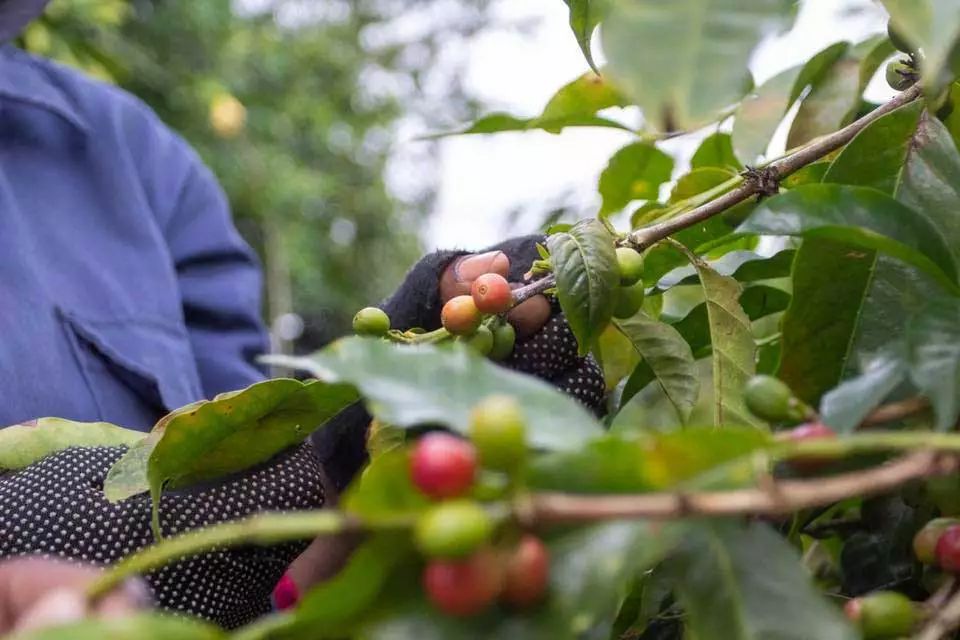
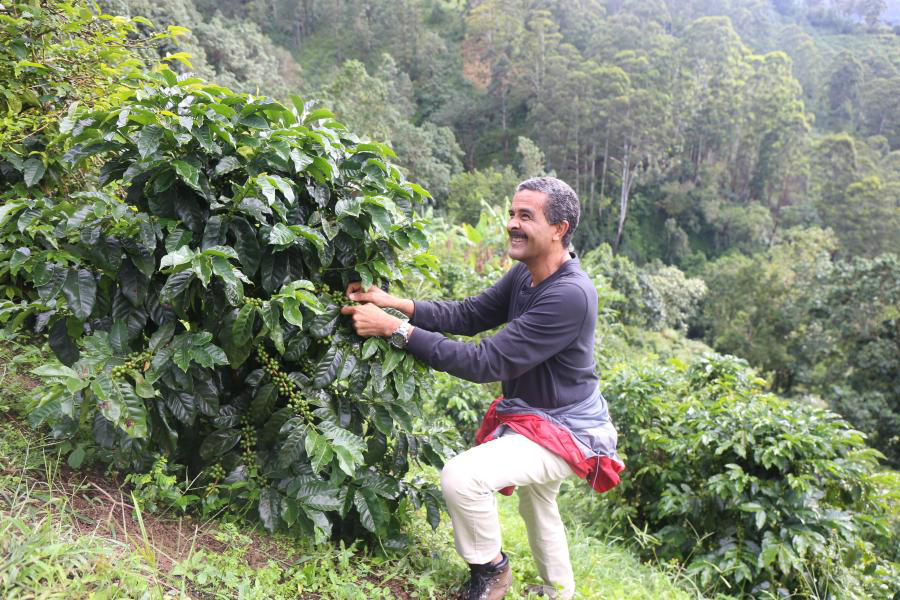
The coffee trees all grow on rugged mountain slopes, which makes harvesting extremely difficult; only local skilled women workers can manage it. Choosing properly ripe beans at harvest is crucial, since underripe or overripe beans spoil the quality. After picking, the beans must be hulled the same day, then fermented for 12–18 hours. They are then washed and sorted. Next comes drying on concrete floors or thick blankets until moisture drops to 12%–14%, after which they are stored in dedicated warehouses and taken out for roasting and grinding when needed. Every step must be strictly controlled, or quality suffers.
The Historical Story of Blue Mountain Coffee
In 1717, King Louis XV of France ordered coffee cultivation in Jamaica. In the mid-1720s, Jamaica's Governor Sir Nicholas Lawes imported Arabica seeds from Martinique and began promoting cultivation in the St. Andrew area. To this day St. Andrew remains one of the three main producing regions of Jamaican Blue Mountain coffee, the other two being Portland and St. Thomas.
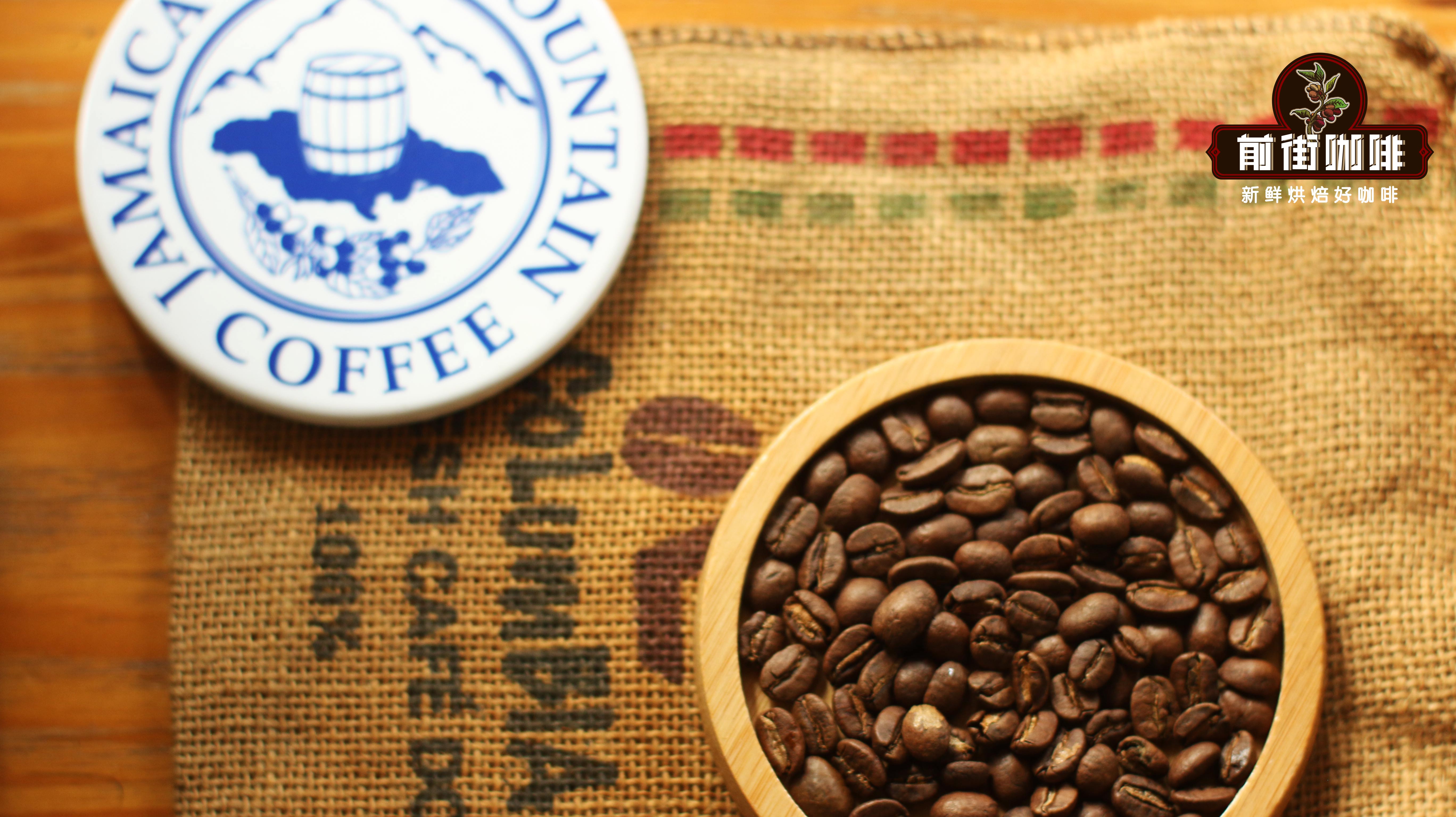
In 1950, the Jamaican government established the Jamaica Coffee Industry Board, which sets quality standards for Jamaican coffee and supervises their enforcement to guarantee quality. The board grants special official seals to exported Jamaican raw and roasted coffee, making it the world's highest-level national coffee institution. Six trademarks can today represent Blue Mountain coffee's origin: Mavis Bank Central Factory (MBCE), Mavis Bank Coffee Co-op (MHCCT), Portland Blue Mountain Coffee Co-op (PXXSH), Coffee Industry Board (Wallenford), Coffee Industry Board (St. John's Peak), and Jamaica Standard Products (JAS).
The Unique Growing Conditions
Blue Mountain is one of the world's finest coffees. Jamaica's weather, geology, and topography together provide an ideal location. The range that runs through Jamaica continues to the eastern part of the island, where Blue Mountain rises above 2,100 meters. The weather is cool and foggy with frequent rain, nourishing the fertile land. Coffee trees are grown using mixed cultivation, sharing terraces with banana and avocado trees, and some small estates also grow coffee. But even the largest estate owners here are considered small by international standards, many of them smallholders whose families have worked the land for two centuries. Jamaica's coffee industry faces a series of problems: hurricane damage, rising labor costs, and the difficulty of mechanizing terrace work. Many small estates and farms find it hard to rationalize cultivation.
Because of Japan's sustained investment in Jamaica's coffee industry, most Blue Mountain coffee is now controlled by Japanese interests, who also hold priority purchasing rights. In 1992, Jamaica sold 688 tons of Blue Mountain coffee to Japan, 75 tons to the United States, and 59 tons to the United Kingdom. Today, 90% is purchased by Japan. Since the rest of the world can obtain only 10% of Blue Mountain, it is always in short supply regardless of price.
Grade Classification of Blue Mountain Coffee
Coffee from Jamaica's Blue Mountain region has three grades: Blue Mountain Coffee, Jamaica High Mountain Supreme Coffee Beans, and Jamaica Prime Coffee Beans. Blue Mountain and High Mountain are each divided into two grades. By quality, from top down: Blue Mountain No. 1, Blue Mountain No. 2, High Mountain No. 1, High Mountain No. 2, Jamaica Prime Coffee.
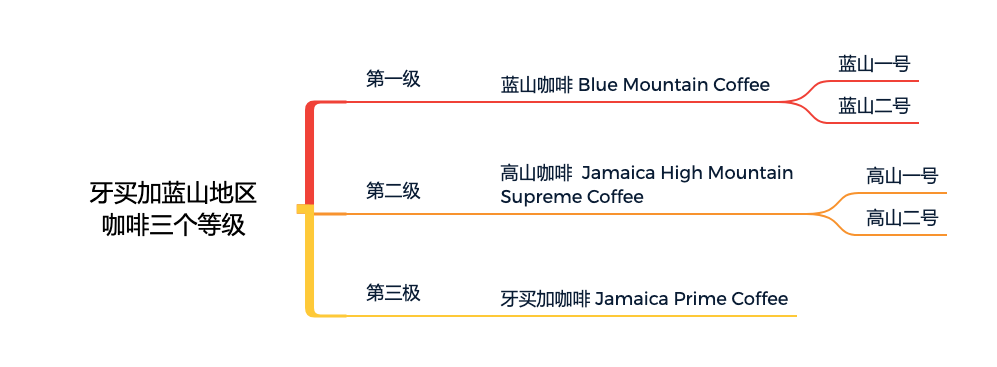
True Blue Mountain coffee is made from the finest local raw beans, which is where connoisseurs find their pleasure. Its flavor is rich, balanced, fruity, and acidic, satisfying a range of tastes. High-quality fresh Blue Mountain also holds its flavor especially long — as wine drinkers would put it, an endless aftertaste.
Bean Size: Relatively full
Recommended Roasting Method: Medium roast
Blue Mountain has very low caffeine, less than half that of other coffees, which fits modern health-conscious thinking. The same variety planted in similar climates — Hawaii, Kenya, Papua New Guinea — cannot reproduce the taste of Blue Mountain beans. Pure Jamaican Blue Mountain blends the sour, bitter, sweet, and mellow in perfect proportion, producing a strong, elegant aroma nothing else matches.
Those who love Blue Mountain say: "It is the 'coffee beauty' that combines every advantage of good coffee." Jim, general manager of Peet's, the American company famous for coffee and tea, described it this way: "Its aroma is fragrant, smooth, and rich, giving me a feeling as precious as gemstones. It is precisely because Blue Mountain's flavor is moderate and perfect that it is generally consumed as black coffee." In sunlight its liquid is golden, and it drinks very smoothly. Coffee books say Blue Mountain is the only coffee in the world that combines sourness and bitterness while still being a pleasure to drink — you will understand once you taste it.
Harvesting and Sales of Blue Mountain Coffee
The annual harvest runs from June to November, generally by hand. After picking, the beans go through washing, pulping, fermentation, dehydration, drying, hulling, and roasting. During raw-bean processing, each step has dedicated staff responsible for quality supervision.
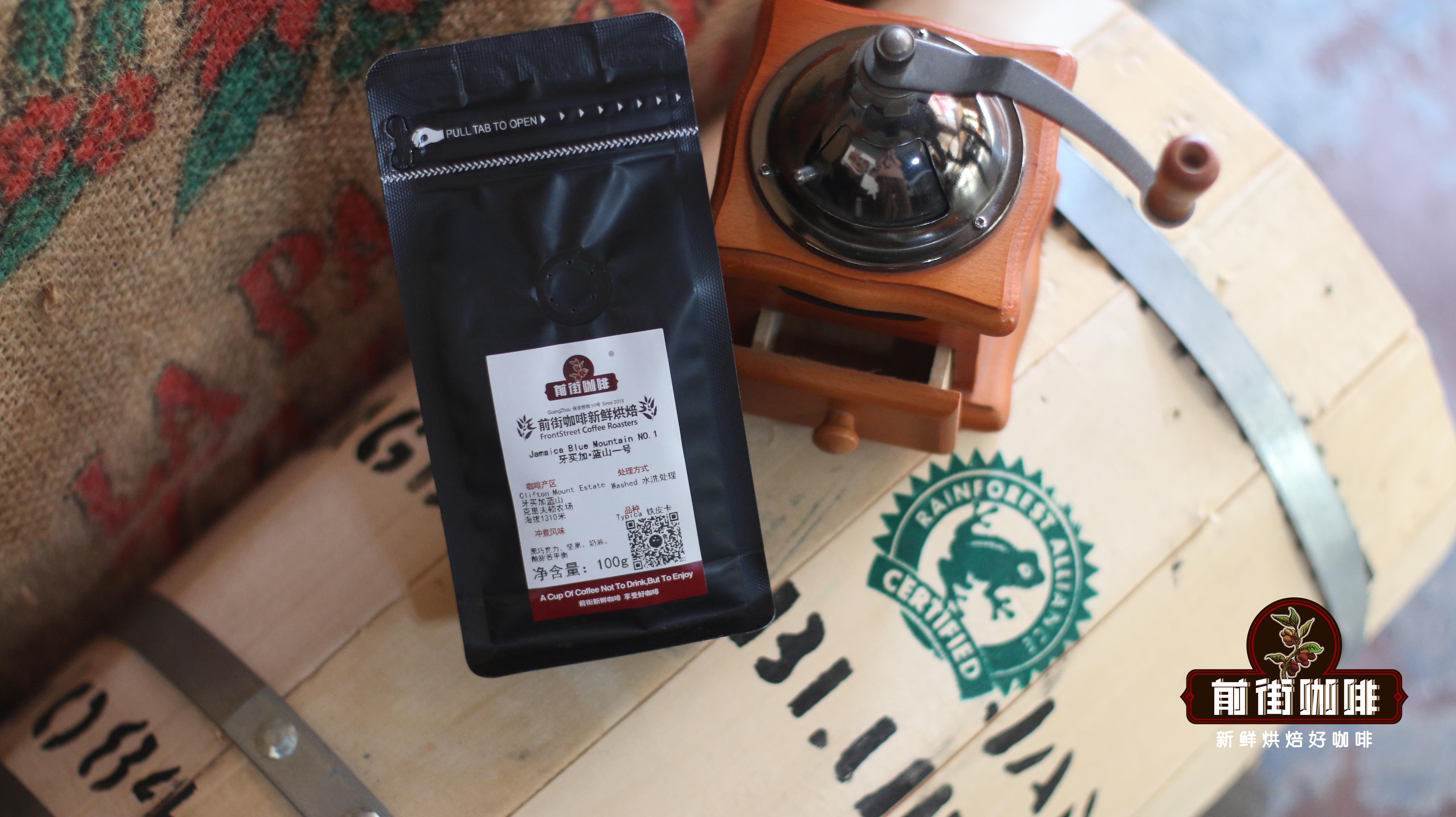
For this precious coffee, Jamaica's government also uses unique packaging and transport. Unlike other coffees packed in 60kg bags, Blue Mountain is packed and shipped in wooden barrels at 70kg per barrel.
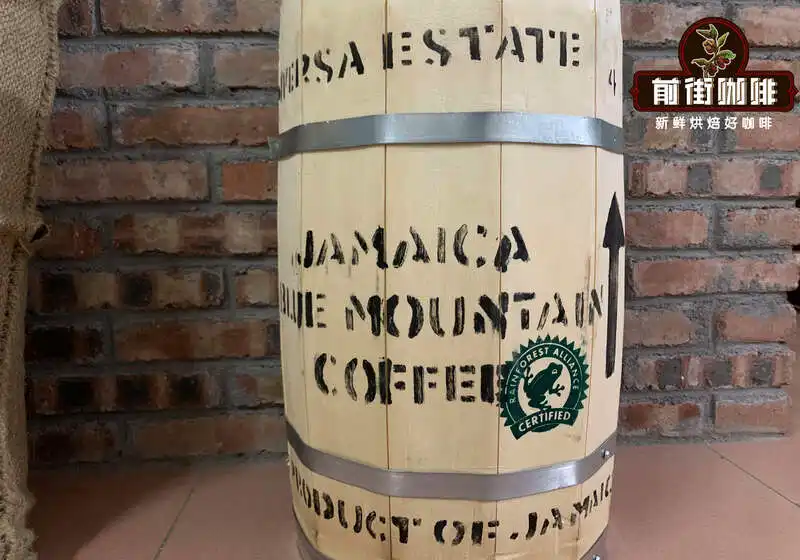
Jamaica is also the last country still using traditional wooden barrels for coffee packaging and transport. Jamaican Blue Mountain beans must obtain quality certification from the Jamaica Coffee Industry Board, the only institution authorized to issue it. Every export batch also has dedicated quality supervisors who sample, roast, grind, and brew the coffee to determine whether it meets standard. Because of its high price, Blue Mountain has a fairly fixed consumer group, with sales concentrated mainly in Japan, followed by some European and American countries.
The beans are full and slightly larger than average. Their flavor is very subtle, with balanced, intense sour, fragrant, mellow, and sweet notes, slight bitterness, harmonious taste, and excellent flavor — suited to single-origin coffee. It uses a medium roast, which preserves the original flavor while enhancing the finish. As coffee consumption in China has risen, many cafés have begun serving "Blue Mountain coffee" at prices that are often a fraction or one-tenth of authentic Blue Mountain.
In 2005, guided by Taiwanese coffee merchants, Chinese media began reporting on the authenticity of Blue Mountain coffee. To this day, authentic Blue Mountain remains out of reach for most Chinese consumers because of its price and limited supply on the mainland market. Blue Mountain's ability to hold its premium status is closely tied to local business policy. In 1932, Jamaica passed policies encouraging coffee production to reduce the island's dependence on sugar exports. Unlike most producing countries that raised output by planting high-yield but lower-quality coffee, Jamaica prioritized quality, willing to sacrifice yield to protect it. Jamaica is therefore one of the world's smaller coffee producers. Brazil, the largest exporter, produces 30 million bags a year, while Blue Mountain produces only about 40,000 bags annually. Today, few "Blue Mountain-style" coffees on the market actually contain authentic Blue Mountain beans. One is "Jamaican Blend Blue Mountain," made from 30% Blue Mountain and 70% of the best Jamaican High Mountain coffee. Both types imitate Blue Mountain without reaching the real thing.
Blue Mountain Coffee's "Cold Reception" in America
From the 1970s, flavored coffee gradually became popular — spices added to beans, or coffee creamer added to brewed coffee, with hundreds of varieties available. Most flavored coffees use relatively inexpensive beans. When Blue Mountain cost about $80 per pound, Maxwell coffee cost only $3 per pound.
True Blue Mountain is one of the world's most optimally grown coffees, its quality shaped by Jamaica's weather, geology, and topography. Certified Jamaican Blue Mountain can be grown only in the Blue Mountain region, in eastern Jamaica north of Kingston. Coffee grows on mountains up to 1,800 meters (roughly 6,000 feet) high — quite high for Coffea arabica. The terrain is also very uneven, making harvesting extremely difficult (the pickers are almost entirely women).
On those rugged, high-altitude mountains, careful cultivation and harvesting are the rule, and all Jamaican Blue Mountain is processed, tasted, and distributed by the Jamaica Coffee Industry Board. In the cup it tastes very clean and is one of the sweetest coffees in the world. Jim Reynolds of Peet's Coffee and Tea described it this way: "The best example of Jamaican Blue Mountain is its aroma, smoothness, and richness — it gives me a feeling of gem-like quality, as precious as a gemstone. It is complex but very gentle, sweet, with very strong body. You have to taste it to know what I am talking about." Unique growing conditions and meticulous attention at every stage of production made Jamaican Blue Mountain famous.
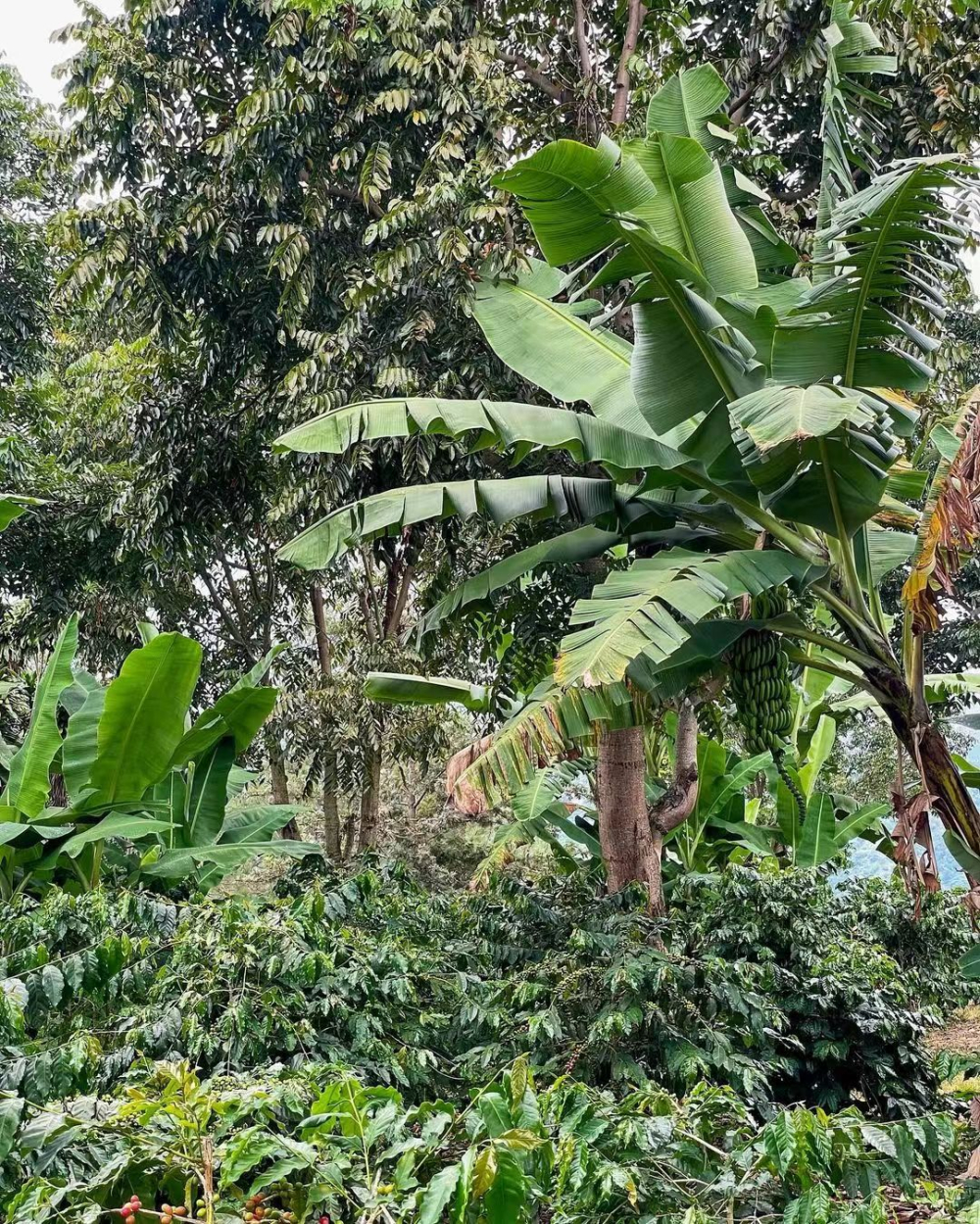
Jamaica is one of the world's smaller coffee producers, harvesting about 40,000 bags of 60kg each a year (Jamaican Blue Mountain actually ships in 70kg wooden barrels — the last country still using this traditional packaging — but production is measured in 60kg bags because that is the international standard). By comparison, Brazil, the largest exporter, produces about 30,000,000 bags of 60kg a year.
Japanese investors have invested heavily in Jamaica's Blue Mountain areas and secured 90% of annual production. The rest of the world must bid for the remaining 10%, about 3,500 barrels. True Blue Mountain has a unique flavor that makes it the world's most expensive coffee, and demand is high enough to create a market shortage.
Exceptionally favorable growing conditions nurtured Blue Mountain's unique flavor and lifted it into the ranks of premium coffee. Global 100% pure Blue Mountain refers specifically to coffee produced within a designated area of Jamaica's eastern Blue Mountain range. Every step during cultivation and processing must meet the Jamaica Coffee Industry Board's stringent quality-control standards to be certified "Pure Jamaican Blue Mountain Coffee."
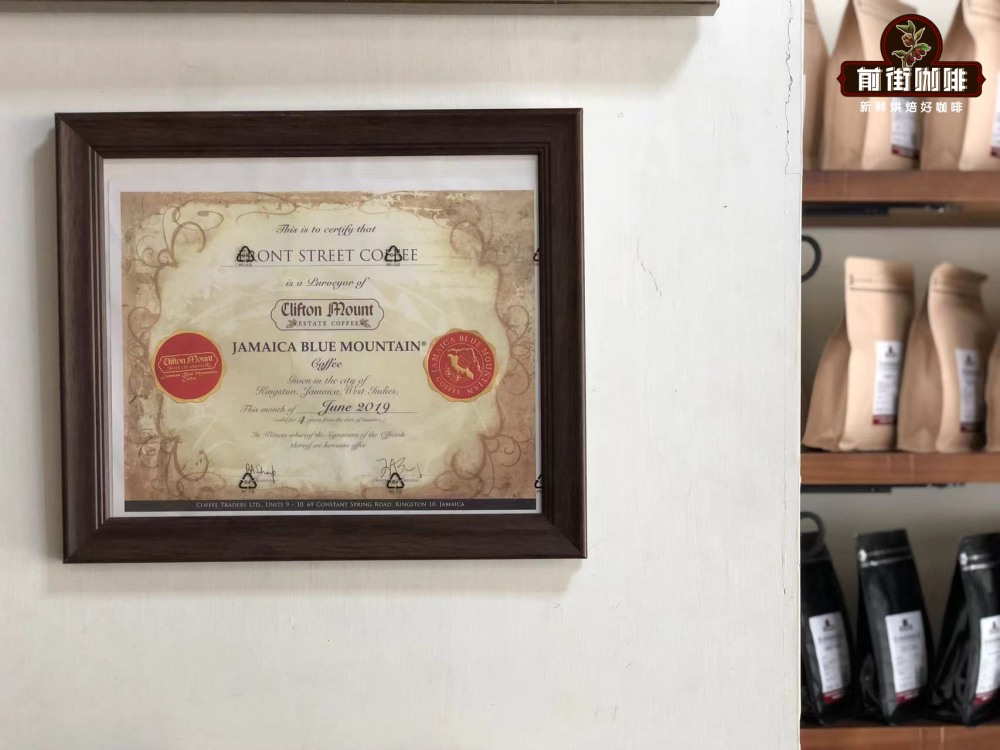
The abundant rainfall, year-round fog, low average temperature of about 20°C, and fertile new volcanic soil create an excellent growing environment. Sitting at high altitudes between 2,500 and 5,000 feet, the coffee develops a distinctive slightly acidic flavor that does not feel sharp or unpleasant. Seedlings are raised in nurseries for about 2 years, organic fertilizer is used during growth, and harvesting is done by hand, bean by bean. All processing, roasting, and packaging must meet the high standards set by the Jamaica Coffee Industry Board.
The high-quality but low-yield Typica is an ancient premium Arabica variety. Most producing countries prefer to plant higher-yielding but lower-quality varieties, while Jamaica prioritizes quality, willing to sacrifice yield to guarantee the best Blue Mountain.
How to Roast Blue Mountain Coffee?
Put simply, roast Blue Mountain thoroughly "inside and out," using good technique on top of the right roast to express the bean's character. Caramelization is the most significant factor affecting coffee flavor. Raw beans absorb considerable heat energy after 6–7 minutes of roasting, initiating pyrolysis and producing the first cracking sound. Some sugars convert to carbon dioxide, moisture continues to evaporate, new aromatic components gradually develop, and the so-called coffee oils form, combining with hundreds of aromatic substances including nicotinic acid, citric acid, quinic acid, malic acid, acetic acid, and caffeine.
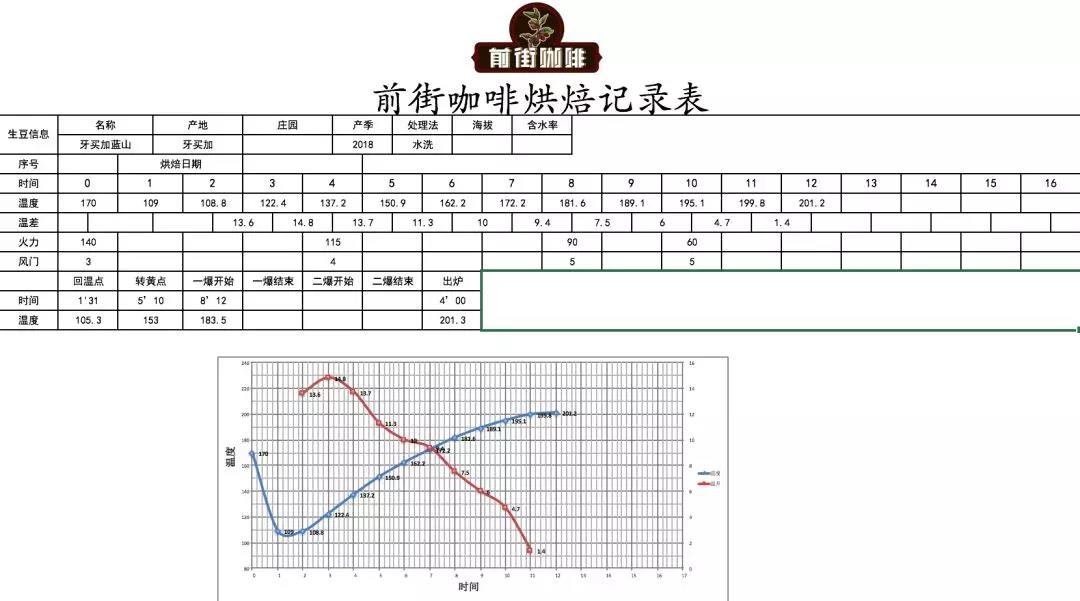
Roasting Profile:
Preheat the roaster to 170°C, open the damper to 3. After 1 minute, adjust the heat to 140°C with the damper unchanged. At 5'10", the temperature reaches 153°C, the bean surface turns yellow, the grassy smell disappears completely, and dehydration is complete. Adjust the heat to 115°C and the damper to 4. At 8'00", the bean surface shows wrinkles and black spots and the toast aroma turns clearly to coffee aroma — the prelude to first crack. Listen carefully for the first crack. At 8'12", first crack begins: reduce the heat to 90°C and fully open the damper (adjust the heat very carefully, not so low that the cracking stops). Drop the beans at 201.3°C.
How to Brew Blue Mountain Coffee?
Authentic Blue Mountain No. 1 has a dense, full aroma and rich, varied flavor. FrontStreet Coffee recommends tasting it as a hand-brewed black coffee for the best experience.
FrontStreet Coffee's brewing parameters for Blue Mountain No. 1 are:
Dripper: KONO dripper
Water Temperature: 88°C
Coffee-to-Water Ratio: 1:15
Coffee: 15g
Grind Size: EK43s setting 10.5 (75% pass-through rate on a #20 standard sieve)
Using a KONO dripper as an example: first wet the filter paper with hot water so it seats well, then pour off the water from the server. Add 15g of grounds, bloom with 30g of water for 30s, then pour from the center with a small circular stream until you reach 125g, and pause. When the bed drops to half the dripper's height, begin the second pour with the same technique until you reach 225g. Once dripping finishes, remove the dripper.
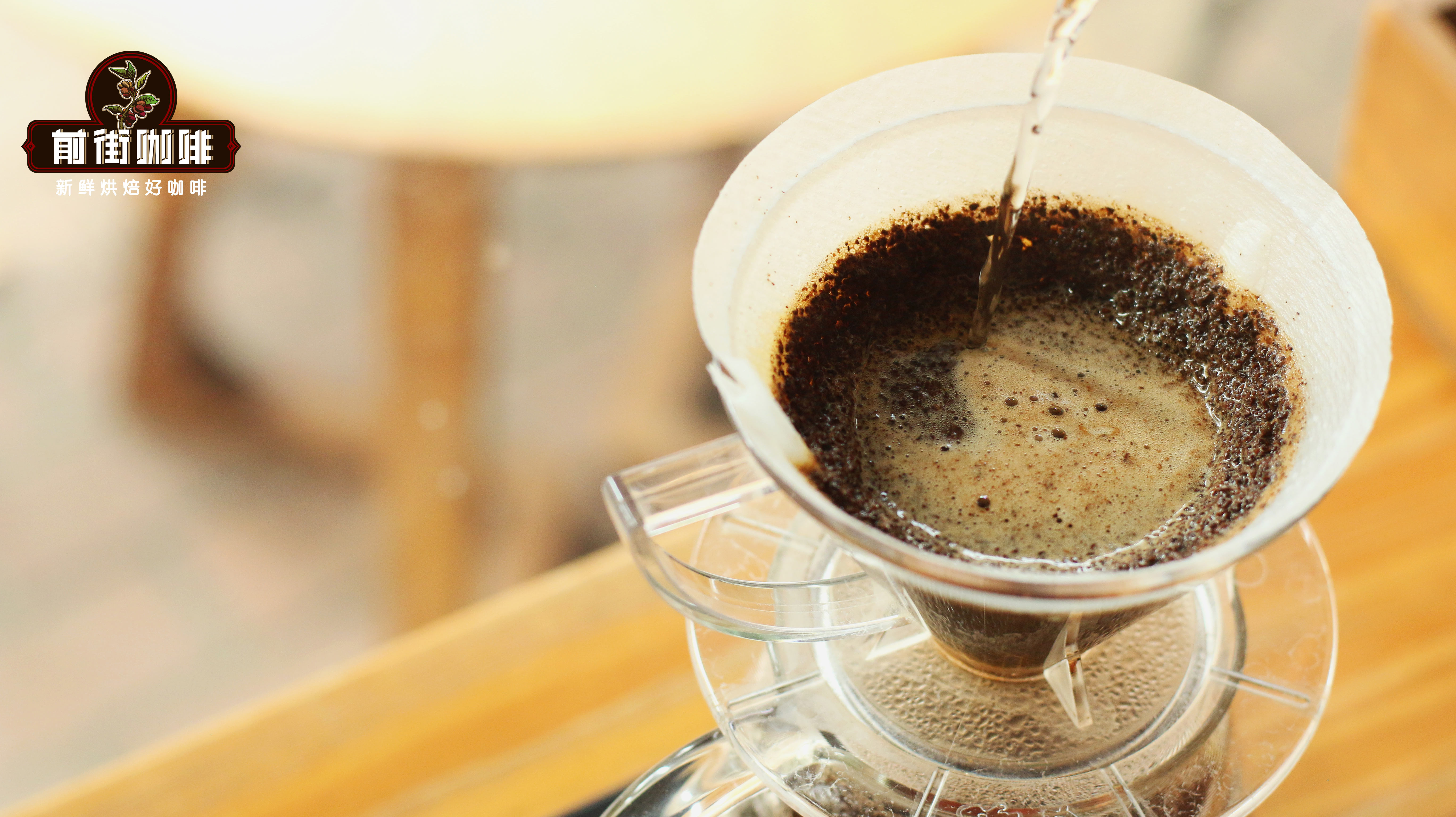
Blue Mountain No. 1 has a very rich aroma immediately after grinding. During brewing it carries caramel sweetness. The first taste is rich with nuts and chocolate, with moderate sweet and sour sensations, a clean taste, and a lasting finish.
FrontStreet Coffee Recommendation
If all of this points you toward the real thing, these are the FrontStreet Blue Mountain beans worth starting with:
FrontStreet Jamaica Blue Mountain No.1 — the highest grade of Jamaican Blue Mountain, from the historic Clifton Estate, which has grown and processed coffee since around 1750. The plots sit at an average of 4,300 feet (1,310.64 meters), where altitude, gentle afternoon cloud cover, ample sunlight, and mineral-rich soil give the trees ideal conditions and slow the ripening of the cherries. Roasted medium-dark, it unfolds layers of nut, dark chocolate, and creamy caramel with soft sweetness, keeping acidity, sweetness, bitterness, and aroma in harmony — ideal as a daily specialty coffee or as a gift.
FrontStreet Jamaica Blue Mountain (Clifton Estate) — every shipment is roasted fresh within 5 days, so the beans arrive at full flavor and can be brewed right away. Traditional Blue Mountain is roasted medium-dark to emphasize a rich, full body and the classic bittersweet-to-sweet arc, and it performs across methods: with a KONO dripper, a grind coarser than light-roast beans (about the texture of granulated sugar), 87–88°C water, and a 1:15 ratio, the three-stage pour — 30g bloom for 30s, then to 120g, then to 225g — brings out a clean, complex, gentle cup with chocolate sweetness and a long fruit finish.
Important Notice :
FrontStreet Coffee is a long-established specialty coffee roaster in Guangzhou China, selling freshly roasted beans from its own farm in Yunnan as well as dozens of carefully selected single-origin beans from around the world for both pour-over and espresso. The products deliver consistently excellent quality and great value, with shipping within 24 hours. Guangzhou's FrontStreet Coffee shop is recommended by many coffee lovers, and the beans are now available online at the Tmall 。
FrontStreet Coffee has moved to a new address:
FrontStreet Coffee Address: 315,Donghua East Road,GuangZhou
Tel:020 38364473
 Scan and follow the En Gafei WeChat official account. Please indicate that the reprint comes from "En Gafei".
Types of Coffee Bean Varieties, Flavor Differences Between Major Coffee Growing Regions, Comparison of Taste and Flavor Characteristics Between Mandheling and Blue Mountain Coffee Beans