Types of Coffee Bean Varieties, Flavor Differences Between Major Coffee Growing Regions, Comparison of Taste and Flavor Characteristics Between Mandheling and Blue Mountain Coffee Beans
Exploring the World's Top 10 Coffee Producing Regions

Coffee is an agricultural product, and different lands yield beans with distinct flavors. So what are the flavor profiles of beans from the world's ten major producing regions? FrontStreet Coffee walks you through all ten.
1. Brazil Coffee Bean Region:
For more than 100 years, South America's powerhouse Brazil has been the undisputed largest coffee producer in the world, earning the title "Kingdom of Coffee." Its coffee is renowned worldwide for high quality and strong flavor, making Brazil the largest exporter as well. Coffee first arrived in Brazil in 1727. Sitting in tropical and subtropical latitudes, Brazil offers a geographical environment and climate ideally suited to coffee trees, and with inexpensive labor, cultivation prospered quickly. By the 19th century coffee growing had spread across almost the entire country, peaking in the 1920s, when Brazil accounted for 80% of world coffee production. As other countries took up large-scale cultivation, that share gradually fell, but Brazil's cultivated area still reaches 27,000 square kilometers today.
Brazilian beans differ from other origins in processing because Brazilians mostly use the dry method (no washing), typically drying coffee cherries directly in the sun before sorting; some are now pulped-natural or honey processed too. Brazil turns out both ground coffee from roasted beans and instant coffee. Despite the many varieties, they suit the public palate very well. Notably, Brazil is one of the few countries that both produces and consumes coffee in large quantities — a testament to how deeply Brazilians love the drink.

The main varieties cultivated in Brazil include Bourbon, Caturra, Catuai, and Mundo Novo.
Representative Coffee – FrontStreet Coffee Brazil Queen Estate Yellow Bourbon Coffee Beans

Country: Brazil
Region: Mogiana
Estate: Queen Estate
Variety: Yellow Bourbon
Processing: Semi-dry method
Altitude: 1400-1950m
Brewing Flavor: Fresh sweetness of sugarcane juice, black tea, soft and smooth fruit sweetness, distinct nutty flavor, balanced and gentle acidity, weak and clean bitterness, rich chocolate aroma and nutty flavor, bright and refreshing taste, smooth and delicate texture.

2. Vietnam Coffee Bean Region:
Vietnam, in Southeast Asia, has a humid tropical climate that makes an ideal home for coffee trees, and its output has held second place worldwide for many years. Vietnamese coffee is well known, and the signature way to drink it is with sweetened condensed milk, giving a sweet taste that is popular in many places; some now add ice as well. Others argue that Vietnam mainly grows Robusta, which is heavier and more bitter, and that this may be a key reason condensed milk is added in the first place. Don't be misled by Vietnam's steady rise — war once set it back badly — yet production has climbed from 6,000 tons in 1975 to second in the world, long exceeding one million tons. Vietnam mainly grows the Robusta variety.
FrontStreet Coffee's commercial espresso blend uses 10% Robusta from Vietnam.

3. Colombia Coffee Bean Region:
Colombian coffee is also famous worldwide — one of the few single-origin coffees sold under a country name, thanks in part to the promotional work of the National Federation of Coffee Growers, which created the coffee-farmer icon Juan Valdez and contributed greatly to local development. Colombia was long the second-largest producer, but with Vietnam's rise and the effects of climate change, it has slipped to third. That has done nothing to dim Colombia's place in coffee lovers' hearts. The coffee here is mild and balanced, not as strong as Brazil's, with a sweet, fresh aroma — understated and elegant.
Representative Coffee – FrontStreet Coffee Colombia Santander Large Tree Estate Rose Valley Coffee Beans

Region: Santander
Altitude: 1700m
Processing: Anaerobic Natural
Variety: Caturra
Brewing Flavor: Rose flower aroma, strawberry, chocolate flavor, low acidity, obvious sweetness, fragrant taste.
4. Indonesia Coffee Bean Region:
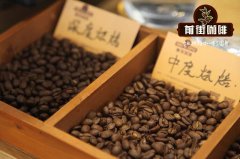
Indonesia is one of Asia's famous coffee-producing countries, Mandheling being its best-known coffee. It is low in acidity and high in concentration, with a grassy fragrance, a rich and intense taste, and a sweet aftertaste that leaves a deep impression — recommended for those who dislike acidity. Since FrontStreet Coffee opened, the team has been devoted fans of Mandheling, and FrontStreet's Golden Mandheling from the PWN company has been deeply loved by FrontStreet fans. FrontStreet's PWN Golden Mandheling is a premium selection of the best: repeatedly hand-screened Mandheling must have a full, uniform appearance, with a cleaner mouthfeel and richer flavor than ordinary Mandheling.

Representative Coffee – FrontStreet Coffee Indonesia PWN Golden Mandheling Coffee Beans
Country: Indonesia
Company: Pawani
Region: Aceh Gayo Highlands, North Sumatra
Processing: Wet-hulled method
Variety: Ateng
Altitude: 1100-1600 meters
Brewing Flavor: Multi-layered changes, thick and clean, high balance, rich nutty and caramel aroma, with chocolate notes, persistent aftertaste.

5. Ethiopia Coffee Bean Region:
Ethiopia is the birthplace of the Arabica coffee bean that the world now loves. Coffee production here has a long history and a rich coffee culture. More than 1,100 years ago, a shepherd noticed that his flock grew unusually excited after eating coffee cherries, and from there the stimulating, mind-sharpening effect of coffee became known. Ethiopia's Yirgacheffe coffee is very famous and synonymous with local specialty coffee, with a rich and complex aroma. Yirgacheffe was originally a sub-region, but its outstanding flavor made it independent from the larger region, and connoisseurs have pursued it ever since.

Representative Coffee – FrontStreet Coffee Ethiopia Yirgacheffe Natural Red Cherry
Region: Yirgacheffe
Region Altitude: 1900-2300m
Variety: Heirloom
Processing: Natural
Grade: G1
Brewing Flavor: Tropical fruits, strawberry flavor, full and round acidity, juice-like texture, long aftertaste.
6. India Coffee Bean Region:
Unlike most countries, India's coffee trees are planted in shade rather than direct sunlight, which yields a refined taste. Coffee trees in India are often planted alongside cardamom and cinnamon trees, so the coffee here frequently carries spicy flavors and aromas. India also differs from other producing countries in that coffee is not popular at home; most is exported, mainly to European markets. Coffee consumption among Indians is now gradually rising, of course.

Representative Coffee – FrontStreet Coffee India Monsooned Malabar Coffee
Country: Southern India
Region: Malabar Coast, Southern India
Altitude: 1100-1200 meters
Variety: Kents, S795, Catimor, Selection 9
Processing: Monsooned Natural Processing
7. Honduras Coffee Bean Region:
Honduras sits near the Caribbean Sea, where mountainous terrain is especially prominent and well suited to coffee, and beans are an important export for the country. In reality, though, the market's recognition of Honduran coffee is not high. Beyond the country's own low international profile, it lacks representative coffee brands, and another reason is that its beans are mostly used for blending and so are rarely known to the general public. In fact, this seemingly niche coffee country is the largest coffee producer in Central America.

Barrel fermentation was the most popular processing method of 2019, because beans fermented at low temperature in barrels can absorb wine aromas, creating coffee with rich flavor and a wine-like mellowness that once surpassed Geisha in popularity. The meticulously washed whiskey-and-sherry barrel-fermented FrontStreet Coffee Sherry has long been Honduras's representative. Freshly picked cherries are first meticulously washed, then placed into barrels previously used for aging sherry, fermented at low temperature (roughly 15-20°C) for 30-40 days, then shade-dried. Sherry barrels are used in the spirits trade by sherry wineries for aging; sherry production goes through the Solera System, in which sherries of different years are blended and aged after fortification — a process unique to shaping sherry's flavor. A rich whiskey aroma and a vanilla-cream texture are the hallmarks of FrontStreet Coffee's Sherry bean.

Representative Coffee – FrontStreet Coffee Honduras Sherry
Region: Marcala
Estate: Moca Estate
Altitude: 1500-1700 meters
Variety: Caturra, Catuai, Pacas
Processing: Meticulous Washed Whiskey Sherry Barrel Fermentation
Brewing Flavor: Aromas of vanilla and cream, with whiskey, berry, almond, and dark chocolate flavors on entry, maple syrup aftertaste.
8. Kenya Coffee Bean Region:
Kenyan coffee is recognized worldwide as high-quality coffee, backed by full national support and strict grading systems, which earned it the reputation of "coffee connoisseur's choice." AA is Kenya's best coffee grade, and beans at that grade are the cream of the crop — enough that FrontStreet Coffee deeply loves Kenya AA TOP from the Thika region. TOP is a mark Kenyan coffee merchants apply after cupping. This FrontStreet Coffee Kenya AA TOP bean uses K72 double-washed fermentation, with a very bright and lively acidity, as delicate and tempting as berries and red wine. When brewing, the rich berry aroma emerges instantly, with distinct cherry tomato and black plum flavors in the mouth. Acidity and aroma linger together, closing with a creamy sweet aftertaste and a persistent return of sweetness.

Representative Coffee – FrontStreet Coffee Kenya Asalia AA TOP
Region: Thika, Kenya
Processing Station: Asali Processing Station
Altitude: 1550-1750 meters
Grade: AA TOP
Variety: SL28, SL34
Processing: Kenya 72-hour Washed
Brewing Flavor: Mature tomato and floral notes, cherry tomato and black plum flavors on entry, bright acidity, clean and solidly rich texture, prominent sweetness in the middle, juice-like sensation, berry fruit aroma and brown sugar sweetness in the aftertaste, with green tea fragrance.
9. Mexico Coffee Bean Region:
Mexico is known for producing high-quality Arabica beans. Beans here are relatively large, with rich aromas and a sweet-sour taste, mostly exported to the United States. The growth of the coffee industry has brought local people more jobs and income. Those who love a drink know Mexico for Tequila, and some bold souls even spike their coffee with it.
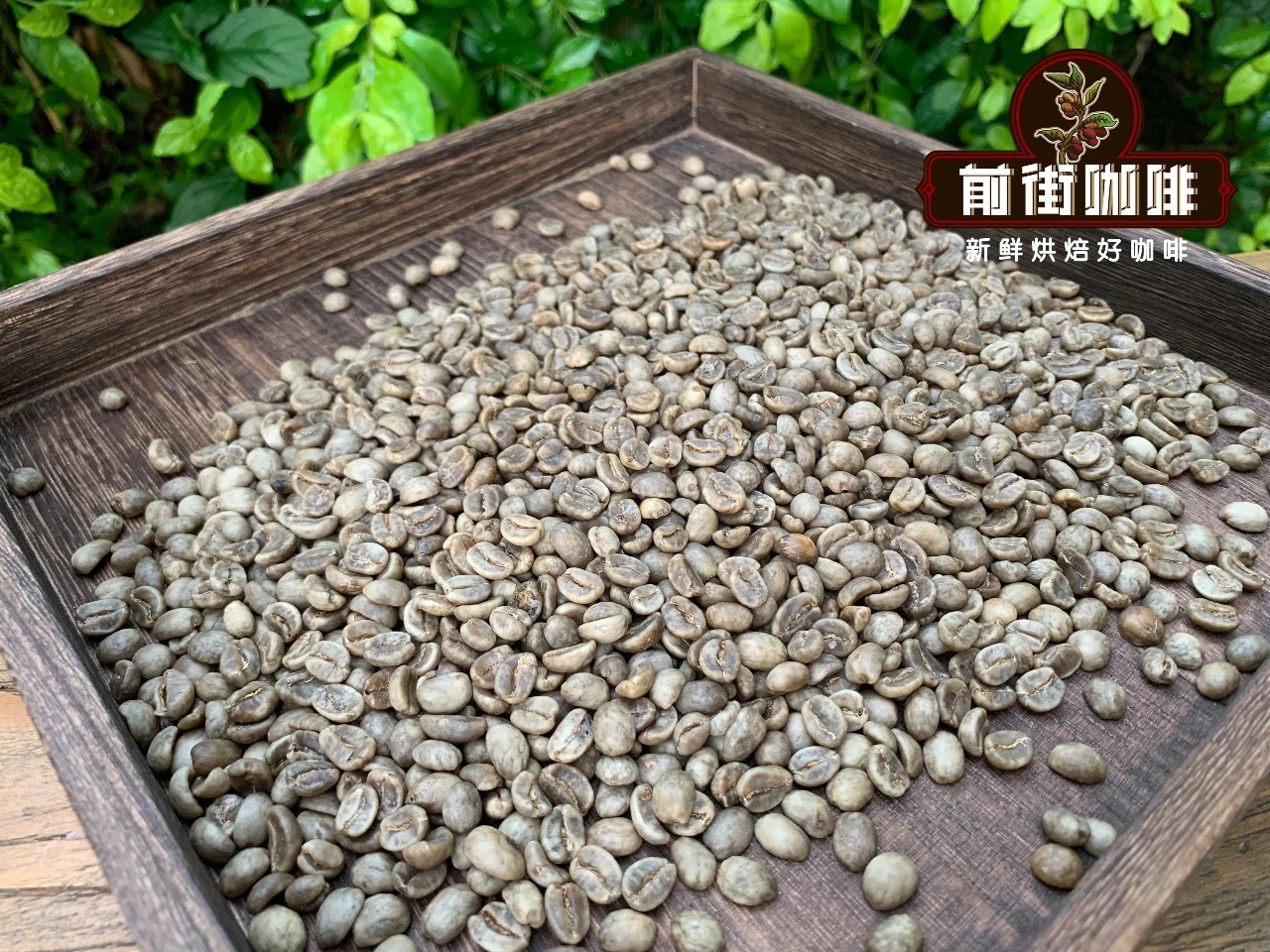
Representative Coffee – FrontStreet Coffee Mexico Chiapas Swiss Water Process Decaf Coffee
Producing Country: Mexico
Region: Chiapas
Altitude: 900-1500 meters
Variety: Bourbon, Caturra, Typica, Criollo
Processing Method: Swiss Water Process
Grade: HG
Harvest Season: 2020
10. Guatemala Coffee Bean Region:
Guatemala borders Mexico and was, until 2011, the largest coffee-producing country in Central America, later gradually overtaken by Honduras. Guatemala Antigua coffee is the nobility of coffee, with a rich sweet-sour taste and fascinating smoky notes that seem to underscore its air of mystery. Some say a cup of Guatemala Antigua, with its distinctive smoky flavor, tells a wonderful story — a story of the wisdom of the Maya who once lived on this land.

Representative Coffee – FrontStreet Coffee Guatemala Antigua Flora Goddess
Region: Antigua Region
Altitude: 1200-1600m
Variety: Bourbon, Caturra
Processing Method: Washed Processing
Grade: SHB
Brewing Flavor: Berry acidity, citrus, slight chocolate, rich layering, smooth texture.
FrontStreet Coffee Recommendation
Among all ten regions, FrontStreet Coffee's signature is its Indonesian PWN Golden Mandheling. It comes from the Pawani (PWN) company, grown in the Gayo Highlands of Aceh, North Sumatra, at 1,100–1,600 meters, the Ateng variety, processed by the wet-hulled method. On the strength of an 18-mesh-or-larger screen size and fewer than three defective beans per 300-gram green sample — meeting the top G1 standard — it then goes through three rounds of hand sorting to remove the remaining defects. The result is a clean, multi-layered cup that is thick yet balanced, rich in nutty and caramel aroma with chocolate notes and a persistent aftertaste.
FrontStreet roasts it to a medium-dark level to keep acidity low and draw out dark chocolate and caramel, leaving the wild herbal character of the growing environment intact. For pour-over, brew with 87–88°C water, 15g of coffee at a 1:15 ratio, and a grind like coarse sugar. A three-stage pour shows the body and caramel sweetness best: a 30ml bloom to wet the grounds and let them degas, a 100ml second pour, then a gentle 95ml center pour to finish.
Want the same Mandheling character in milk drinks? FrontStreet's Classic Blend puts a medium-dark Mandheling on a creamy, nutty Brazilian base, sharpening the butter, roasted-chestnut, and caramel notes; the Mandheling raises the body and adds sandalwood, herbal, and spice aromas, while a little Robusta boosts the crema — making latte art or a layered Dirty easy.
Important Notice :
FrontStreet Coffee is a long-established specialty coffee roaster in Guangzhou China, selling freshly roasted beans from its own farm in Yunnan as well as dozens of carefully selected single-origin beans from around the world for both pour-over and espresso. The products deliver consistently excellent quality and great value, with shipping within 24 hours. Guangzhou's FrontStreet Coffee shop is recommended by many coffee lovers, and the beans are now available online at the Tmall 。
FrontStreet Coffee has moved to a new address:
FrontStreet Coffee Address: 315,Donghua East Road,GuangZhou
Tel:020 38364473
 Scan and follow the En Gafei WeChat official account. Please indicate that the reprint comes from "En Gafei".