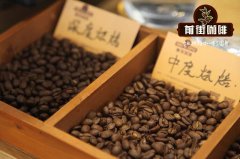
Flavor Characteristics of the World's Three Major Coffee Regions - Introduction to Processing Methods and Features of Yunnan and Indonesian Coffee Bean Growing Areas

According to the world's coffee belt, coffee-producing regions fall into three major areas: Latin America, Asia, and Africa. FrontStreet Coffee has already introduced the African and Latin American regions. To sum up: African coffee regions tend to be more acidic, with Ethiopia representing gentle acidity and Kenya vibrant acidity. Latin American countries offer more choices, primarily chocolate and nut flavors, represented by Brazil, Colombia, and Panama's Hacienda La Esmeralda, where the Geisha variety was discovered. Today, FrontStreet Coffee turns to the Asian region, where beans are predominantly rich and full-bodied — including FrontStreet's well-known Indonesia Sumatra Mandheling and, from near Indonesia, FrontStreet's Papua New Guinea Paradise Bird, known as the "Little Blue Mountain."
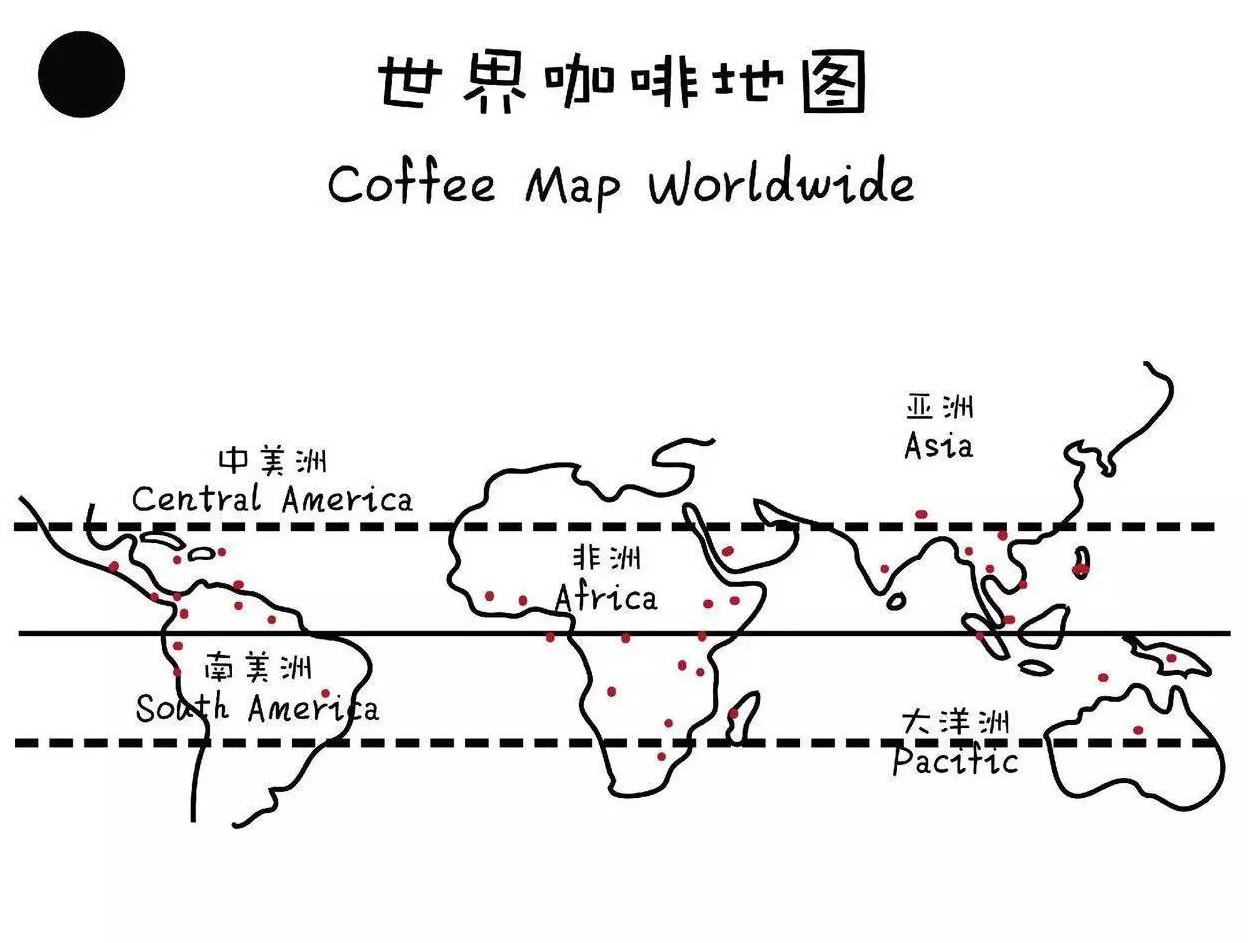
Asian Coffee Region
As one of the world's three major coffee regions, Asia has fewer famous coffee-producing countries than the other two, but its production volume cannot be underestimated, and its flavors are unique and highly distinctive. Asian coffee is predominantly rich and full-bodied with strong, rounded sweetness. Because of that weight, it works very well as the base of an espresso blend — and just as well as a single-origin pour-over.
The well-known coffee-producing countries of the Asian region include Indonesia, China, Vietnam, India, and Papua New Guinea. The following introductions are in no particular order.
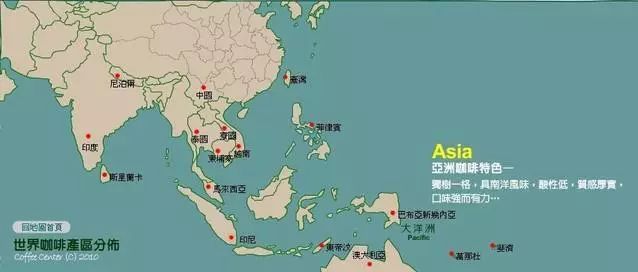
Indonesia
Indonesia lies in southeastern Asia. In 1696, the Dutch arrived to expand coffee cultivation and introduced coffee to the island of Java, where it was grown on a large scale. In 1877, however, leaf rust swept through Indonesia and infected almost every coffee tree, nearly wiping out Arabica and causing devastating losses.
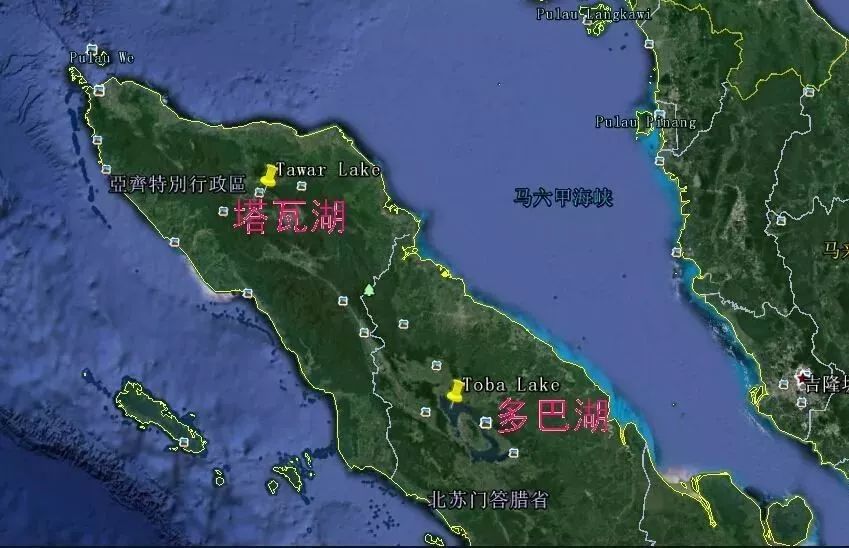
Indonesia then introduced Robusta from Africa. Robusta's strong disease resistance offset the economic losses caused by fragile Arabica, and today Indonesia is the world's most important producer of Robusta. Robusta is concentrated in southern Sumatra, while Arabica is grown in the north. Though Arabica accounts for only about 10% of Indonesia's total coffee production, it is enough to draw worldwide attention and affection — including the well-known Mandheling.
Coffee Bean Processing Methods
The main processing methods for Indonesian coffee are natural, washed, and wet hulling. Because the climate is humid and rain is frequent, washed processing and wet hulling are often adopted for more efficient drying.
Indonesia's most famous method is wet hulling, used mainly in Sumatra, the region famous for rich-flavored Mandheling. Wet hulling has two main stages: removing the skin and pulp of the cherries, then a brief fermentation and drying until the moisture content reaches 12–13%. This rapid processing compresses the beans and creates cracks — what we call elephant beans, or "kopi gajah." It is considered a characteristic of Mandheling, not a defect.
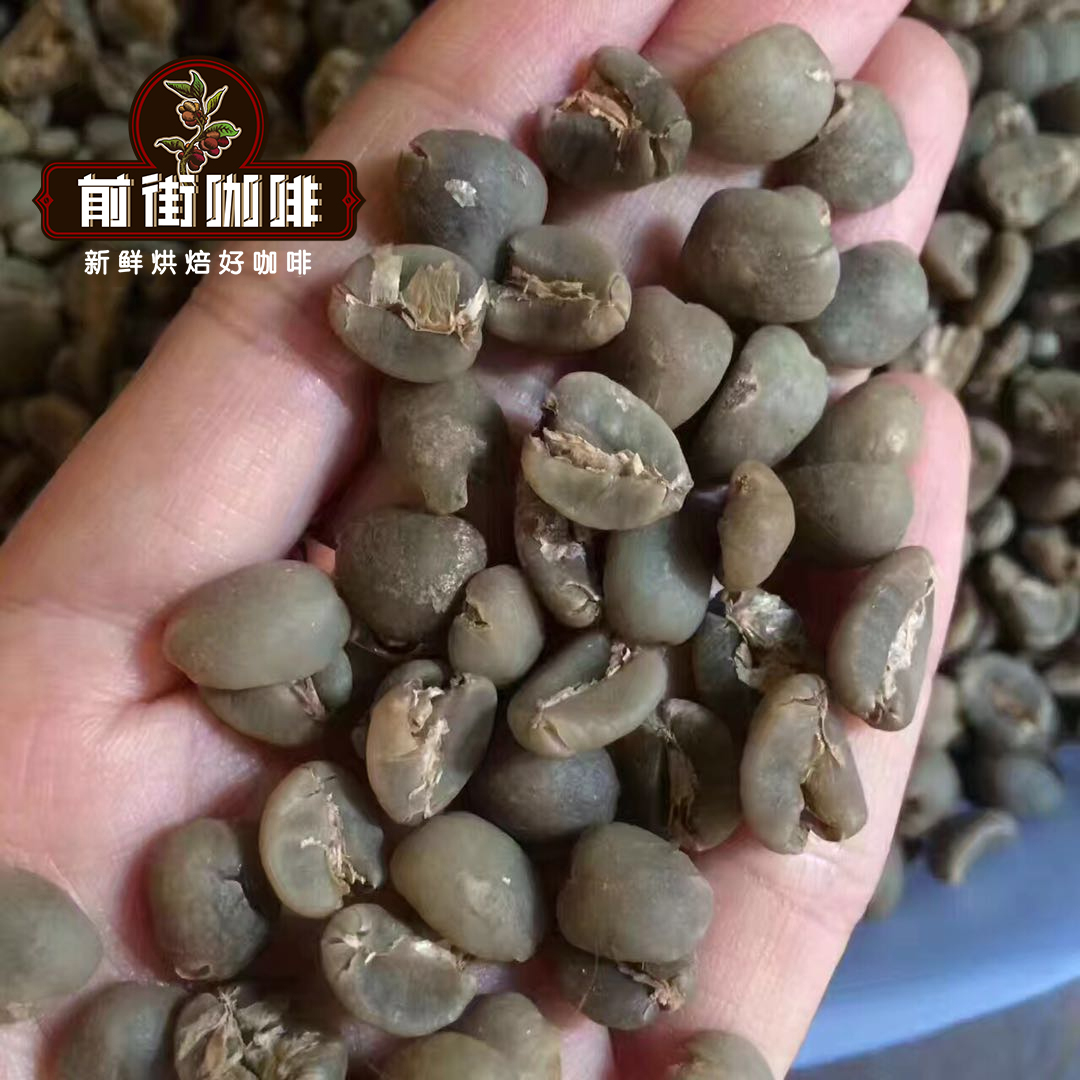
Beyond conventional wet hulling, there is also aged wet hulling. Beans are first processed by regular wet hulling, then stored in warehouses for 2–3 years, during which the acidity gradually diminishes and converts to sugars. Mandheling processed this way is called aged Mandheling.
Mandheling Coffee Varieties
The main production area for Mandheling is the Lake Toba region at the northern tip of Sumatra, Indonesia. Common Mandheling beans include FrontStreet's PWN Gold Mandheling, FrontStreet's Indonesia Lintong Mandheling, and FrontStreet's Aged Mandheling.
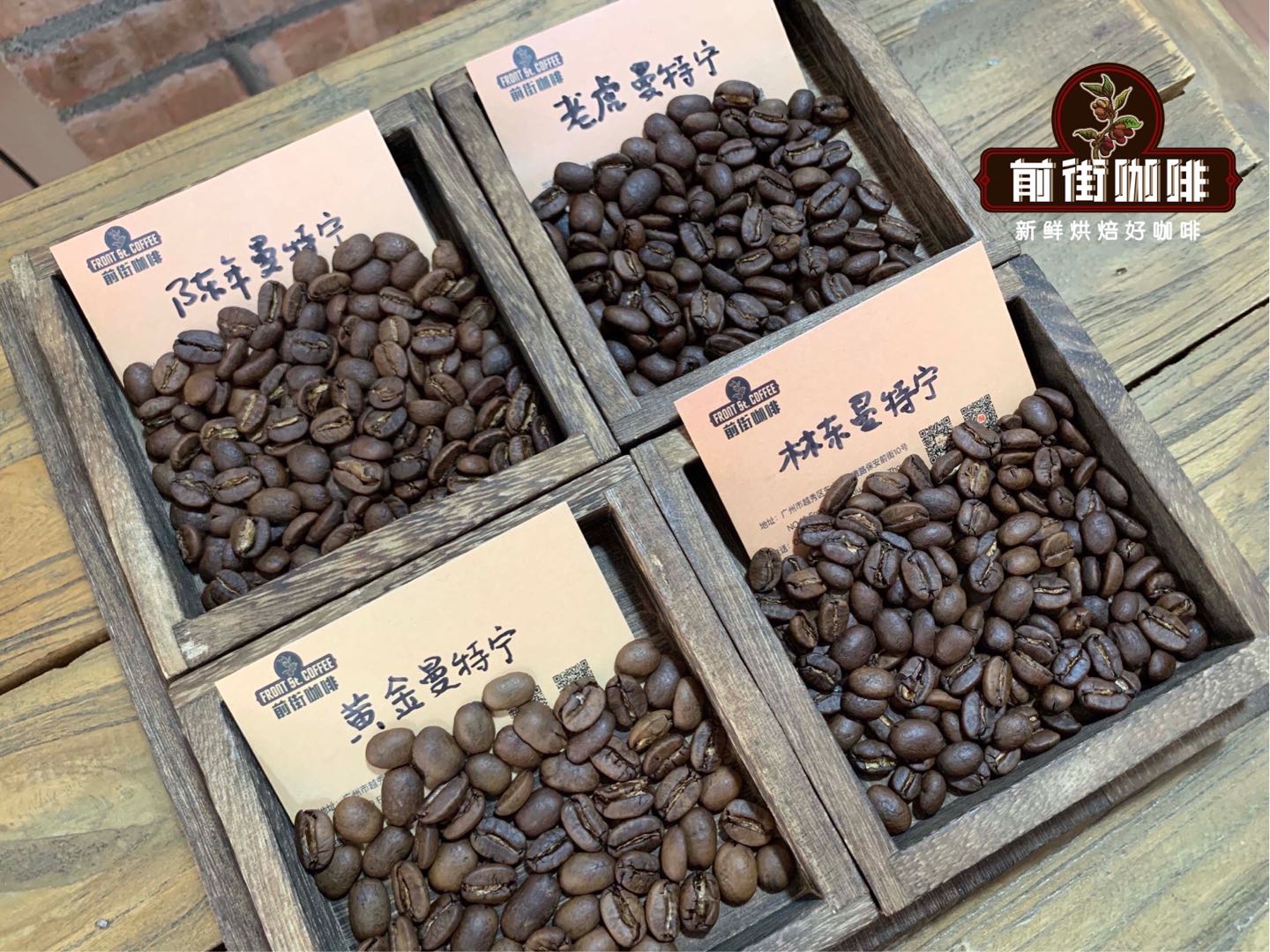
These FrontStreet Mandheling coffees differ in character: the Indonesia Lintong Mandheling represents the most classic Mandheling flavor, with strong herbal notes. The PWN Gold Mandheling is a specially selected grade from PWN (a local Indonesian Mandheling company), with uniform bean sizes all above 18 mesh and more than 4 hand selections, featuring a clean, bright profile while keeping excellent richness. The Aged Mandheling, as noted, uses a different wet-hulling process, giving richer flavors that may not suit everyone.

FrontStreet Coffee · Indonesia PWN Gold Mandheling Coffee
Region: Indonesia, North Sumatra, Aceh Gayo Mountains
Altitude: 1,100–1,600 meters
Variety: Ateng
Grade: G1, 3 times hand-selected
Processing Method: Wet hulling
Brewing Parameter Recommendations: Kono dripper, 88°C water temperature, 15 g coffee grounds, 1:15 coffee-to-water ratio, medium-fine grind (70–75% pass-through rate on a #20 standard sieve)

Brewing Technique Recommendations: FrontStreet Coffee uses a segmented pour. Bloom with 30 g of water for 30 seconds, then pour with a small stream to 125 g for the first segment. When the water level drops and is about to expose the coffee bed, pour to 225 g and stop. Total extraction time is 2 minutes.
Flavor Description: Nuts, spices, herbs, licorice, chocolate, and caramel, with a clean, smooth profile.
China Yunnan
China's coffee-growing areas are mainly in Yunnan, Hainan, and Taiwan. Hainan primarily grows Robusta, while Yunnan and Taiwan mainly cultivate Arabica. Today, Yunnan is undoubtedly the most noteworthy coffee-producing region in China.
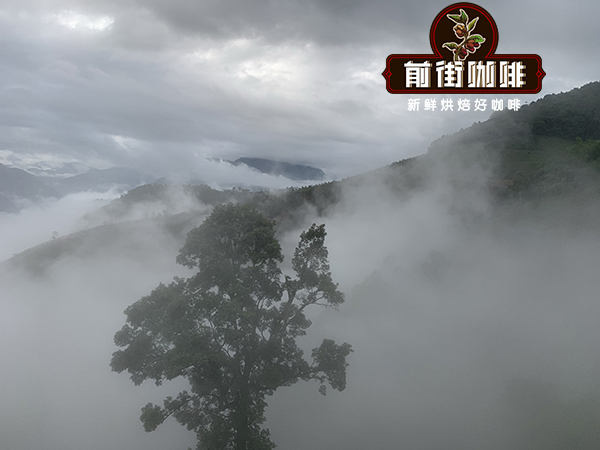
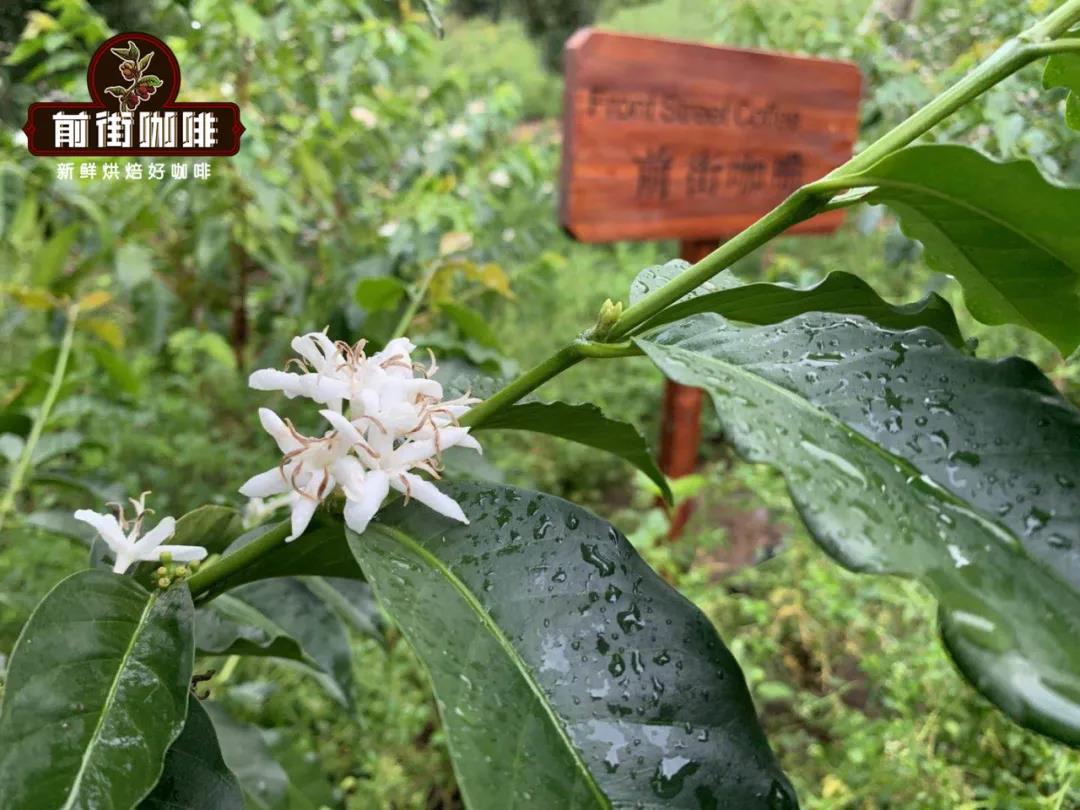
Yunnan lies south of the Tropic of Cancer, in the subtropical mountainous climate zone. Its unique red plateau soil is fertile and loose, with a mild climate particularly suited to growing small-seed coffee — which is what we call Arabica. When coffee was first introduced to China, the name "small-seed variety" was chosen for easier promotion and memory. The representative small-seed variety in Yunnan is Catimor.
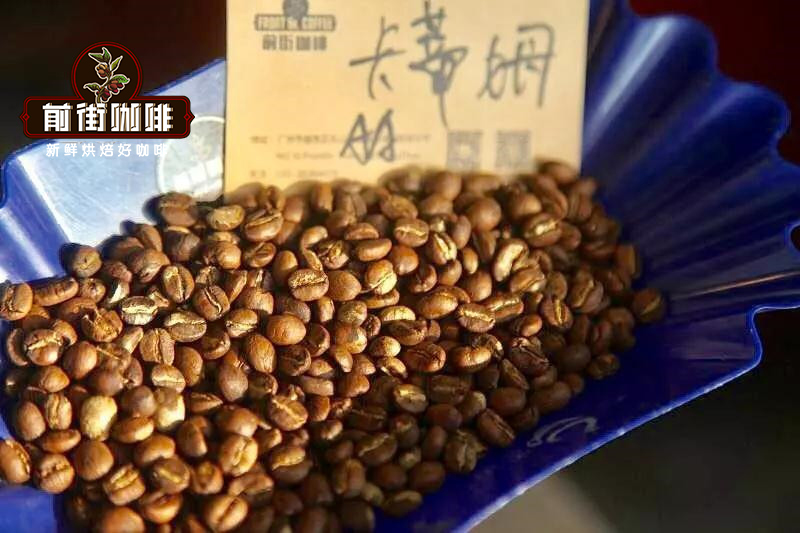
Yunnan's unique natural conditions shape the special flavor of its small-seed coffee: rich but not bitter, fragrant but not strong, with a slight fruitiness. As early as the 1950s, Yunnan small-seed coffee was popular on the international market and rated a top-grade coffee. The main growing areas are Lincang, Baoshan, Simao, Xishuangbanna, and Dehong. Baoshan has an average temperature of 21.5°C, with highs reaching 40.4°C, and is basically frost-free year-round, making it recognized as the best small-seed producing area.
Yunnan's coffee-growing area now accounts for 70% of the national total, and its production for 83%. By either measure, Yunnan coffee holds a dominant position within China.
Coffee Bean Processing Methods
Yunnan's processing methods are now trending toward diversification, with natural, washed, anaerobic, and other methods all flourishing. As China's coffee market is still growing with huge potential, not limiting itself to specific processing methods is a necessary part of exploration. Determining public preferences is the key.
Coffee Bean Varieties
Yunnan's main varieties today are Typica and Catimor. Typica is Ethiopia's oldest native variety, one characteristic being its bronze-colored young leaves — some call it "red-top coffee." The beans are relatively large, with a pointed oval or slender pointed shape. Typica has a unique clean, elegant flavor and a balanced character, with high flavor cleanliness. Its shortcomings are low yield, altitude requirements, susceptibility to leaf rust, and weak resistance to pests and disease.
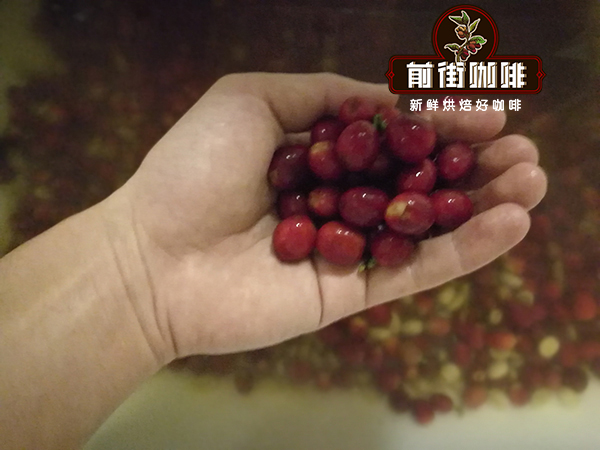
In 1959, the Portuguese moved Brazil's Bourbon mutant Caturra to East Timor and hybridized it with Timor, which carries Robusta blood, successfully breeding Catimor with excellent disease resistance and productivity. As leaf rust struck coffee countries worldwide, international organizations helped producing nations promote Catimor to resist rust and raise yields.

FrontStreet Coffee · Yunnan Baoshan Small-Seed Coffee
Region: Yunnan Baoshan
Altitude: 1,200 meters
Processing Method: Washed
Variety: Catimor
Brewing Parameters: Kono dripper, 1:15 coffee-to-water ratio, 15 g coffee grounds, medium-fine grind (70–75% pass-through rate on a #20 standard sieve)
The brewing technique uses segmented extraction: bloom with 30 g water for 30 seconds, pour with a small stream to 125 g and stop, then pour to 225 g to finish. Total extraction time is 2 minutes.
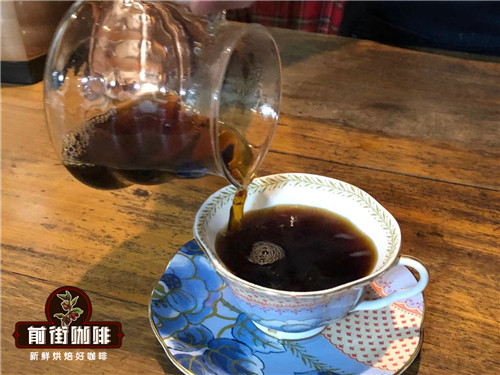
Flavor Profile: A nutty aroma, with herbal, chocolate, and caramel notes on the palate, and a faint fruit acidity in the aftertaste.
Vietnam
Vietnam is the largest coffee-producing country in Asia. Perhaps influenced by French colonial rule, its coffee cultivation has French characteristics. In the mid-19th century, Arabica was brought to Vietnam by French missionaries and planted near the Gulf of Tonkin, mostly Java or Bourbon varieties.
Vietnam's coffee production continues to grow today. The main export variety is Robusta, with 96% of Robusta coming from small farms, along with some large state-owned farms. Although production is substantial, Vietnam mainly produces Robusta, so a quality gap remains next to major producers like Brazil and Colombia.

India
India's method of processing coffee resembles Indonesia's, usually called monsooning or monsoon processing. In the past, when passengers or cargo traveled to and from India by sailing ship, the voyage to Europe took several months, and high air humidity changed the flavor and color of the raw beans. By journey's end, the beans had turned from green to a peculiar yellow.
Consumers grew used to this, so when steamships shortened the journey, producers found that buyers still wanted the color and flavor caused by the original voyage. To recreate that special flavor, they took advantage of the coast: every year in May and June, monsoon winds reach southwestern India. During the monsoon season, people spread coffee beans about 12–20 cm thick in specially built, open-sided houses and leave them for 5 days, turning them constantly to ensure even contact with the humid monsoon air. The beans are then bagged and stacked so the monsoon winds can penetrate the bags.
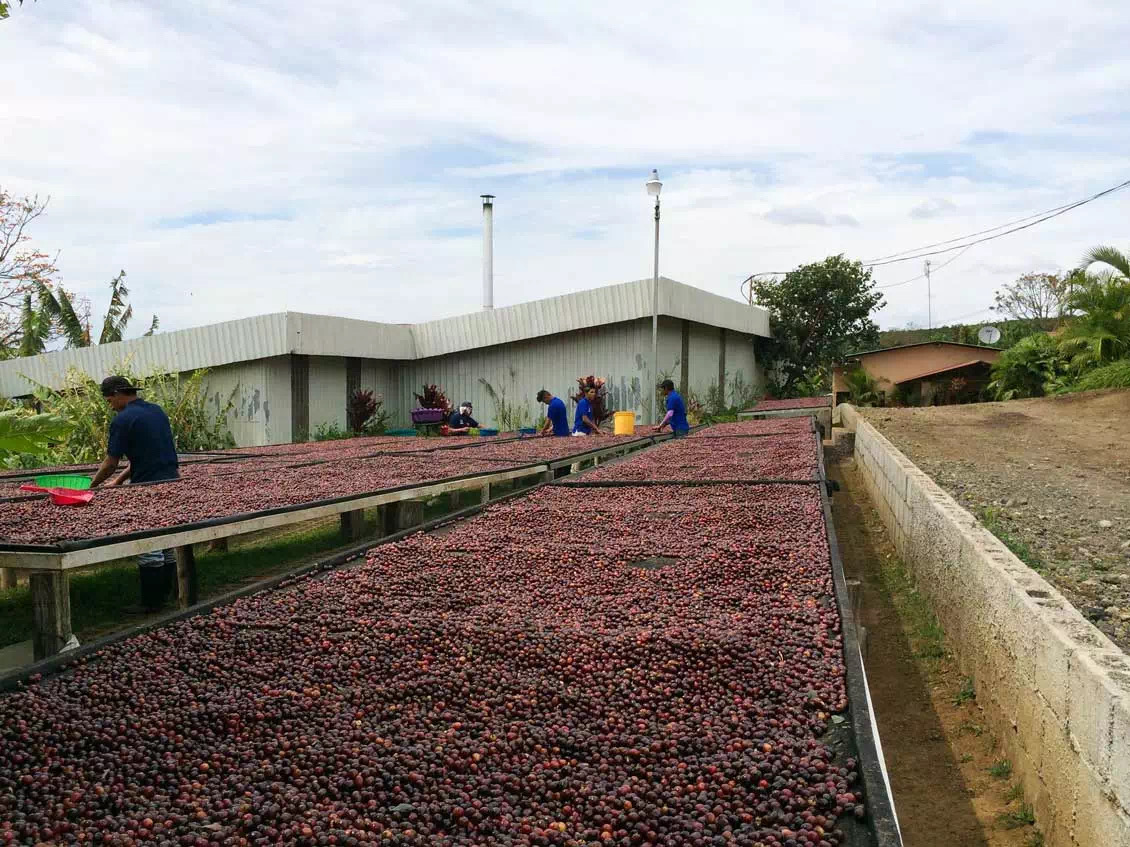
The bags are re-bagged weekly for a total of 7 weeks, until the beans have changed in color and flavor. Finally the beans are hand-selected to remove those not affected by the monsoon, then bagged for export.
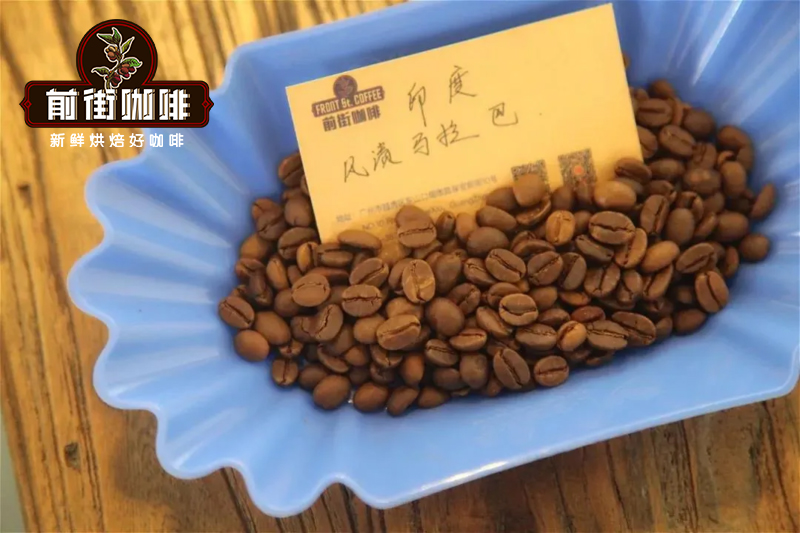
FrontStreet Coffee · India Monsooned Malabar Coffee
Region: Malabar Coast, Southern India
Altitude: 1,100–1,200 meters
Varieties: Kents, S795, Catimor, Selection 9
Processing Method: Monsooned natural processing
Brewing Parameters: Kono dripper, 1:15 coffee-to-water ratio, 15 g coffee grounds, medium-fine grind (70–75% pass-through rate on a #20 standard sieve)

The brewing technique uses segmented extraction: bloom with 30 g water for 30 seconds, pour with a small stream to 125 g and stop, then pour to 225 g to finish. Total extraction time is 2 minutes.
Flavor Profile: Rich caramel, raisin, and herbal notes, with a taste like genmaicha (brown rice tea) and a berry-like aftertaste.
Papua New Guinea
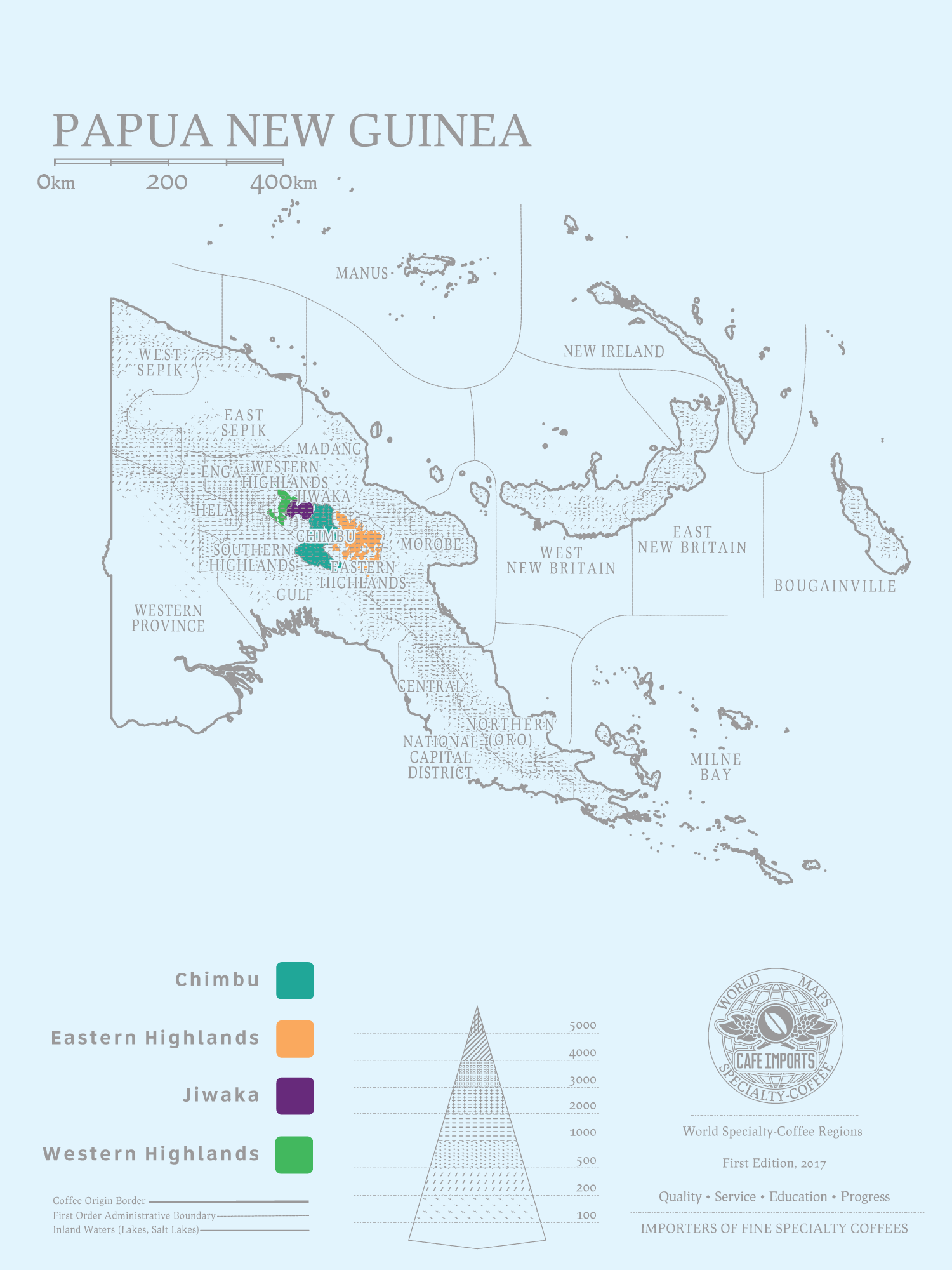
The people of Papua New Guinea regard the bird of paradise as a symbol of freedom and happiness. PNG AA Sigri Estate Arabica is named Paradise Bird coffee, and its flavor is as special as its name, with distinctive spice notes and rich sweet-sour characteristics. This FrontStreet Paradise Bird bean, for instance, was cultivated from Jamaica Blue Mountain Typica that traveled a long way to Papua New Guinea — the same roots as Jamaica Blue Mountain.
Coffee Bean Processing Methods
In Papua New Guinea, coffee is a national agricultural crop: 90% is grown by small farmers and supports one-third of national income. Most small estates use washed processing, giving strong flavors without earthy notes; a small amount of natural processing is also used, offering more complexity. Large-estate coffees have cleaner, more delicate flavors.

Coffee Bean Varieties
Generally, Papua New Guinea beans have a lighter body than Indonesian Java beans, somewhat like high-quality Central American coffee. Most coffee trees in Papua New Guinea come from Jamaica's Typica varieties, hence the reputation "Little Blue Mountain."

FrontStreet Coffee · Papua New Guinea Paradise Bird Coffee
Region: Sigri Estate, Papua New Guinea
Grade: AA
Variety: Typica
Altitude: 1,600–1,800 meters
Processing Method: Washed
Brewing Parameters: Kono dripper, 1:15 coffee-to-water ratio, 15 g coffee grounds, medium-fine grind (70–75% pass-through rate on a #20 standard sieve)
The brewing technique uses segmented extraction: bloom with 30 g water for 30 seconds, pour with a small stream to 125 g and stop, then pour to 225 g to finish. Total extraction time is 2 minutes.

Flavor Profile: Richly layered, with sweet flavors and bright acidity, particularly special spice notes in the aftertaste, and a rich yet balanced mouthfeel.
FrontStreet Coffee Recommendation
For anyone who loves the wild, full-bodied Sumatra style, FrontStreet's Mandheling line is the place to start. The Lintong Mandheling, from the traditional Lake Toba region of North Sumatra, is the classic expression — deep, aromatic, and heavy, with the herbal, earthy, clove, and woody notes that Sumatra's wet-hulled processing creates. FrontStreet roasts its Mandheling medium-dark to soften the acidity and play up the body, keeping the black chocolate and caramel while preserving that wild herbal character.
The PWN Golden Mandheling is the top of the range. Sourced by PWN, a local Mandheling company, it is built on beans of 18 mesh and above, with fewer than 3 defective beans per 300 g sample to meet the G1 standard, then hand-selected three times to remove every remaining defect — which is why the cup is so clean and sweet for a Mandheling. The beans are uniform, plump, and low in defects; medium-dark roasting adds a rich roasted aroma, and the brewed coffee is clean and full-bodied, ideal for anyone who dislikes acidic coffee.
FrontStreet suggests brewing the Golden Mandheling as pour-over to get the most from it: 87–88°C water, 15 g of coffee, a 1:15 ratio, and a coarse-sugar grind, poured in three stages. Bloom with 30 ml to wet the grounds for 30 seconds, pour 100 ml to lift the bed and draw out the golden foam, then finish with a gentle 95 ml center pour to heighten the sweetness — the result is a thick, full body with caramel sweetness and chocolate and nut notes. Those who prefer to work on a machine can reach for the Classic Blend, which layers a medium-dark Mandheling over Brazil's creamy nuts, adding butter, roast chestnut, and caramel, plus a little Robusta for extra crema.
Important Notice :
FrontStreet Coffee is a long-established specialty coffee roaster in Guangzhou China, selling freshly roasted beans from its own farm in Yunnan as well as dozens of carefully selected single-origin beans from around the world for both pour-over and espresso. The products deliver consistently excellent quality and great value, with shipping within 24 hours. Guangzhou's FrontStreet Coffee shop is recommended by many coffee lovers, and the beans are now available online at the Tmall 。
FrontStreet Coffee has moved to a new address:
FrontStreet Coffee Address: 315,Donghua East Road,GuangZhou
Tel:020 38364473
 Scan and follow the En Gafei WeChat official account. Please indicate that the reprint comes from "En Gafei".