Are Italian Blend Coffee Beans Good for Pour-Over Coffee? Are Blend Coffee Beans Suitable for Pour-Over?
Today's coffee market is booming, and the same beans can be enjoyed through many brewing methods — espresso, pour-over, cold drip, moka pot, and more. Of these, FrontStreet Coffee finds that espresso and pour-over are by far the most common, which is why customers often ask two questions: Can espresso blend beans be used for pour-over? And can pour-over single-origin beans be pulled as espresso?
Understanding the Extraction Principles: Espresso vs. Pour-Over
Pour-Over Is Drip Extraction
In an era where single-origin beans flourish, most coffee shops keep at least one pour-over option on the menu. Pour-over works by percolating hot water through ground coffee to dissolve its aromatic solubles — drip extraction in the purest sense.
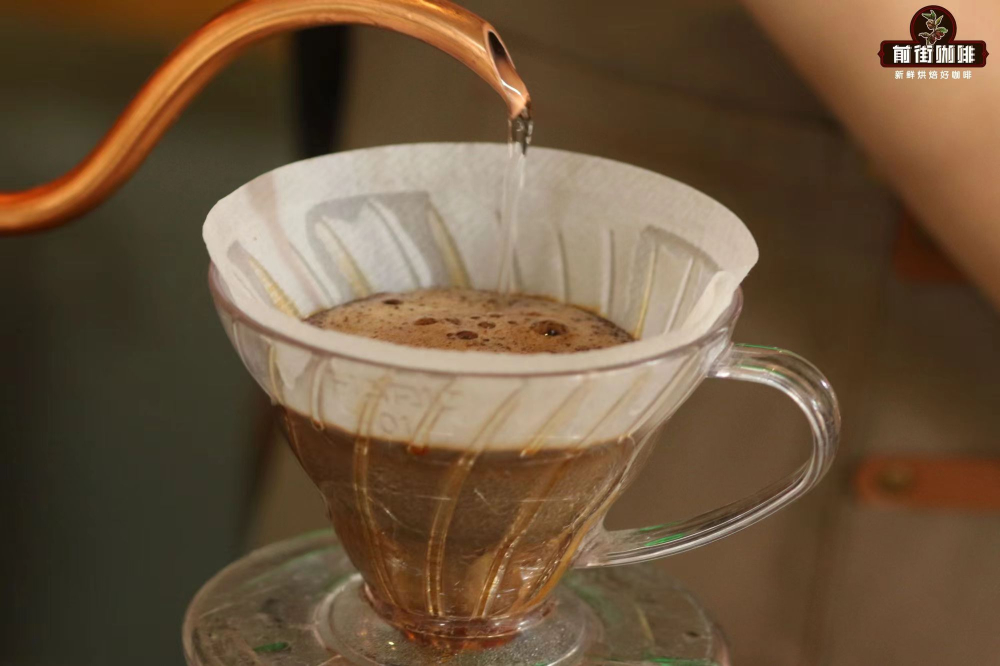
Basic pour-over gear includes a dripper, grinder, serving carafe, thermometer, gooseneck kettle, matching filter papers, and a digital scale. At FrontStreet Coffee, we use 15g of coffee ground so that 70–80% passes a #20 standard sieve, brew at a 1:15 ratio, drop the grounds into the pre-wetted filter, and pour steadily in segments with 87–93°C water to draw out the aromatics.
Espresso Is Pressure Extraction
Americanos, lattes, and cappuccinos are all espresso-based drinks. Espresso is concentrated coffee extracted under high temperature and pressure in a short time from finely ground, properly dosed coffee, and a fresh shot carries its signature crema — the emulsified "product" of fresh beans extracted under many atmospheres of pressure.
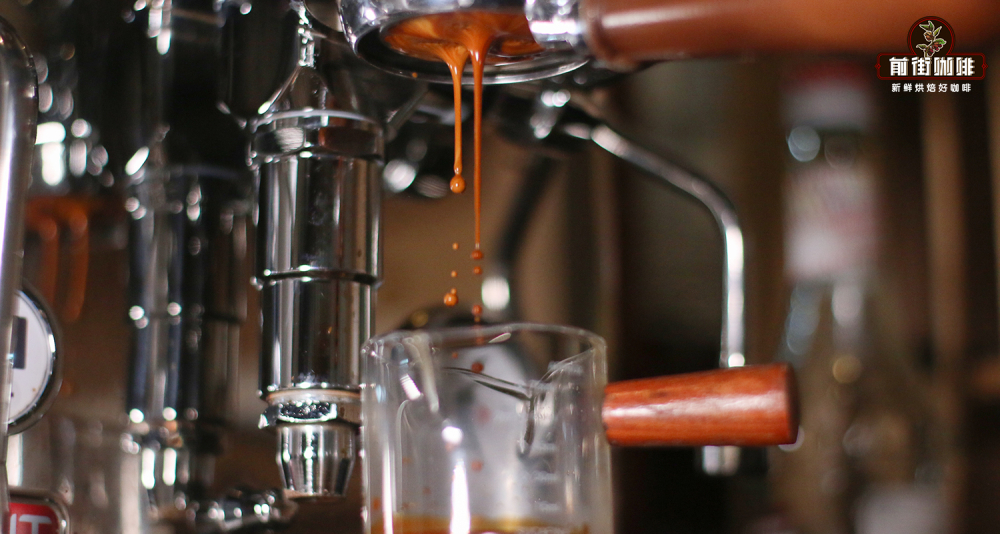
FrontStreet Coffee recalibrates its espresso parameters daily based on the condition of the house blend — for example, 20g of grounds extracting 40g of liquid in 29 seconds.
Can Espresso Blend Beans Be Used for Pour-Over?
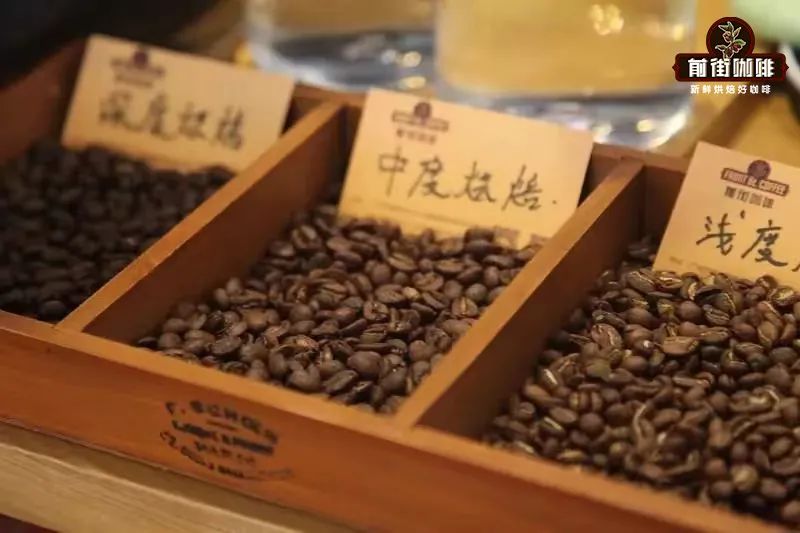
As noted, the same beans can be extracted in different ways, but one point deserves a reminder: because the extraction principles differ, so do the roasting curves. A roaster shapes the roast to the intended flavor direction — a light roast to showcase an African bean's fruity acidity, a dark roast to bring out Brazilian dark chocolate. Espresso blends aim for balanced richness, usually roasted medium-dark and built from two or more origins to stabilize the flavor. Drip-brewed, such a blend can easily taste bland with a flat bitter-sweetness.
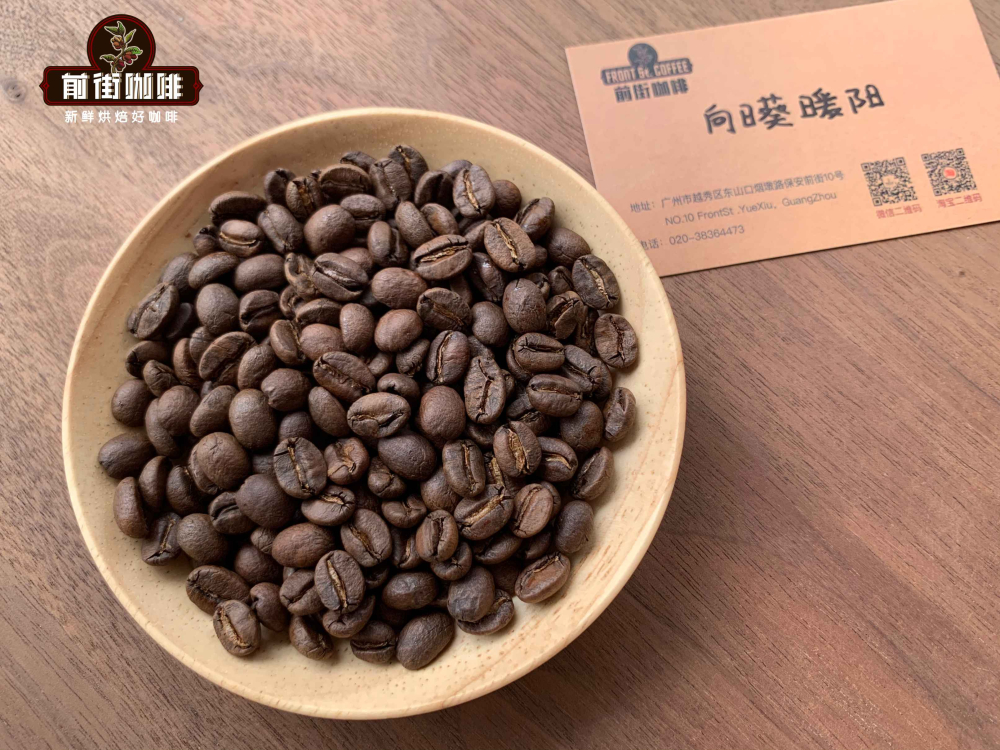
That said, as palates have grown more adventurous, plenty of expressive espresso beans have appeared. FrontStreet Coffee's own "Warm Sun Blend" combines 30% Yirgacheffe natural Red Cherry with 70% Honduras Sherry: pulled as espresso it shows obvious tropical-fruit sweetness and acidity, whiskey aromatics, vanilla cream, and a clean sweet finish; brewed as pour-over it offers citrus aroma, medium-high body, a light winey note, and a dark chocolate aftertaste.
Can Pour-Over Single-Origin Beans Be Extracted as Espresso?
Single-origin espresso (SOE) has become a signature at many shops, and more people pull it at home. But espresso amplifies flavors many times over: the bright, moderate acidity of a pour-over can turn sharp and sour as espresso, while a pour-over's heavy body can turn markedly bitter. FrontStreet Coffee suggests choosing medium-roast single origins, which suit more brewing methods and leave less room for error. Here are four beans from our menu, each a different flavor type:
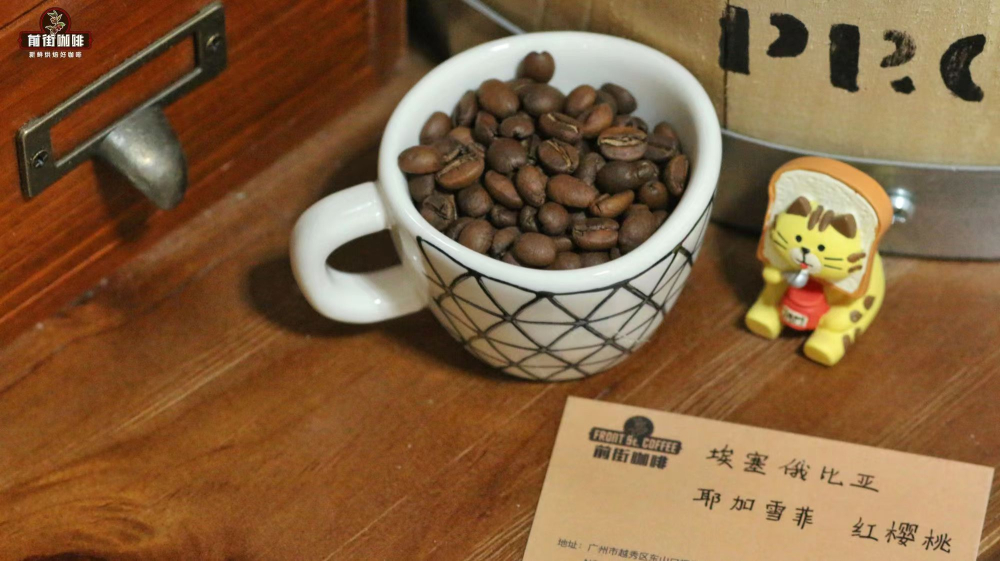
1. FrontStreet Coffee Yirgacheffe Natural Red Cherry
Originally a pour-over bean of very high sweetness and strong fruit aroma, it also pulls a fine, pale-yellow crema with berry sweetness; the sweet-tart berries meet caramel in a clean cup, and with steamed milk it turns honey-sweet.
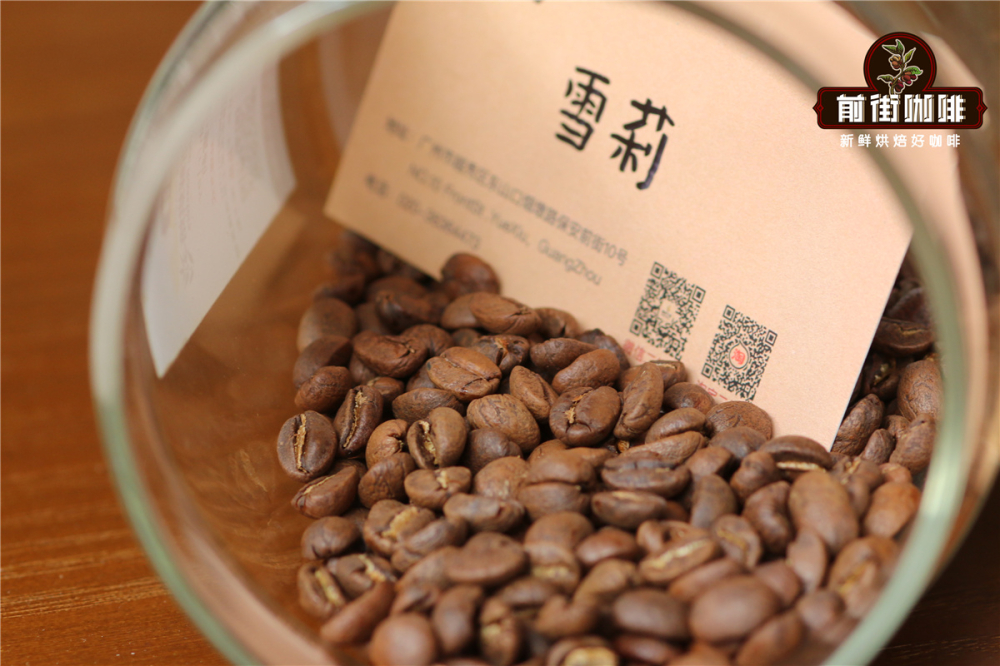
2. FrontStreet Coffee Honduras Whiskey Barrel-Aged Sherry
A medium roast brings roasted aromas while preserving berry acidity. As an SOE it highlights vanilla biscuit and whiskey; with milk it turns to chocolate-cream smoothness and an inviting fragrance with a very soft texture. It is the 70% component of the Warm Sun Blend, uniting wine aromatics, fruit sweetness, and chocolate-milk silkiness in one cup.
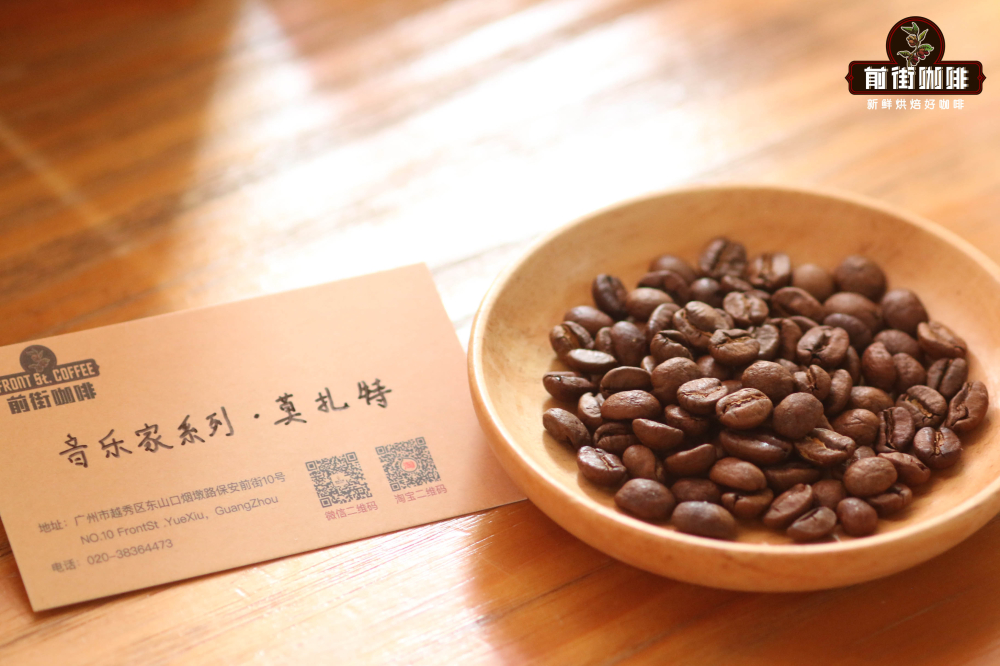
3. FrontStreet Coffee Costa Rica Musician Series Mozart
Anaerobic honey processing keeps the mucilage layer on for closed fermentation before drying, maximizing sweetness. Pour-over, it shows rich rose aroma and high raisin sweetness; as SOE, tropical fruit and fermented notes dominate.
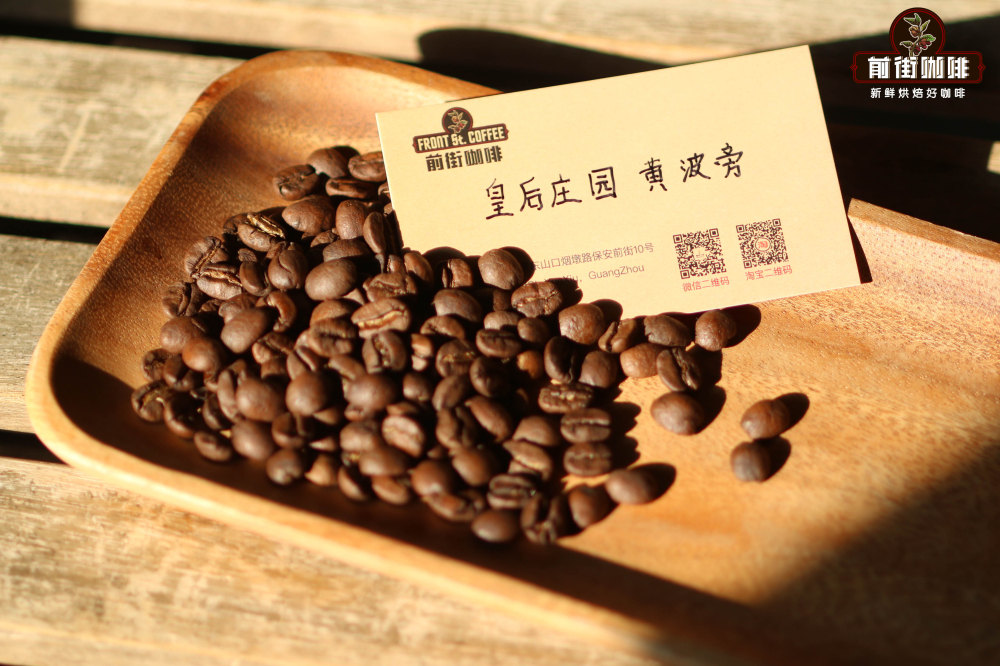
4. FrontStreet Coffee Brazil Queen Estate Yellow Bourbon
If none of the above is your style, this bean from Brazil — the coffee giant — is the safe bet. Medium-dark roasted, it shows rich nut, cream, and peanut aromas with a very sweet chocolate finish; the SOE pours a beautiful thick crema and is wonderfully fragrant in milk drinks.
FrontStreet Coffee Recommendation
Blends and Single Origins for Every Brewer
The same logic applies when you brew with a moka pot, which rewards blend beans especially well. The FrontStreet Classic Blend was designed specifically for espresso and moka pots, and its outstanding crema lets even beginners on basic home machines pull dense, silky foam — the foundation of lattes, cappuccinos, and Dirty. Built on the traditional "Mamba" formula of Mandheling and Brazil, it tastes mellow and warm, approachable for veterans and newcomers alike. The FrontStreet Black Cocoa Blend uses 100% Arabica with ample crema and a full body at a friendly price — ideal for new brewers and cost-conscious cafe owners — while FrontStreet Coffee's Commercial Blend long served as the pre-Black-Cocoa workhorse for shops, and FrontStreet Coffee's Premium Blend has run FrontStreet's own Americanos and lattes for nearly a decade on a classic pairing of Brazil Cerrado and Colombia Huila.
For single origins, the FrontStreet PWN Golden Mandheling is deeply roasted with very low acidity — herbal, dark-chocolate, and faintly earthy, endlessly rich — while the Brazil Queen Estate balances nuts, cocoa, and caramel sweetness through pour-over, espresso, or moka pot. The FrontStreet Papua New Guinea Paradise Bird, a Typica grown at 1,600–1,800 meters on volcanic soils and triple-washed to AA grade, is often called "little Blue Mountain" for its clean, sweet, non-acidic cup. And for floral-fruity drinkers, the FrontStreet Colombia Sidra from the Divide Line Estate (1,650–1,800 meters, double anaerobic natural, medium-light roast) offers jasmine and citrus dry aroma, passion fruit, blueberry, grape, and apricot juiciness with a lasting cocoa finish, and the FrontStreet Strawberry Candy blend recreates bright strawberry-gummy sweetness — a flexible daily bean for anyone who loves fruit-forward coffee without the bitterness.
Important Notice :
FrontStreet Coffee is a long-established specialty coffee roaster in Guangzhou China, selling freshly roasted beans from its own farm in Yunnan as well as dozens of carefully selected single-origin beans from around the world for both pour-over and espresso. The products deliver consistently excellent quality and great value, with shipping within 24 hours. Guangzhou's FrontStreet Coffee shop is recommended by many coffee lovers, and the beans are now available online at the Tmall 。
FrontStreet Coffee has moved to a new address:
FrontStreet Coffee Address: 315,Donghua East Road,GuangZhou
Tel:020 38364473
 Scan and follow the En Gafei WeChat official account. Please indicate that the reprint comes from "En Gafei".