How to Choose Espresso Beans? What Ratios Work Best for Blends? What Are the Theories?
Espresso is typically built on blended beans, because single-origin beans may not produce a shot with enough richness and can lean sour. Even with milk or sugar added, that sourness persists — leaving espresso drinkers wondering whether they've been handed a pour-over black coffee instead.
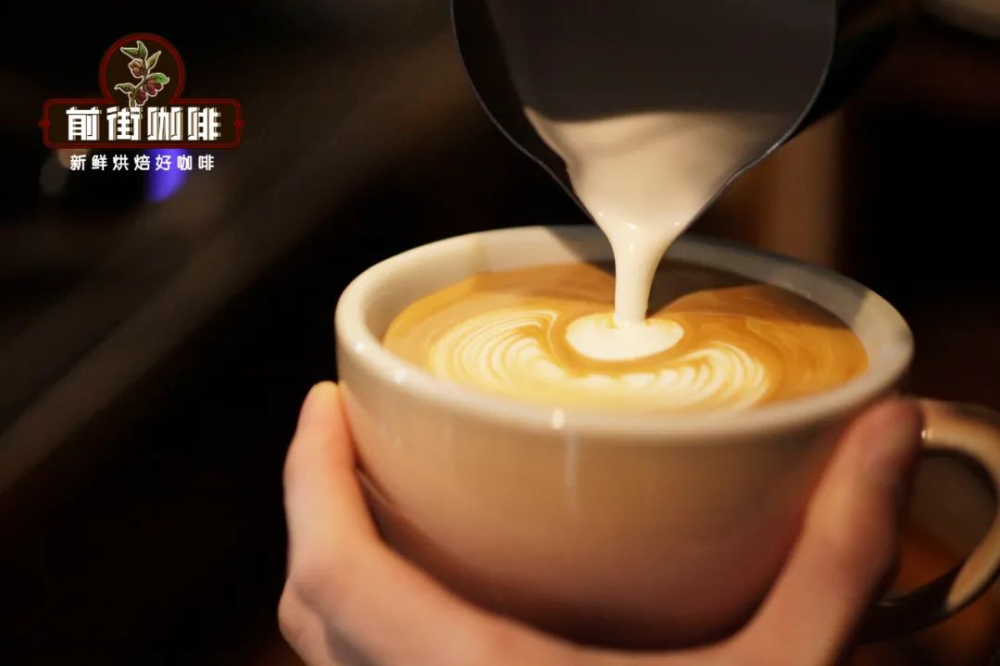
So if we're talking blends, are there rules? Can any beans be thrown together? Espresso blends generally draw on two species: Robusta and Arabica. Common combinations are Robusta with Arabica, or Arabica with Arabica.
Robusta
Used mainly in espresso blends to boost body and deliver rich crema. Robusta beans are oval, round, or nearly spherical, with a straight center cut.
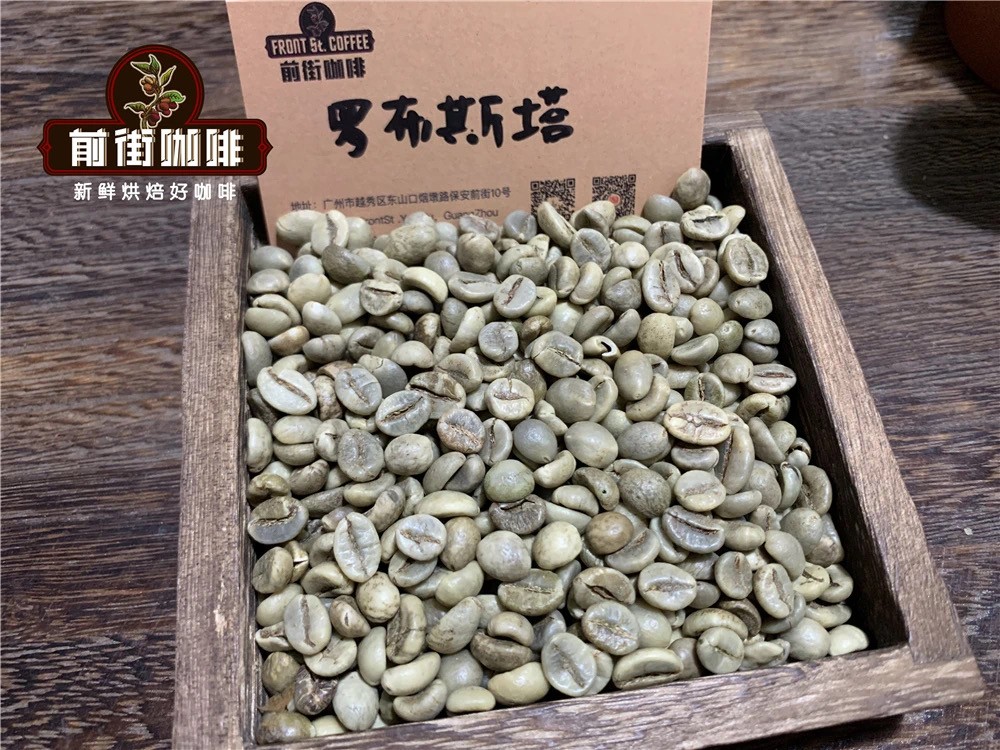
Arabica
Arabica grown at different altitudes, climates, and regions shows genuinely distinct personalities. Raw, it smells of fresh grass; roasted properly, it reveals fruity aromas at light-to-medium roast and caramel notes at dark roast. It suits single-origin brewing and all manner of blends, across every extraction method.
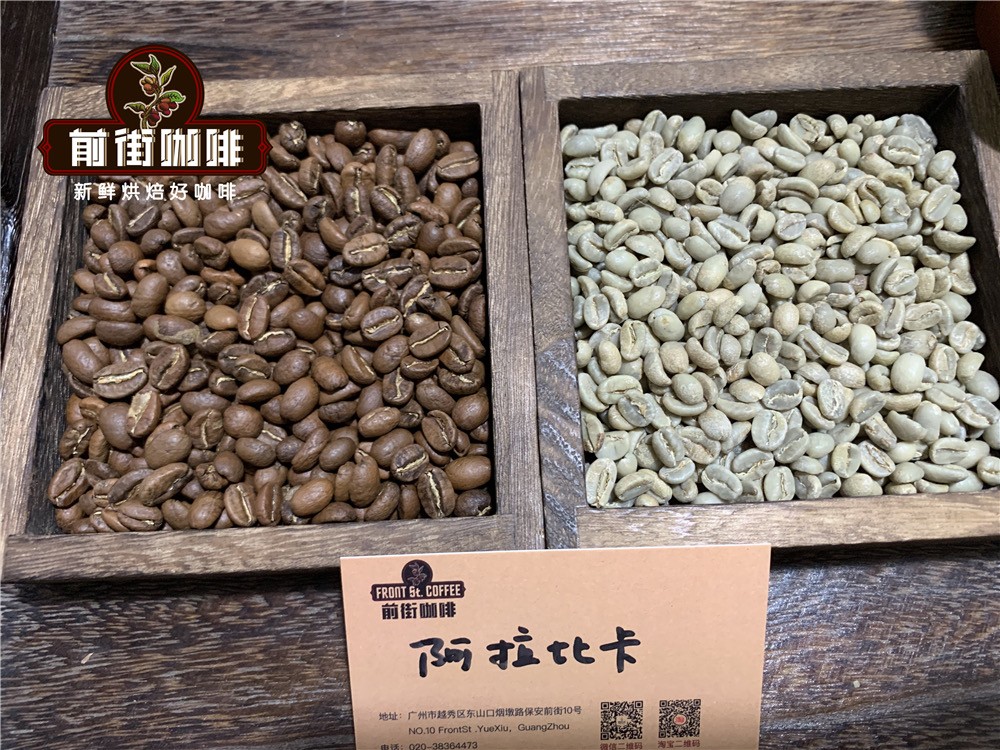
Espresso cares deeply about roast level. Unlike pour-over, where water temperature and ratio can compensate for a roast's extremes, FrontStreet Coffee generally avoids very lightly roasted beans for espresso. Light roasts extract more acidity and less oil; turned into a latte or cappuccino, the drink tilts fundamentally toward sour.
Espresso is Italy's most iconic coffee — the name itself speaks to rapid extraction. It started in southern European countries like Italy, France, and Spain, then swept the Americas to become one of the world's most popular drinks. The ideal shot has very low acidity, high body, and a rich, velvety, reddish-brown crema carrying all the coffee's aroma and flavor. Crema is the single most important indicator of a complete espresso — the capture of everything intense in the coffee.
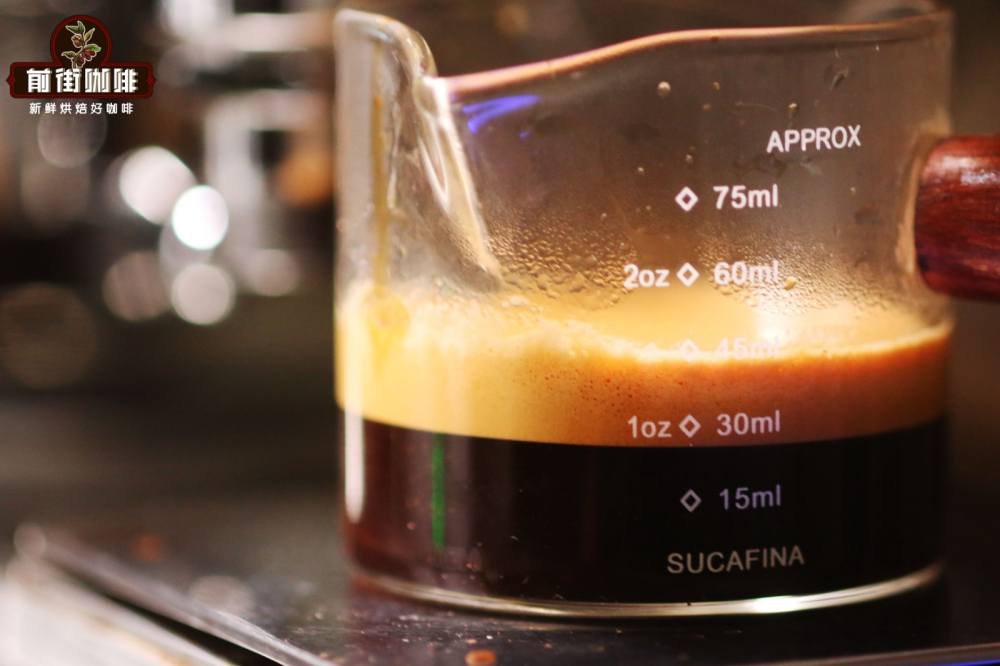
The right beans make the perfect shot. How can you tell whether yours succeeded? FrontStreet Coffee shares a small secret: look at the crema.
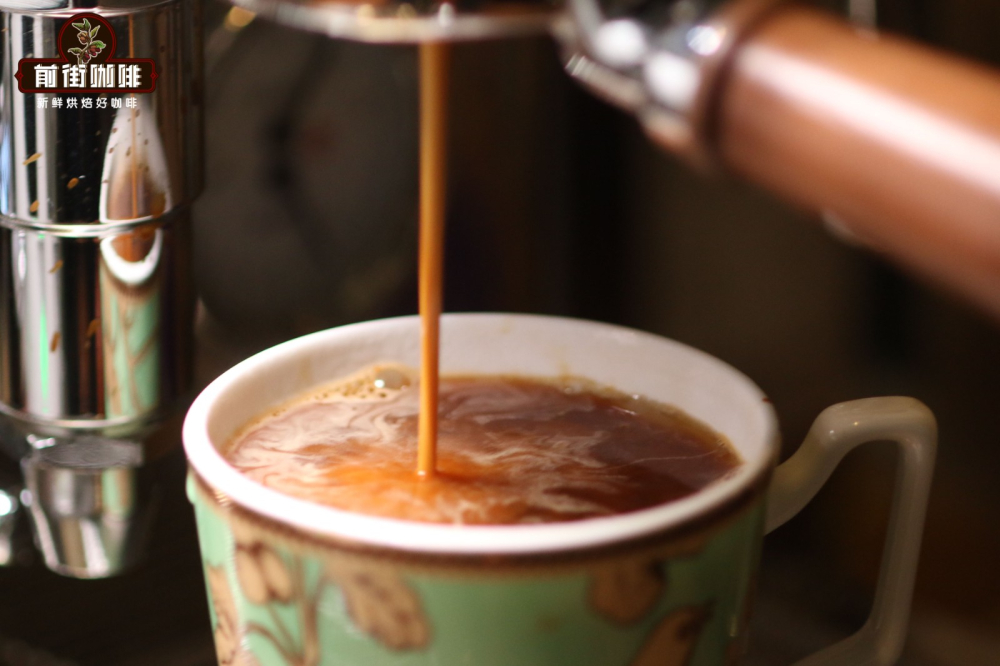
If the terminology is new, here's the primer. "Crema" is the dense, light reddish-brown foam on the surface of an espresso shot. During roasting, coffee beans generate large amounts of carbon dioxide; most dissipates as they cool, but some stays trapped inside. Those gases release during grinding — which is why FrontStreet Coffee recommends brewing as soon as possible after grinding.
The Single-Origin Espresso (SOE) Trend
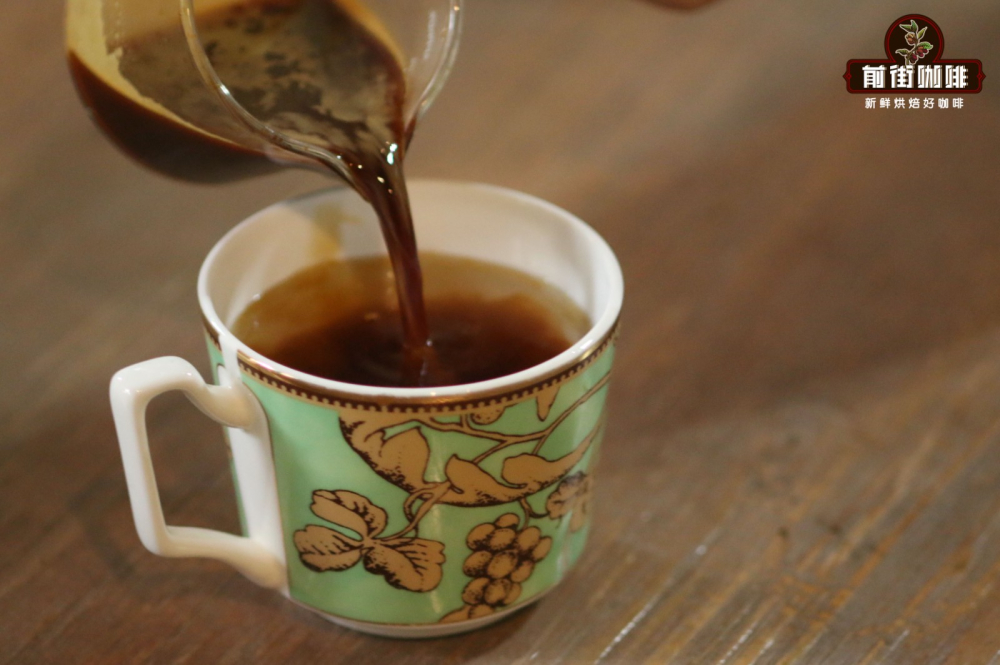
Espresso can, of course, be made from single-origin beans — the recently fashionable SOE, or Single-Origin Espresso. While not automatically synonymous with specialty coffee, choosing a single origin with easily identifiable flavors lets you build a shot with real character: Yirgacheffe's citrus, Kenya's fruit notes, and so on. And because espresso amplifies flavor, those characteristics come across even more clearly than in pour-over. The flip side: single origin amplifies defects too, so roasting and grind size matter enormously, and an SOE is not automatically tastier than a blend.
What Is Blending?
Blending means combining two or more green beans — or the same bean at different roast levels, or even new-crop mixed with aged lots of the same coffee. The "types" in blending thus extend beyond varieties to flavors themselves. Blends typically use 2–6 beans; any more, and each coffee's individuality gets lost.
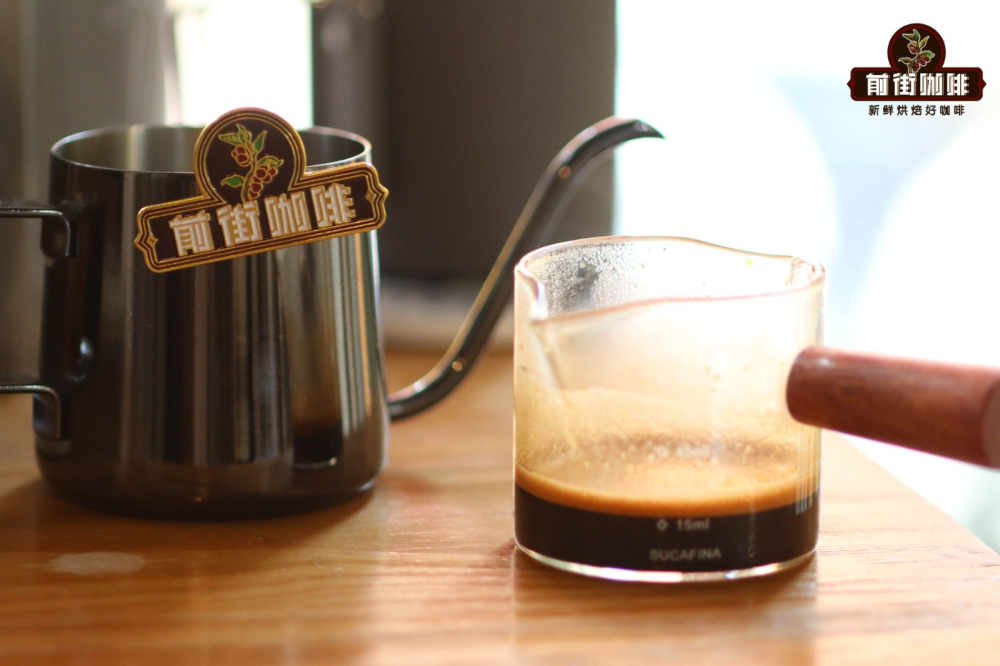
Blends rarely use a 1:1 ratio, which can suppress each component's character. Instead, blending needs primary and supporting components to create flavors more interesting than any single origin. Want more complexity? Dial back the base bean. Want more consistency? Do the opposite.
Why Blend?
Though some coffees shine straight up as single origin, most have flaws — no standout flavor, not enough depth, insufficient intensity, or one attribute turned up too loud. Blending several coffees with different strengths compensates for these shortcomings and creates harmonious, deep flavors. Three considerations govern any blend: price, stability, and flavor — an "impossible triangle" where you sacrifice one to maximize the other two. There are two approaches: green blending (mixing green beans by ratio or flavor goal before roasting) and roasted blending (mixing roasted beans). FrontStreet Coffee blends after roasting.
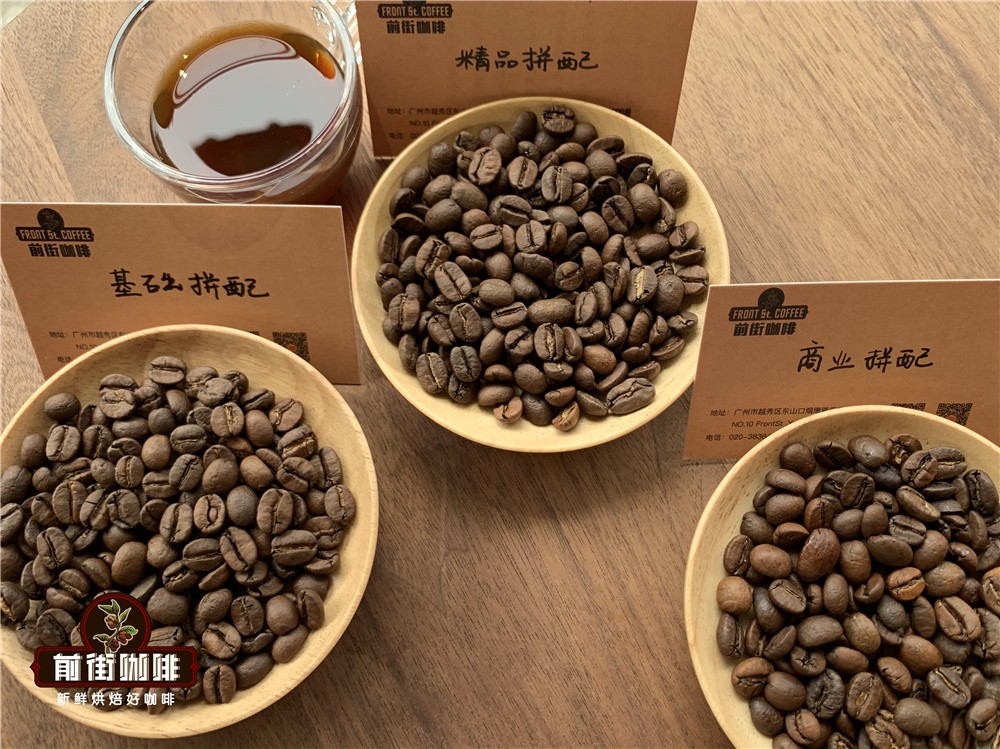
FrontStreet Coffee's espresso blends combine several beans for complementarity or to spotlight specific flavors. Some baristas like Kenya, Mandheling, Brazil, and Colombia as base beans; because the components come from different countries and roast levels, the blend develops its own mouthfeel and aroma. Whether the resulting shot suits you becomes the selection standard.
Before blending, FrontStreet Coffee studies the flavors of coffee varieties worldwide — each origin with its own personality, its own subtle balance of acidity, bitterness, sweetness, aroma, and body. The advantage of roasted blending is flexibility: once each component is roasted, adjustments can be made based on how the beans actually taste, fine-tuning ratios for a stable final flavor.
FrontStreet Coffee Premium Blend
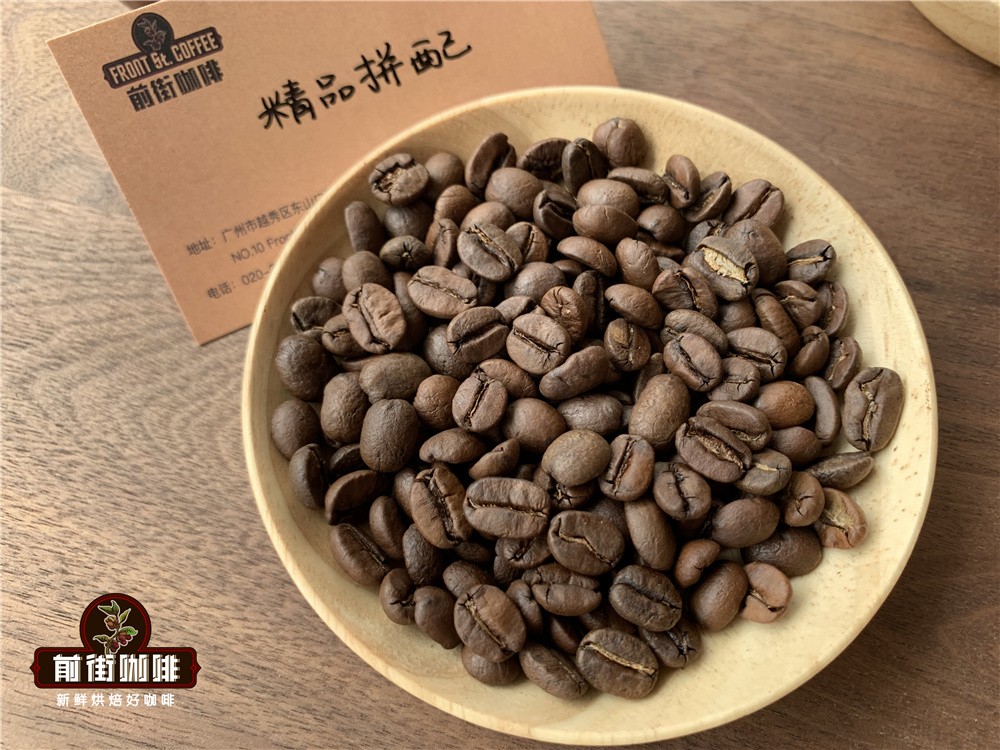
FrontStreet Coffee's Premium Blend pairs Colombian beans with Brazilian beans at a 3:7 ratio. Colombia's signature nutty, chocolatey flavors merge with Brazil's rich peanut and creamy profile. The result is a very balanced espresso blend: generous crema, an extremely smooth mouthfeel, light aroma, and the gentle bitterness characteristic of the Americas — a longtime customer favorite.
FrontStreet Coffee Commercial Blend
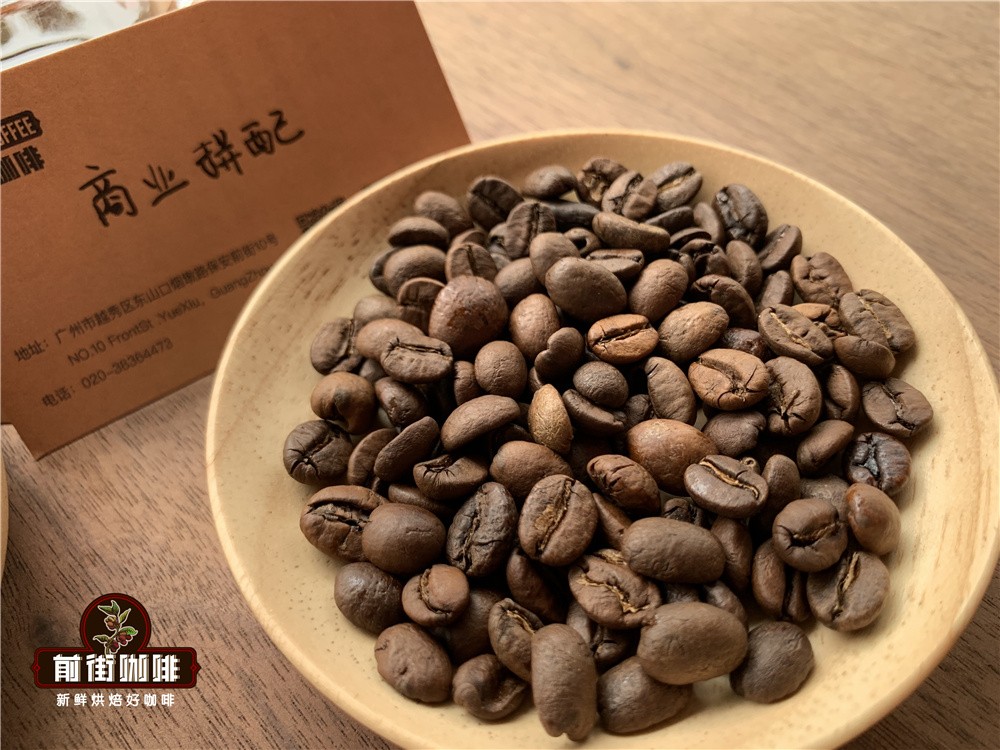
FrontStreet Coffee's Commercial Blend espresso beans mix Colombia, Brazil, and Robusta at 3:6:1. As individual beans, these produce a cup clearly a step below the premium beans — but blended, they still make genuinely good espresso, ideal for lattes, cappuccinos, and other milk drinks. Thanks to the Robusta component, the crema is especially rich, with classic flavors of caramel sweetness, nuts, cocoa, and dark chocolate, balanced sweetness and acidity, a slight bitterness, and a persistent aftertaste.
FrontStreet Coffee Basic Blend
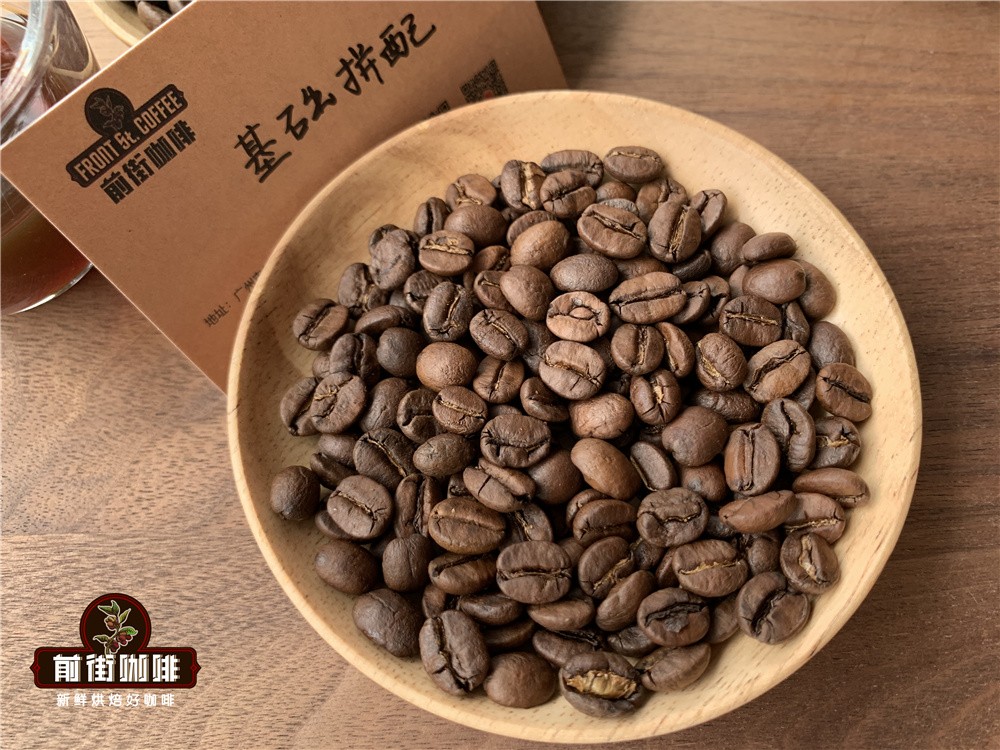
FrontStreet Coffee's Basic Blend combines Yunnan and Brazil beans at 3:7. Flavor profile: soft fruit acidity, caramel sweetness, nutty and dark-chocolate notes, smooth and viscous — though the overall taste is on the lighter side.
FrontStreet Coffee Sunflower Warm Sun Blend
The espresso drinks currently served at FrontStreet Coffee use the Sunflower Warm Sun Blend, built from our Honduras Sherry and Ethiopia Yirgacheffe Red Cherry. After continual tuning, the baristas settled on a ratio of 6:4. Flavor profile: clear fruit acidity, a lingering light berry aroma, rich wine and chocolate flavors, and a comfortable sweet finish.
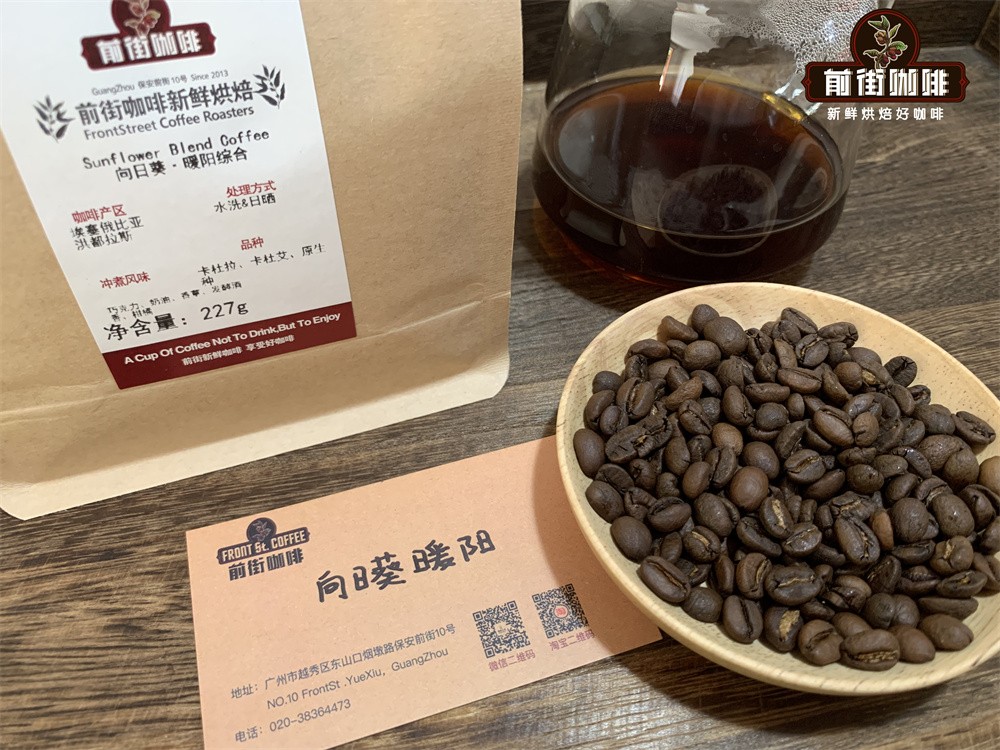
In FrontStreet Coffee's view, blending lets a shot amplify certain beans' advantages while masking their weaknesses — why not? More beans don't necessarily mean better flavor, though: the more components, the harder it is to control every detail, and the muddier the flavors become. Two to six beans is plenty.
FrontStreet Coffee's Brewing Recommendations
Whatever coffee you're brewing, bean freshness matters. FrontStreet Coffee has always believed freshness shapes flavor, so every bag ships roasted within 5 days, under the roasting philosophy of "freshly roasted, good coffee." With a resting period of about 4–7 days, your coffee arrives at its flavor peak.
For those who need pre-ground coffee, a gentle reminder: ground coffee needs no resting period, because CO2 pressure in the package during transit mellows the flavor, and you can brew immediately on arrival. Do brew it promptly, though — ground coffee oxidizes quickly in air, flavor dissipates fast, and the cup suffers. FrontStreet Coffee recommends buying whole beans and grinding fresh for the best flavor.
Brewing is also an art. With practice, FrontStreet Coffee believes anyone can make delicious coffee at home.
FrontStreet Coffee Recommendation
For espresso-style richness in a single origin, FrontStreet Coffee's PWN Indonesia Golden Mandheling is a standout. Roasted dark (medium-deep), it has very low acidity and a long, full-bodied palate — herbal notes and dark chocolate up front with just a whisper of earthiness. It remains a favorite of drinkers who love a heavy, non-acidic cup, and its PWN-branded jute sack and certificates make authenticity easy to verify.
If your shot will mostly meet milk, FrontStreet Coffee's Brazil Queen's Estate is equally at home: very low acidity, balanced, with rich nut and cocoa aromas plus clear caramel sweetness, smooth on the palate with no astringency. It works as pour-over, espresso, or moka pot brew, its excellent crema making it a benchmark everyday espresso bean.
And if you'd rather drink your florals black, Ethiopia's Flower Queen (Huakui) — one of the specialty market's biggest stars in recent years — brings intense tropical fruit aroma: strawberry, passion fruit, jackfruit, even lychee, with obvious sweetness, almost no bitterness, and a juicy, smooth entry. Many drinkers call it "the coffee that doesn't taste like coffee."
Important Notice :
FrontStreet Coffee is a long-established specialty coffee roaster in Guangzhou China, selling freshly roasted beans from its own farm in Yunnan as well as dozens of carefully selected single-origin beans from around the world for both pour-over and espresso. The products deliver consistently excellent quality and great value, with shipping within 24 hours. Guangzhou's FrontStreet Coffee shop is recommended by many coffee lovers, and the beans are now available online at the Tmall 。
FrontStreet Coffee has moved to a new address:
FrontStreet Coffee Address: 315,Donghua East Road,GuangZhou
Tel:020 38364473
 Scan and follow the En Gafei WeChat official account. Please indicate that the reprint comes from "En Gafei".