How to Calculate Pour-Over Coffee Grounds to Water Ratio? What's the Ideal Three-Stage Pouring Ratio for 20g of Coffee Grounds?
Just as every wine has its own way of being tasted, every coffee bean has its own way of being brewed. Different beans call for different roasts and different parameters if you want to bring out what makes them special. Anyone who follows FrontStreet Coffee will have heard these two figures: 15 grams of coffee grounds to 225 grams of water, and 15 grams of coffee grounds to 150 grams of water. Which one is right? Which one makes the better cup?
The Principles of Hand-Poured Coffee Extraction
Start with how extraction actually works. When coffee beans are ground to the texture of fine sugar, their surface area expands the moment they meet hot water. Flavor compounds inside the particles trade places with the water, and the longer that exchange continues, the stronger the brew becomes.
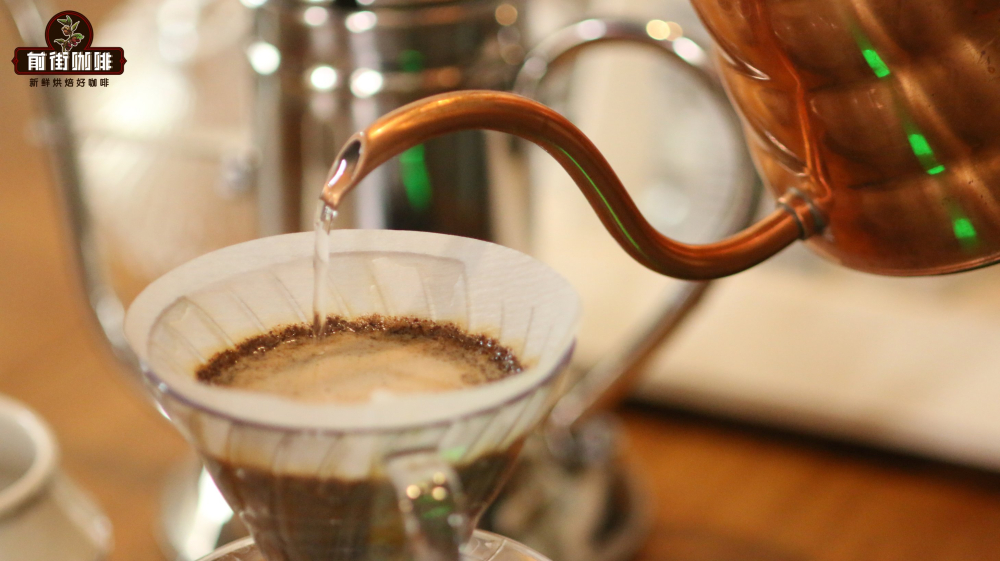
Here is the thing: both ratios get used. For hot pour-over, FrontStreet Coffee works at a 1:15 coffee-to-water ratio. For iced pour-over, it uses a 1:10:5 ratio of coffee to water to ice, which, once the ice has fully melted, still lands at 1:15. FrontStreet Coffee's menu carries close to a hundred different beans, and almost all of them brew well at 1:15. There are exceptions, though, and the most notable one is Panama Geisha.
The Exceptional Panama Geisha
Geisha is prized for its intense floral aroma and sweet-tart character, a world away from the "nutty notes and caramel sweetness" that define most Central American coffees. That makes it a genuine treasure. Its remarkable flavor comes down to where it grows.
Any discussion of Geisha has to begin with Hacienda La Esmeralda. In the early 21st century, the estate set out to improve the quality of its coffee by comparing and recording a range of varieties, and in the process it identified the uniquely flavored Geisha variety. In 2004, the estate entered the Best of Panama (BOP) competition and took the championship that year.
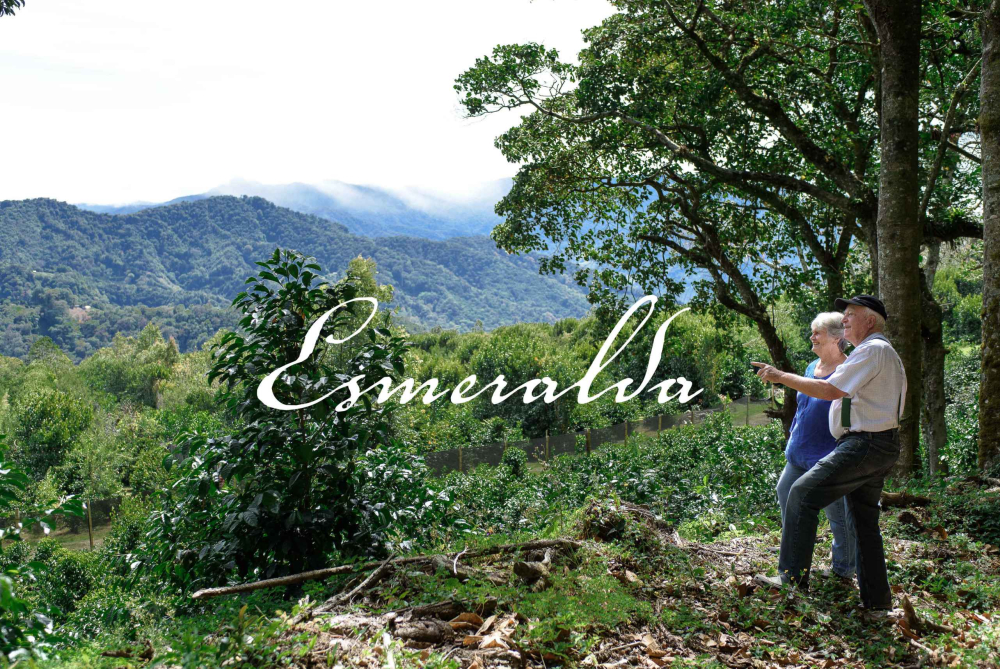
Although the Geisha variety originated in Ethiopia, the owner of Geisha Village Estate went to great lengths to trace it back to its birthplace, eventually establishing Geisha Village Estate near the Geisha forest. Newcomers to specialty coffee sometimes confuse Ethiopian Geisha Village Geisha with Panama Geisha, and even hunt for Panama Geisha flavors in the Ethiopian coffee.
Scientific verification, however, has shown that Panama's Geisha and Ethiopia's Geisha Village variety differ significantly at the genetic level, which means their flavors differ noticeably as well.
To keep Geisha from overshadowing everything else, the BOP competition created separate Geisha and non-Geisha categories. Panama's Hacienda La Esmeralda discovered the Geisha variety and also helped spread its reputation. Panama's Geisha beans are mostly grown near the Baru Volcano, where fertile volcanic soil, year-round mist, and a mild climate with a wide day-night temperature swing create ideal conditions. Most coffee grown there is sweet and tart. In the early days, beans from the Baru Volcano area were exported under the name "Baru Coffee." Hacienda La Esmeralda sits in one corner of Baru Volcano.
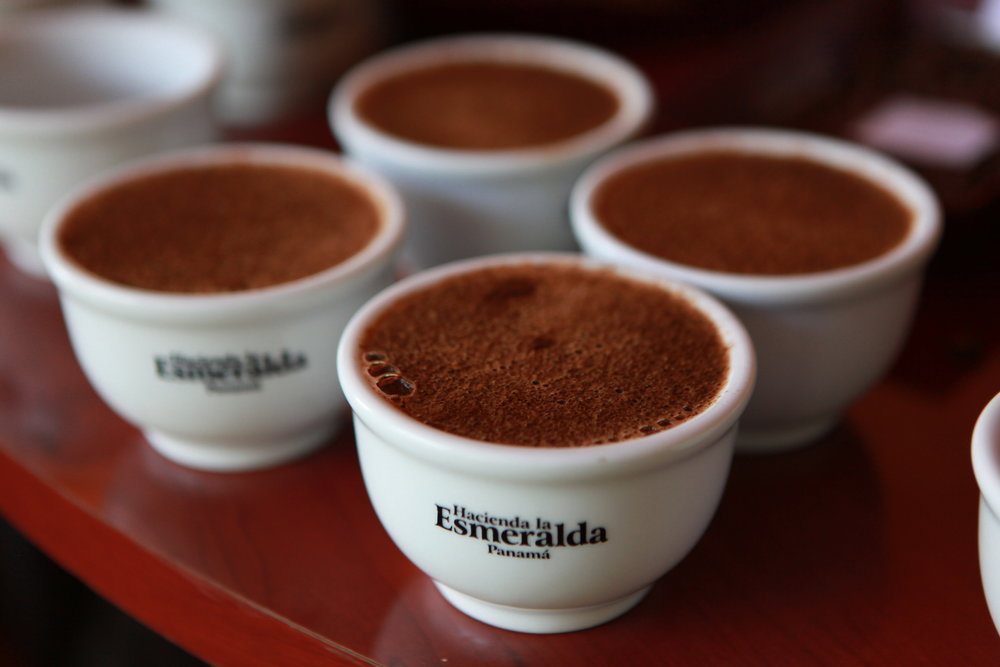
FrontStreet Coffee's Panama Geisha Green Label
Panama's Hacienda La Esmeralda washed Green Label Geisha is grown above 1,600 meters and blended from multiple lots, so it cannot be traced to a single plot. Even without the standing of the Red Label, its quality remains excellent. Some years it tastes remarkably close to the Red Label; other years the flavors run in a different direction.
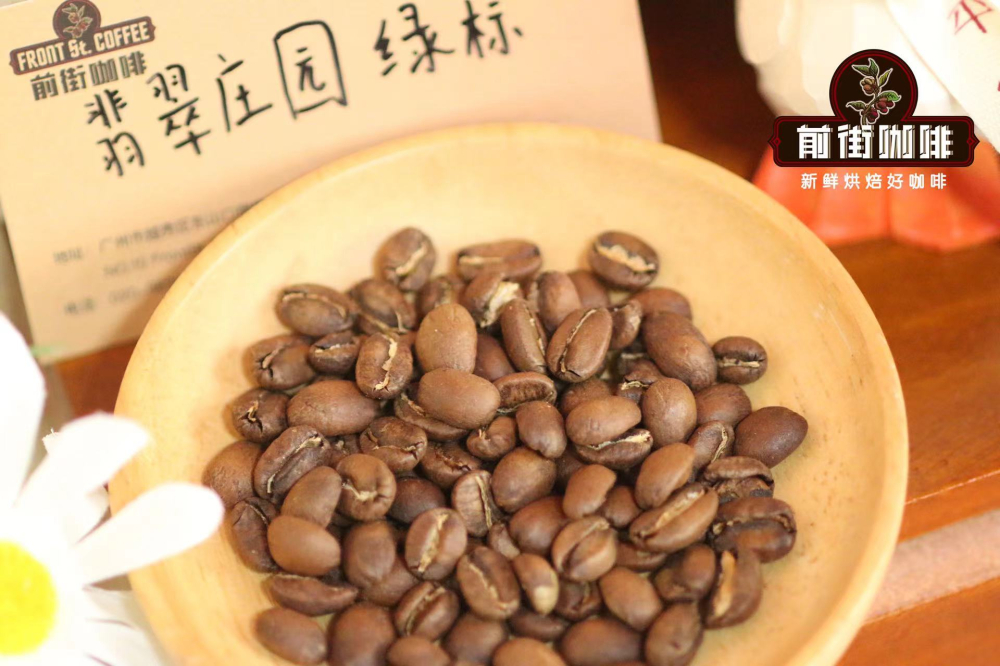
FrontStreet Coffee Panama Hacienda La Esmeralda Green Label Geisha Coffee Beans
Region: Boquete, Panama
Estate: Hacienda La Esmeralda
Altitude: 1,600-1,800 meters
Variety: Geisha
Processing: Washed
FrontStreet Coffee's Hacienda La Esmeralda washed Green Label Geisha stunned its own baristas with a distinctive Tieguanyin-like aftertaste. That finish was so memorable that some customers came back to the FrontStreet Coffee store within an hour to buy a bag, wanting to hold on to that lingering note.
Brewing Panama Geisha: Special Parameters
FrontStreet Coffee brews Panama Geisha with a different set of parameters. During extraction, the acidic, sweet, and bitter compounds people care about are pulled out in three distinct stages over time.
Panama Geisha is known for its intense white floral aroma and sweet-tart, juice-like character. Some brewers pull the dripper before all the water has drained, hoping to capture the early sweet-tart compounds while avoiding as much late-stage bitterness as possible. FrontStreet Coffee's view is that when you use 15 grams of coffee and 225 grams of hot water, removing the dripper early means the final ratio was never really 1:15 in the first place.
You may have come across the phrase "high concentration, low extraction." This style of pouring usually runs a tighter ratio closer to 1:10, but the resulting coffee offers only full-bodied sweet-tart juice, with flavors that concentrate up front and then go hollow in the back half.
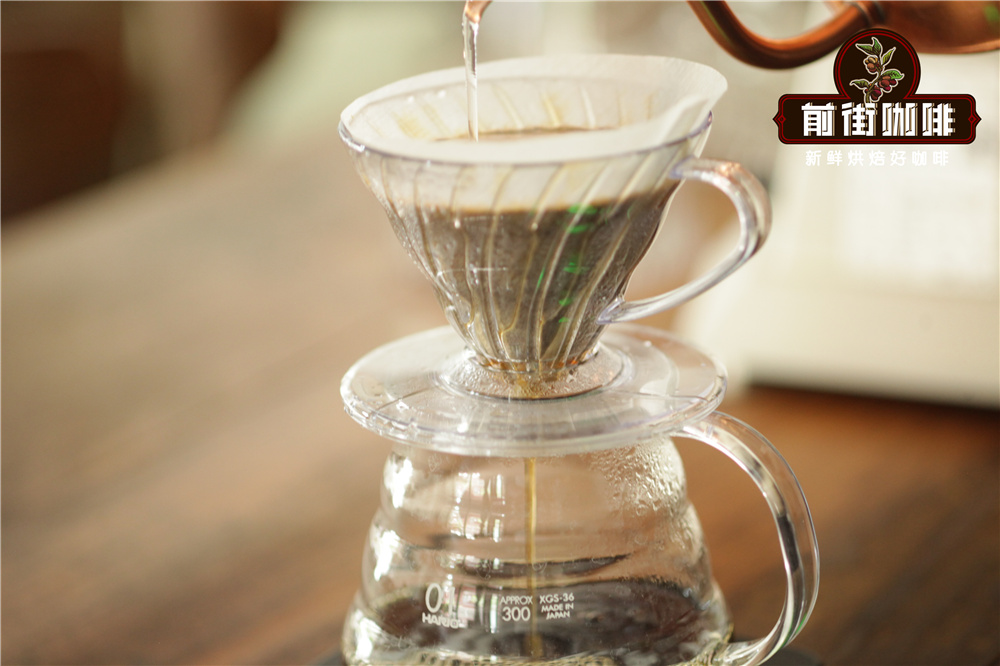
Late-stage extraction matters just as much. It dilutes concentration and adds body. Concentrated flavors can be stretched with bypass water, but the final mouthfeel ends up thin. So once you have settled on your ratio, FrontStreet Coffee suggests letting all the water drip through before you remove the dripper, which is how you capture the complete flavor profile.
Because Panama Geisha beans resist extraction, FrontStreet Coffee typically brews them at a 1:16 coffee-to-water ratio.
Brewing Parameters:
Filter: Hario V60
Water Temperature: 91°C
Coffee Dose: 20 grams
Coffee-to-Water Ratio: 1:16
Grind Size: 80% retention on the China standard #20 sieve
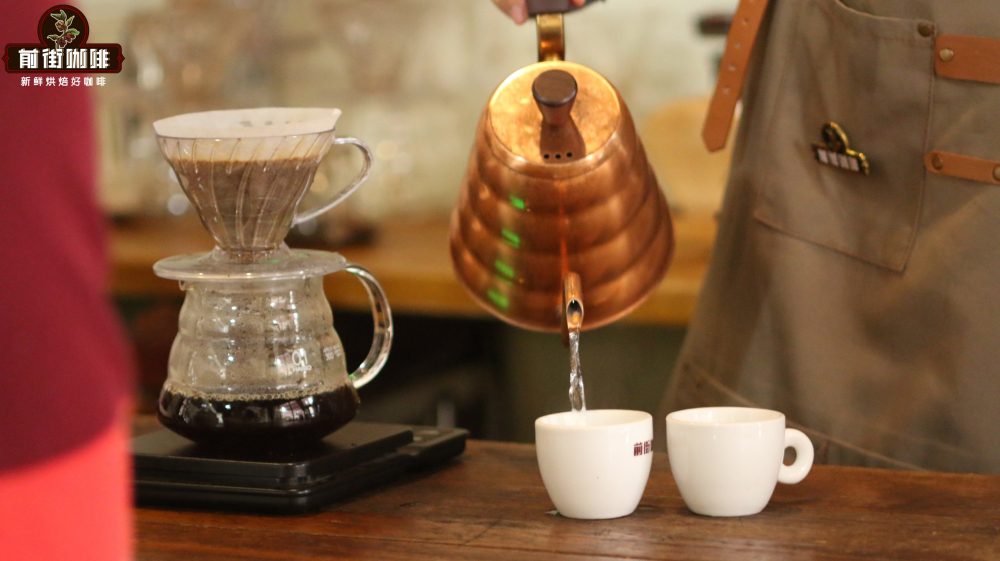
Begin with a 40-gram pour for a 30-second bloom. Then, starting from the center, pour in a thin stream and spiral slowly outward to 200 grams. When the water level drops just to the top of the coffee bed, keep spiraling until you reach 320 grams. Total extraction should take roughly 2 minutes 30 seconds.
Why FrontStreet Coffee Uses Different Ratios
Normally, FrontStreet Coffee recommends brewing at 1:15. When it comes to Panama Geisha, though, it usually goes to 1:16. The reason is that Panama's Geisha beans resist extraction, and at 1:15 the acidic compounds and other flavors become too concentrated. Widen the ratio slightly to 1:16 and the flavors separate more clearly, the floral aromas stand out, and the sweetness in the finish comes forward.
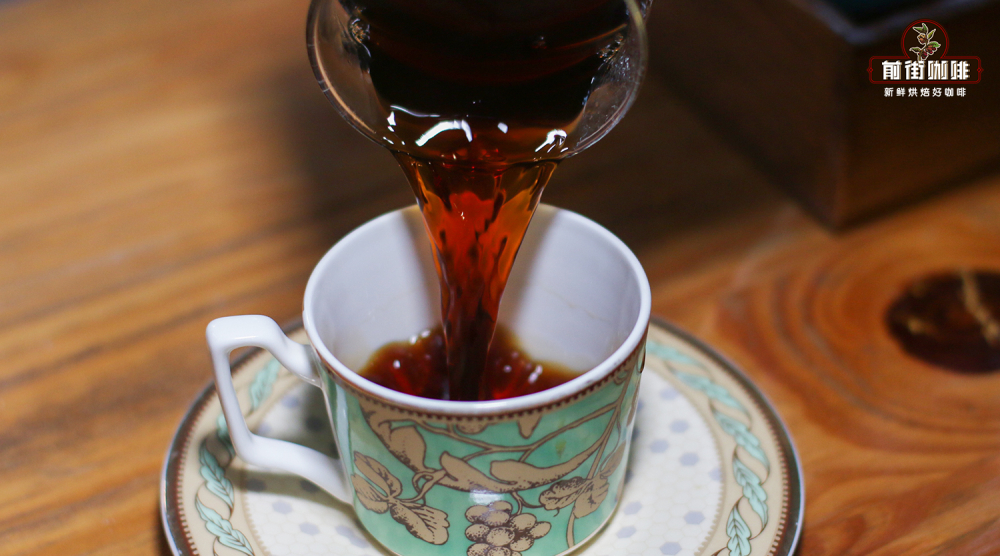
The washed Green Label brewed this way delivers distinct white floral notes in the aroma, citrus acidity in the cup, and a very refreshing mouthfeel. The finish carries that Tieguanyin-like aftertaste; even after a sip of plain water, that unique lingering sweetness is still there.
Brewing the Last 10 Grams
With only 100 grams in a bag and 15 grams per cup, how should you brew the leftover 10 grams? Use the same water temperature, grind size, and ratio. With 10 grams of coffee, a 1:15 ratio means adding 150 grams of hot water; a 1:16 ratio means 160 grams.
FrontStreet Coffee Recommendation
This article leans on the Green Label at a 1:16 ratio, but Geisha comes in several grades, and knowing them helps you choose. FrontStreet's Emerald Estate Red Label Geisha, officially "Esmeralda Special," is grown at 1,600-1,800 meters, scores above 90 points in cupping for every single lot, and is harvested plot by plot, so each batch carries its own number and flavor signature. It is the highest tier of the house's Geisha lineup.
FrontStreet's Emerald Estate Green Label Geisha, originally "Private Collection," blends multiple plots into one lot rather than emphasizing a single terroir. It showcases the estate's signature high-altitude Geisha character at a much friendlier price, and it is the exact style described above - brewed at 1:16 it stays bright, floral, and clean.
Beginners who just want a first taste of the fabled Geisha flavor profile can start with FrontStreet's Boquete Geisha, an entry-level Panama Geisha grown at around 1,600 meters in fertile volcanic ash soil. Or try FrontStreet's Strawberry Candy, a value blend of Costa Rican honey-processed coffee and Panama Geisha that brings delicate florals and sweet fruit to pour-over, Moka pot, espresso machine, and cold brew alike.
Important Notice :
FrontStreet Coffee is a long-established specialty coffee roaster in Guangzhou China, selling freshly roasted beans from its own farm in Yunnan as well as dozens of carefully selected single-origin beans from around the world for both pour-over and espresso. The products deliver consistently excellent quality and great value, with shipping within 24 hours. Guangzhou's FrontStreet Coffee shop is recommended by many coffee lovers, and the beans are now available online at the Tmall 。
FrontStreet Coffee has moved to a new address:
FrontStreet Coffee Address: 315,Donghua East Road,GuangZhou
Tel:020 38364473
 Scan and follow the En Gafei WeChat official account. Please indicate that the reprint comes from "En Gafei".