Coffee Grind Size Chart: Visual Guide to Grind Coarseness Standards - Differences Between Moka Pot and Espresso Bean Grind Sizes, Ratios, and Extraction Times

Coffee flavor is shaped by many factors — coffee-to-water ratio, grind size, water temperature, and more. Among them, grind size is especially critical. There's a saying in the industry: "You can buy a cheaper coffee machine, but never skimp on the grinder." That alone tells you how much grinding affects the final cup.
If the grounds are too coarse, the surface area is small and not enough flavor can be extracted, leaving weak, watery coffee. Too fine, and the surface area balloons, pulling out excessive bitterness and astringency. Choosing the right grind size, then, matters enormously.
Pour-Over Grind Size Standards
So how do you know where to set your grinder for pour-over? FrontStreet Coffee explains, using freshly roasted beans as our reference. Experienced pour-over enthusiasts know that single-origin beans come in two broad camps: light-to-medium roast and medium-to-dark roast.
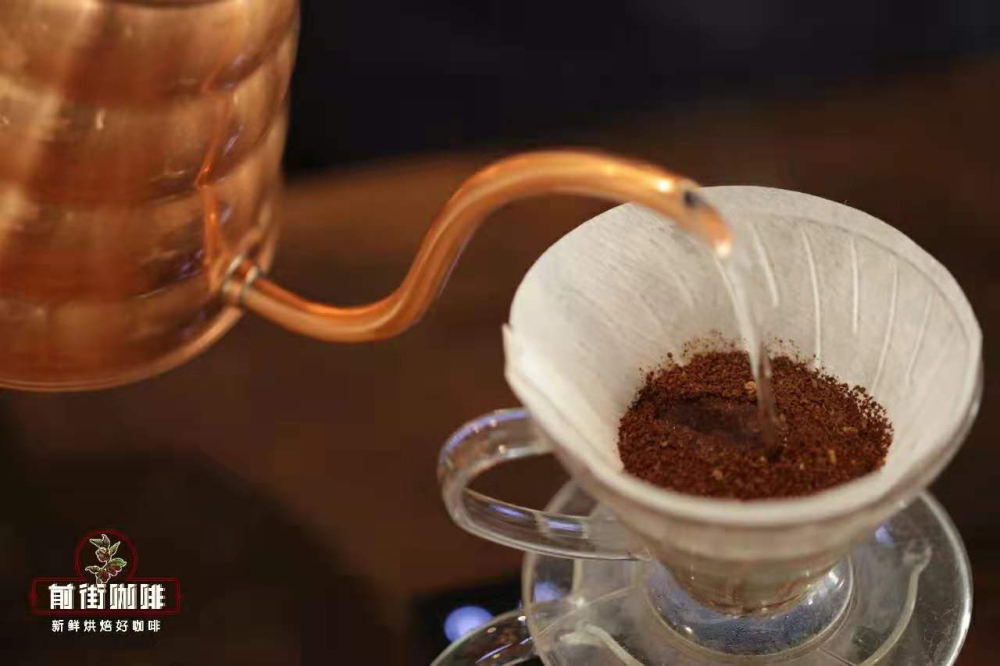
Light-to-medium roasted beans typically show their acidity, while their caramelized compounds are harder to extract. FrontStreet Coffee therefore recommends a medium-fine grind (80% pass rate through a 0.85mm #20 sieve — about the texture of fine granulated sugar). A medium-fine grind slows the flow of water through the coffee bed, giving acidic compounds, sweet compounds, and caramelized substances time to extract for a more balanced cup.
For a medium-fine grind, brew at 90-91°C. Too hot and you over-extract the caramelized compounds, adding bitterness; too cool and you under-extract, catching only some acids and sweets, which leaves the cup flat.
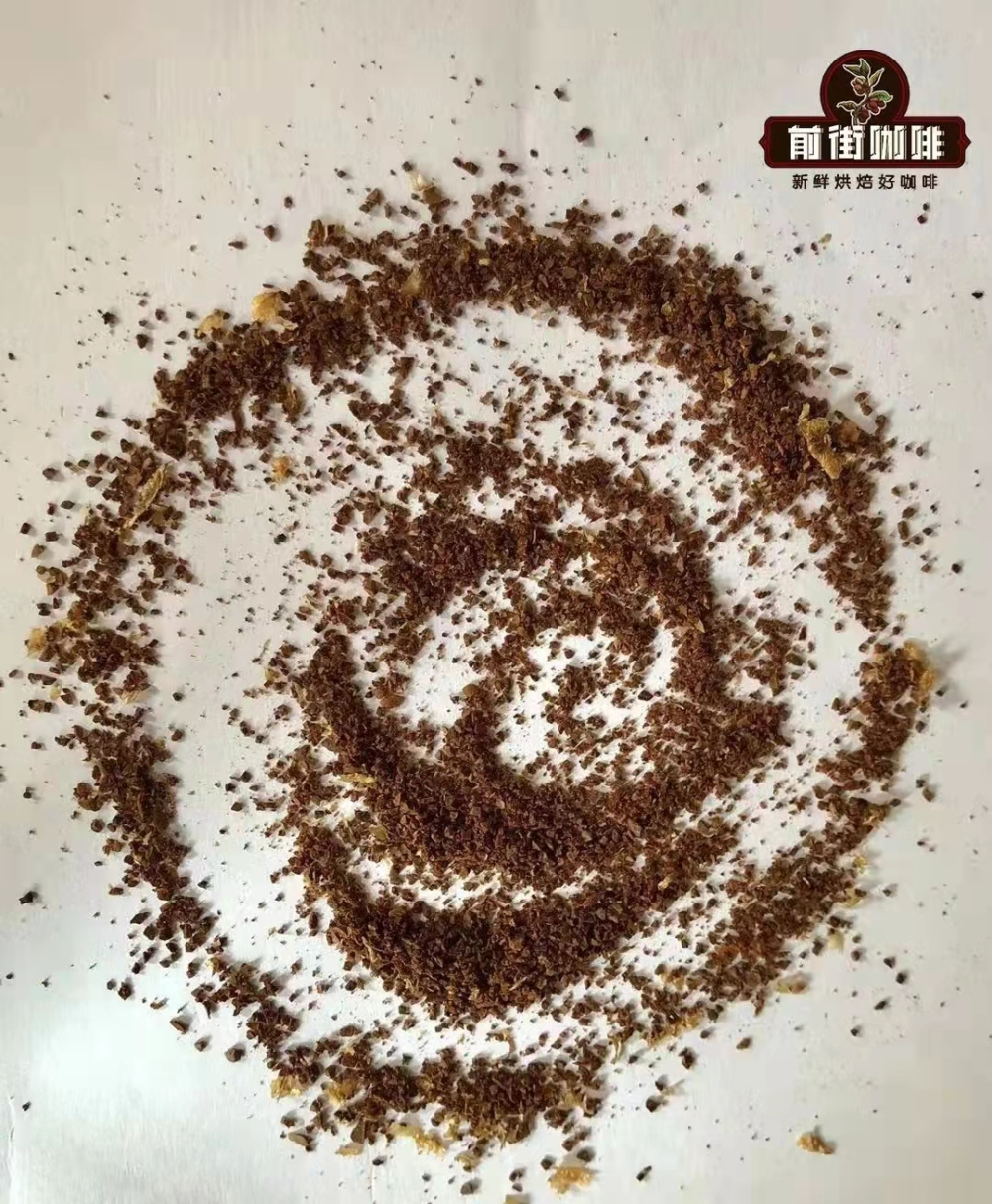
Medium-to-dark roasted beans, by contrast, usually show less acidity and a noticeably thicker body, meaning caramelized compounds are abundant. Here FrontStreet Coffee recommends a medium-coarse grind (70% pass rate through a 0.85mm #20 sieve — about coarse sugar). A medium-coarse grind speeds water through the bed so those caramelized compounds don't over-extract, keeping the flavor sweet and mellow without unpleasant bitterness.
For a medium-coarse grind, brew at 88-89°C. Too hot and the coffee turns bitter and harsh; too cool and it tastes thin and uninteresting.
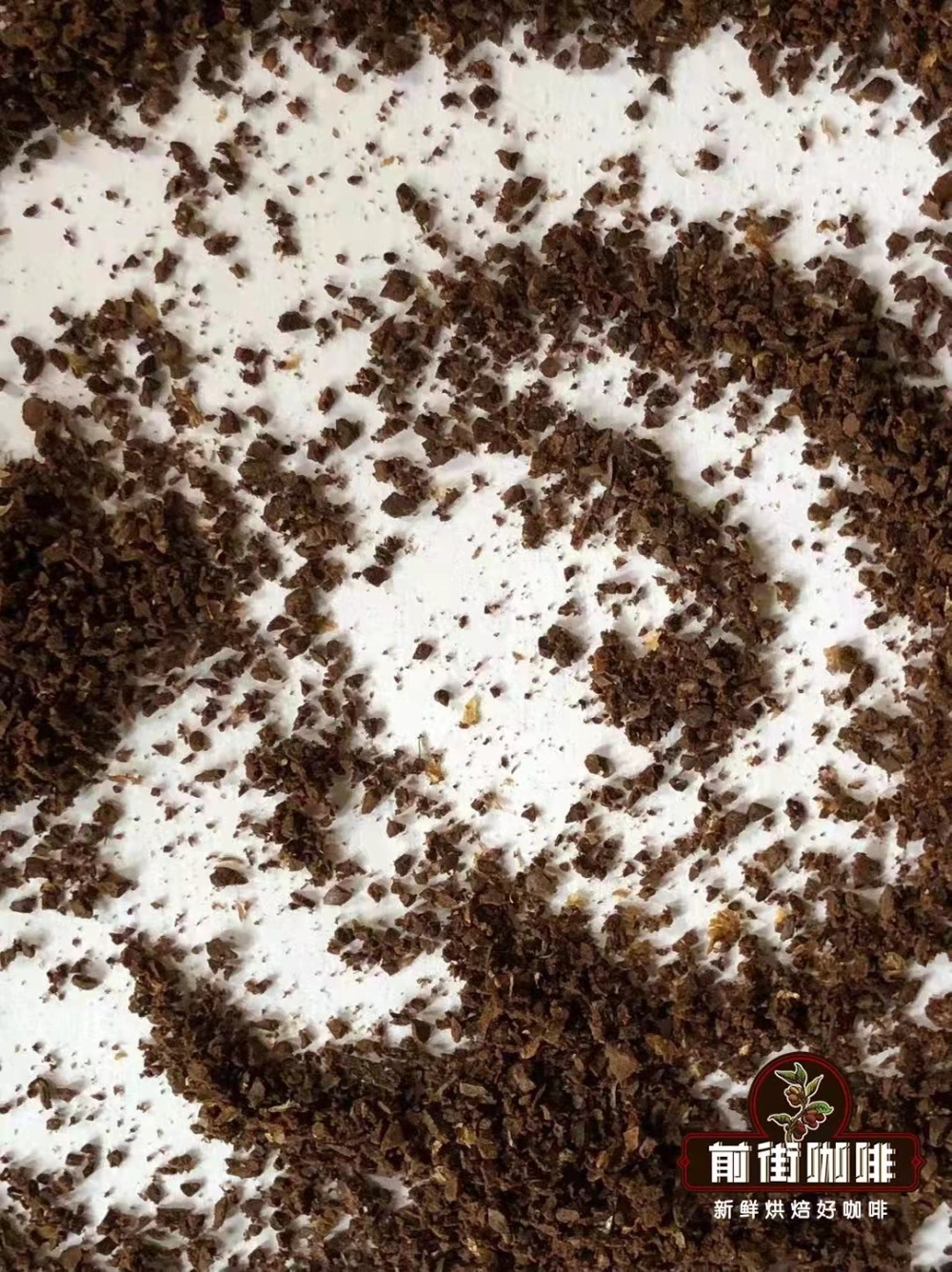
These pour-over grind standards come out of FrontStreet Coffee's extensive practice and testing. But how exactly do you sieve your grounds at home? FrontStreet Coffee walks you through it.
How to Use a 0.85mm #20 Sieve
FrontStreet Coffee sets grind size by sieving, based on the Specialty Coffee Association (SCA) grind recommendations for pour-over coffee, verified through our own practical testing. If you don't own a sieve, watch the flow rate instead: water rushing through too fast means the grind is too coarse; crawling too slowly means it's too fine.
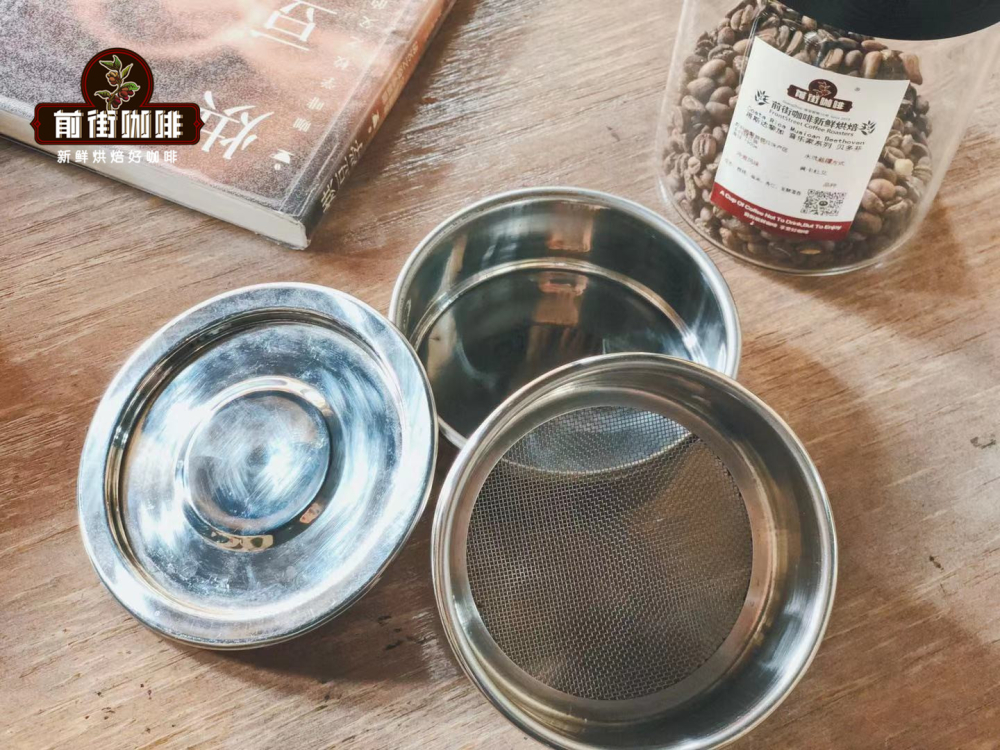
Start by grinding 10g of beans, setting the burrs roughly by reference to fine and coarse sugar textures. Pour the grounds into the sieve, cover it, and shake side to side so the grounds fall through into the tray below, continuing until nothing more passes through. Then weigh the collected grounds on a tared scale. If you collected 8g, that's a medium-fine grind; 7g means medium-coarse. Pass rate too high? Grind coarser. Too low? Grind finer.
Grind Pass Rates by Brewing Method:
Cold drip > pour-over and siphon 80% > American drip 75-80% > cupping 70-75% > French press 65-70%
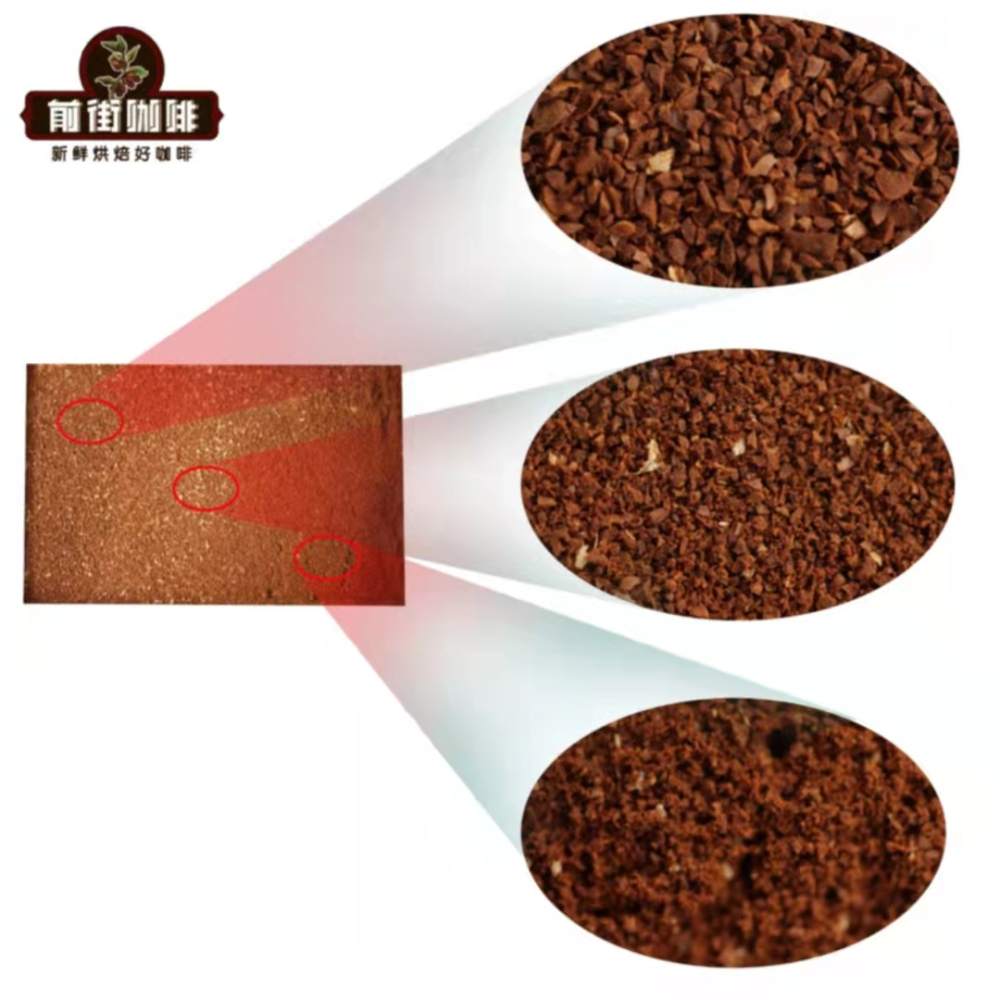
How Fine Should Espresso Be Ground?
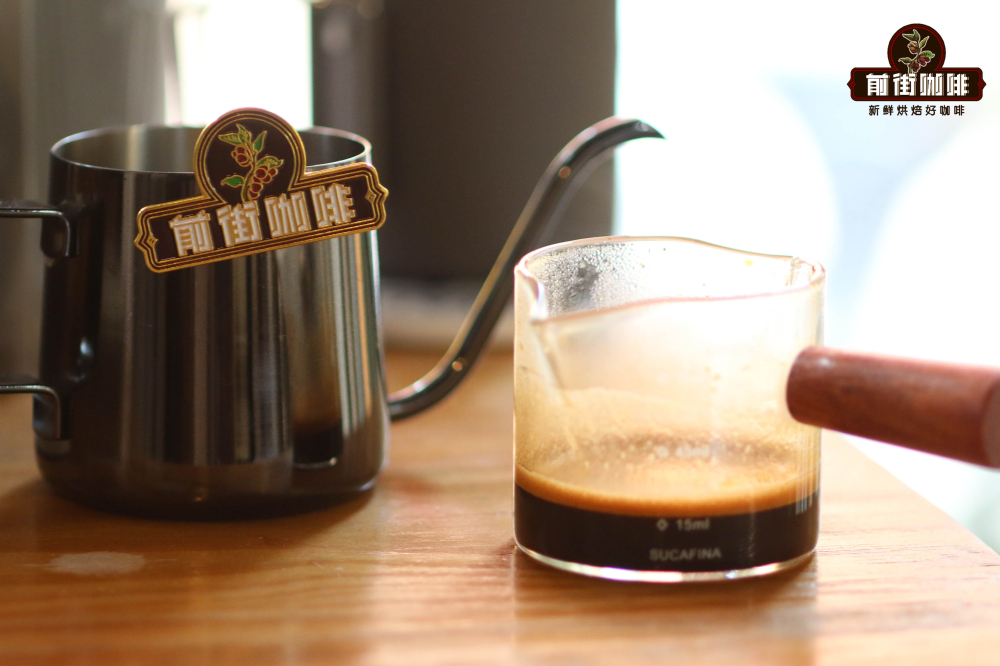
Espresso drinks are built on a base of espresso. Espresso extraction happens fast under 9 bar of pressure, and the shot usually finishes in under half a minute. That's why espresso must be ground far finer than pour-over coffee — to extract enough flavor in so little time.

Every grinder scales differently. Take FrontStreet Coffee's Fiorenzato 900N: our average grind setting sits between 1.8 and 2.0, though it's never fixed. Baristas calibrate daily before opening, adjusting extraction parameters — grind included — according to how the espresso beans have aged, the day's weather, and the taste in the cup.
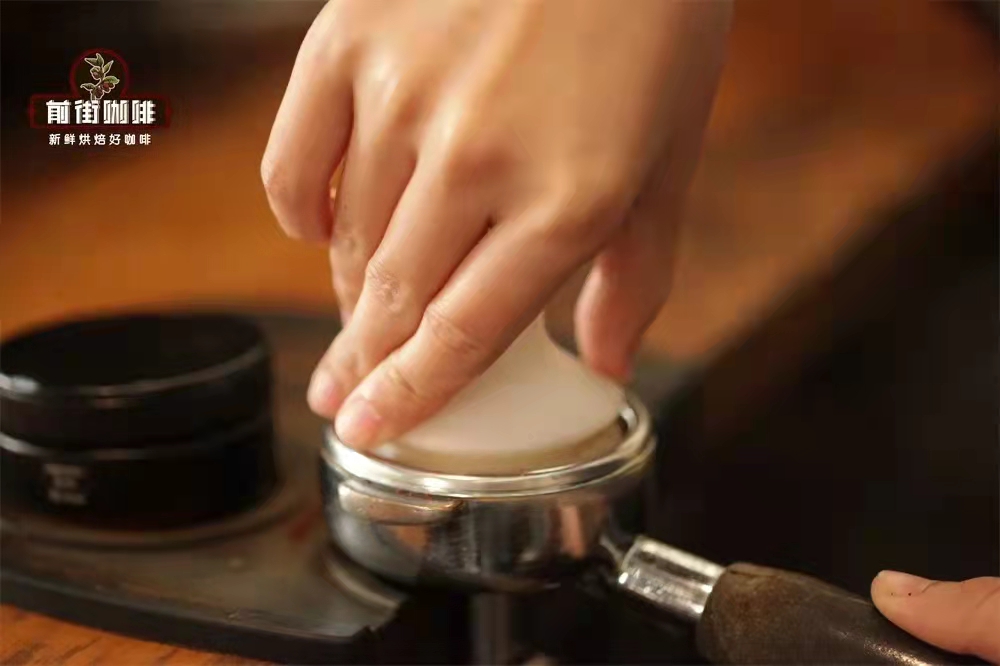
For example, a typical FrontStreet Coffee recipe: 20g of grounds at grind setting 1.8, extracting 40g of espresso in 27-28 seconds. The 1:2 ratio preserves the coffee's fuller flavor, while this flow rate highlights the dark chocolate and aromatics of our Sunflower Warm Sun espresso blend.
Moka Pot Grind Size
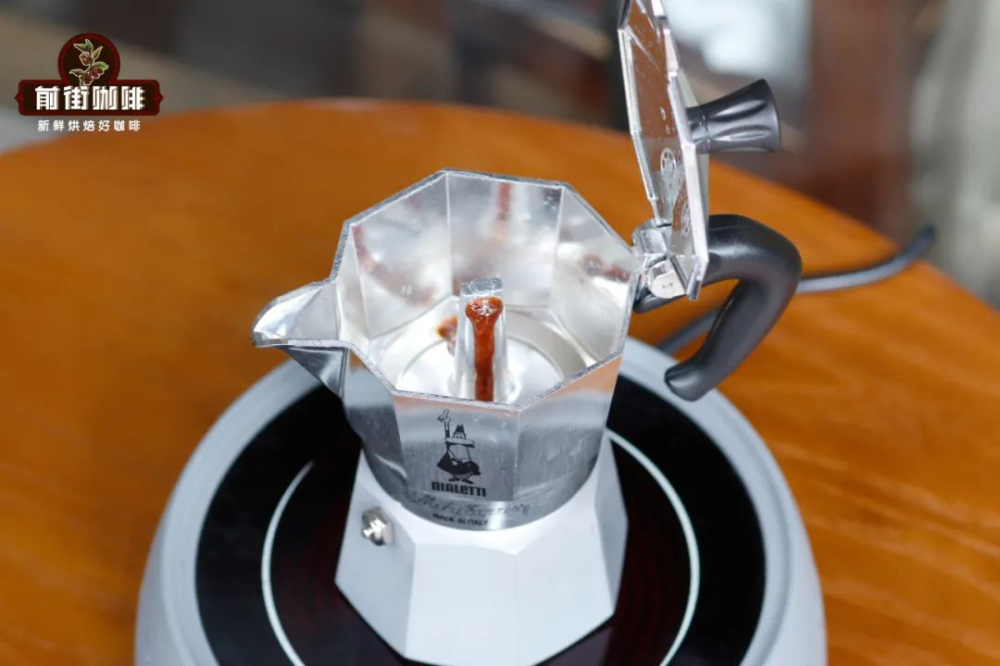
The moka pot belongs to the espresso family but is positioned as a home appliance. It generates 1.5-3 bar of pressure, and used properly it can even produce crema.
Many people worry about moka pot grind size. It should be slightly coarser than espresso-machine grind, with particle diameters around 0.3-0.55mm. You can dial this in two ways: buy a particle size gauge or reference moka-specific ground coffee; or simply experiment — it usually takes only 3-5 tries. If the grind is too coarse, the coffee will spray up violently, almost like a fountain; if too fine, you'll hear the bubbling of boiling water but no coffee will come up — turn off the heat immediately if that happens. And take proper safety precautions while testing.
What Coffee Beans Are Best for a Moka Pot?
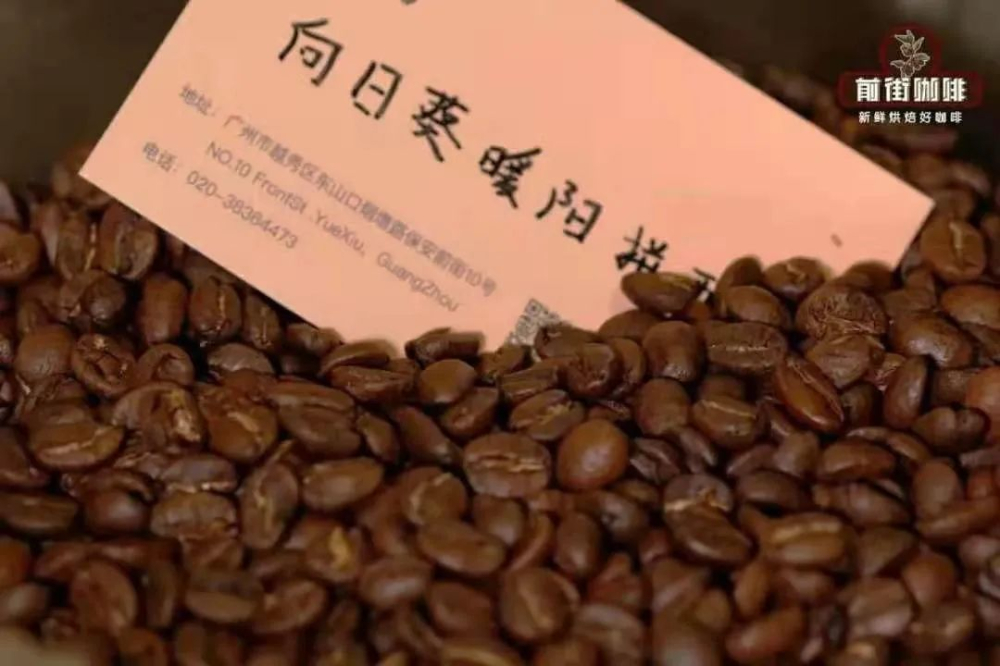
Beans for the moka pot should generally be medium-to-dark roasted. FrontStreet Coffee suggests starting with an espresso blend such as our specialty espresso blend, built on Brazilian and Colombian beans for clean, balanced nutty-chocolate flavors that suit both espresso machines and moka pots. For something more distinctive, try our Sunflower Warm Sun blend, which combines our Yirgacheffe Natural Red Cherry with Honduras Sherry beans, highlighting caramel, vanilla chocolate, and sherry wine notes.
FrontStreet Coffee Recommendation
For moka pot brewing, blends are the safest starting point. FrontStreet Coffee's Classic Blend was designed specifically for espresso and moka pots — its standout strength is crema. Even a beginner on a basic home machine can pull dense, silky crema with it, which is exactly what lattes, cappuccinos, and Dirty drinks depend on. It follows the traditional Mamba (Mandheling-Brazil) formula, mellow and warm, easy for both veterans and newcomers to love. Our Signature Blend, used in FrontStreet Coffee's own shops for nearly a decade, pairs Brazilian Cerrado with Colombian Huilan for that familiar, classic espresso character.
If you prefer single origins, FrontStreet Coffee's PWN Indonesian Golden Mandheling is a natural fit: deep roasted, very low acidity, thick and long on the palate, with herbal and dark chocolate notes and a faint earthiness. FrontStreet Coffee's Brazil Fazenda Rainha (Queen Estate) is equally versatile — low acidity, balanced, with rich nut and cocoa aromas and clear caramel sweetness, smooth in pour-over, espresso, or moka pot alike.
Craving something fruit-forward instead? FrontStreet Coffee's Strawberry Sugar espresso blend re-creates the bright sweetness of strawberry gummy candy from the native flavors of different Arabica origins — a fun, forgiving choice for home brewing or for cafés looking to serve a distinctive milk drink.
Important Notice :
FrontStreet Coffee is a long-established specialty coffee roaster in Guangzhou China, selling freshly roasted beans from its own farm in Yunnan as well as dozens of carefully selected single-origin beans from around the world for both pour-over and espresso. The products deliver consistently excellent quality and great value, with shipping within 24 hours. Guangzhou's FrontStreet Coffee shop is recommended by many coffee lovers, and the beans are now available online at the Tmall 。
FrontStreet Coffee has moved to a new address:
FrontStreet Coffee Address: 315,Donghua East Road,GuangZhou
Tel:020 38364473
 Scan and follow the En Gafei WeChat official account. Please indicate that the reprint comes from "En Gafei".