The Story of Finca Santa Teresa Estate: Panama's Santa Clara Coffee Region
Professional coffee knowledge exchange and more coffee bean information, please follow Coffee Workshop (WeChat public account: cafe_style)
Another Panama share from FrontStreet Coffee—and no, you don't have to fixate on Geisha. FrontStreet's searches in Panama have never been about Geisha alone: with so many farms and fine coffees still waiting to be discovered, finding beans with genuinely novel flavors is the real point. Today's find is a Caturra from one of Panama's most decorated estates, Finca Santa Teresa. The estate is famous and its trophy cabinet is full, so quality was never in question—the question was what makes this bean special. Keep reading and you'll see.
Estate Introduction
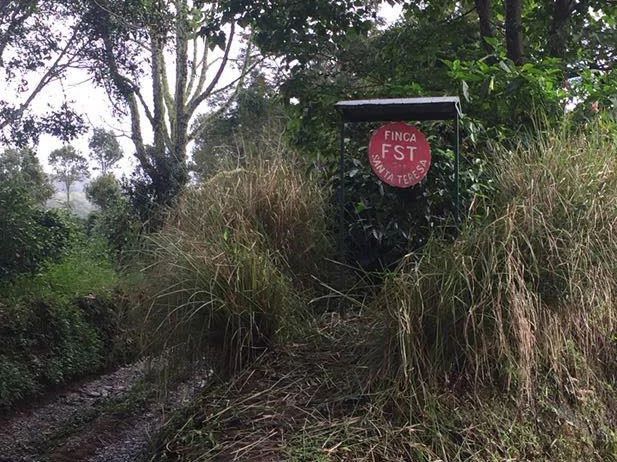
Finca Santa Teresa sits in the Santa Clara region, on the border between Panama and Costa Rica. Owner Juan Pablo Berard and his daughter Maria Luisia jointly manage this 100-hectare coffee farm, keeping 25 hectares as primary forest for wildlife habitat. The varieties planted include Caturra, Catuai, and Geisha. Beyond its long list of awards, the estate is passionate about education: it has joined the non-profit organization Casa Esperanza, which provides two teachers, while Juan Pablo built the school facilities and supplies books and meals in support of local education. The planted area is modest, but the estate has its own processing plant capable of handling everything from cherry to bag. Most employees come from the border area and are well looked after by the owner.
FST sits at high altitude in rich black volcanic soil, nourished by weather patterns off both the Pacific and the Atlantic—a combination that makes outstanding coffee possible. Spread across valleys and ridges, the estate hosts a patchwork of microclimates that give each specialty micro-lot its own character. Cultivation and processing are environmentally friendly: all production waste is recycled as fertilizer or fuel. The estate also provides free meals, medical care, housing, transportation, utilities, and education for every employee, and there is a school on the farm for workers' children, so farmers can devote themselves to the coffee trees without worrying about their families.
Finca Santa Teresa's award record:
2005 Best of Panama: Fourth place
2007 Best of Panama: Sixth place
2011 Best of Panama: Third place
2012: Used by the World Pour Over Coffee Champion (FST Geisha)
2012 Best of Panama: Fourth place (Geisha)
2013 Best of Panama:
Third place (Geisha Natural)
Fourth place (Geisha Honey)
Sixth place (Geisha Lavado)
Processing Method Introduction
Natural processing is exactly what the English name suggests: coffee cherries dried whole in the sun, pulp and skin intact. Simple as it sounds, it is anything but easy. Commercial natural processing often means spreading the cherries on plastic sheets laid on the ground, where heat transfer from below and air circulation around the cherries are both unstable. Without frequent stirring, temperatures can spike or fermentation turn uneven—picture beautifully dried cherries on top while the ones beneath quietly pick up strange flavors. The ground also harbors harmful bacteria and contaminants that can taint the cup, which is why traditional naturals so often carried off notes—and why, for years, top-quality beans were never processed naturally and never fetched high prices. Natural processing has improved dramatically in recent years, though: most producers now use African raised beds, which block ground moisture and soil contamination while boosting airflow, and temperature is strictly managed to prevent over-fermentation in the heat. The whole process usually takes more than 20 days, letting bacteria and pulp ferment gradually for sweeter flavors and rich tropical fruit notes.
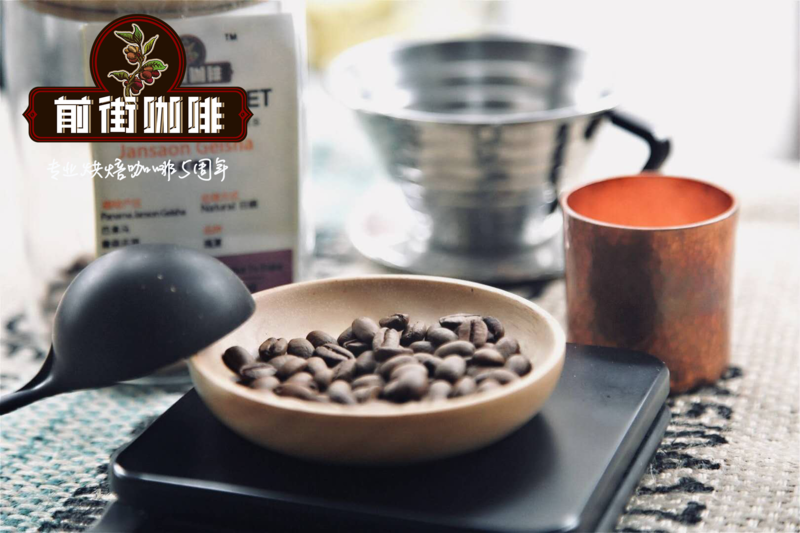
FrontStreet Coffee Green Bean Analysis
Caturra is a single-gene mutation of Bourbon, discovered in Brazil in 1937. Both yield and disease resistance beat Bourbon, and the shorter plant makes picking easier. Its flaw, inherited from Bourbon, is biennial bearing—boom years alternating with bust. In the cup it matches or slightly trails Bourbon, and its great strength is adaptability: it needs no shade trees and thrives in full sun, earning the nickname "Sun Coffee." It tolerates dense planting, though that demands more fertilizer and raises costs, so farmers were slow to adopt it at first. Caturra grows happily anywhere from 700 meters to 1,700 meters, but the higher it goes, the better the flavor and the lower the yield—the destiny of specialty beans. Some academics call it an intensive, sun-exposed Bourbon, which is quite apt.
FrontStreet Coffee Roasting Analysis — Yangjia 600g Semi-Direct Flame Roaster
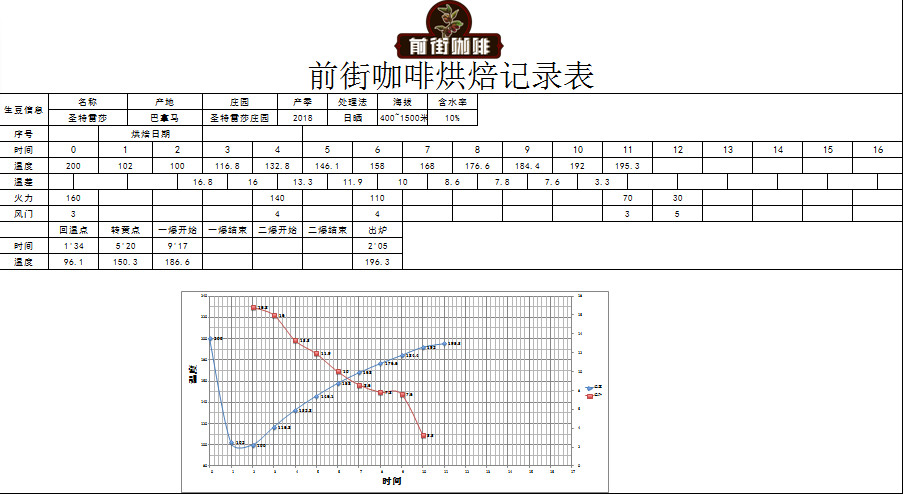
These beans are medium density, and a medium roast shows their character best.
Using a fast-roasting approach, charge the drum at 200°C with the air damper at 3. After 1 minute, cut the heat to 160°C, damper unchanged. At 5'20", the probe reads 150.3°C, the bean surface turns yellow, the grassy aroma has fully faded, and dehydration is complete. Cut to 140°C and open the damper to 4. At 168°C—the Maillard reaction point—drop the heat to 110 to develop flavor. At 196.3°C, reduce again to 80 and ride into first crack on medium heat.
At 8'20", wrinkles and dark spots appear on the bean surface and the toast aroma clearly shifts into coffee aroma—the prelude to first crack. Listen carefully now. At 9'17" first crack begins: open the damper fully and cut the heat from 186.6°C to 70, roasting on to 196.3°C before dropping. Development time is 2'05".
FrontStreet Coffee Cupping Records
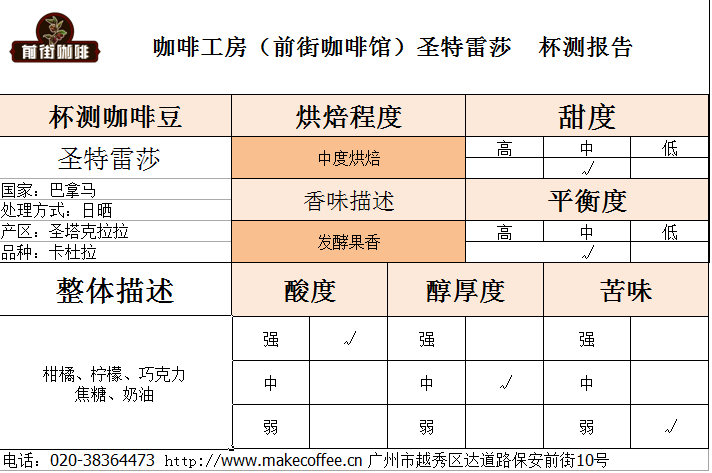
FrontStreet Coffee Panama Finca Santa Teresa Caturra
Panama Finca Santa Teresa
Region: Santa Clara District
Variety: Caturra
Estate: Finca Santa Teresa
Altitude: 1,400–1,500 meters
Processing: Natural
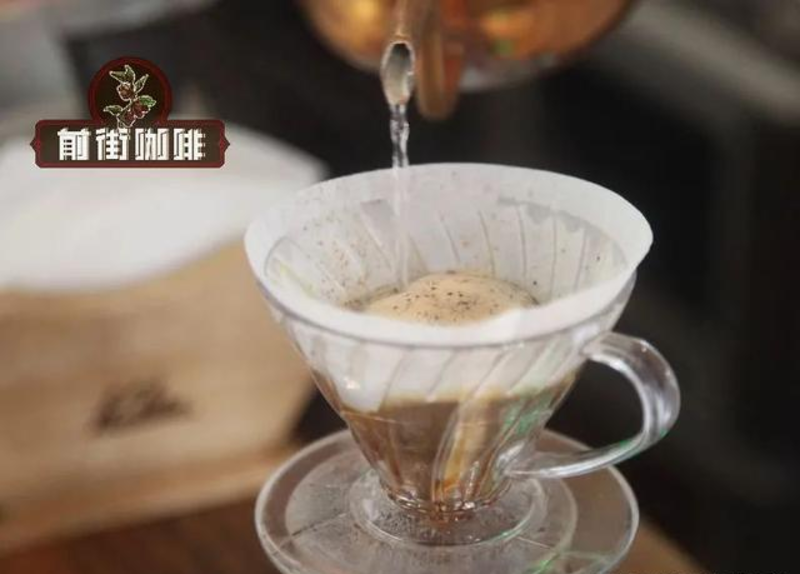
FrontStreet Coffee Brewing Analysis
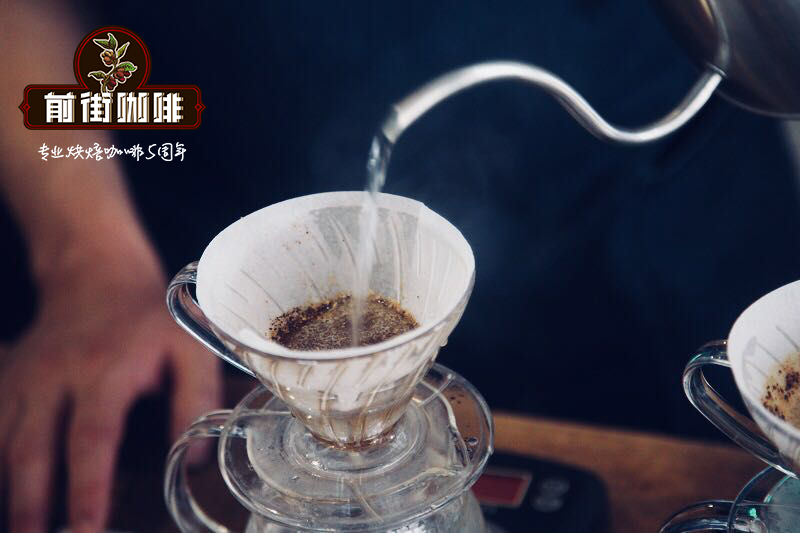
Recommended brewing: pour-over with a V60 dripper, 15g of coffee, water at 89°C, Fuji grinder setting 3.5, water-to-coffee ratio close to 1:15. Bloom with 30g of water for 30 seconds. Then pour to 130g, pause until the water level drops by a third, and pour again to 230g.
FrontStreet Coffee Flavor Description
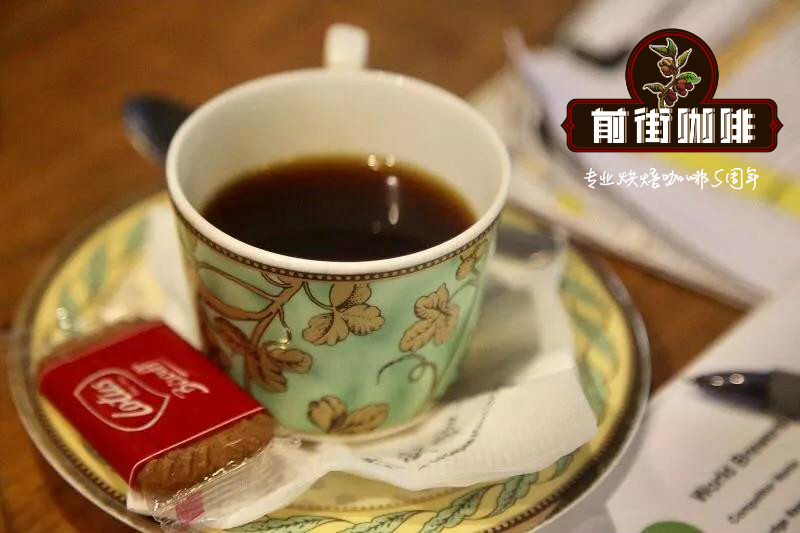
The entrance brings citrus and lemon acidity, with honeydew melon and nut flavors in the middle, finishing on a touch of caramel sweetness.
FrontStreet Coffee Recommendation
If this natural Caturra wins you over, FST's Geisha lots are the estate's crown jewels—and Panama is where Geisha wrote its legend. In 2003 the owner of the Esmeralda estate sent his Geisha to the Best of Panama competition, where an average cupping score of 94.6 broke the BOP record and turned Geisha into the world's most coveted bean overnight. Its signature is a distinct orange-blossom honeyed sweetness—fragrant florals wrapped around juicy fruit acidity with a tea-like finish. FrontStreet offers Esmeralda's two top tiers: the Red label, officially "Esmeralda Special," grown at 1,600–1,800 meters with every batch cupping above 90 points and sourced entirely from one small plot, so buyers can choose the micro-lot that matches their palate; and the Green label, "Private Collection," a blend of lots expressing the estate's classic high-altitude Geisha character at a more accessible price. For a first, affordable taste of classic Panama Geisha, FrontStreet's Boquete Geisha delivers the orange-honey aroma, oolong-tea feel, delicate fruit acidity, and distinct layering of high-quality Panama Geisha without the flagship price tag.
Important Notice :
FrontStreet Coffee is a long-established specialty coffee roaster in Guangzhou China, selling freshly roasted beans from its own farm in Yunnan as well as dozens of carefully selected single-origin beans from around the world for both pour-over and espresso. The products deliver consistently excellent quality and great value, with shipping within 24 hours. Guangzhou's FrontStreet Coffee shop is recommended by many coffee lovers, and the beans are now available online at the Tmall 。
FrontStreet Coffee has moved to a new address:
FrontStreet Coffee Address: 315,Donghua East Road,GuangZhou
Tel:020 38364473
 Scan and follow the En Gafei WeChat official account. Please indicate that the reprint comes from "En Gafei".