Introduction to Mormora Farm (Devil's Farm) in Guji, Sidamo - Sidamo Coffee Flavor Profile

For professional coffee knowledge exchange and more coffee bean information, please follow Coffee Workshop (WeChat public account: cafe_style).
The Guji Region of Ethiopia
Ethiopia's Guji zone in the south borders the Sidamo and Gedeo regions. The terrain is varied, with towering mountains, highlands, plateaus, valleys, and plains. Geologically, the area consists of nutrient-rich, well-drained volcanic soil reaching nearly two meters deep, with topsoil that appears dark brown or brown. Its greatest advantage is soil fertility, maintained through the natural recycling of organic matter, with fallen leaves and decaying material from surrounding forests and residual plant roots serving as natural fertilizer.
Ethiopia's Eight Major Coffee Growing Regions
Ethiopia's coffee comes primarily from eight major regions: Ekempti, Limu, Illubabor, Djimma, Harrar, Teppi/Bebeka, Sidamo, and Yirgacheffe.
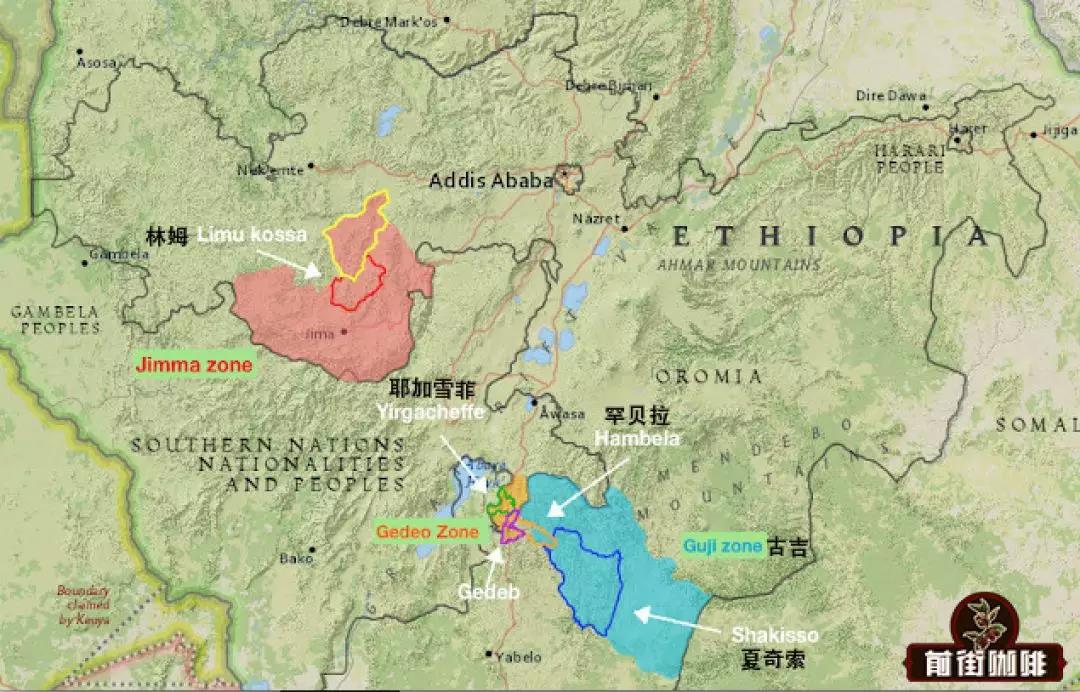
Ethiopian coffee is highly regarded in Taiwan, where drinkers hold particular interest in and affection for the three better-known regions: Harrar, Sidamo, and Yirgacheffe.
The Sidamo Region
The Sidamo production area lies in southern Ethiopia. Agriculture dominates the local economy, and the coffee-growing areas sit around the Great Rift Valley. The largest town in Sidamo province is Hawassa, an important coffee export and distribution center. Sidamo's coffee flavors are extremely diverse, thanks to different soil compositions, regional microclimates, and countless native coffee varieties, which give the coffee from each town and area its own distinct character.
Shakisso: A Unique Growing Area
Shakisso, in the Guji zone of the Oromia region in the south, borders Sidamo and Gedeo. The area has many pits originally dug for gold mining, so the coffee-growing land is full of holes, making it risky to walk between planting areas. Shakisso is a unique growing area within Guji/Sidamo; even inside Sidamo it is remote, far from most coffee production zones, with gold mining as another famous local product. Miners, land, and ethnicity also made the region unstable in 2006. The biggest problem the area faces today is the need for manpower to maintain the growing areas and harvest the coffee. Local smallholders began growing organic coffee here in 2001 and work closely with medium-sized coffee producers because they know how to grow forest coffee in highland areas.
Mormora Farm (Devil's Farm) on the Guji Plateau
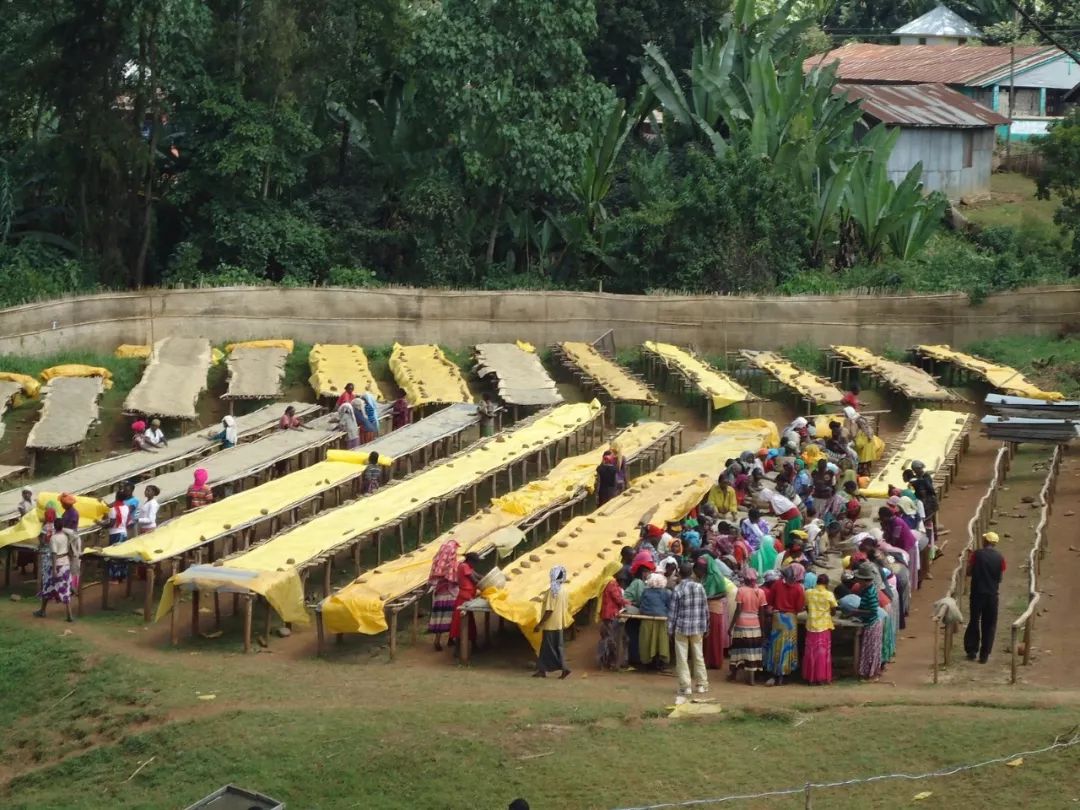
Mormora Farm, also known as Devil's Farm, on the Guji Plateau was established in 2012 by nearby families and local smallholders. Located at 2,000-2,300 meters, they practice organic agriculture on the Guji Plateau. They add new planting areas each year, and all varieties come from nearby local traditional varieties they call "mother trees." The Guji highlands currently produce only natural-process coffee, with plans to build a washed processing station in the future.
FrontStreet Coffee's Suggested Brewing Parameters
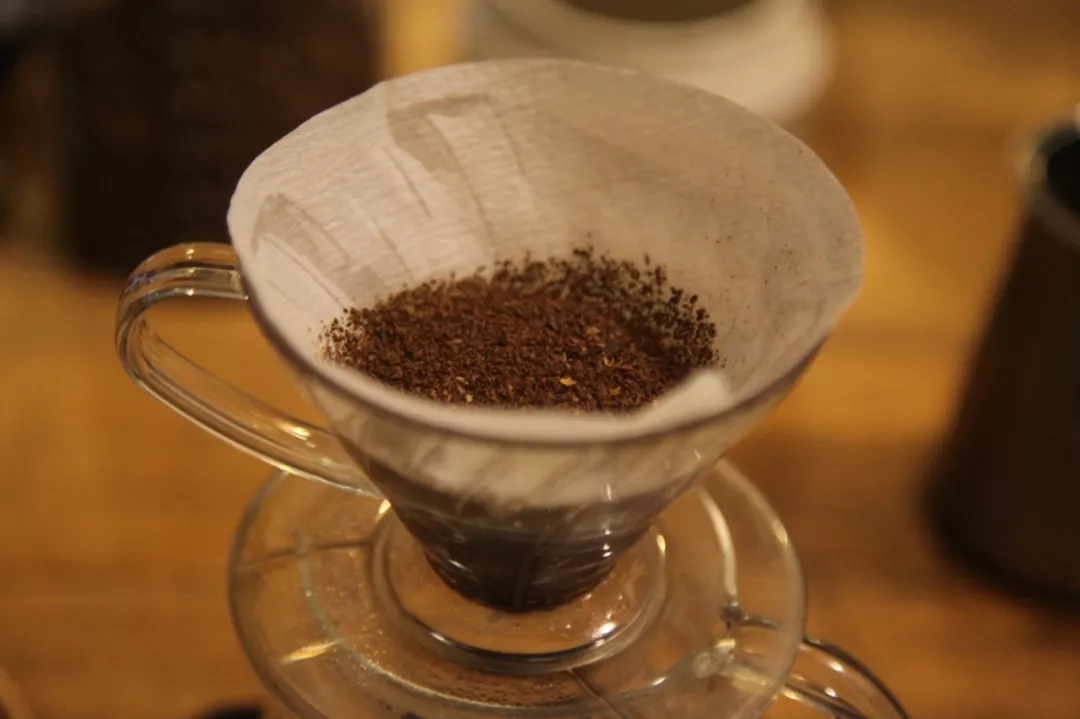
Pour-over: V60 dripper, Fuji R440 grinder setting 3.5, water temperature around 90°C
French Press: Recommended grinder setting 4, water temperature 90°C
Siphon: Recommended grinder setting 4, water temperature 90°C-91°C
AeroPress: Recommended grinder setting 3.5, water temperature 90°C
FrontStreet Coffee Recommendation
To taste Ethiopia's classic profile in the simplest way, FrontStreet Coffee's washed Yirgacheffe daily drinker is a good starting point. It is known for white jasmine, bright citrus and lemon acidity, and a tea-like body, and its accessible price has made it the first specialty bean for plenty of newcomers.
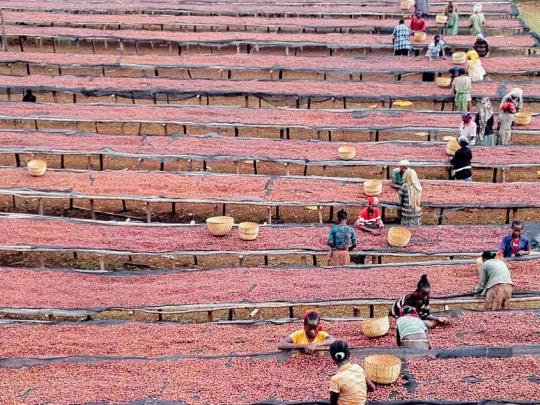
For a natural-process bean that echoes Guji's fruit-forward style, FrontStreet Coffee's Natural Red Cherry uses whole ripe cherries, which are screened on arrival at the mill and then dried on raised beds, turned every two to three hours over the first days to avoid uneven drying and over-fermentation. After three to five weeks the fruit is hulled. Because the cherry dries around the bean, the cup keeps the classic Yirgacheffe character while adding the tropical fruit of sun-drying: citrus acidity, juicy berry, honeyed sweetness, and a creamy smoothness.
If you brew at home, FrontStreet Coffee suggests a V60, a 1:15 ratio, and water at 90-91°C. Start with a 30g bloom for 30 seconds, pour in stages to 125g and then 225g, and aim to finish the drawdown in about 2:00-2:10 for a clean, layered cup.
Important Notice :
FrontStreet Coffee is a long-established specialty coffee roaster in Guangzhou China, selling freshly roasted beans from its own farm in Yunnan as well as dozens of carefully selected single-origin beans from around the world for both pour-over and espresso. The products deliver consistently excellent quality and great value, with shipping within 24 hours. Guangzhou's FrontStreet Coffee shop is recommended by many coffee lovers, and the beans are now available online at the Tmall 。
FrontStreet Coffee has moved to a new address:
FrontStreet Coffee Address: 315,Donghua East Road,GuangZhou
Tel:020 38364473
 Scan and follow the En Gafei WeChat official account. Please indicate that the reprint comes from "En Gafei".