Introduction to Panama Beso de Angel - Panama Coffee Flavor Profile
Professional coffee knowledge exchange. For more coffee bean information, follow our coffee community.
Panama Coffee Origins and Production
Panama's formal coffee production began in the early twentieth century, in the valleys and mountains of the country's far west. The majority consists of mild-flavored Arabica beans — production is 82% Arabica and 18% Robusta. The Chiriqui Plateau, cultivated at 2,300-3,500 feet (700-1,070 meters), is recognized as the source of Panama's highest-quality Arabica. The most celebrated specialty coffees come from the Boquete and Volcan regions, which have earned top ratings in international markets and repeatedly set price records.
Unique Growing Conditions
Coffee from this region is known for its rich flavor, enchanting aroma, fruity notes, and gentle acidity. Nearly all the coffee trees here grow under shade canopy, and the finest sun-drying is done on raised racks — the traditional way of preparing green beans. Farms in the region are almost entirely hand-processed, with machines used only during wet milling. Seed selection, agricultural technique, and depulping methods have been passed down through generations, while still embracing modern advances.
Production Statistics
According to 2013 statistics from the Food and Agriculture Organization, Panama produced 10,100 tons of coffee — roughly 0.1% of global production — across a cultivated area of 22,400 hectares. Statistics from 1966 to 2005 show production rising from less than 402 tons in 1961 to 1,422 tons in 1985, before falling to 510 tons in 2014.
Challenges and Natural Environment
Panama's coffee trees and crops have eventually been affected by natural pests arriving from other coffee-producing countries. In recent years, pests have severely affected plantations across 20,097 hectares: coffee leaf rust, Ojo de Gallo, and beetles.
Panama's Coffee Distinctiveness
Though Panama is a small producer, its ideal growing environment makes its coffee unmistakable. High altitude, volcanic soil, a tropical highland climate with balanced moisture and sunlight, and a wealth of microclimates have together created many unique flavors and profiles. Because the trees grow at high elevations (from 1,400 meters up), the low temperatures and slower growth let flavor and aroma develop completely.
BESO DE ANGEL - Angel's Kiss
BESO DE ANGEL (Angel's Kiss) is grown in Chiriqui, Panama, at 1,500-1,800 meters. A pure Panama Gesha, the depulped cherries are laid out on African beds and dried naturally under abundant sun, fanned by breezes from both the Atlantic and Pacific. BESO DE ANGEL tastes like kissing a gentle breeze, brimming with exuberant aroma — a classic Panama Gesha with passionate citrus character. The honey processing makes it exceptionally sweet, with ripe peach sweetness and an overall impression of refined fruit-and-flower tea, finishing with lingering perfume and tea notes.
FrontStreet Coffee's Recommended Brewing Parameters:
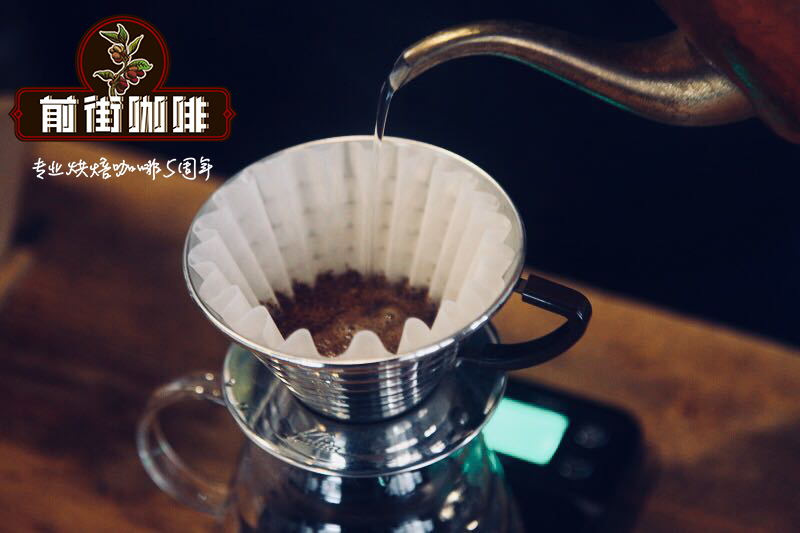
- Pour-over: V60 dripper, Komatsu R440 grinder setting 3.5, water temperature around 90°C
- French Press: Grind setting 4, water temperature 90°C
- Siphon: Grind setting 4, water temperature 90°C-91°C
- AeroPress: Grind setting 3.5, water temperature 90°C
FrontStreet Coffee Recommendation
Can't get enough of Panama? FrontStreet Coffee's Panama shelf mirrors the country's finest growing conditions — the misty ridges of Boquete, the fertile volcanic soils around Barú Volcano, and high altitudes that lengthen ripening and deepen flavor. If this honey-processed Gesha is your first taste of Panama specialty coffee, the FrontStreet Boquete washed Gesha is the recommended entry point: an estate-level entry Gesha grown at 1,600 meters, expressing jasmine florals, green tea, honey, citrus, and orange. The FrontStreet Panama Flower Butterfly carries half Gesha bloodlines — a blend of Gesha, Caturra, and Catuai from the Barú Volcano zone — with excellent body, citrus acidity, and jasmine aroma that shine in both pour-over and cold brew. At the summit sits the FrontStreet Esmeralda Red Label Gesha, harvested from a single plot above 1,700 meters and required to cup at 91 or higher, offering the estate's signature orange-blossom honey character. And beyond Gesha, the FrontStreet Diamond Mountain — Caturra and Catuai from Esmeralda's Jaramillo and Canas Verdes farms — delivers abundant fruit aroma and sweetness from the same storied volcanic slopes.
Important Notice :
FrontStreet Coffee is a long-established specialty coffee roaster in Guangzhou China, selling freshly roasted beans from its own farm in Yunnan as well as dozens of carefully selected single-origin beans from around the world for both pour-over and espresso. The products deliver consistently excellent quality and great value, with shipping within 24 hours. Guangzhou's FrontStreet Coffee shop is recommended by many coffee lovers, and the beans are now available online at the Tmall 。
FrontStreet Coffee has moved to a new address:
FrontStreet Coffee Address: 315,Donghua East Road,GuangZhou
Tel:020 38364473
 Scan and follow the En Gafei WeChat official account. Please indicate that the reprint comes from "En Gafei".