Introduction to Coffee Processing Methods: What's the Difference Between Wet-Hulled, Honey, Natural, and Washed Processing?

Why Do Coffee Beans Need Processing?
Coffee beans are the seeds of coffee cherries, so we need to remove the skin, pulp, mucilage, and parchment to obtain them. At this stage the beans are green beans, typically white, emerald green, or yellow, and only turn dark brown after roasting. Removing those layers is what we call processing, and different processing methods affect the final flavor — the focus of this article.
What Are the Common Coffee Bean Processing Methods?
The more traditional methods include natural, washed, semi-washed, and honey processing. In recent years, increasingly innovative methods have been used to enhance flavor, such as the now-popular anaerobic processing, barrel fermentation, and enzyme processing — countless variations with endless possibilities.

What Is Natural Processing? What Are the Characteristics of Such Coffee Beans?
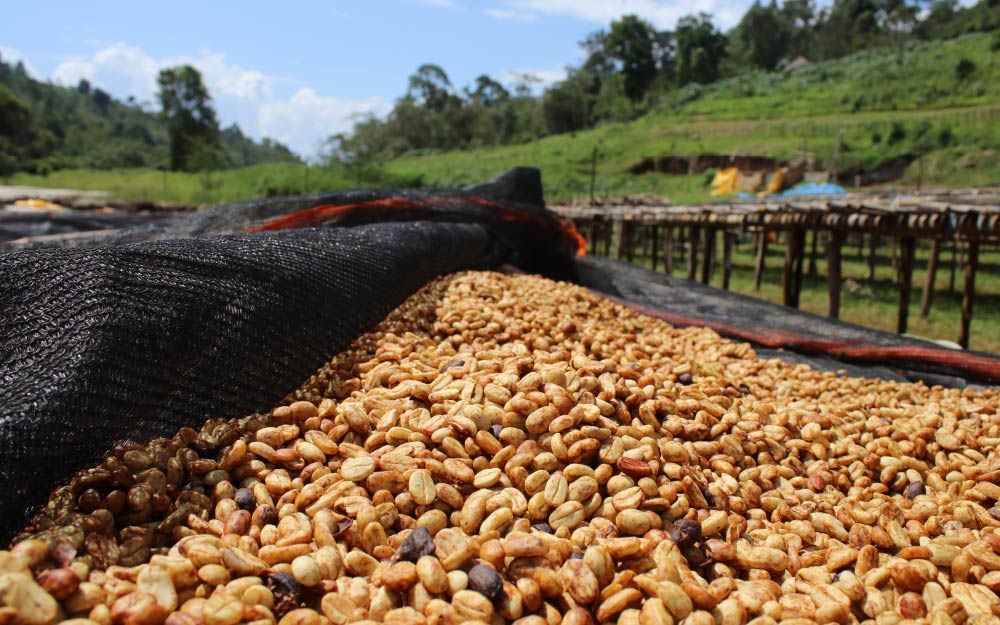
Natural processing, as the name suggests, uses sunlight to dry the coffee. Red coffee cherries are exposed to the sun for about a week, with the timing adjusted to conditions. Once the skin and pulp have dried to a dark color, a hulling machine removes them, and finally defective beans are sorted out to complete the process.
The advantage of natural processing is its low cost — you don't pay rent to the sun — making it the most ancient and traditional method. The drawbacks are that it requires large areas for drying and is not suitable for regions prone to rainfall. Another drawback is that it is hard to control the exact drying degree of each bean, so roughly processed batches may have slightly more defective beans. In flavor and mouthfeel, natural processing usually delivers stronger fruit and wine aromas with slightly lower acidity, because drying allows some fermentation of the pulp.

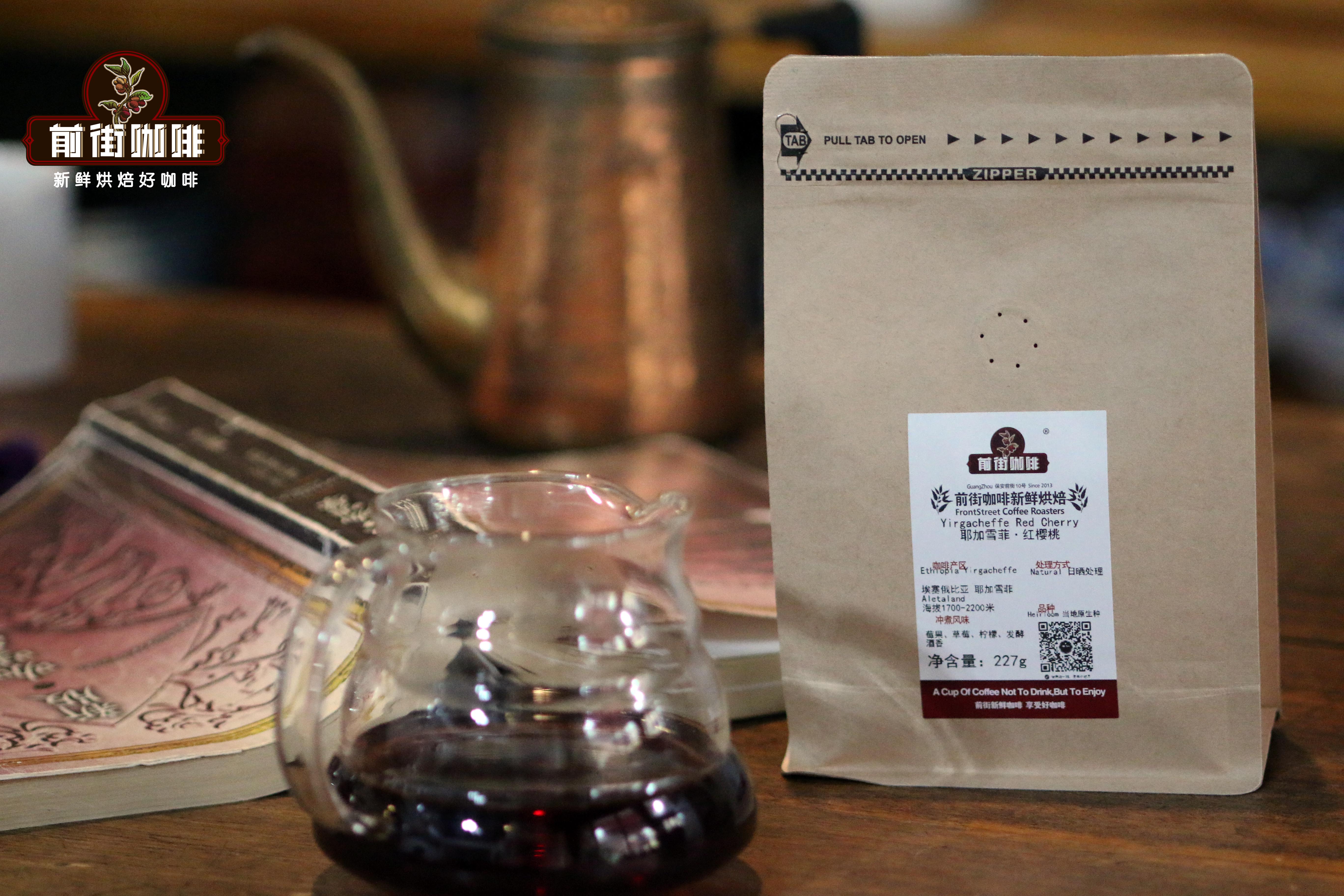
FrontStreet Coffee's Red Cherry coffee beans are naturally processed Yirgacheffe, with processing steps more refined than traditional simple natural processing. Freshly picked red coffee fruits are manually sorted to remove defective beans and those that are overripe or insect-damaged, leaving only good beans. They are then sent to drying facilities. Different growing regions use different drying surfaces — tarps, high beds, and so on — but the most common are African raised beds. Drying generally takes 27-30 days, until the coffee turns dark purple and moisture content drops to 11%. Natural processed Yirgacheffe has more intense flavors and richer layers, with wine fermentation notes and higher sweetness.
People Say Washed Coffee Beans Are More Acidic and Cleaner - Why Is That?
Washed processing was developed to solve the problem of insufficient sunlight in many regions for natural processing. First, washed processing removes irrelevant impurities from the cherries in water tanks, then uses a depulper to remove the skin and pulp. The mucilage and parchment layers still remain, however, so the beans go into fermentation tanks where microorganisms consume the mucilage. After that they are washed again with water and dried. Once dry, a hulling machine removes the parchment to obtain the coffee beans, and finally defective beans are sorted out.

The whole process requires large amounts of water for water tanks, fermentation, and washing pools, hence the name "washed." The advantage is that the process is industrialized and precise, giving stable quality and a clean, clear mouthfeel. Fruit acidity is more obvious because washing involves no pulp fermentation, so the beans retain more malic acid, citric acid, and other acidic aromatic substances. Washed beans also tend to have more floral aromas.
Because multiple steps in washed processing can eliminate defective beans, it greatly reduces the defect ratio and makes quality more stable. Without pulp on the outer layer during drying, the flavors lean toward bright acidity and higher cleanliness, highlighting the characteristics of a single origin. So if you want to understand a region's "terroir flavor," FrontStreet Coffee suggests starting with its washed lots.
Washed processing is a method FrontStreet Coffee especially enjoys, and dozens of beans on its menu are washed. To taste what washed beans can do, FrontStreet Coffee recommends the Ethiopian Yirgacheffe Gottingen coffee beans. The washed method makes Yirgacheffe more consistent than its usual irregular layers, while light to medium roasting preserves Yirgacheffe's fresh citrus tones and elegant white floral aromas, for a bright, delicate overall flavor.
What About Mixing Natural and Washed Methods?
Yes — we call it semi-washed, which in some cases is also called honey processing. The semi-washed method first removes impurities, skin, and pulp as washed processing does, but it does not use soaking to remove the mucilage layer. Instead, it uses a mucilage remover to eliminate the mucilage, then sun-dries the beans. After drying, a hulling machine removes the parchment, and finally problematic green beans are sorted out. Rewind a step: if you skip the mucilage remover and just take the beans to sun-dry, it becomes honey processing. After drying, a hulling machine then removes both the mucilage and the parchment.
The key lies in the mucilage layer. Because it is very sticky, like honey, the method is called honey processing — not because any honey is added. How much mucilage is left during washing becomes the key to differences in honey-processed flavor. If only about 10% of the mucilage is left for sun-drying, it is called "white honey processing," and the coffee tastes clean, closer to washed. Leaving about 25% is called "yellow honey processing," because the beans turn yellow. Leaving about 50% is "red honey processing," and leaving 100% of the mucilage for sun-drying is "black honey processing." The more mucilage left, the harder the process and the longer the drying time. Compared with washed processing, the flavors are richer, more complex, and more varied.
Is Semi-Washed Also Called Wet-Hulled Processing?
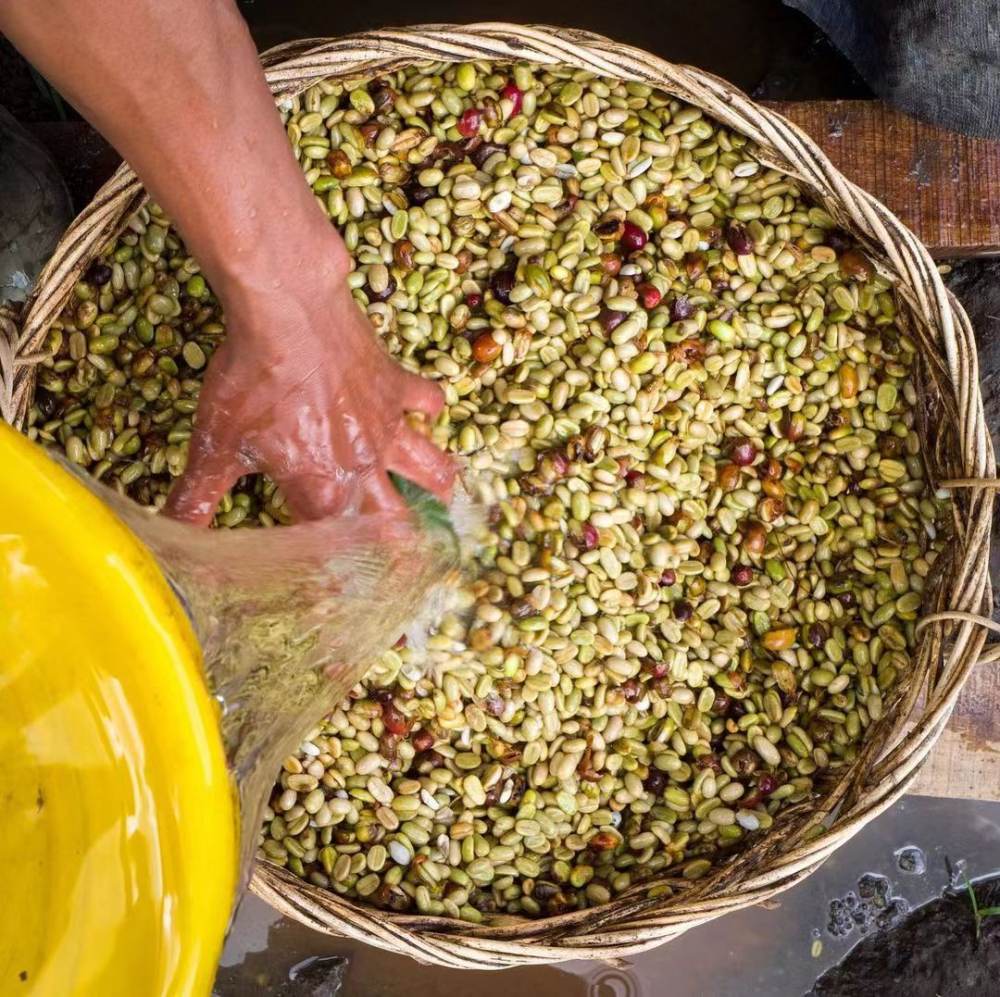
Sumatra's coffee cherry harvest season coincides with the rainy season, which is very troublesome, so producers there developed another unique method. The wet-hulled method's initial steps are the same as washed processing: Indonesians first remove the pulp from the coffee fruit, then ferment it in water for 3 hours. After washing off the mucilage, the parchment-covered green beans are briefly dried for 2-3 days until moisture content reaches 20-24%, in a semi-soft, semi-hard state. The parchment is then hulled off, and drying continues until moisture content reaches 13% for packaging.
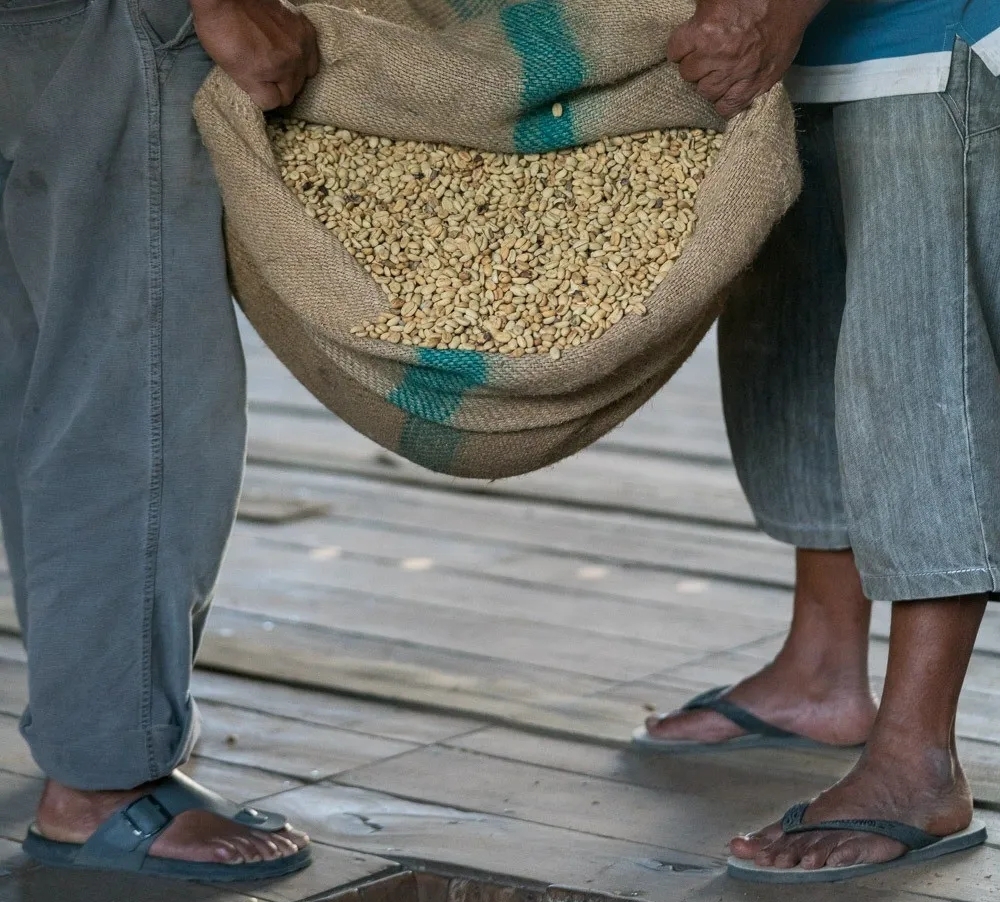
Because the hulling machine uses greater friction to tear off the parchment layer tightly attached to the green beans, the friction and stirring make the beans prone to being crushed or squeezed, especially at both ends, forming small gaps that create "elephant beans." The "naked beans" without parchment dry very quickly and are directly exposed to a humid environment, where various microorganisms proliferate. This gives Indonesian coffee its unique woody, spicy, and herbal notes — what we call "regional flavor."
Some friends are curious about Southeast Asian flavors. If you have not tried Mandheling coffee yet, FrontStreet Coffee suggests starting with the small-packaged, wet-hulled Lintong Mandheling daily coffee beans, which present the classic Mandheling flavors and are convenient for trying at home.
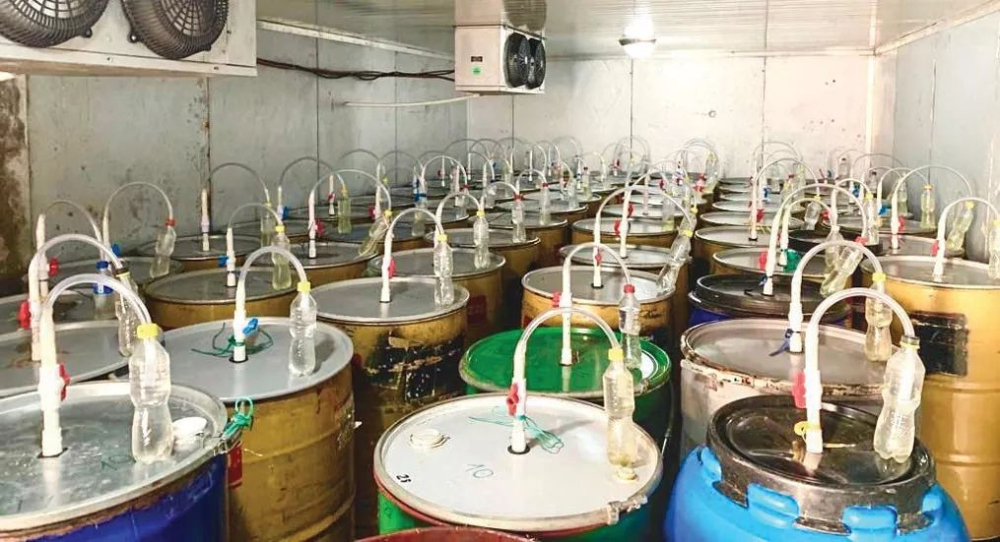
I've Heard of Anaerobic Processing and Barrel Fermentation Coffee Beans - What Are Those?
After reading the introduction above, you can see that the fermentation of pulp — especially the mucilage layer during processing — greatly affects coffee beans, so people started getting creative with it. Anaerobic processing and barrel fermentation are among the more common new methods.
Anaerobic processing involves placing coffee beans (with the mucilage layer still attached after the skin and pulp are removed) into stainless steel barrels, extracting the oxygen so only carbon dioxide remains, and letting anaerobic bacteria ferment the beans for about 18-24 hours. Each estate's technique and timing may vary slightly (not every estate has stainless steel barrels). The process requires careful attention to mucilage amount, temperature, pressure, pH value, and fermentation time to prevent any flavor discrepancies.
Anaerobic processing can create very complex, diverse coffee flavors. The recently common anaerobic natural, for example, adds fermentation flavors to the traditional natural taste. FrontStreet Coffee's Colombia Huayuannight coffee beans use anaerobic natural processing, presenting richer ripe-fruit sweet-sour notes and fermentation aromas.
FrontStreet Coffee Recommendation
For a first look at a washed single origin from China, FrontStreet Coffee's Yunnan Small Bean comes from the Baoshan region, washed and medium roasted. It shows soft nut and chocolate sweetness with a light plum acidity, at a price that makes it an easy introduction to Yunnan coffee. Fully washed processing ferments and rinses away the mucilage before drying, which brings out the region's characteristic flavor.
If you want a clearer Yunnan profile, the FrontStreet 2013 Sun-Dried Typica uses the oldest and most traditional post-harvest method, natural drying. Typica is one of the oldest and purest Arabica varieties, and the natural process gives this lot a heavier body, a more pronounced sweet-sour balance, citrus and berry notes, a hint of fermented wine aroma, caramel sweetness, and a creamy finish. Only fully ripe red cherries are used, then medium roasted for balance.
For espresso with a Yunnan accent, the FrontStreet Black Cocoa Blend combines Yunnan Small Bean with Brazil Cerrado. Brazil supplies the mixed-nut aroma and a balanced body, while Yunnan adds chocolate and citrus; the result is a sweet-sour-bitter-balanced Americano with nut and brown-sugar sweetness, and a latte with almond and cream smoothness.
Important Notice :
FrontStreet Coffee is a long-established specialty coffee roaster in Guangzhou China, selling freshly roasted beans from its own farm in Yunnan as well as dozens of carefully selected single-origin beans from around the world for both pour-over and espresso. The products deliver consistently excellent quality and great value, with shipping within 24 hours. Guangzhou's FrontStreet Coffee shop is recommended by many coffee lovers, and the beans are now available online at the Tmall 。
FrontStreet Coffee has moved to a new address:
FrontStreet Coffee Address: 315,Donghua East Road,GuangZhou
Tel:020 38364473
 Scan and follow the En Gafei WeChat official account. Please indicate that the reprint comes from "En Gafei".