The Meaning of Jamaica Blue Mountain No.1 and the Story of Japan's Blue Mountain Processing Plant
Jamaican Blue Mountain Coffee: The King of Coffee
Jamaican Blue Mountain coffee is hailed as the king of coffee, with the highest-grade Blue Mountain coffee beans even fetching astronomical prices. Even in this era dominated by Geisha varieties, the former king, Blue Mountain, continues to maintain its radiance, defending its position with its unique quality.
What Constitutes True Blue Mountain Coffee Beans
We now know that Blue Mountain coffee beans are produced in the Blue Mountains of Jamaica. However, according to FrontStreet Coffee's understanding, not all coffee beans grown in the Blue Mountain region can be called Blue Mountain coffee.
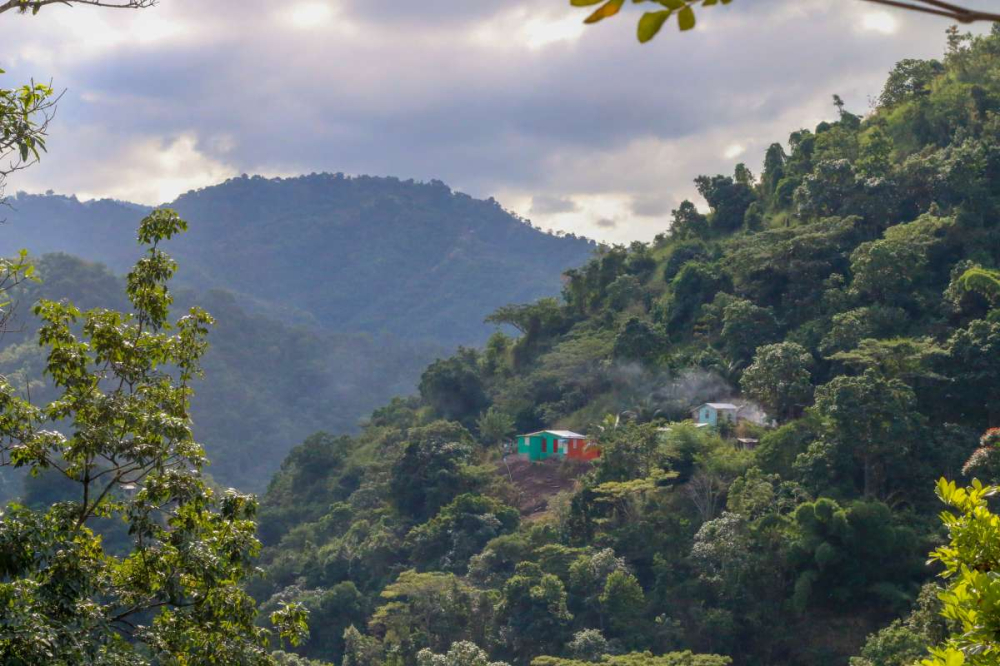
According to documents from Jamaica's Coffee Industry Board (CIB), only coffee beans produced within the core 6,000-hectare area of the Blue Mountain region can be sold under the "Blue Mountain coffee" designation. Coffee beans from outside this core area can only be sold as High Mountain coffee or Jamaican coffee beans. Based on the document's description and FrontStreet Coffee's mapping, this CIB classification is actually related to altitude. We know that Arabica coffee beans grown at higher altitudes have better flavor. The Blue Mountains reach 2,256 meters in elevation, but the government has designated areas above 1,700 meters as natural reserves, prohibiting any cultivation. Within the designated 6,000 hectares, the lowest elevation is 910 meters (3,000 feet), meaning only coffee beans grown between 910 and 1,700 meters can be called Blue Mountain coffee.
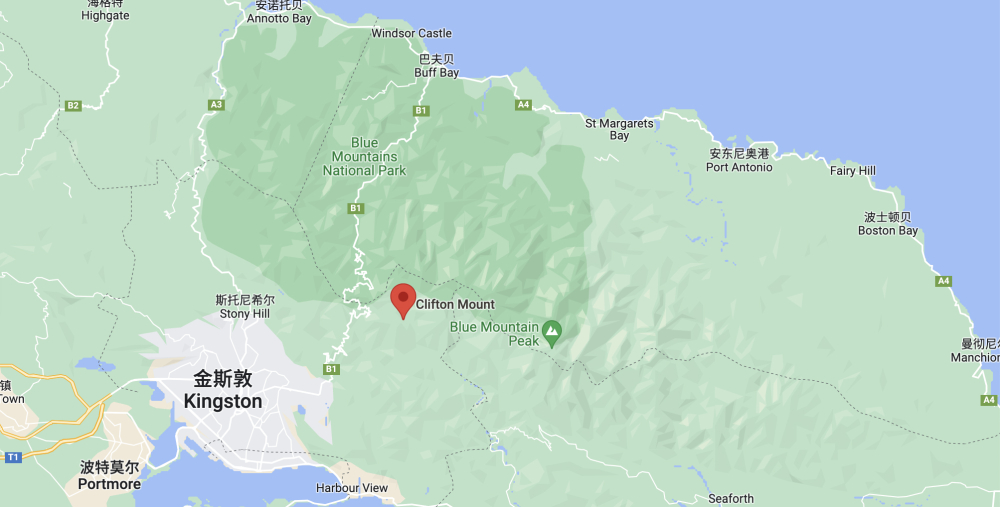
Blue Mountain Coffee Bean Grade Classification
Jamaican Blue Mountain coffee is classified into four grades, from No.1 to No.3, and finally PB, which stands for Peaberry, the hand-selected round beans. The highest-grade Blue Mountain No.1 standard requires beans larger than 17 mesh, with a defect rate below 3% and a moisture content around 13%. When people refer to Blue Mountain coffee, they usually mean Blue Mountain No.1 coffee beans, while the other grades are less common on the market.
Blue Mountain coffee packaging is quite distinctive. It is not burlap bags, nor high-barrier anti-degradation bags or vacuum packaging, but wooden barrels, making it one of the few producing regions that still uses barrels for packaging. The wooden barrel material undergoes special treatment to effectively balance dryness and humidity while ensuring the green beans aren't crushed and that no foreign odors penetrate.

Wooden barrels stamped with official certification seals not only ensure the quality of green coffee beans during transport but also demonstrate the premium nature of Blue Mountain coffee through this labor-intensive, time-consuming packaging method that considers production, transport, and storage quality. This gives customers who have waited patiently a greater sense of satisfaction when receiving their green coffee beans. In earlier years in Taiwan, traders who managed to obtain Blue Mountain green beans would even hold solemn barrel-opening ceremonies.
Blue Mountain coffee barrels generally come in three specifications: small barrels (15 kg), medium barrels (30 kg), and large barrels (70 kg). FrontStreet Coffee's Blue Mountain No.1 coffee beans are all imported in original barrels from the historic Clifton Mount Estate, representing classic washed lots. Nowadays, Blue Mountain barrels also contain a green transparent sealed bag to properly preserve the coffee beans.
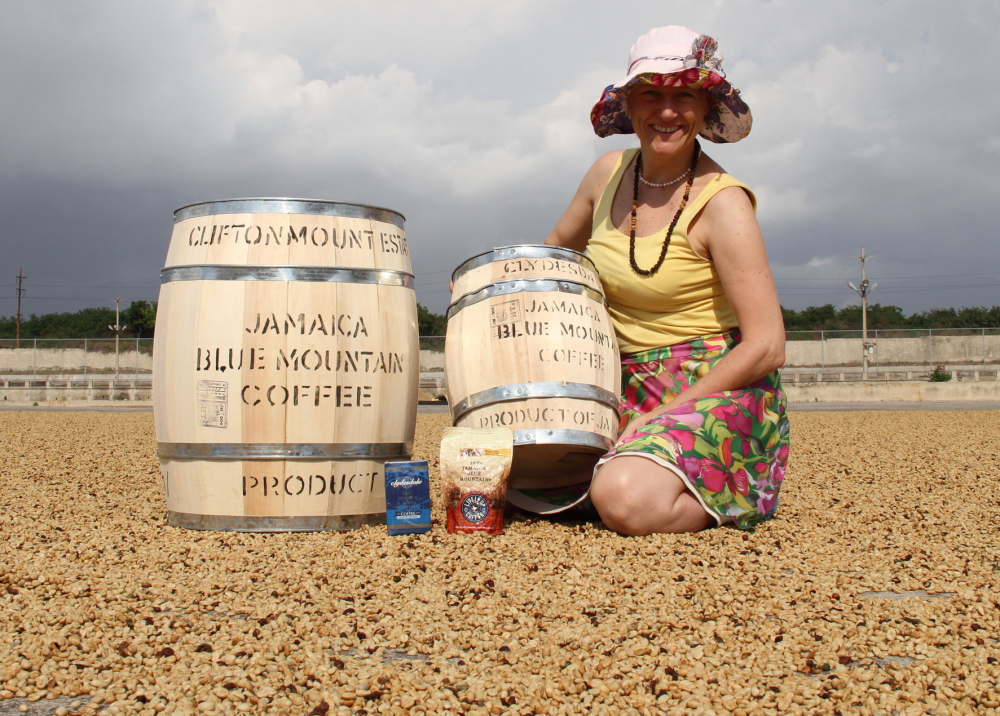
Blue Mountain Estate Introduction
Clifton Mount Estate is the most ancient estate in Jamaica, having begun coffee cultivation and production in the mid-18th century. By 1900, it had developed into Jamaica's largest estate. In 1978, the Sharp family took over management of Clifton Mount Estate, improving the coffee growing environment within the estate and introducing advanced equipment to establish BMCP, currently Jamaica's largest coffee processing plant.

Clifton Mount Estate has always maintained strong environmental principles, investing heavily in building solar power stations and wastewater treatment plants within the estate. The removed fruit pulp is also fermented and converted into organic fertilizer. Traditionally, Clifton Mount Farm has always used the washed processing method for coffee cherries. After harvesting, the cherries must first undergo flotation screening to remove fruit skin and pulp, then ferment for 12-18 hours. The fermented beans are then placed in pools and moved back and forth, using the friction of the beans and the power of flowing water to wash them until they are smooth and clean. The washed green coffee beans need to be air-dried until moisture content reaches 12-14%. The dried green coffee beans require another screening before being packed and stored in warehouses.

Washed-processed Blue Mountain coffee has a rich aroma, clean mouthfeel, and balanced acidity, sweetness, and bitterness. FrontStreet Coffee believes that washed Blue Mountain coffee best represents Jamaica's high-quality specialty coffee.
Quality of Blue Mountain Coffee Beans
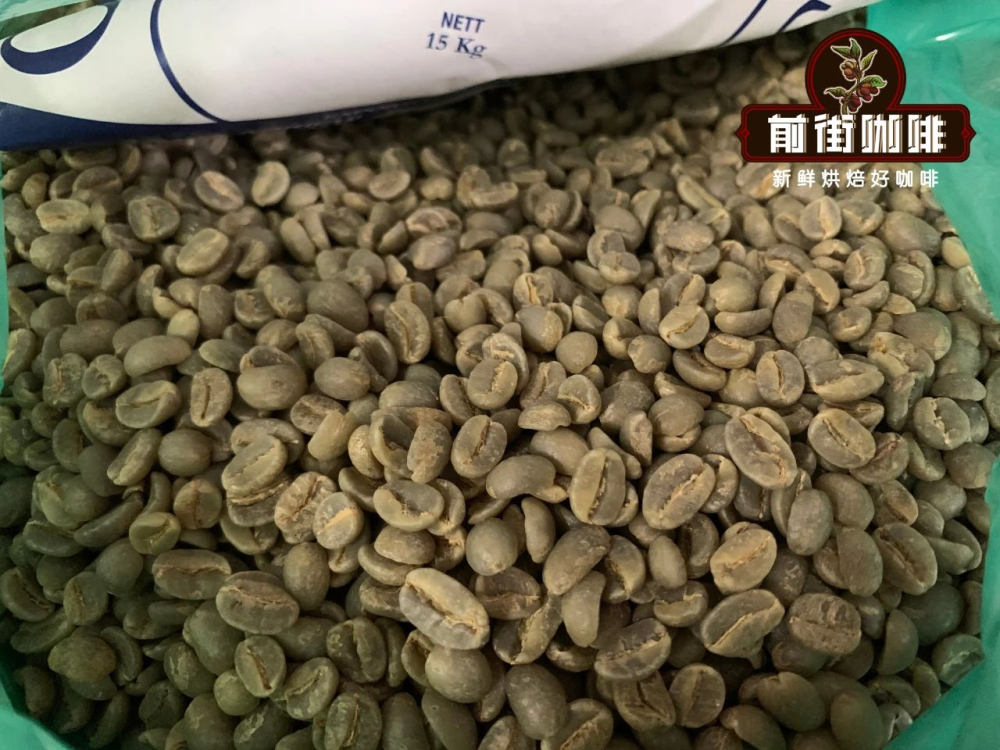
The variety of Blue Mountain No.1 coffee beans is Typica. Those familiar with coffee varieties know this is a classic ancient Arabica variety. Jamaican coffee is generally processed using the washed method, so the green coffee beans appear light green. No.1 coffee has very strict quality control, requiring a defect rate no higher than 3% and a mesh size greater than 17, so Blue Mountain No.1 coffee beans appear very full and large.

Flavor and Taste Characteristics of Blue Mountain Coffee
Blue Mountain coffee is characterized by balanced sour, sweet, and bitter flavors with a rich, smooth mouthfeel that is very pleasant to drink. Brewing Blue Mountain coffee is also quite simple, and FrontStreet Coffee recommends pour-over brewing.
FrontStreet Coffee recommends using freshly roasted coffee beans to brew, to maximize the experience of the coffee's rich flavors. Coffee beans shipped from FrontStreet Coffee are roasted within 5 days, because FrontStreet Coffee deeply understands that coffee bean freshness has a significant impact on flavor. FrontStreet Coffee's roasting philosophy is "freshly roasted good coffee," ensuring that every customer who places an order receives the freshest coffee possible. The coffee degassing period is around 4-7 days, so when customers receive their coffee, it is at its peak flavor.

Brewing Parameters:
- Dripper: KONO
- Dose: 15 grams
- Grind: Medium-coarse grind, 75% pass-through a #20 sieve
- Ratio: 1:15
- Water Temperature: 88°C
- Technique: Three-stage pour
First stage: pour 30 ml for a 30-second bloom. Second stage: pour in a circular motion to 100 ml. When the liquid level drops and you can almost see the coffee bed, continue pouring. Third stage: pour in a circular motion to 95 ml. Wait until the coffee liquid finishes dripping from the dripper to complete extraction, with a total time of 2 minutes.

Blue Mountain No.1 reveals a very rich chocolate and cocoa aroma immediately after grinding. During brewing it carries caramel sweetness. On the palate it delivers the richness of nuts and dark chocolate, with moderate acidity and sweetness, a clean mouthfeel, and a long-lasting aftertaste.
FrontStreet Coffee Recommendation
Blue Mountain No.1 is the highest grade of Jamaica's legendary coffee, and FrontStreet Coffee's Jamaica Blue Mountain No.1 is a genuine Typica lot imported in original wooden barrels from the historic Clifton Mount Estate. Roasted medium-dark to bring out the variety's famous balance, it opens with rich chocolate and cocoa, then layers nuts, dark chocolate, cream, caramel, and a gentle sweetness with moderate acidity and a clean, lingering finish. Because it is so balanced, it is equally good as a pour-over, in a moka pot, or as espresso, and it works beautifully with milk in a latte. With full origin certification and authentic barrel packaging, it is an ideal everyday luxury as well as a gift for friends and family.
Important Notice :
FrontStreet Coffee is a long-established specialty coffee roaster in Guangzhou China, selling freshly roasted beans from its own farm in Yunnan as well as dozens of carefully selected single-origin beans from around the world for both pour-over and espresso. The products deliver consistently excellent quality and great value, with shipping within 24 hours. Guangzhou's FrontStreet Coffee shop is recommended by many coffee lovers, and the beans are now available online at the Tmall 。
FrontStreet Coffee has moved to a new address:
FrontStreet Coffee Address: 315,Donghua East Road,GuangZhou
Tel:020 38364473
 Scan and follow the En Gafei WeChat official account. Please indicate that the reprint comes from "En Gafei".