What's the Difference Between Single and Double Espresso? What Coffee Beans Are Used for Espresso?

Anyone who drinks espresso-based coffee regularly knows that drinks like mocha, cappuccino, and latte use different ratios of espresso to milk—and that some use a single shot while others use a double. So what is the actual difference between single and double shots, and which coffee beans belong in the portafilter? In this article, FrontStreet Coffee answers both questions for coffee lovers.
What is Espresso?
Espresso is a beverage made by forcing near-boiling, high-pressure water through finely ground coffee. It is generally thicker and more concentrated than coffee made by other methods, carrying high levels of suspended and dissolved solids—including the crema, the creamy foam that crowns the cup. Because of the pressurized brewing, espresso is intense, with very high concentrations of flavor compounds. It serves as the base for lattes, cappuccinos, macchiatos, mochas, and Americanos—though at FrontStreet Coffee, plenty of customers also drink it straight to savor its rich, smooth character.
Difference Between Single and Double Espresso
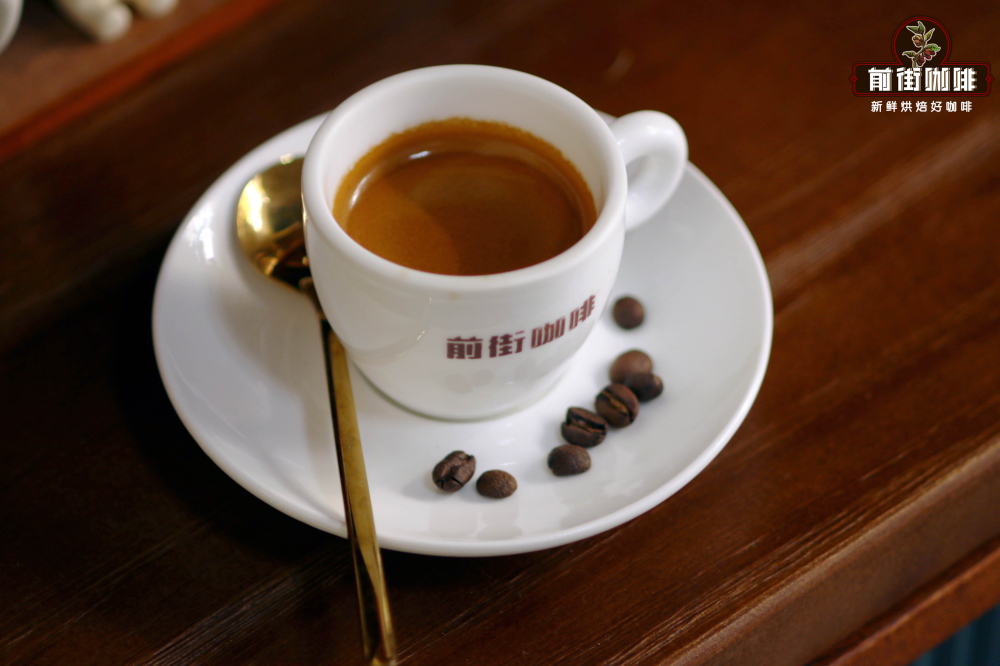
The main difference between single and double espresso is concentration. At FrontStreet Coffee, a single shot uses about 10 grams of grounds and a double about 20 grams, both extracted at a 1:2 ratio—so 10 grams yield 20 grams of espresso and 20 grams yield 40. A single shot runs through a single basket and a single-spout portafilter, extracting one portion at a time, while a double uses a bottomless basket and portafilter to extract two portions in one pass.
Beneath the crema, tiny oil droplets carry dissolved sugars, acids, proteins, and caffeine, with bubbles and solid solutions suspended on the foam surface. Because grinder burr wear shifts gradually with humidity and storage time, the grind needs daily adjustment to keep espresso flavor stable.
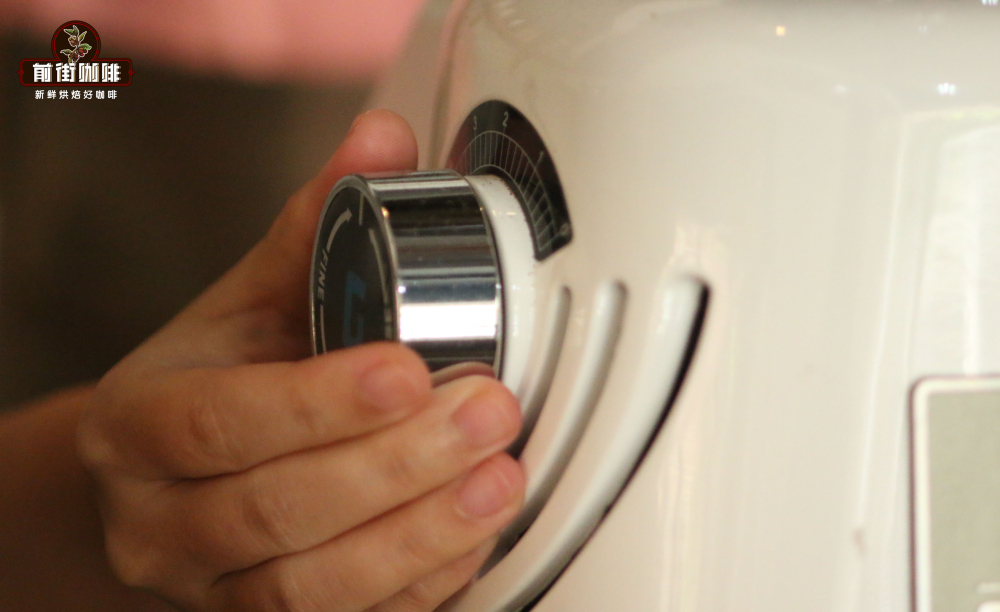
And since machines and grinders vary, the same settings rarely transfer between setups. So how do you judge whether an espresso is properly built?
How to Evaluate a Qualified Espresso?
(1) Sight - The Crema
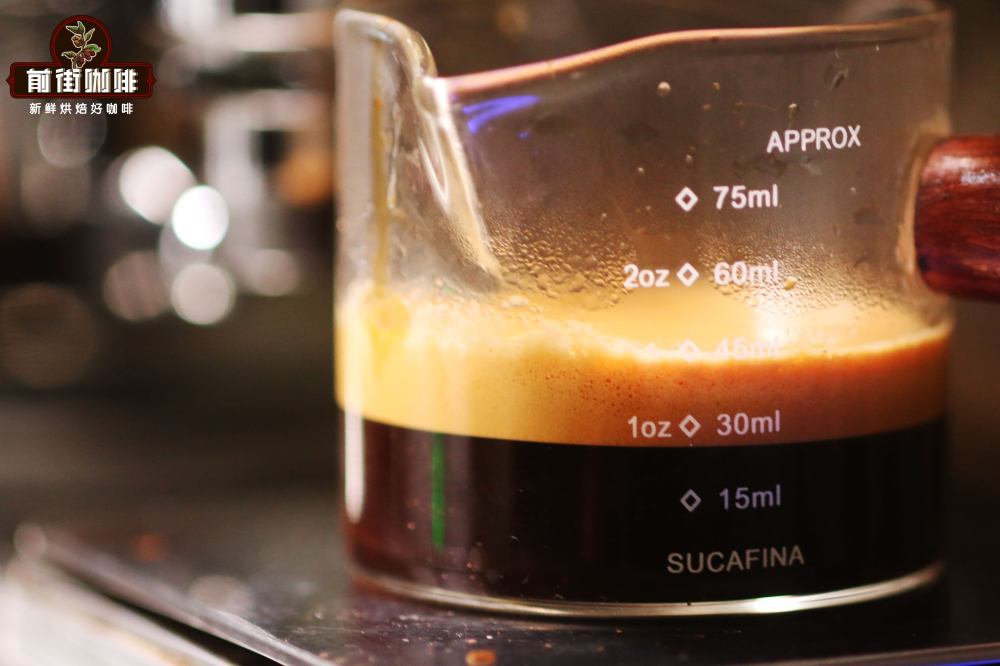
Vision is our primary sense for reading the world, and coffee is no exception. What matters most here is the crema—the foam layer that reveals how skilled the brewing was. It acts as a protective layer, colored anywhere from dark brown to light brown, sometimes with reddish tones. The tiger stripes—dark banding on the foam—are created by coffee particles and signal a well-pulled shot. The crema is not just proof of quality; it holds the aromatic direction of the coffee, keeping fragrance present until the last sip.
(2) Smell - Aromas Rising from the Cup
After reading the surface, stir the coffee with a spoon to "break" the crema and get a clearer read on the aromas. They may be faint or intense, elegant and clean, or dull and muddy. A quality Arabica espresso might show caramel, bread, and honey, with citrus and floral highlights; off-odors might include sour, rotten, moldy, woody, or burlap-like smells.

(3) Taste - The Mouthfeel
An ideal espresso should taste balanced, with a distinct mouthfeel and a sweet rather than bitter aftertaste when swallowed. More specifically: moderate acidity, bitterness, and sweetness; rich flavors; a solid, thick consistency; and a long-lasting finish with a refreshing citrus-like lift.
That covers how to judge an espresso—so which beans should go into it? FrontStreet Coffee takes that question next.
What Coffee Beans Are Used for Espresso?
First, know this: espresso machines amplify a bean's flavors. Pull a shot with an African single origin like Yirgacheffe and the citrus and lemon acidity multiplies until the cup turns harsh and even unpleasant. That is why espresso typically uses a blend—2 to 4 coffees from different regions mixed proportionally to balance the shot and keep quality steady.

That does not mean single origins are off-limits—only that grind and parameters need constant adjustment to keep the daily shot balanced, which is a chore. Many shops offer it anyway as SOE (Single Origin Espresso).
In FrontStreet Coffee's view, a bean chosen well for SOE not only pulls a beautiful crema but also shines once water or milk is added. Take FrontStreet's favorite Guji coffee: its roasters built two separate curves—one medium-light for cold brew and pour-over, another medium for espresso machines and moka pots. Cold brew drinkers and pour-over ritualists get the medium-light curve; anyone chasing golden crema and fine latte art should take the SOE curve.

1. FrontStreet Coffee Sunflower Warm Sun Blend
Flavor: Obvious fruit acidity, light berry aroma, wine fragrance, rich chocolate flavor, noticeable aftertaste sweetness.
Formula: Honduras Shirley : Yirgacheffe Red Cherry = 7:3

This blend pairs Yirgacheffe sun-dried Red Cherry with Honduras Shirley, designed to work both as espresso and pour-over. As espresso it opens with a clear fermented wine aroma—citrus and berry acidity on the first sip, a whisper of whisky, and a dark chocolate finish.
Brewed as pour-over, however, it is not as rich: a fermented wine aroma with slight citrus fragrance, obvious wine notes and dark chocolate while hot, then citrus and berry acidity emerging as the cup cools—overall clean and fresh, without a vanilla-cream texture.
2. FrontStreet Coffee Premium Blend
Flavor: Gentle acidity, light sweetness, nutty aftertaste, overall not too stimulating, peaceful, medium crema.
Formula: Colombia : Brazil = 3:7
This blend combines Brazil and Colombia: a light roasted-grass fragrance, fresh aroma with slight bitterness, and a sweet, smooth, lingering finish. Colombian Huila beans bring pleasant acidity, mellow aroma, and rich sweetness worth savoring, while Brazilian Cerrado beans contribute a comfortable sweet-bitter taste and exceptional smoothness—a combination that simply works.
3. FrontStreet Coffee Commercial Blend
Flavor: Caramel sweetness, nut and cocoa, dark chocolate flavors, balanced sweet and sour, slight sweet-bitterness, lasting aftertaste.
Formula: Colombia : Brazil : Robusta = 3:6:1

This blend uses Brazilian and Colombian beans plus 10% Robusta. FrontStreet Coffee finds it classic: rich crema and texture, caramel sweetness, nut and cocoa with dark chocolate, balanced sweet and sour, and a lasting aftertaste. It shares the Colombian-Brazilian proportions of FrontStreet Coffee's Premium Blend, but the Robusta adds crema and makes the texture rounder.
4. FrontStreet Coffee Basic Blend
Flavor: Gentle fruit acidity, caramel sweetness, nut and dark chocolate flavors, smooth and thick, but taste is somewhat light.
Formula: Yunnan : Brazil = 3:7
This blend pairs Brazil with Yunnan: gentle fruit acidity and caramel sweetness over nut and dark chocolate flavors, smooth and thick but on the lighter side. Yunnan's growing conditions closely mirror Colombia's—high altitude, big day-night temperature swings, mellow flavor type, moderate acidity, rich body, uniform beans, high oil content—so the cup lands near Colombian coffee in character, just a touch lighter, while Brazilian Cerrado beans again supply the comfortable sweet-bitter smoothness. It is a very cost-effective blend, ideal for espresso beginners and small cafes.
Those are the four FrontStreet Coffee roastery blends recommended for espresso. Curious coffee lovers may wonder the reverse: can espresso blends be brewed as pour-over? FrontStreet Coffee answers that next.

Can Espresso Beans Be Used for Pour-Over?
Single origins can go into an espresso machine, and espresso blends can indeed be brewed as pour-over—though the flavor will always differ somewhat from the machine version. Pour-over parameters need adjusting too, and the result can taste rather "special." It mostly comes down to personal preference. If you want to experiment, FrontStreet Coffee offers this starting point.
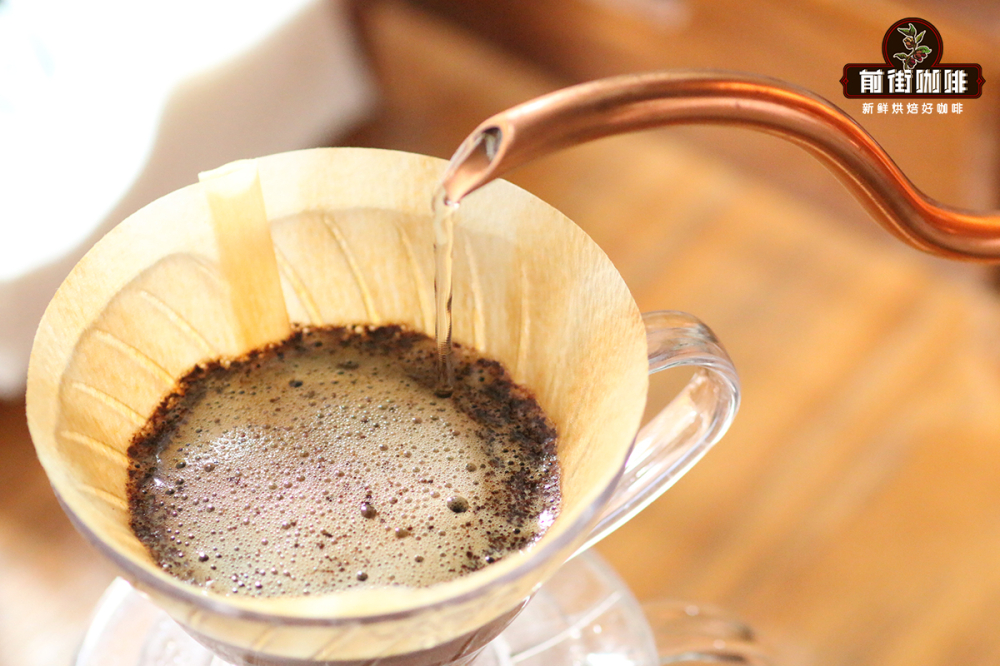
FrontStreet Espresso Pour-Over Parameters: V60 dripper, 15g coffee grounds, water temperature 90°C, coffee-to-water ratio 1:15, grind size (80% pass-through rate with #20 standard sieve, coarser than espresso grind size)
FrontStreet Coffee Brewing Technique: Segmented extraction. Use 30g water for 30-second bloom, small water flow circular pouring to 125g for segmentation, continue pouring to 225g when water level drops and is about to expose the coffee bed, remove dripper when water level drops and is about to expose the coffee bed (timing starts from bloom), extraction time 2'00".

That is what FrontStreet Coffee has compiled on espresso, and we hope it helps you pick the espresso bean flavor you will love.
FrontStreet Coffee Recommendation
For pulling shots at home, FrontStreet Coffee's blender-recommended lineup covers every style. The Classic Blend is the crema bomb—thick, golden, and forgiving—while the Black Cocoa Basic Blend is the value pick with a nutty, cocoa-forward profile that stays balanced under milk. Both are built to forgive small errors, which is exactly what a new home barista needs.
For milk drinks with character, the Strawberry Candy Espresso Blend brings berry, rose, raisin, and fruit-candy aromas into a cappuccino or latte, and if you want a clean, non-bitter SOE, the Granana Geisha SOE—a natural-processed Geisha roasted medium—shows berry, orange, and persimmon straight, and turns to milk-candy sweetness with milk added. A good baseline recipe for any of them: 20g dose, 1:2 brew ratio, about 30 seconds of extraction.
Important Notice :
FrontStreet Coffee is a long-established specialty coffee roaster in Guangzhou China, selling freshly roasted beans from its own farm in Yunnan as well as dozens of carefully selected single-origin beans from around the world for both pour-over and espresso. The products deliver consistently excellent quality and great value, with shipping within 24 hours. Guangzhou's FrontStreet Coffee shop is recommended by many coffee lovers, and the beans are now available online at the Tmall 。
FrontStreet Coffee has moved to a new address:
FrontStreet Coffee Address: 315,Donghua East Road,GuangZhou
Tel:020 38364473
 Scan and follow the En Gafei WeChat official account. Please indicate that the reprint comes from "En Gafei".