Oh No! Luckin Coffee Unilaterally Cancels Bug Orders, Alleged Rights Violation?
Guatemala is a world-renowned coffee-producing country, and its ability to produce such high-quality coffee comes from superior natural conditions. Of course, the human work that follows matters just as much; neither side alone produces world-famous specialty coffee. FrontStreet Coffee believes the quality of Guatemalan coffee is inseparable from the hard work of its farmers, and the world-renowned estates have invested even more effort.
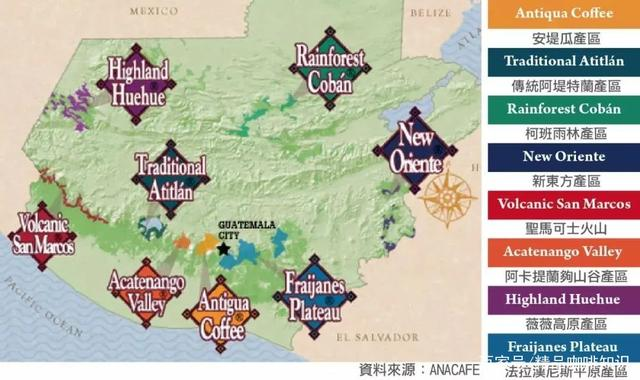
Huehuetenango: Guatemala's Premier Coffee Region
Huehuetenango sits on the border between Guatemala and Mexico. Its towering mountains and pristine rainforest make it an ideal place for coffee. Many Cup of Excellence winning estates are concentrated here, including the perennial COE champion Injerto Estate, which makes the area a virtual breeding ground for champions.
Guatemala has eight main producing regions, but none is more special than Huehuetenango. Unlike Antigua, Atitlan, and San Marcos, which have volcanic soil formed from weathered ash or lava flows, Huehuetenango is primarily limestone, which is rare among coffee regions worldwide. It is also worth noting that the highest farms here reach up to 2,000 meters, standing out against other high-altitude farms in Central America that rarely exceed 1,800 meters because of frost risk.
For many years, Huehuetenango has been one of Guatemala's best-known and most popular coffee areas. Coffee grows at altitudes generally above 1,500 meters, and the cup typically shows a rich body and abundant fruit acidity. Because the region is remote, most coffee farmers are smallholders. Its towering mountains, at altitudes between 1,400 and 1,800 meters, create large day-night temperature swings that give the coffee unique growing conditions and rich microclimates. The mountains are also dotted with clean, abundant river water that farmers use for wet processing.
Finca Miralvalle: The Miracle Estate
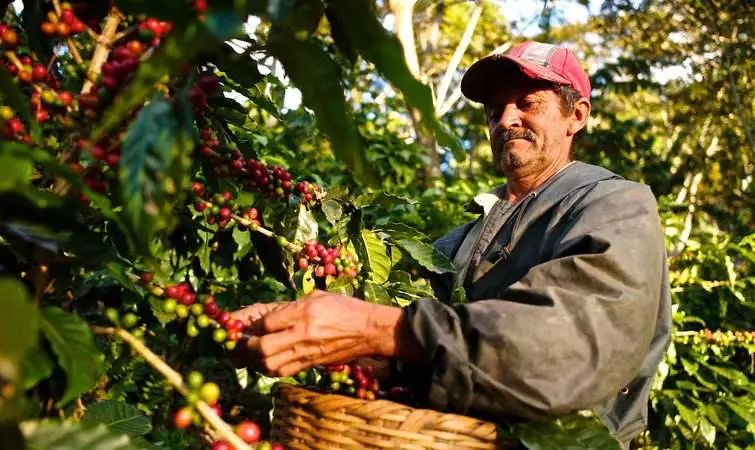
Estate founder Benjamin "Mincho" Villatoro began focusing on producing special, exquisite coffee in 1970, establishing Finca Miralvalle (Miracle Estate) in the mountains of Huehuetenango. The estate covers 30 hectares, at altitudes from 1,500 to 1,900 meters, with annual rainfall of 1,800 millimeters and mixed cultivation of Bourbon and Caturra.
Founder Benjamin passed away in 2013, and current estate owner Jorge Villatoro inherited his legacy, continuing the pursuit of specialty coffee flavor and quality. Since 2014, Miracle Estate has won "Excellence" awards three consecutive years in the Huehuetenango Highland Coffee Competition, evidence that Miracle Estate coffee best represents the flavor of Huehuetenango. Miracle Estate has also appeared in Guatemala's Cup of Excellence (C.O.E.) four consecutive years.
In 2016, its C.O.E. ranking was 10th place in all of Guatemala.
Cultivation History
Growing Altitude
Guatemalan coffee grows in the high-altitude cloud belt with significant day-night temperature differences. Such conditions keep the coffee from growing too quickly, since excessive growth speed makes beans softer and more flavorless, and combined with fertile volcanic soil they make Guatemala's growing conditions the most ideal among Central American countries. Where beans from other Central American countries tend to have cleaner and fresher flavors, Guatemalan coffee shows more style variation by altitude. With the capital Antigua and the northwestern Huehuetenango highlands as the two major producing regions, these two areas dominate the impression of Guatemalan coffee. Antigua coffee has better richness and subtle smoky flavors, while the Huehuetenango highlands are characterized by delicate citrus acidity.
Located in northwestern Guatemala, the highlands have fertile soil and abundant rainfall. The cloud belt created by the unique valley terrain is the best coffee-growing environment nature could offer, which is why the Huehuetenango highlands are world-famous for exceptional coffee. Most of the winning beans in Guatemala's annual coffee competitions come from here and receive excellent international acclaim.
Cultivation Varieties
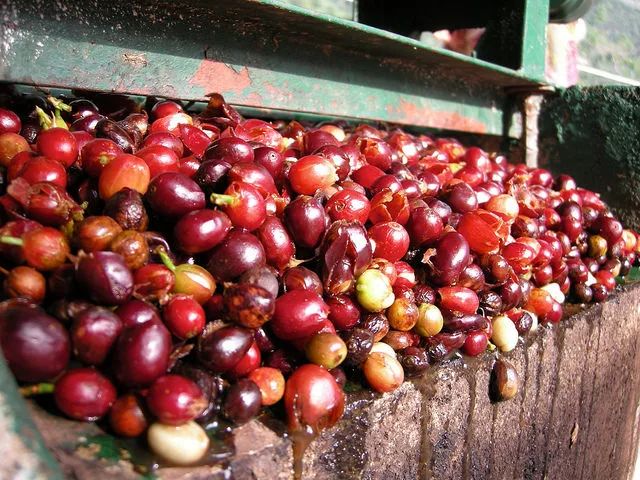
For the past century, coffee has sustained Guatemala's economy. It is estimated that there are currently about 125,000 producers locally, making coffee the main export item and accounting for 40% of exported agricultural products. Of 22 provinces, as many as 20 are engaged in coffee cultivation. Almost all regions grow coffee, with 98% under shade trees and almost exclusively Arabica beans. The main sub-varieties include Bourbon, Typica, Caturra, Catuai, Pache, and Pacamara.
Processing Methods
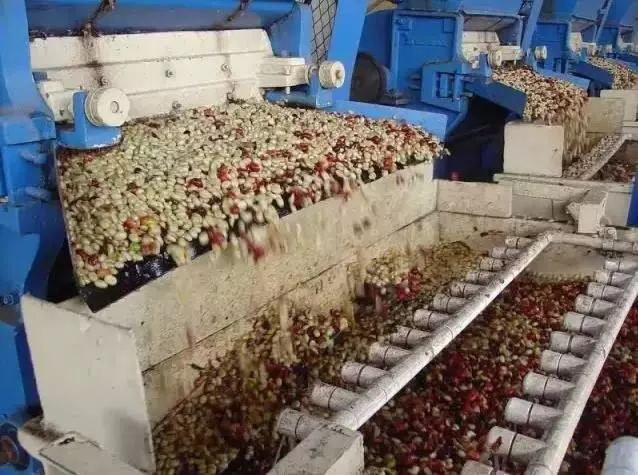
Washed Processing: Remove pulp and mucilage, then sun dry
The steps are as follows:
1. After farmers harvest the fruit, they place it in water tanks to remove debris and unripe beans.
2. The coffee fruit goes into a depulping machine to remove the pulp and skin, yielding depulped raw beans.
3. The depulped beans go into fermentation tanks to break down the mucilage still clinging to the parchment.
4. The beans with residual mucilage go into washing channels to remove the mucilage, leaving parchment coffee.
5. The parchment coffee is placed on sun-drying fields or in dryers for drying.
6. Finally, a hulling machine removes the parchment from the dried beans.
Green Bean Analysis
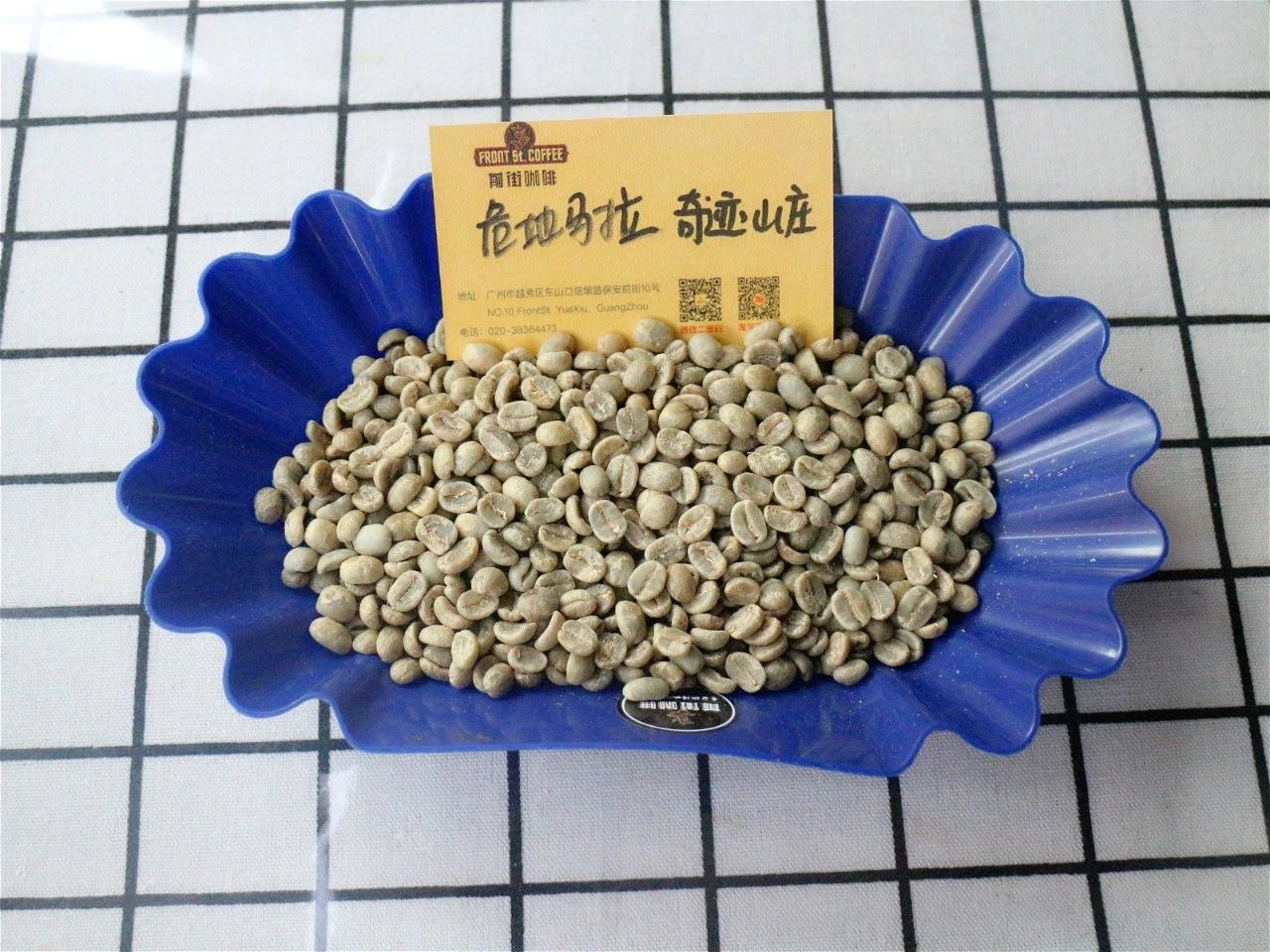
Guatemala Finca Miralvalle Maracaturra
Varieties: Bourbon, Catuai, Caturra, with wonderful sweetness, balance, and complex, varied flavors, along with significant nutty and dark chocolate characteristics.
Roasting Analysis
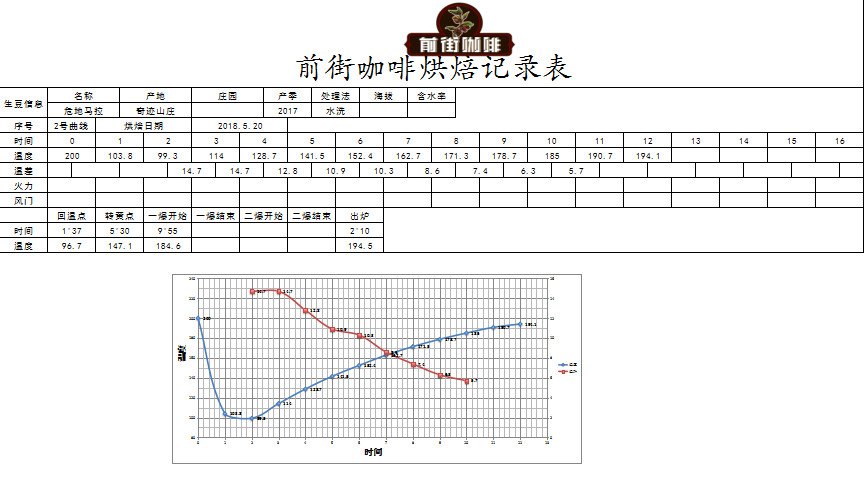
This coffee has medium-sized beans, medium density, and naturally high moisture content. The roasting target is medium roast, used here to reduce the intensity of acidity, enhance texture and balance, and make the overall performance sweeter, with more chocolate and nutty notes.
In the first roast batch, the dropping temperature was relatively high, with an entering temperature of 200°C and relatively high heat. During roasting it became clear that this batch had high moisture content, so a profile of gradually reducing heat, steady temperature rise, and extended dehydration time was adopted. Heat was adjusted more finely when the beans reached the yellowing point, completed dehydration, and showed signs of first crack, avoiding scorching on the bean surface and slightly extending the time to first crack to increase caramelization and enhance flavor texture and balance.
Roasting machine: Yangjia 600 g semi-direct heat.
Heat to 200°C to enter the drum, damper set to 3, after 30s adjust heat to 160°C, damper unchanged, temperature return point at 1'37", maintain heat; at 5'30" the bean surface turns yellow and the grassy smell disappears completely, entering the dehydration stage, so heat is reduced to 140°C and the damper adjusted to 4.
Dehydration is completed only at 8'00", heat reduced to 100; at 9'45" ugly wrinkles and black markings appear on the bean surface and the toast smell clearly turns to coffee aroma, which can be defined as the prelude to first crack. At this point listen carefully for the sound of first crack, starting first crack at 9'55"; adjust heat to 70 and open the damper fully to 5 (heat adjustment must be careful, not so low that there is no cracking sound), develop for 2'10" after first crack, and drop at 194.5°C.
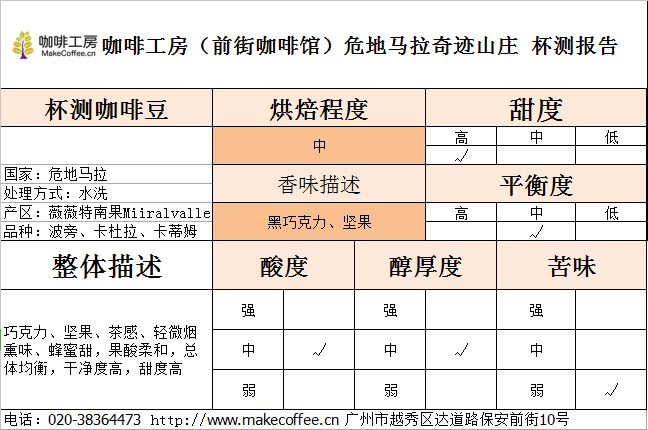
This Guatemala Finca Miralvalle coffee has a relatively balanced texture, with obvious yet soft sweet-and-sour notes, rich chocolate and nutty flavors, a noticeable tea-like quality, slight smokiness in the aftertaste, soft fruit acidity, high body, and high cleanliness.
V60 dripper, 15 g of coffee, water temperature 92°C, BG grind 6L, water-to-coffee ratio 1:15.
40 g water for bloom, bloom time 30s.
Segments: pour water to 130 g, pause, then slowly pour to 225 g.
That is: 30-130-225 g.
FrontStreet Coffee Recommendation
Guatemalan coffee like this lives in the middle of the flavor spectrum: chocolate and nut sweetness, a soft fruit acidity, and enough body to feel substantial. FrontStreet Coffee keeps comparable light and fruit-forward lots for drinkers who want the acidity turned up. FrontStreet Yirgacheffe Geddid Cooperative is an Ethiopian G1 washed coffee from a processing team in the village of Geddid, with elegant white florals and bright citrus, orange, and a green tea finish, the kind of clean, delicate cup that shows what high-grown coffee can do.
If you want the tropical, fruit-heavy side instead, FrontStreet Huakui is a naturally processed Ethiopian heirloom from the Hambela area, with a soft floral note and prominent cream strawberry, mango, jackfruit, citrus, and blueberry, a ripe fruit character that took first place in that year's TOH green bean competition. FrontStreet Kenya Little Tomato takes a different route entirely: this Kenyan washed coffee comes from the Sika growing region at 1,550-1,750 meters, planted with the classic SL28 and SL34 varieties and given a 72-hour double washed fermentation, then roasted light to keep its vivid acidity. It smells of dried cherry tomato and florals, tastes of cherry tomato, smoked plum, pear, and black plum, and finishes with brown sugar sweetness and a light green tea note.
For fruity, floral coffees like these, FrontStreet suggests a medium-fine grind with water between 90 and 92°C and a 1:15 ratio. A 30-second bloom followed by two steady pours keeps the bright acidity vivid while pulling out the sweetness underneath it.
Important Notice :
FrontStreet Coffee is a long-established specialty coffee roaster in Guangzhou China, selling freshly roasted beans from its own farm in Yunnan as well as dozens of carefully selected single-origin beans from around the world for both pour-over and espresso. The products deliver consistently excellent quality and great value, with shipping within 24 hours. Guangzhou's FrontStreet Coffee shop is recommended by many coffee lovers, and the beans are now available online at the Tmall 。
FrontStreet Coffee has moved to a new address:
FrontStreet Coffee Address: 315,Donghua East Road,GuangZhou
Tel:020 38364473
 Scan and follow the En Gafei WeChat official account. Please indicate that the reprint comes from "En Gafei".