How to Use a Coffee Grinder Sieve? How to Use a Sieve? What Are the Requirements for Grind Size in Pour-Over Coffee?
How to Use a Coffee Grinder Sieve? What Are the Requirements for Grind Size in Pour-Over Coffee?
A reader recently wrote to FrontStreet Coffee about a frustrating problem. His pour-over was draining slowly and the cup tasted muddled instead of clean. He bought a flour sifter, sieved out the fine particles, and the flow problem vanished — but now the coffee tasted flat and lifeless. He could not work out which version he was supposed to prefer.
Fines Are a Double-Edged Sword
The particles in question are the ultra-fine ones, roughly the consistency of espresso grind, smaller than 250 microns. Every grinder produces them; it is unavoidable. Better grinders produce fewer, cheaper grinders produce more.
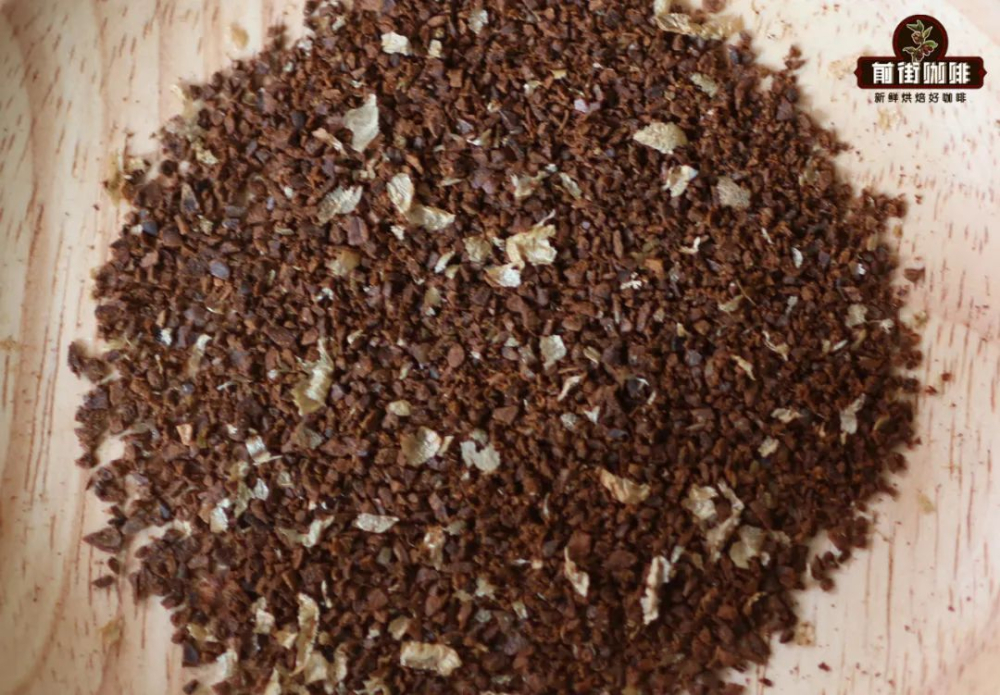
Because these particles are far smaller than a typical pour-over grind of 600-800 microns, they give up their solubles faster than the coarser grounds around them. The ultra-fines extract at a higher rate, so the bed is never extracting evenly — and that small-scale unevenness is exactly what gives coffee its complexity and depth.
The trouble begins when the fines stop being a minority. Once particles under 250 microns make up more than 10% of the dose, they clump together and choke the drainage holes, which is the slow flow you notice first. Add a longer contact time on top of that and the cup turns bitter and harsh. The unevenness has tipped from useful to damaging.
The Sieve Solution — and Its Cost
The thorough fix is a better grinder, though that requires a real budget and careful shopping. The affordable alternative is a fines sifter: grind as usual, then sieve out the dust by hand.
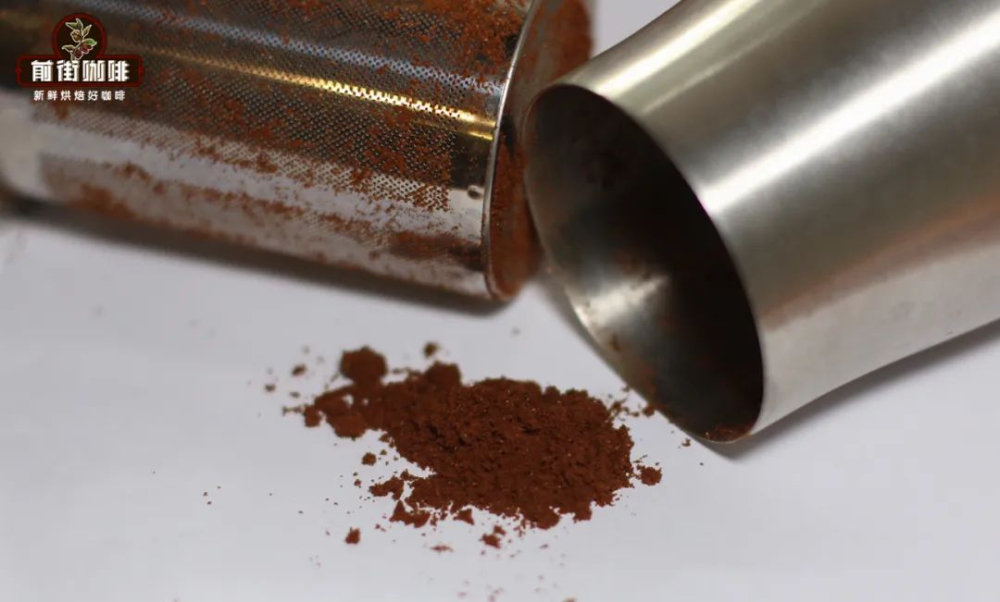
The catch is that sieving also removes the pleasant surprises. Sift too aggressively and the cup gains clarity at the price of body, ending up thin and watery.
Sifting also introduces arithmetic mistakes. A friend of FrontStreet Coffee once weighed 15g of beans, ground them, sifted out the fines, and brewed with a 1:15 ratio. He poured the full 225ml — forgetting that after sifting his coffee now weighed less than 15g, so the ratio was no longer 1:15 at all. It is a rare slip, but it shows how each added step adds uncertainty.
Putting the Fines Back
To keep the flavor of the fines without the blocked drain, some brewers add the sifted particles back at the end. Sieve the grounds as usual, brew the normal staged pours, and when you are ready for the final pour, return the fines to the filter cup and pour the last segment of water over them.
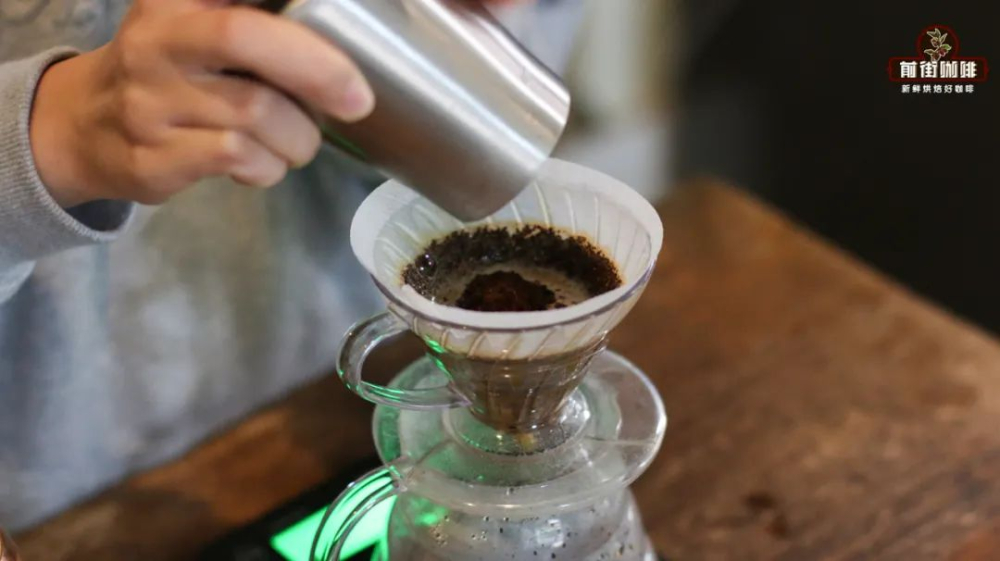
The fines get their contact time with hot water, but not so much that they over-extract into bitterness, and the drainage holes stay clear. Nothing is wasted, either.
When to Reach for the Sifter
Slow flow does not automatically mean you should sift. Sieve only when the flow stops completely, or when the spent bed has turned to sludge — those are the unambiguous signs of too many fines.
Sometimes, though, slow flow is a habit problem. With an electric grinder, a little coffee always clings to the dispensing chute. Tap it into the portafilter and those grounds land on top of the dose; pour them into the filter cup and they settle at the bottom, where even a small amount can plug the holes.
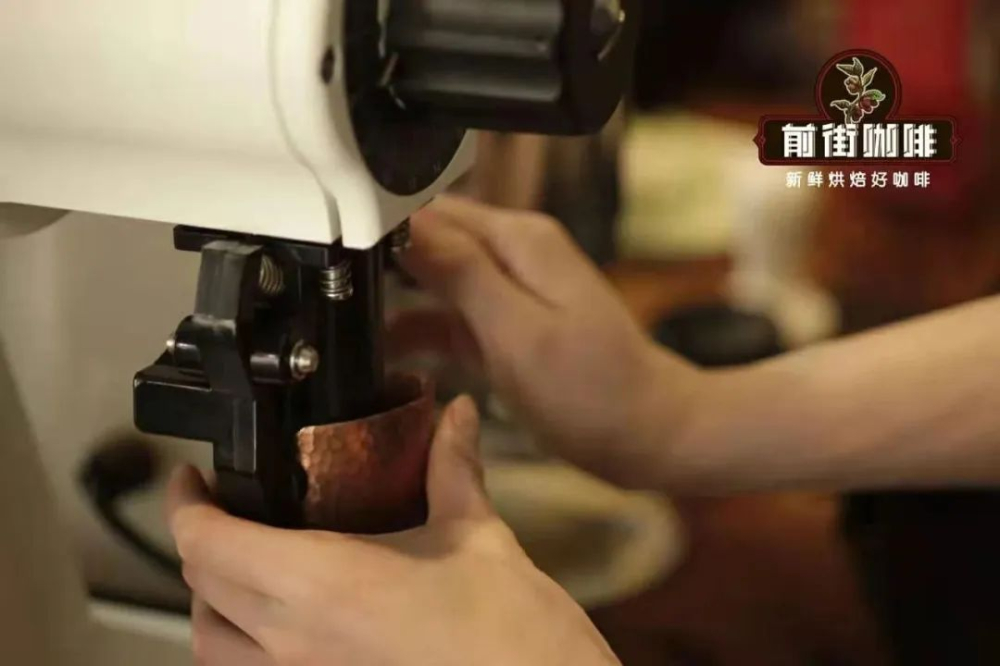
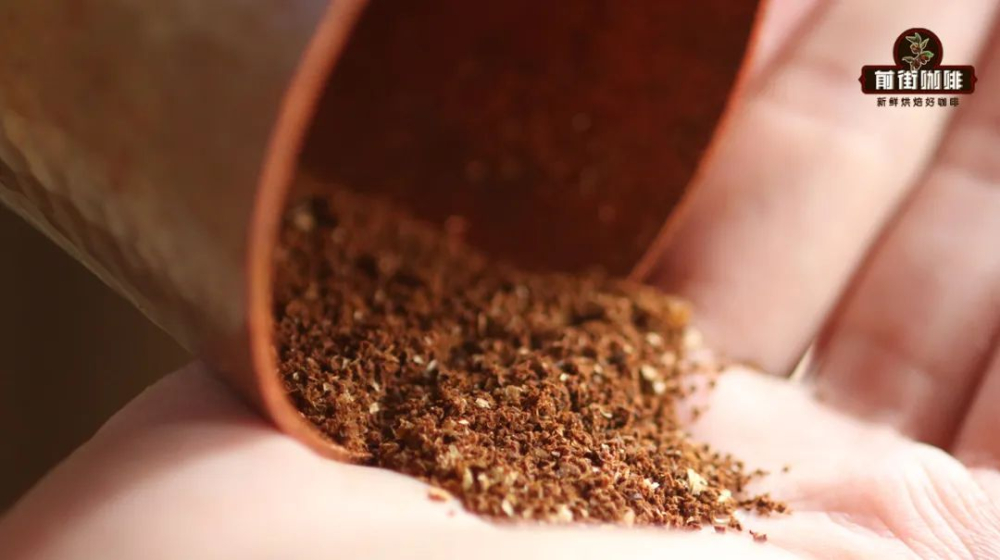
Constant shaking has the same effect, because it separates coarse from fine. Look closely at freshly ground coffee and you will see large particles wrapped in layers of fines. Leave the bed alone and the fines stay dispersed; shake it and they gather, slowing the flow.
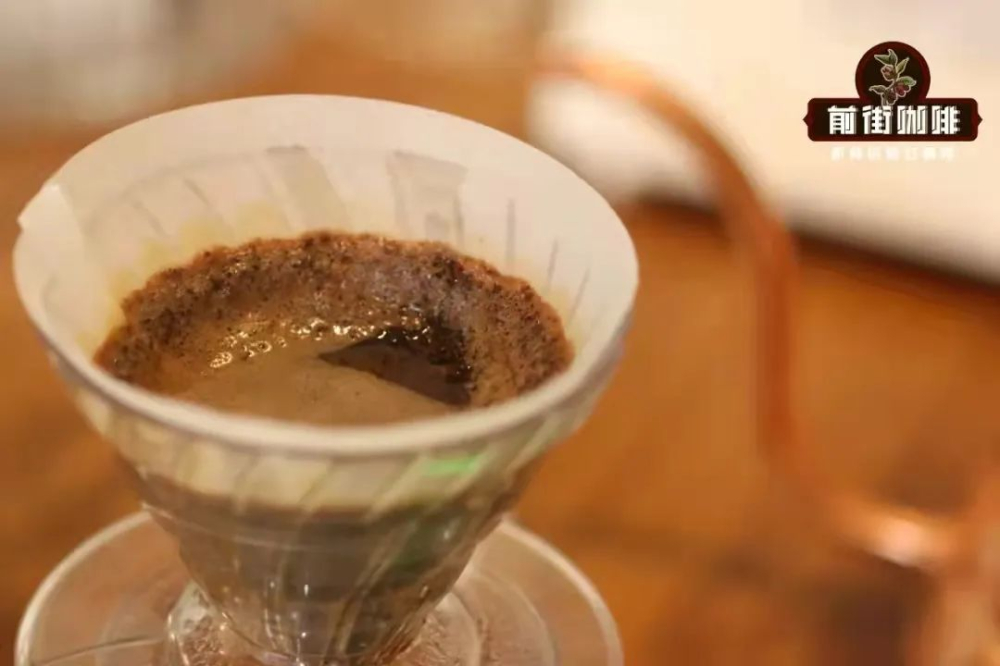
One more case: during the pour after the bloom, water is usually poured in circles from the center outward, which pushes the bed against the filter paper and forms a "coffee wall." Most of the fines travel to the edge with it, where they do no harm to the flow rate. Wash that wall back into the center of the bed, however, and the drainage slows again.
FrontStreet Coffee Recommendation
Grind size only matters if the beans are worth the trouble, and for pour-over FrontStreet Coffee Ethiopia Yirgacheffe Gudingding is the place many drinkers start. Washed at the Gudingding cooperative and roasted medium-light, it shows jasmine and bright citrus acidity with green tea and honey running underneath. With a clean grind it rewards a V60 beautifully.
If you prefer tropical fruit over flowers, FrontStreet Coffee Ethiopia Hualu — Sun-dried Hualu — brings strawberry, passion fruit, and jackfruit to the front, with such low bitterness and high sweetness that newcomers often describe it as the least coffee-like coffee they have ever had. It tolerates a slightly finer grind without turning harsh.
For the opposite end of the spectrum, FrontStreet Coffee PWN Indonesia Golden Mandheling is a deep-roasted Sumatra with almost no acidity, a thick body, and layers of herb and dark chocolate. Because it is roasted dark, the beans are more porous and the grounds more absorbent, so choose a medium grind rather than a fine one. FrontStreet Coffee brews it at 87-88°C with 15g of coffee at a 1:15 ratio, using coarse-sugar grind and a three-stage pour: 30ml to bloom, 100ml to lift the bed and draw out the golden foam, then 95ml poured gently down the center to build sweetness.
Another option built for gentle extraction is FrontStreet Coffee Brazil Queen's Estate. Its low acidity, nutty and cocoa aroma, and clear caramel sweetness make it forgiving of grind variation, which makes it a good bean to practice on while you dial in a sieve routine.
Important Notice :
FrontStreet Coffee is a long-established specialty coffee roaster in Guangzhou China, selling freshly roasted beans from its own farm in Yunnan as well as dozens of carefully selected single-origin beans from around the world for both pour-over and espresso. The products deliver consistently excellent quality and great value, with shipping within 24 hours. Guangzhou's FrontStreet Coffee shop is recommended by many coffee lovers, and the beans are now available online at the Tmall 。
FrontStreet Coffee has moved to a new address:
FrontStreet Coffee Address: 315,Donghua East Road,GuangZhou
Tel:020 38364473
 Scan and follow the En Gafei WeChat official account. Please indicate that the reprint comes from "En Gafei".