Guatemala Coffee Brands & Antigua Coffee Bean Flavor Characteristics Story
FrontStreet Coffee has found that coffee from this small Central American country has performed remarkably well in recent years: harmonious, sweet, and gentle, with an abundance of aromatics. Tasting it is a little like tracing its roots back to Mayan culture.
Guatemalan coffee beans, with their distinctive style, have joined the ranks of the world's great coffee origins in recent years. In the shade of the volcanic highlands, the beans develop complex aromatic layers and full-bodied flavors — qualities that inevitably evoke the ancient Mayan culture of the region: profound, distant, and mysterious.
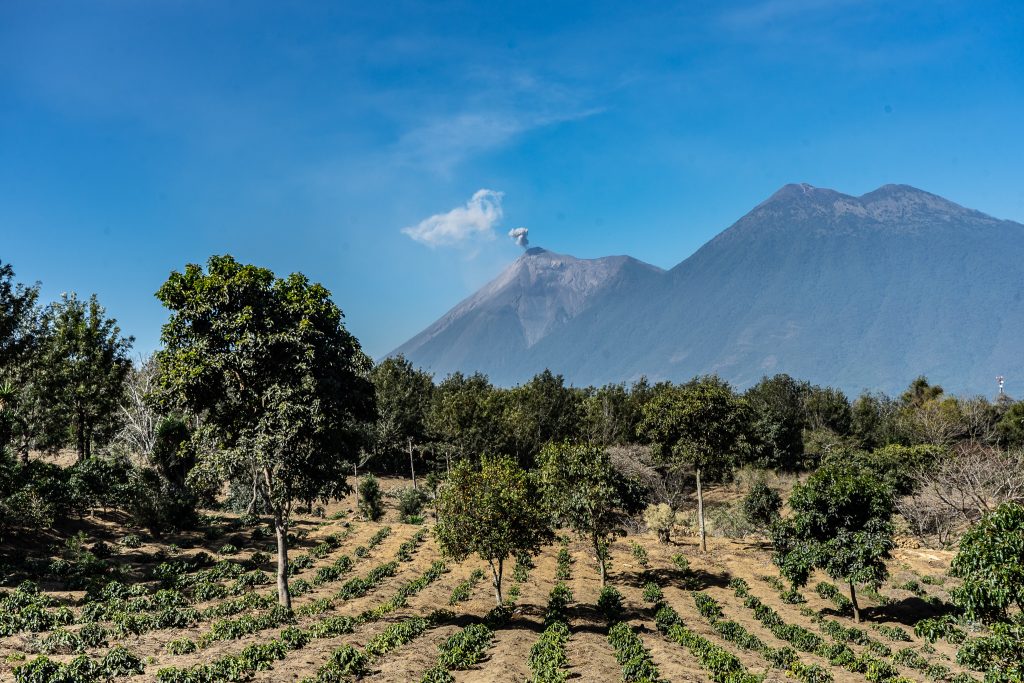
Pacaya is an active volcano located 33 kilometers south of Guatemala City and one of the most active volcanoes in the world. The local government maintains climbing routes that let visitors reach the crater rim at 2,552 meters to feel the heat and smell the sulfur. The ash the volcano ejects enriches the surrounding soil with abundant minerals, and combined with the wide day-night temperature swings of the volcanic environment, coffee from this area develops truly unique flavors. According to data shared by coffee merchants, smallholder farmers in the Pacaya region deliberately plant very close to the volcano's peak so their coffee receives more nutrients. That choice carries the obvious risk of eruptions, which is why green coffee from this area is scarce — and highly sought after by enthusiasts for its quality.
FrontStreet Coffee's Guatemala Antigua La Flor del Café
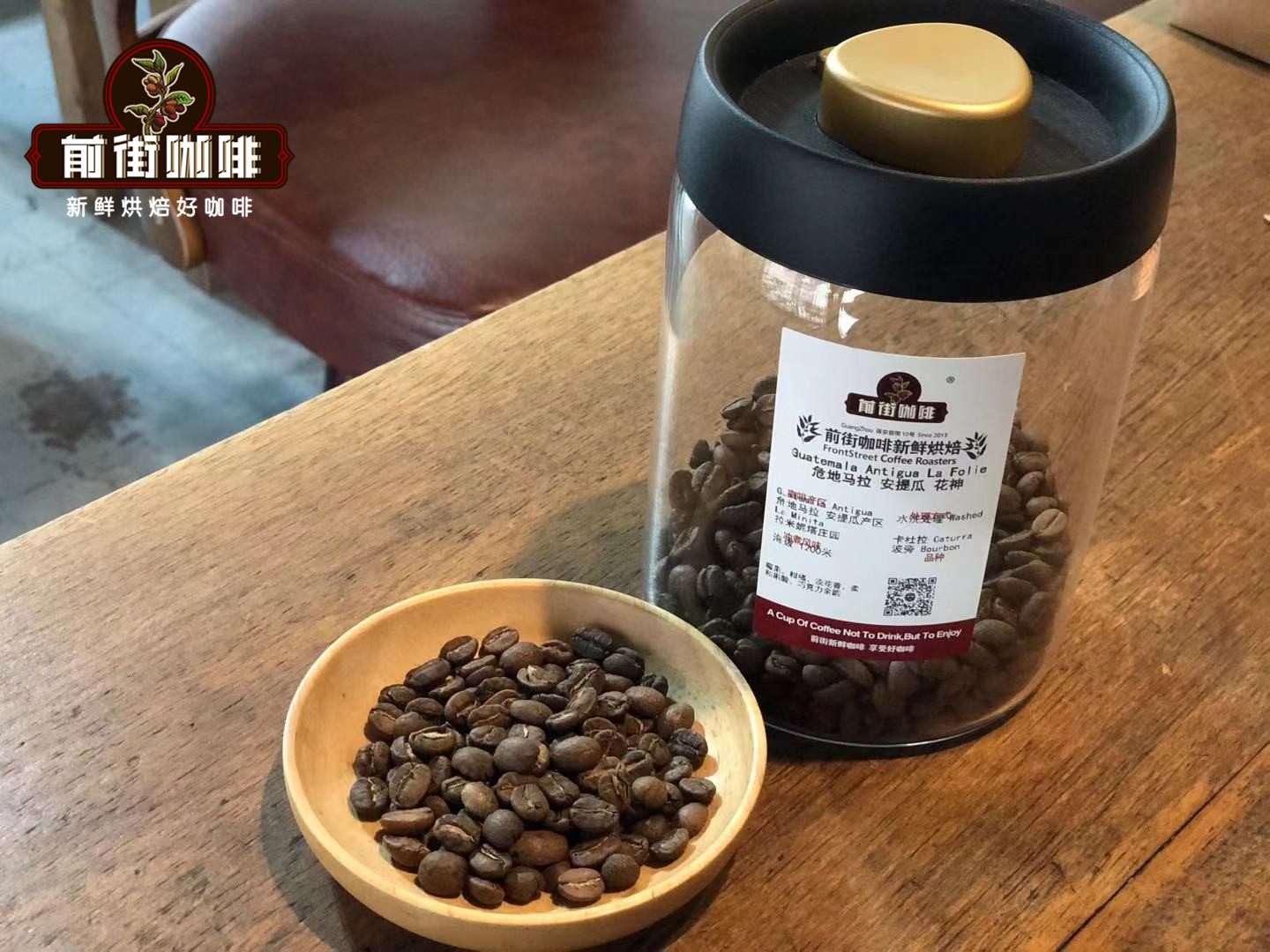
FrontStreet Coffee Guatemala Antigua La Flor del Café Coffee Beans
Origin: Antigua, Guatemala
Estate: La Minita
Varieties: Bourbon, Caturra
Altitude: 1,200 meters
Processing Method: Washed
Once brewed, FrontStreet Coffee's Guatemala La Flor del Café shows prominent citrus acidity with a juice-like tartness, rich floral aromatics, and pleasant sweetness, with a medium body and notes of caramel and smoke in the finish. The overall character is clean, gentle, and silky on the palate, with balanced, lively, and multi-layered flavors.
Guatemala's Coffee Growing Regions
Guatemala sits on the Central American isthmus, a landscape of high mountains and volcanic plateaus. It produces outstanding high-altitude strictly hard bean coffee and ranks as the world's 9th largest coffee producer. Its main producing regions include seven major areas: Antigua, Huehuetenango, Atitlan, Coban, Fraijanes, and Acatenango. All coffee grown in these seven regions is Arabica, planted in subtropical highland terrain with abundant, stable rainfall and fertile volcanic ash soil — nearly ideal natural conditions nationwide. In recent years, Huehuetenango and Antigua have become the best-known of them.
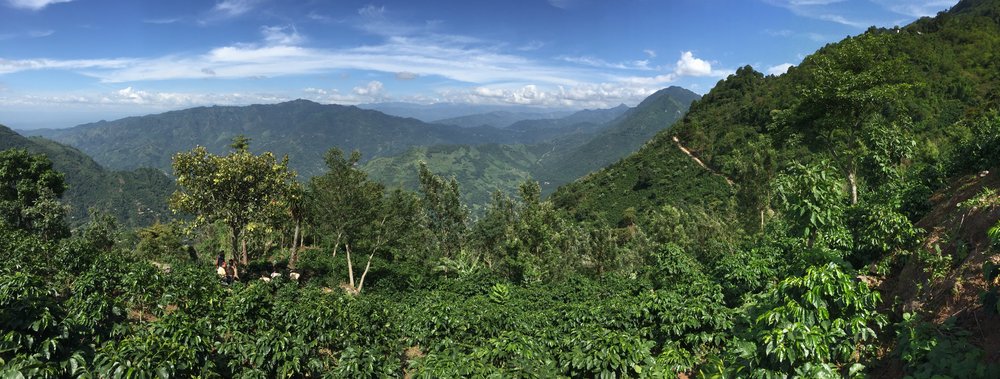
Each region has its own flavor signature, with excellent acidity and fruity aromatics that go down smooth — world-class coffees well suited to drinking single-origin. The Antigua region lies in the area dominated by the Madre plateau, within the mountainous spine that crosses Guatemala. Thanks to its natural conditions, Antigua has become Guatemala's most famous producing region.
Antigua is the most celebrated of the seven regions, with high altitude, unique volcanic soil, and shade cultivation, all of which give its beans a distinctive regional character.
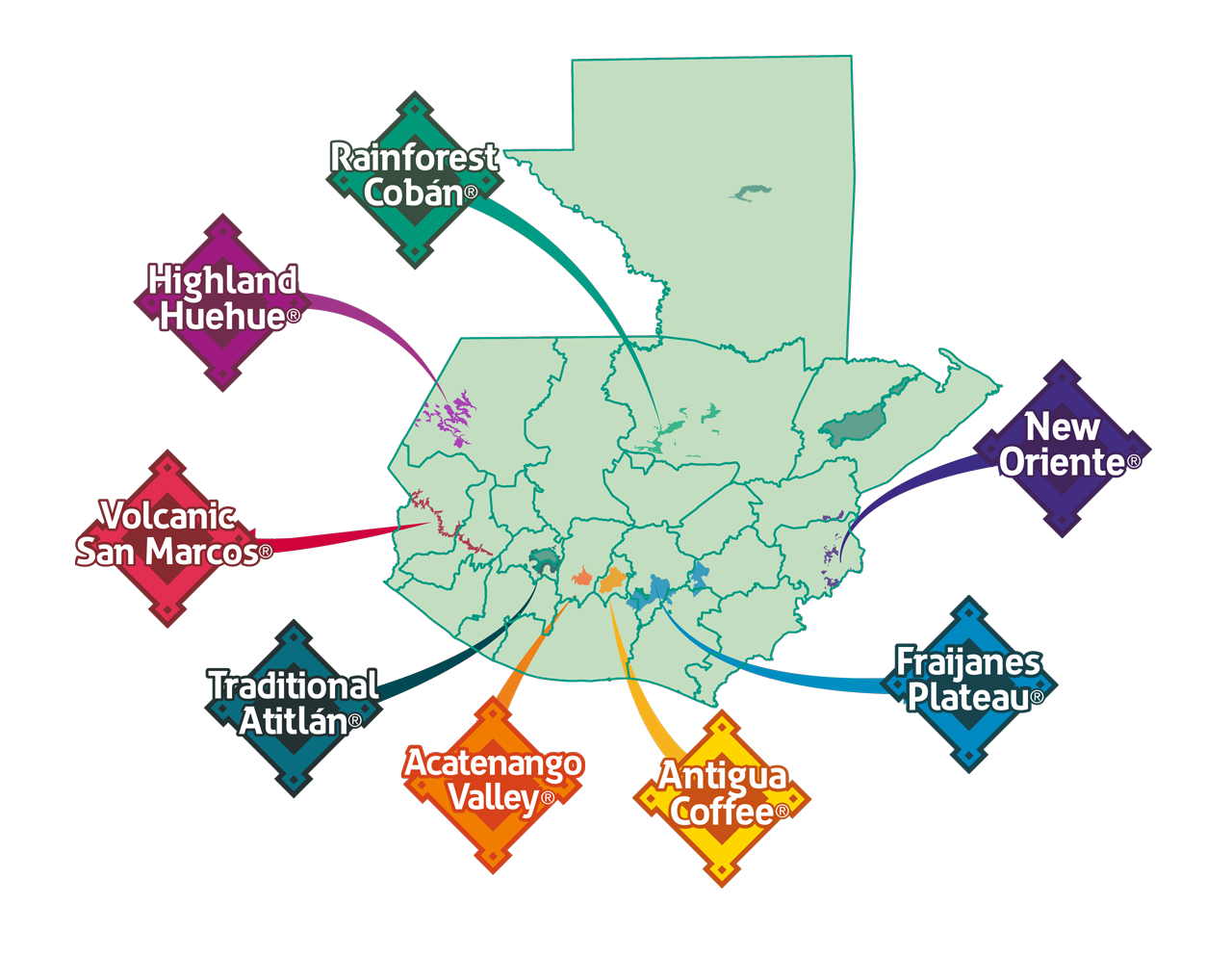
Summers in Antigua bring little rain, and winters can occasionally bring frost — conditions that are actually poor for coffee trees. Fortunately, the region sits in an active volcanic zone. After eruptions, volcanic pumice falls into the soil and, as it cools, forms countless fine pores that hold moisture exceptionally well. Combined with the many shade trees planted across the estates, this protects the coffee from cold damage in winter. These mitigating factors, along with significant day-night temperature differences, create Antigua's unique microclimate — and give its beans a subtle smoky note and rich fruit aromas.
La Minita Estate and La Flor del Café
La Flor del Café is a brand coffee under the La Minita company, with its production area located near Antigua, Guatemala — a highland surrounded by active volcanoes at 1,850 meters, the country's most award-winning and famous producing region.
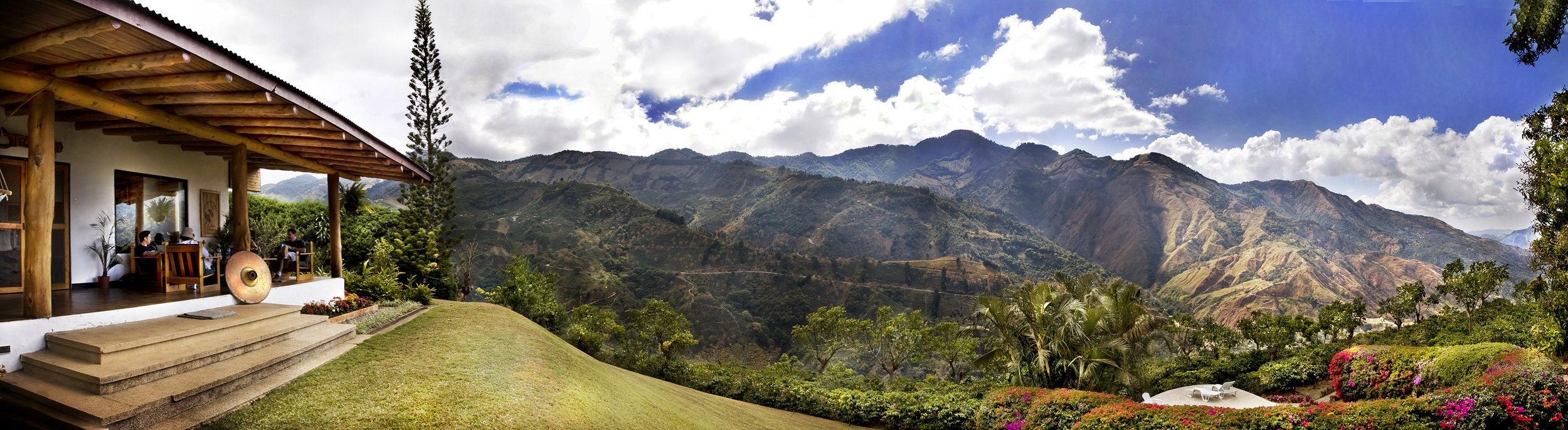
La Minita is renowned for its excellent cultivation and processing, and for extremely strict quality control. The estate commissions Las Pastores, Antigua's largest washed processing mill, to prepare the green coffee to those standards, and the coffee is sold under the name La Flor del Café. Alongside the region's original character, the dry aroma carries rich floral and tea-like fragrances. On the palate, lime acidity and berry notes arrive first, then transition to a honey-like finish. Outstanding cleanliness and rich layering are the hallmarks of this La Flor del Café.
La Minita manages its coffee cultivation with enormous rigor. The estate uses no pesticides; its advantageous climate and altitude keep pest populations low, so the few insects that are present have minimal impact on the trees. As the rainy season draws to a close, the cherries begin to ripen — green fruit turning red — but ripening is slow and uneven, unlike the rapid, uniform flowering. Harvesting therefore demands great care, picking only fully ripe, deep-red cherries. A single tree may need up to 5 separate passes to harvest everything at peak ripeness. The estate runs soil tests twice a year to guide its fertilization program, and it applies yield-boosting products cautiously, fertilizing about 3 times per year.
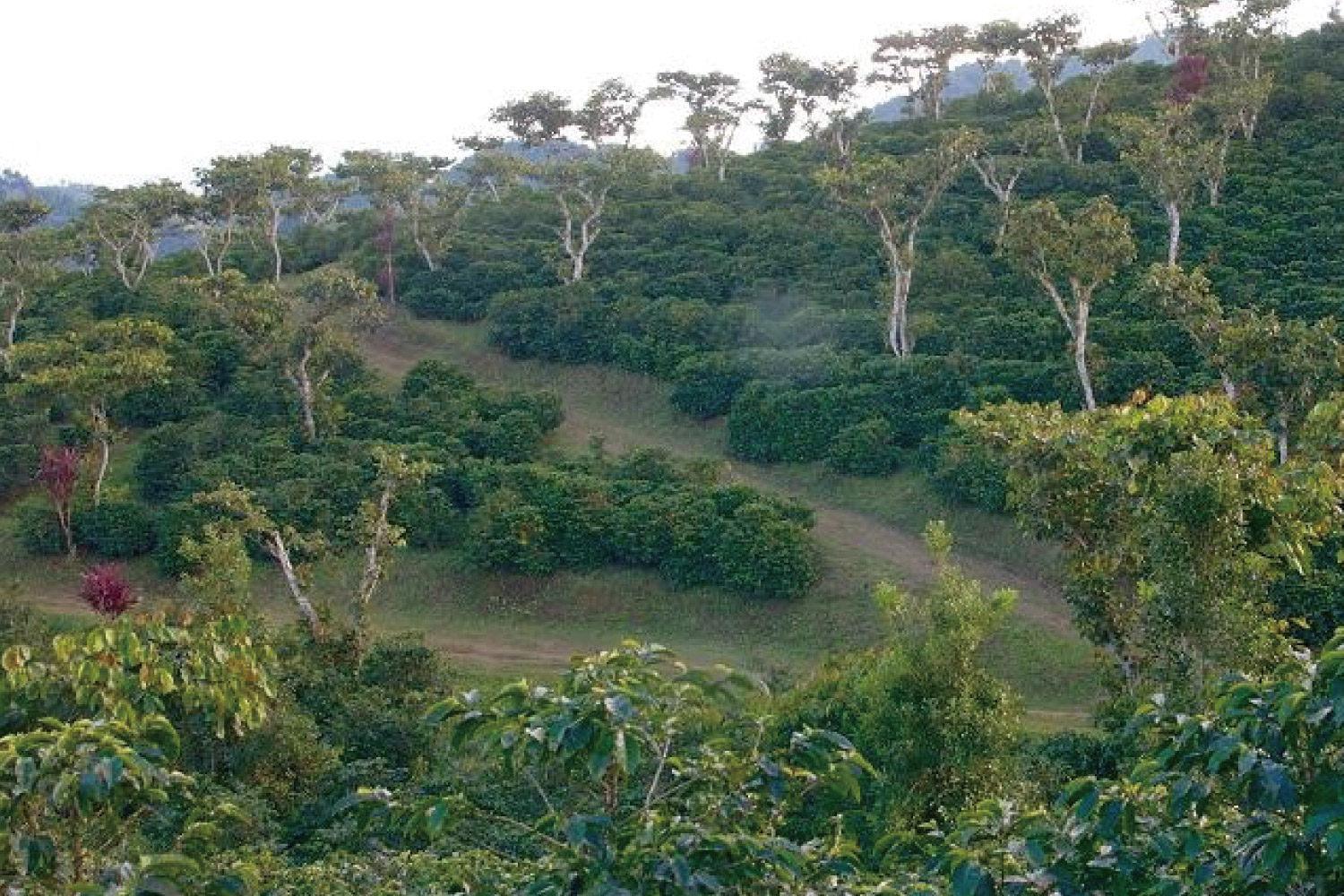
In addition, applying trace elements such as zinc, boron, and copper gives the trees more nutrients and helps prevent disease. This scientific approach to cultivation is what creates La Flor del Café's excellent flavor and has sustained its reputation for consistency over the years. Following La Minita's famous gatekeeping procedures, La Flor del Café is strictly supervised from cultivation all the way to packaging — a chain of checks that guarantees the green beans supplied by the Pastores mill meet the estate's exacting standard operating procedures.
Varieties and Roasting
FrontStreet Coffee's Guatemala La Flor del Café consists mainly of Bourbon and Caturra. Bourbon, alongside Typica, is one of the ancient, high-quality coffee varieties, with beans that are smaller and rounder than Typica's.
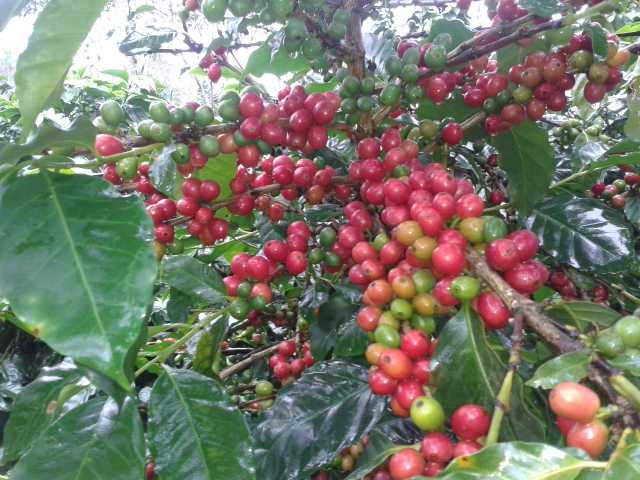
Caturra delivers a lemon or citrus-like acidity, though its sweetness doesn't quite match Typica or Bourbon — Caturra's sweetness depends heavily on how often and how much the grower fertilizes. It is high-yielding, but sustaining that yield demands constant fertilization and pruning, which keeps the trees short and bushy. Although harvests are larger, the two-year wait before a tree produces and the higher care costs still limit overall output.
When FrontStreet Coffee's roaster received this Guatemala La Flor del Café, the beans were rounded and greenish-yellow, with good uniformity and medium moisture. The roasting goal was a medium roast — bright enough acidity to showcase floral and fruit aromas, while adding richness and balance.
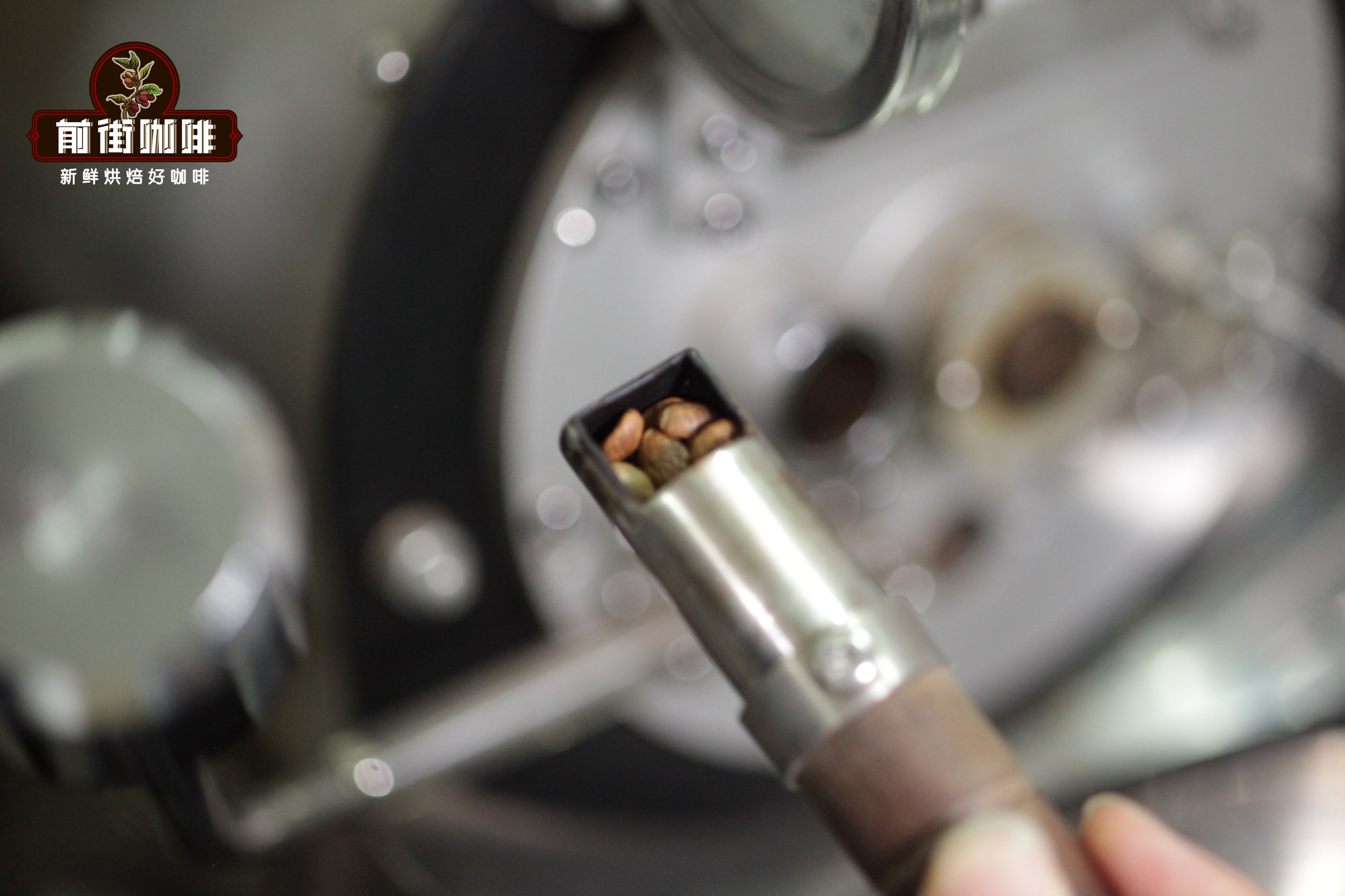
In the first roasting batch, the drop temperature was relatively high, with a charging temperature of 200°C and strong heat early on. During the roast it became clear these are dense, high-altitude hard beans. To preserve more of the acidic aromatics, the roaster used a steep temperature curve and pushed first crack earlier. Heat was reduced once the beans passed the yellowing point — after drying, before first crack — to avoid scorching the surface. The beans were dropped 1 minute 50 seconds after first crack ended, shortening the caramelization stage to retain more floral and fruit character.
Brewing Method
FrontStreet Coffee's barista brews this coffee with hotter water and a finer grind to draw out more of the florals and fruit, and uses a fast-flowing V60 dripper to prevent over-extraction, given the medium roast.
Dripper: Hario V60
Water Temperature: 91°C
Coffee Dose: 15 grams
Coffee-to-Water Ratio: 1:15
Grind Size: 80% pass-through through a #20 sieve
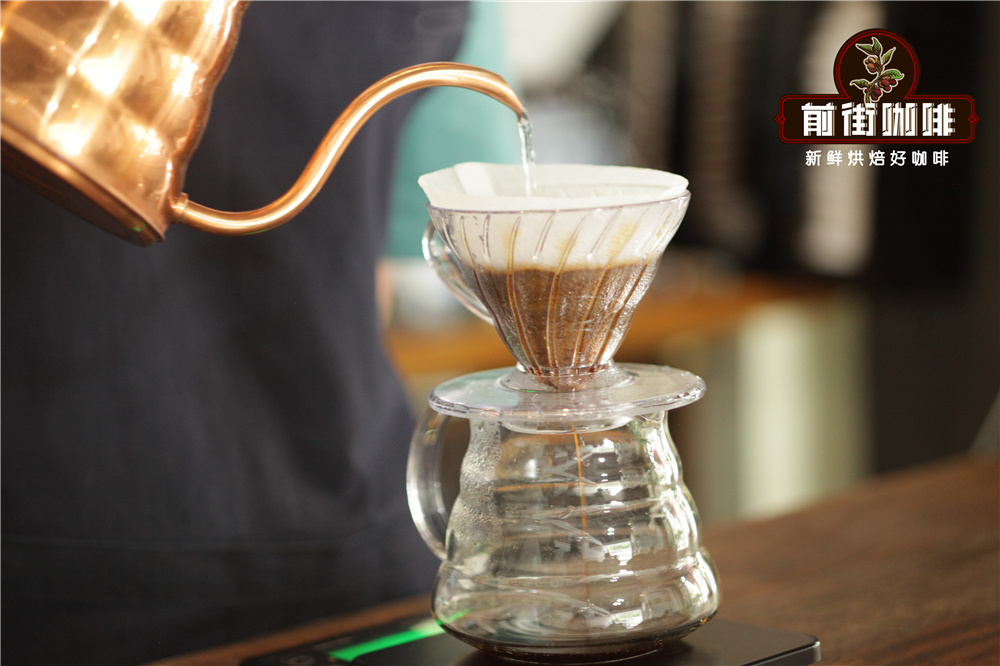
Start by pouring 30g of water to saturate the grounds completely, and bloom for 30 seconds. Pour slowly in circles for the second pour up to 125g, in segments. When the water level drops to just above the coffee bed, pour again; on the third pour, reach 225g and stop. Wait for all the water to drain into the server, then remove the dripper and give the coffee a gentle swirl to even it out. Total extraction time is approximately 2 minutes.
FrontStreet Coffee Recommendation
If the sweet, balanced character of Antigua appeals to you, try FrontStreet Coffee's Costa Rica Black Honey (Blackberry) next. Costa Rica is famous for honey processing: cherries are floated to remove defective fruit, then depulped so the mucilage stays on the bean through sun drying. Black honey keeps the most mucilage and ferments the deepest, giving it the highest sweetness of any honey style. This high-altitude Costa Rican lot is best roasted medium-light, revealing sweet florals, grape, sweet orange, and liqueur-chocolate flavors.
For a completely different sweet profile, FrontStreet Coffee's Brazil Queen Estate, roasted medium, opens with roasted-peanut and dark chocolate aromas, then the bitterness fades into a gentle, persistent sweetness — the hallmark of a great aftertaste. Poured through a moka pot or espresso machine, it shows fine crema and a mellow body that makes an especially rich, sweet latte.
Important Notice :
FrontStreet Coffee is a long-established specialty coffee roaster in Guangzhou China, selling freshly roasted beans from its own farm in Yunnan as well as dozens of carefully selected single-origin beans from around the world for both pour-over and espresso. The products deliver consistently excellent quality and great value, with shipping within 24 hours. Guangzhou's FrontStreet Coffee shop is recommended by many coffee lovers, and the beans are now available online at the Tmall 。
FrontStreet Coffee has moved to a new address:
FrontStreet Coffee Address: 315,Donghua East Road,GuangZhou
Tel:020 38364473
 Scan and follow the En Gafei WeChat official account. Please indicate that the reprint comes from "En Gafei".