What is Coffee Cupping? What are the Processes and Steps? What are the Standards? How to Score
For professional coffee knowledge exchange and more coffee bean information, please follow Coffee Workshop (WeChat official account: cafe_style).
Coffee Cupping: An Essential Part of Coffee Tasting
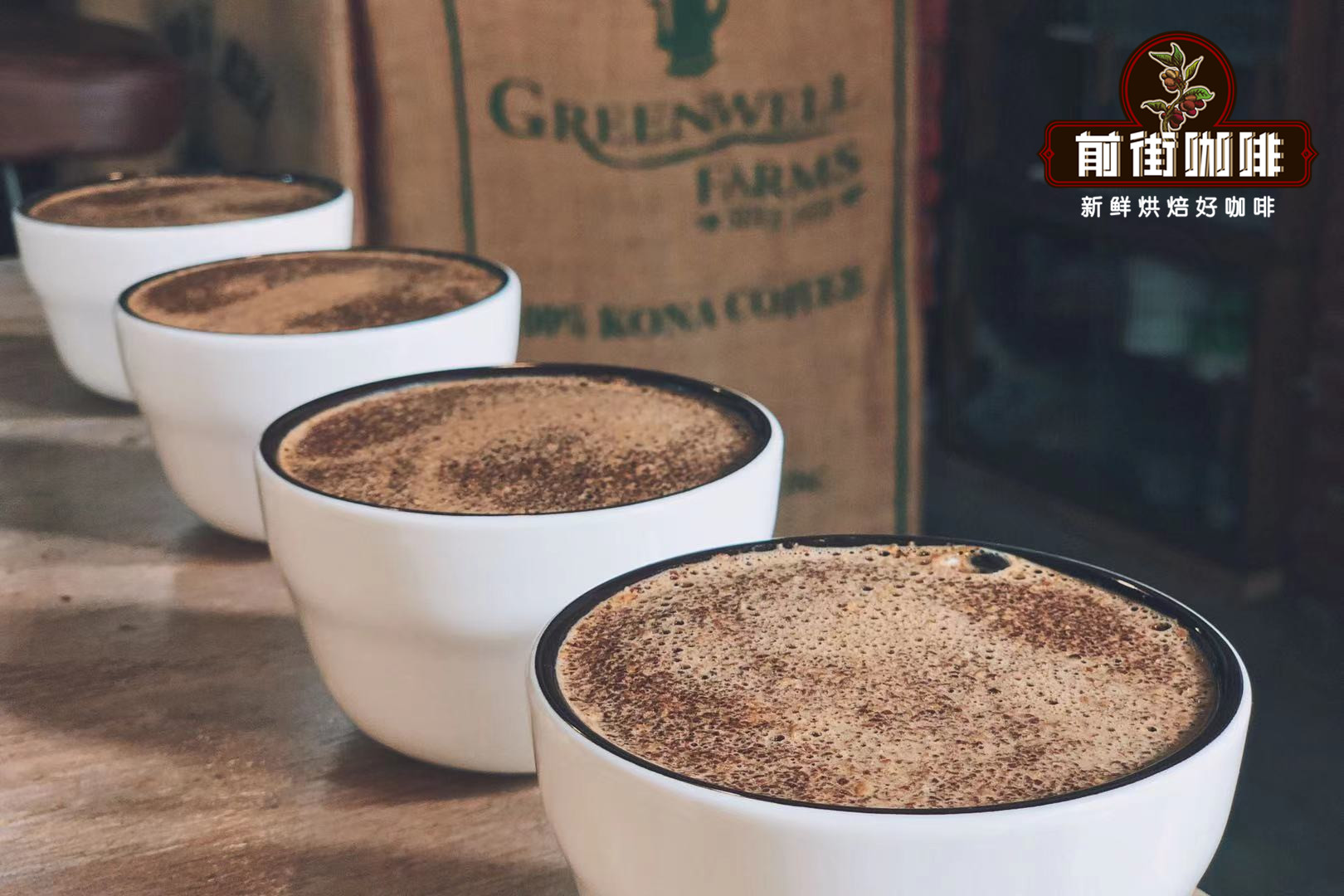
In the coffee industry, cupping is the standard procedure for determining coffee quality. Every time FrontStreet Coffee decides whether to list a new bean, it runs multiple cupping sessions to identify the most suitable roast profile before making a final decision. Cupping is an industry standard; coffee that has not been cupped cannot have its quality determined, nor can adjustments be made to establish the roasting curve.
Whether for roasters or baristas, cupping is essential before selecting coffee beans, so that the best ones can be identified accurately. Just as FrontStreet Coffee cups each bean through multiple rounds before listing it, continuously adjusting the roasting curves to bring out the best flavors of every bean. FrontStreet Coffee evaluates coffee from an objective perspective, assessing sweetness, acidity, mouthfeel, flavor, aftertaste, aroma, and other aspects, exploring each bean's roasting characteristics, identifying market-accepted strengths, and only then deciding whether to purchase.
There are currently two main internationally recognized cupping procedures: one established by the Specialty Coffee Association of America (SCAA) and another by the Cup of Excellence (COE) competition organization. FrontStreet Coffee primarily uses the COE procedure, and the following introduction is based on the COE cupping process.
Coffee Cupping Guidelines
Determine coffee bean grind size: 70-75% pass rate on a China standard #20 sieve
Water temperature: 94°C
Coffee dose: 11.3g
Water volume: 200ml
Dry aroma must be evaluated within 15 minutes of grinding
COE Cupping Evaluation Criteria
Aroma: Includes dry aroma, wet aroma, and break aroma, referring respectively to the aroma of ground coffee beans, the aroma after adding hot water, and the aroma when breaking the crust after 4 minutes.
Clean Cup: Absence of corrupt flavors and defects.
Sweet: In mature fruit, sweetness content is quite clear. If the fruit is overripe or underripe, changes in sweetness can also be detected during cupping.
Acidity: Good acidity is bright and lively, or has a juicy quality, or brings out sweetness. Poor acidity is like unripe fruit, similar to acetic acid or fermented sour flavors.
Mouthfeel: The viscosity, oiliness, and quality perceived in the mouth.
Flavor: The overall sensation of coffee in the mouth. Analyze and score by balancing factors such as acidity, sweetness, and aroma.
Aftertaste: The taste, tactile sensation, and even nasal aroma that can still be perceived after sipping the coffee liquid.
Balance: Whether the various flavors are harmonious, and whether flavors remain stable from hot to cold.
Overall: An overall score for the comprehensive performance of aroma, flavor, and mouthfeel.
COE Cupping Standards
Total score of 69 or below: Considered inferior commercial beans or industrial-grade beans.
Total score between 70-74: Average commercial beans.
Total score between 75-79: Superior commercial beans, generally referred to as premium commercial beans.
Total score between 80-84: Specialty coffee.
Total score of 85 or above: COE competition level, also the winning coffees of the Cup of Excellence, currently recognized as the highest level in the international coffee community.
Cupping Process in Practice
- Grind the beans to be cupped into powder.
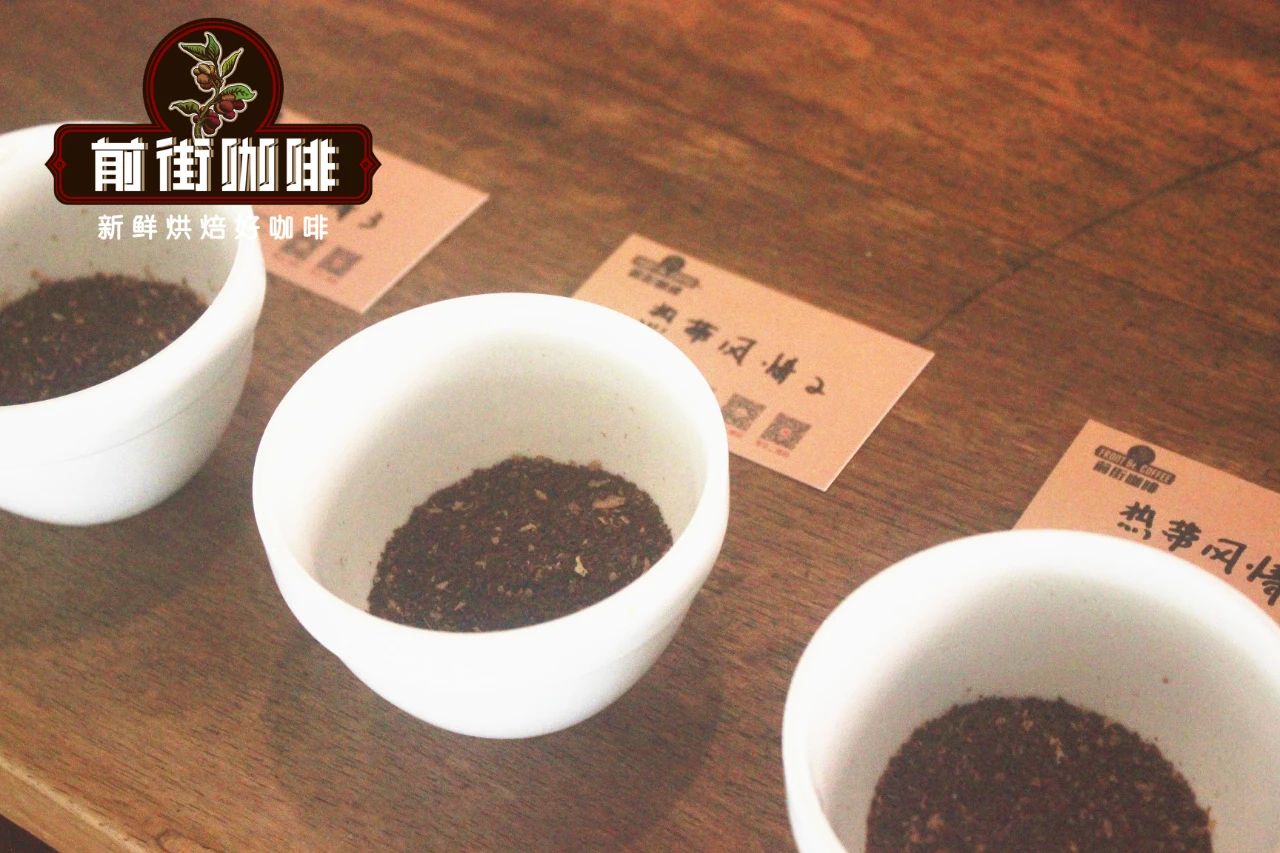
- Smell the dry aroma, controlling this within 15 minutes.
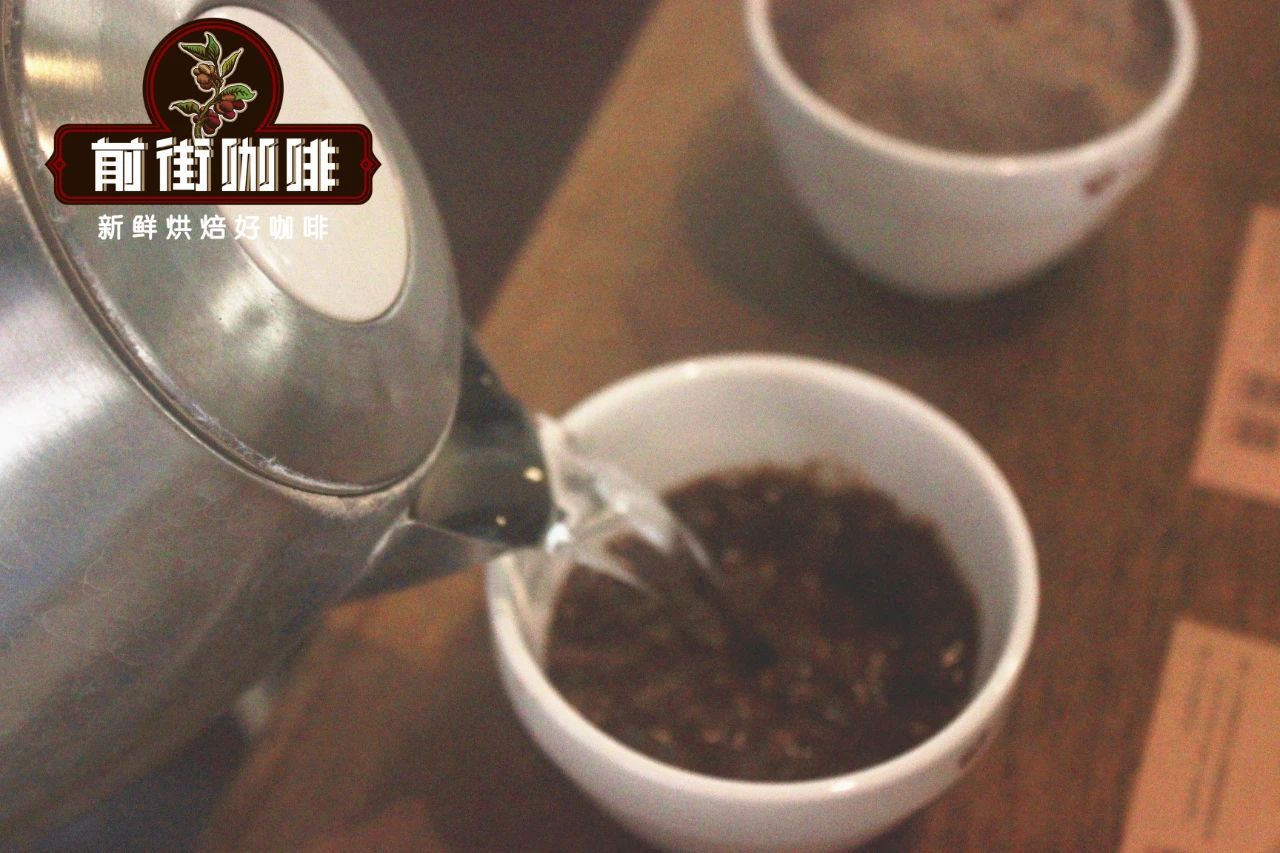
- Pour water with a strong flow, letting the coffee grounds steep for 4 minutes until a crust forms. At this point you can smell the wet aroma of the coffee.
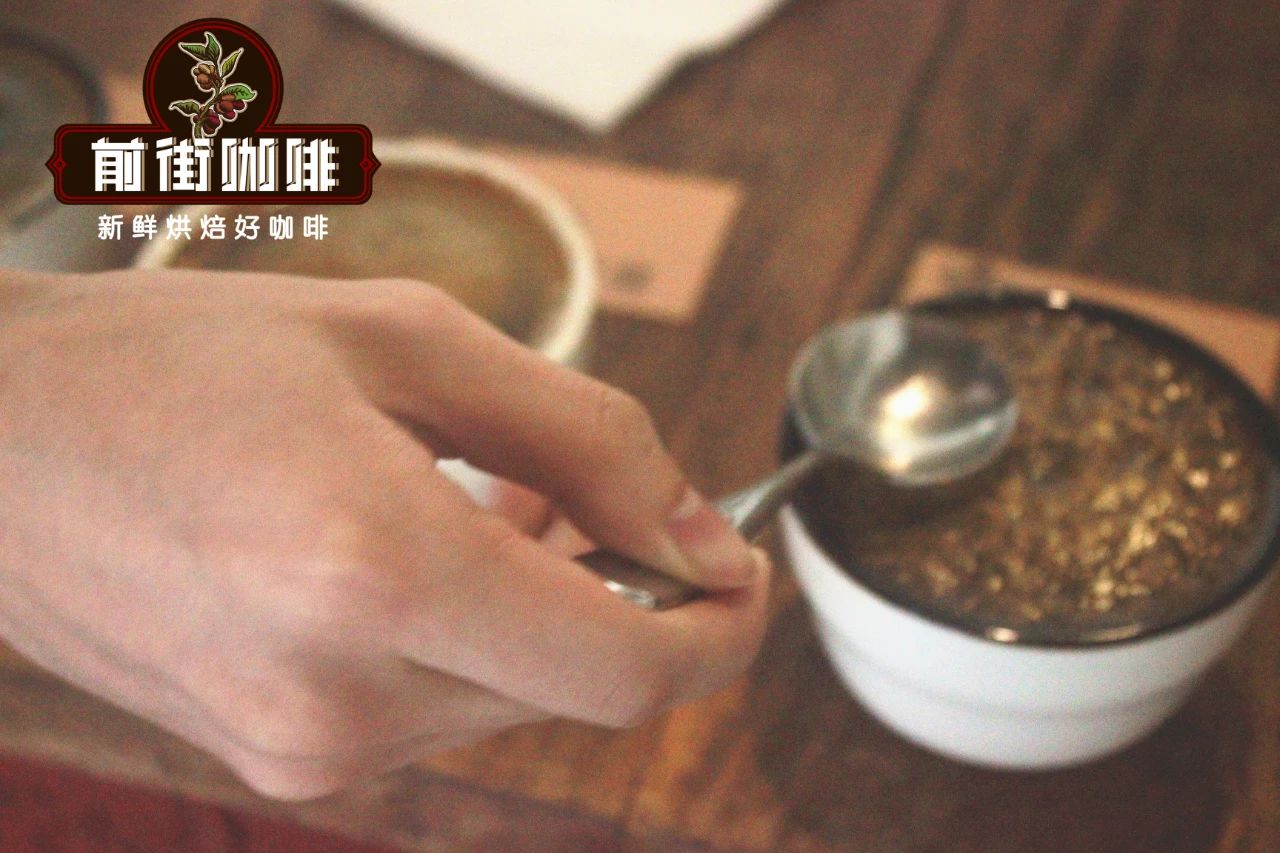
- After 4 minutes of steeping, stir the spoon several times across the surface of the cup to break the crust, then smell the break aroma. Afterwards, skim off the foam and crust.
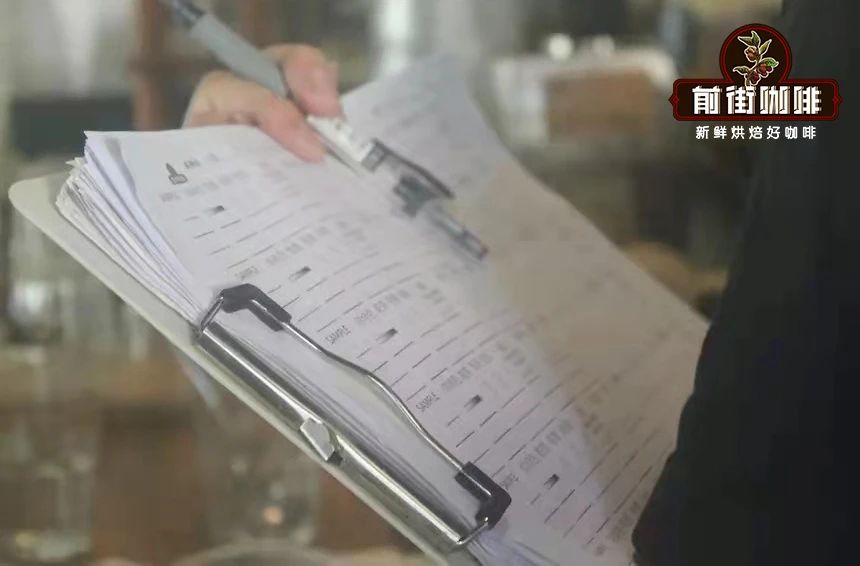
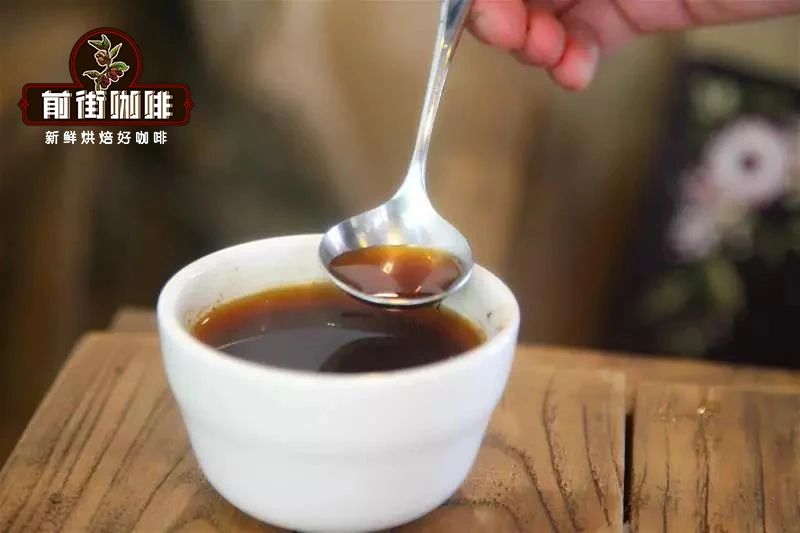
- Taste by slurping: use a cupping spoon to scoop up coffee liquid, slurp it into your mouth, feel it in your mouth, and then spit the liquid out. Record your sensations on the cupping form, score according to the form's requirements, rinse your mouth and wash the cupping spoon, then taste the next coffee.
FrontStreet Coffee uses the recorded information to make adjustments to the cupped coffee beans. The adjustment scope can include choosing roasting curves, selecting brewing equipment, or applying brewing techniques to amplify the beans' advantages or minimize their disadvantages, so the best flavors are presented when served.
For more specialty coffee beans, please add FrontStreet Coffee on private WeChat: kaixinguoguo0925
FrontStreet Coffee Recommendation
Cupping rewards balance above all, and medium roasts are where that balance tends to show most clearly, because roasting deeper brings more bitterness and a fuller body while roasting lighter brings more acidity and a lighter body. FrontStreet Coffee's medium-roast line is a good place to cup and compare. The FrontStreet Brazil Queen Estate is a rare yellow Bourbon from Brazil, the world's largest coffee producer; its clean, sweet profile gives cream, peanut, chocolate, toasted bread, and sugarcane after a medium roast, and it works in a filter, a moka pot, or an espresso machine. The FrontStreet Strawberry Candy combines Costa Rican honey-processed coffee with washed Panama Geisha, roasted medium so it shows both orange-blossom honeyed sweetness and a rounded body, suited to cold brew, pour-over, and espresso.
The FrontStreet 2013 Natural Typica is a Yunnan single origin roasted medium to bring out nut, brown sugar, black tea, and dried apricot notes, usable in a filter, cold brew, or drip machine and priced very affordably. And the FrontStreet Jamaica Blue Mountain No.1, known as the emperor of coffees, is roasted medium precisely because that level fuses the variety's acidity, bitterness, sweetness, and body into one elegant whole, offering chocolate, roasted nuts, cream, and caramel from the first sip, a balance no other coffee easily matches.
Important Notice :
FrontStreet Coffee is a long-established specialty coffee roaster in Guangzhou China, selling freshly roasted beans from its own farm in Yunnan as well as dozens of carefully selected single-origin beans from around the world for both pour-over and espresso. The products deliver consistently excellent quality and great value, with shipping within 24 hours. Guangzhou's FrontStreet Coffee shop is recommended by many coffee lovers, and the beans are now available online at the Tmall 。
FrontStreet Coffee has moved to a new address:
FrontStreet Coffee Address: 315,Donghua East Road,GuangZhou
Tel:020 38364473
 Scan and follow the En Gafei WeChat official account. Please indicate that the reprint comes from "En Gafei".